olivier lecreux | index
presentation note
The works are presented in a chronological scroll format, following the order of their creation, from the earliest to the most recent. This choice allows the work to be viewed in a linear way, even though it does not necessarily follow a continuous or homogeneous development.
Note: The works presented on this website are created using wet techniques (highly diluted ink and watercolour), intentionally involving an element of accident and unpredictability. The paper may show folds, distortions, micro-tears, or surface irregularities. These alterations are not defects but are an integral part of the creative process and the material nature of the works.
paintings
2026
Montagnes Célestes
Montagnes Célestes
2026
Ink on paper
42 x 30 cm
16,5 × 11,8 in
Soleil des Blés
Soleil des Blés
2026
Ink on paper
30 x 42 cm
11,8 × 16,5 in
Maladie Tropicale
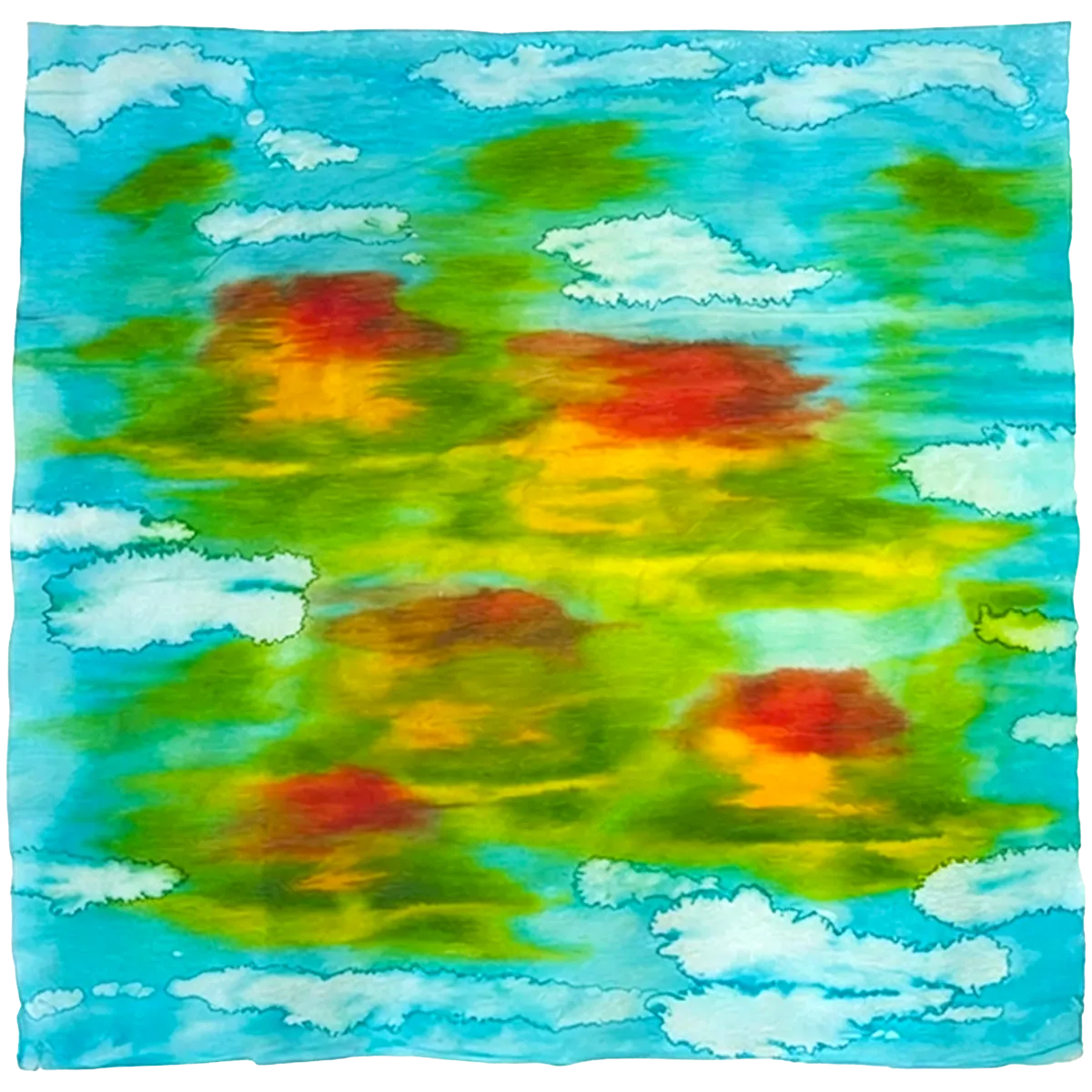
Maladie Tropicale
2026
Ink on crepe paper
45 x 100 cm
17,7 x 39,3 in
Maladie Tropicale (I,II,III)
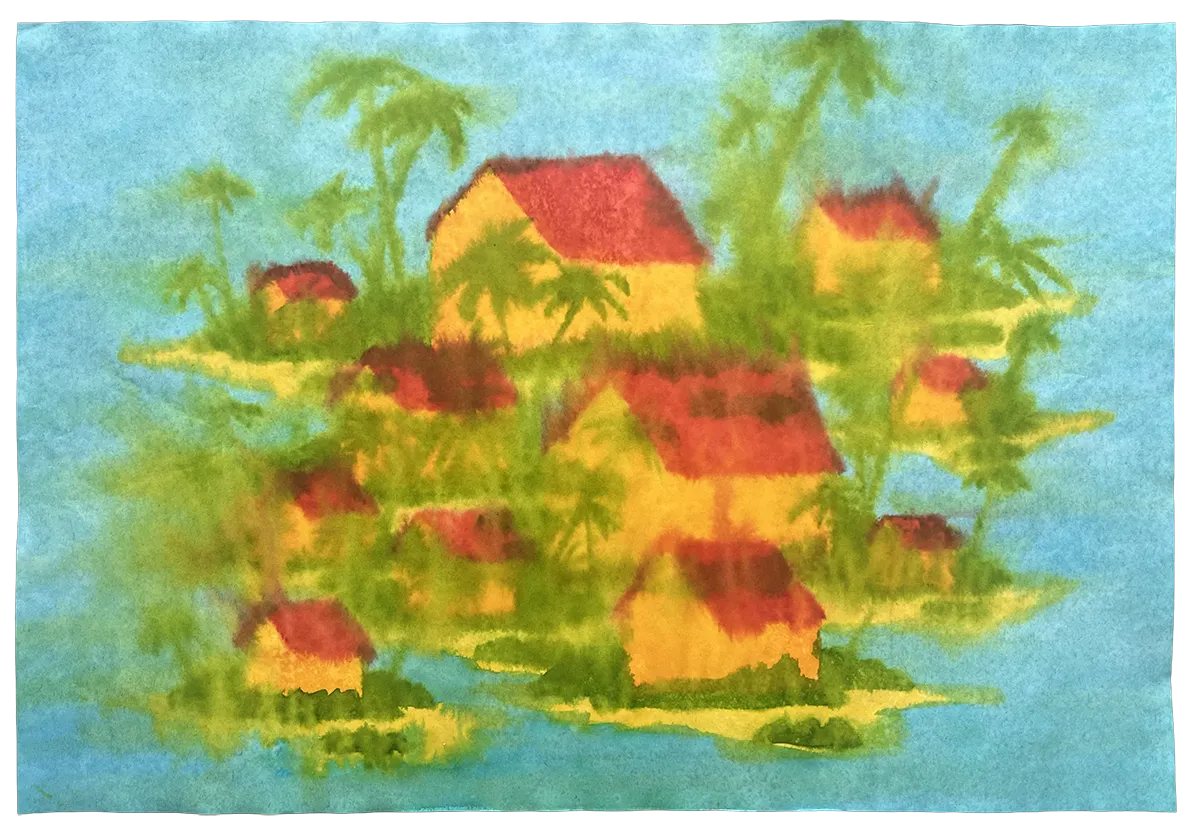
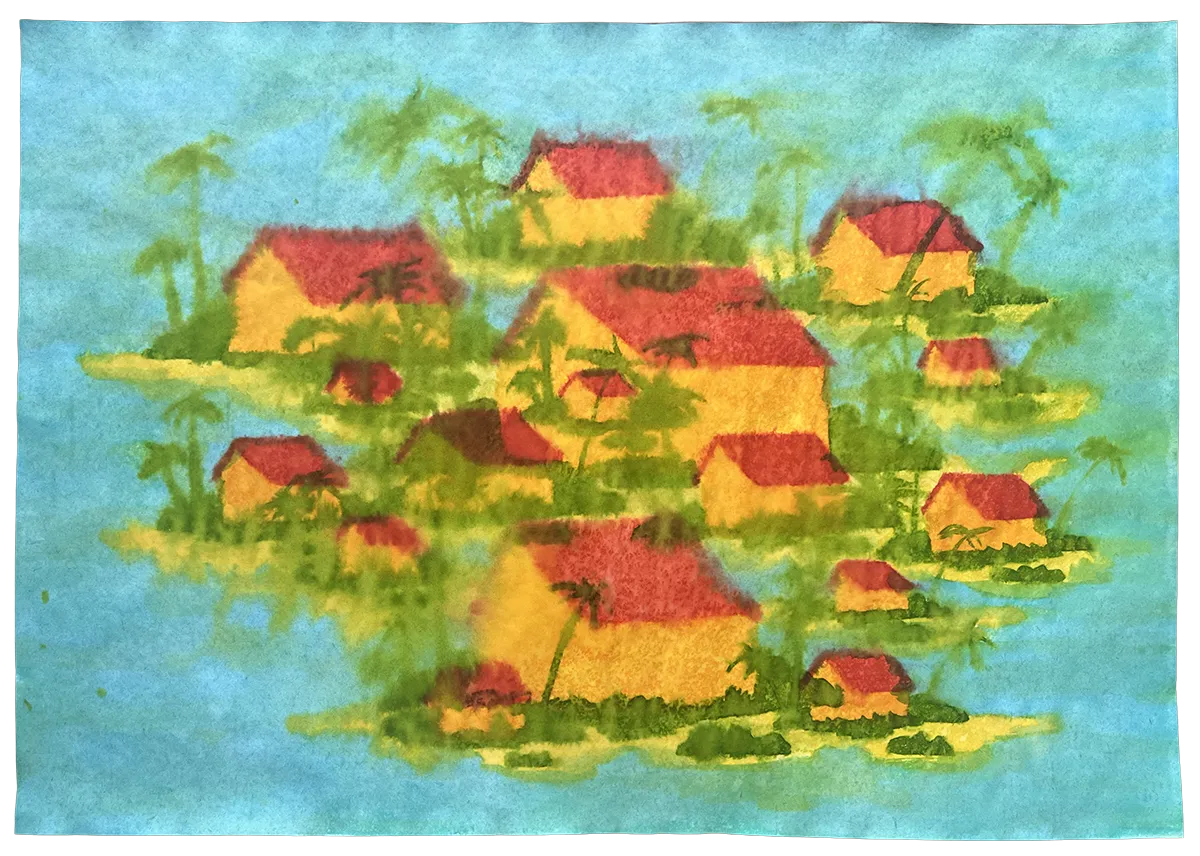
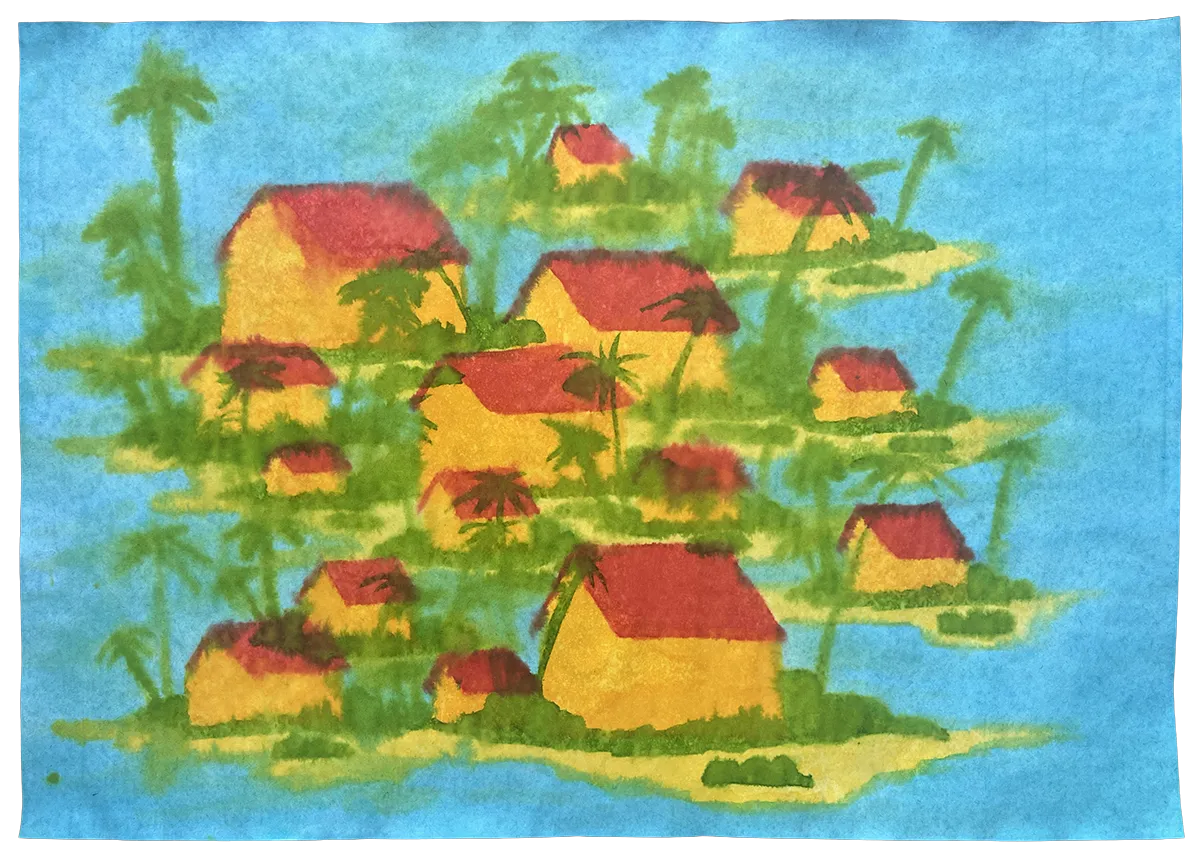
Maladie Tropicale (I,II,III)
2026
Ink on paper
41,5 x 29,5 cm
16,3 x 11,6 in
Maladie Tropicale, avec noix de coco (I,II)
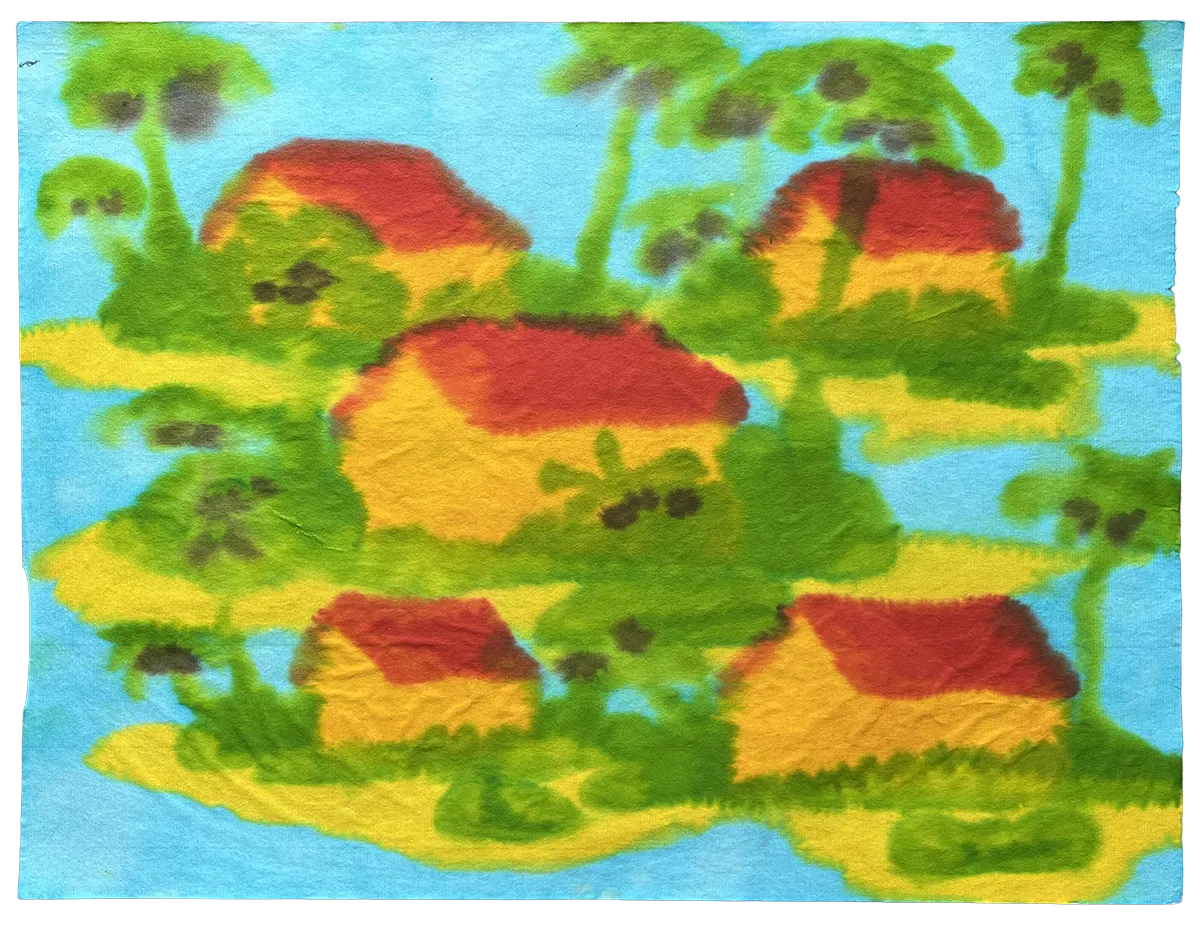
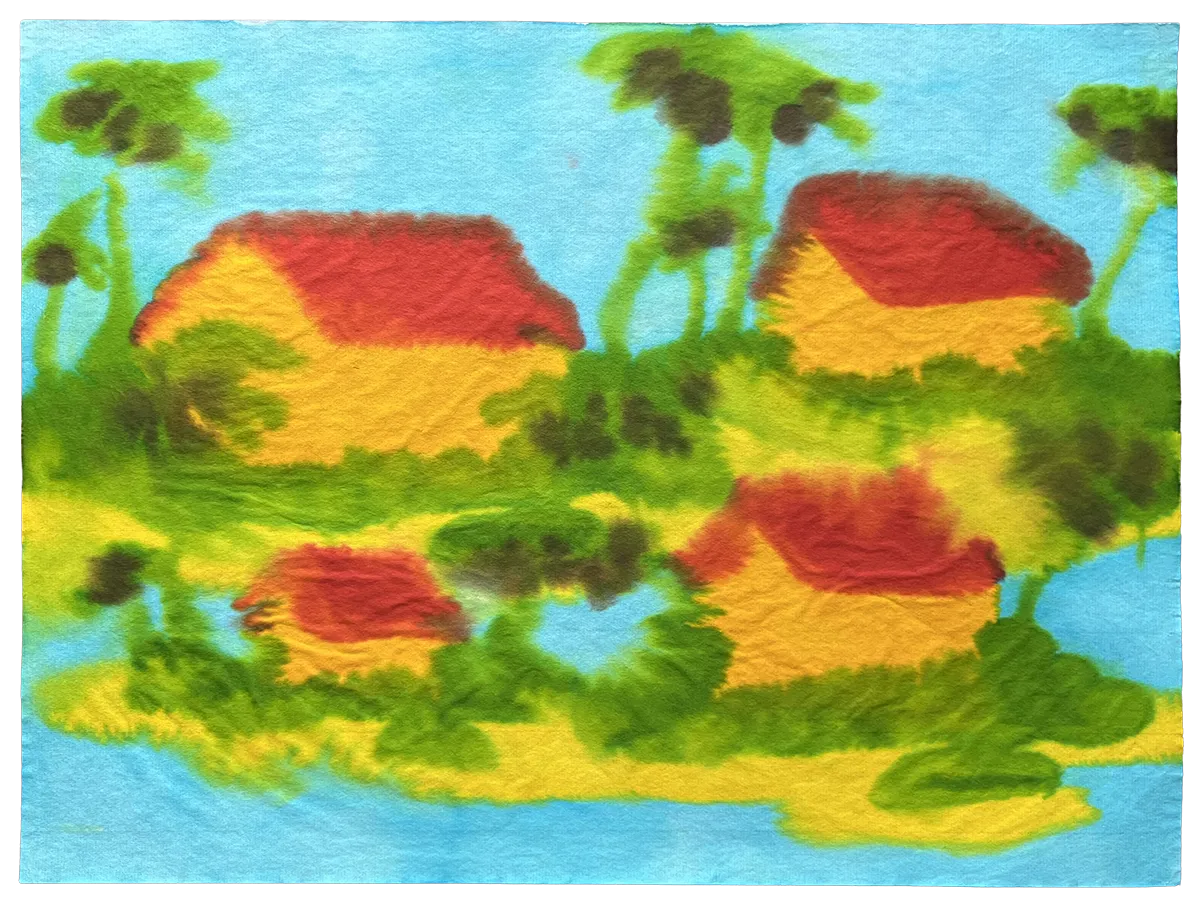
Maladie Tropicale, avec noix de coco (I,II)
2026
Ink on paper
24 x 32 cm
9.45 × 12.60 in
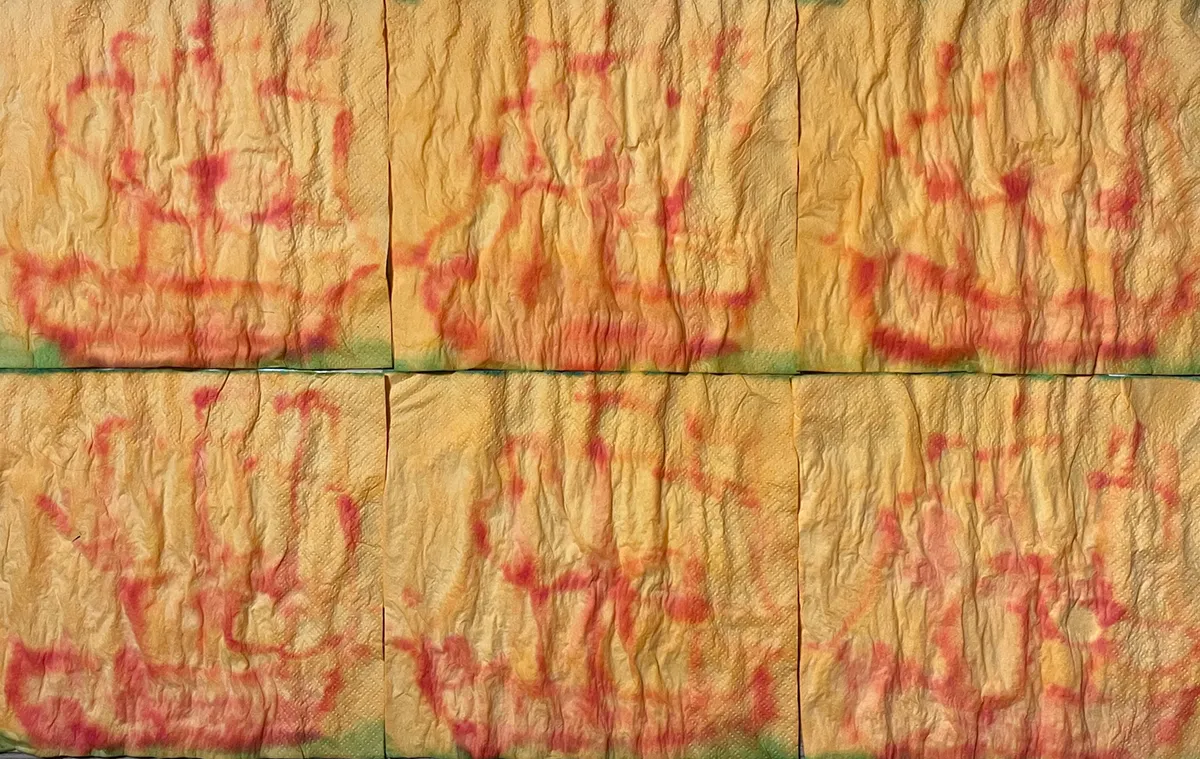
Maladie Tropicale (x6)
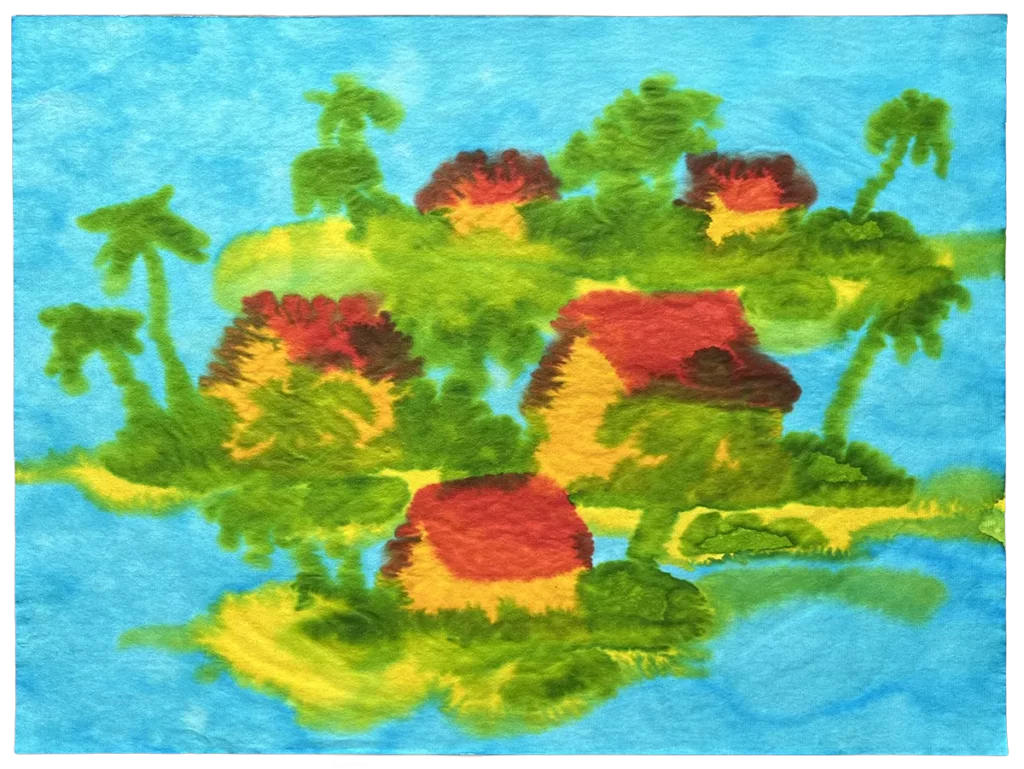
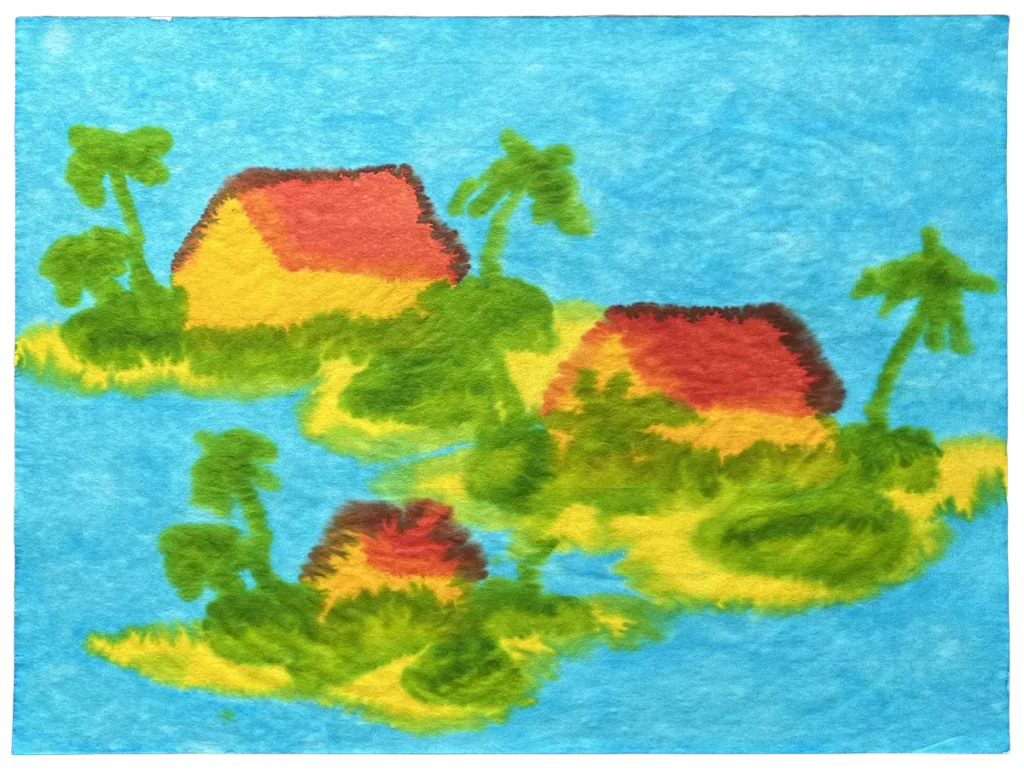
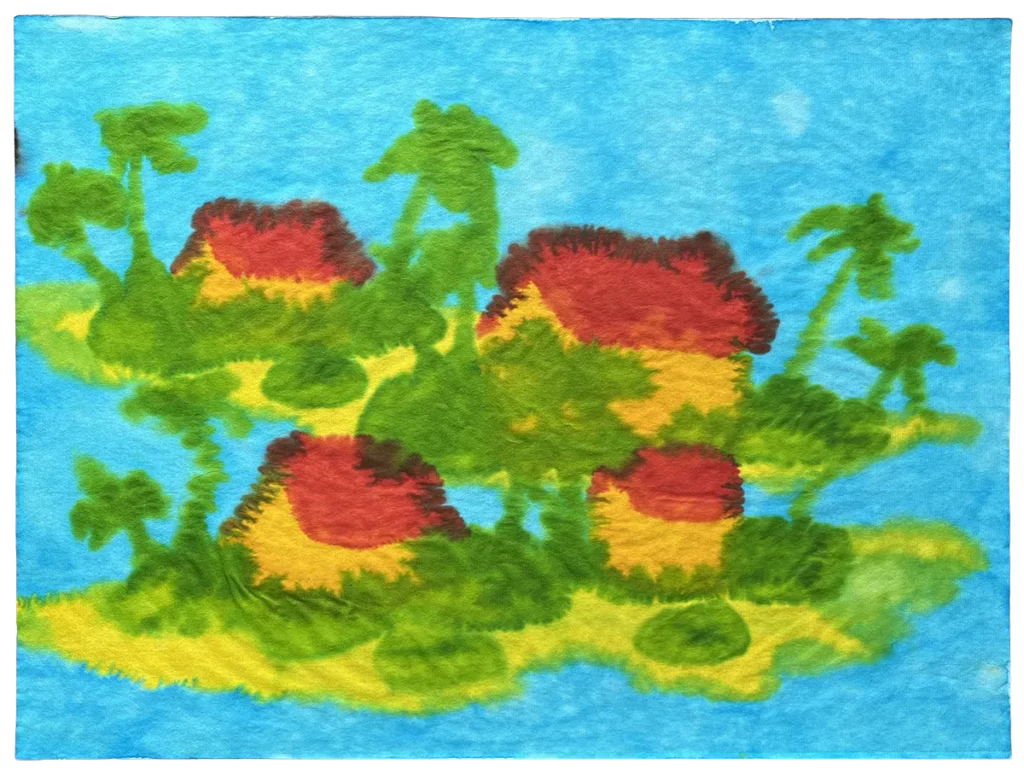
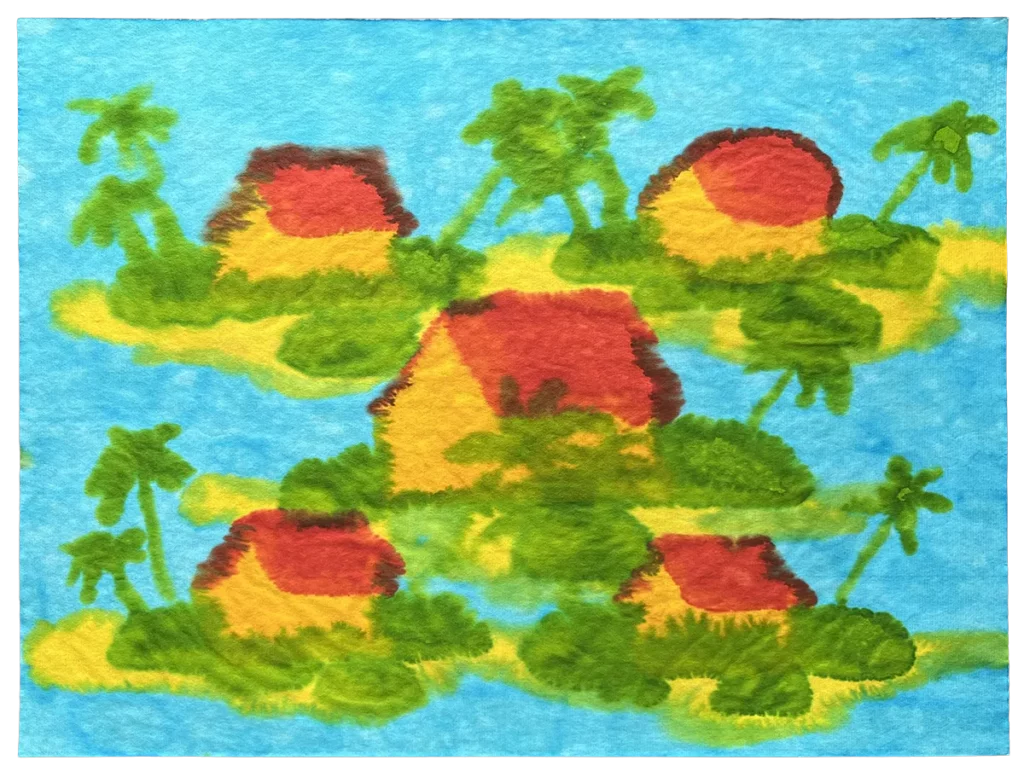
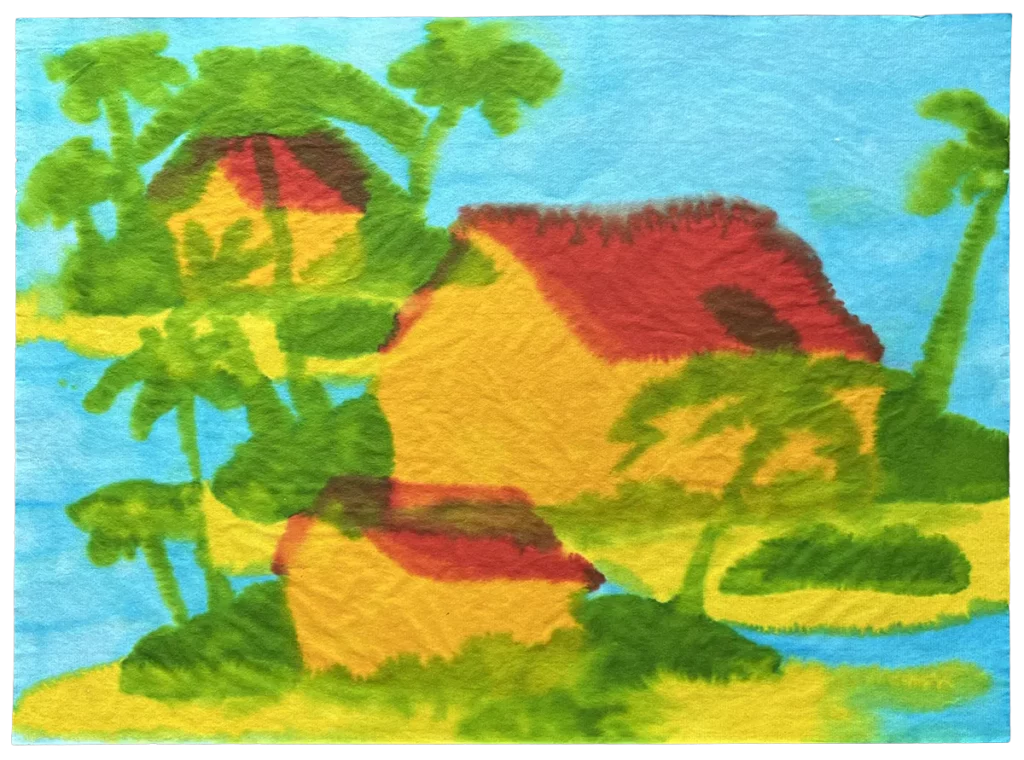
Maladie Tropicale (x6)
2026
Ink on paper
24 x 32 cm
9.45 × 12.60 in
Vue du bateau
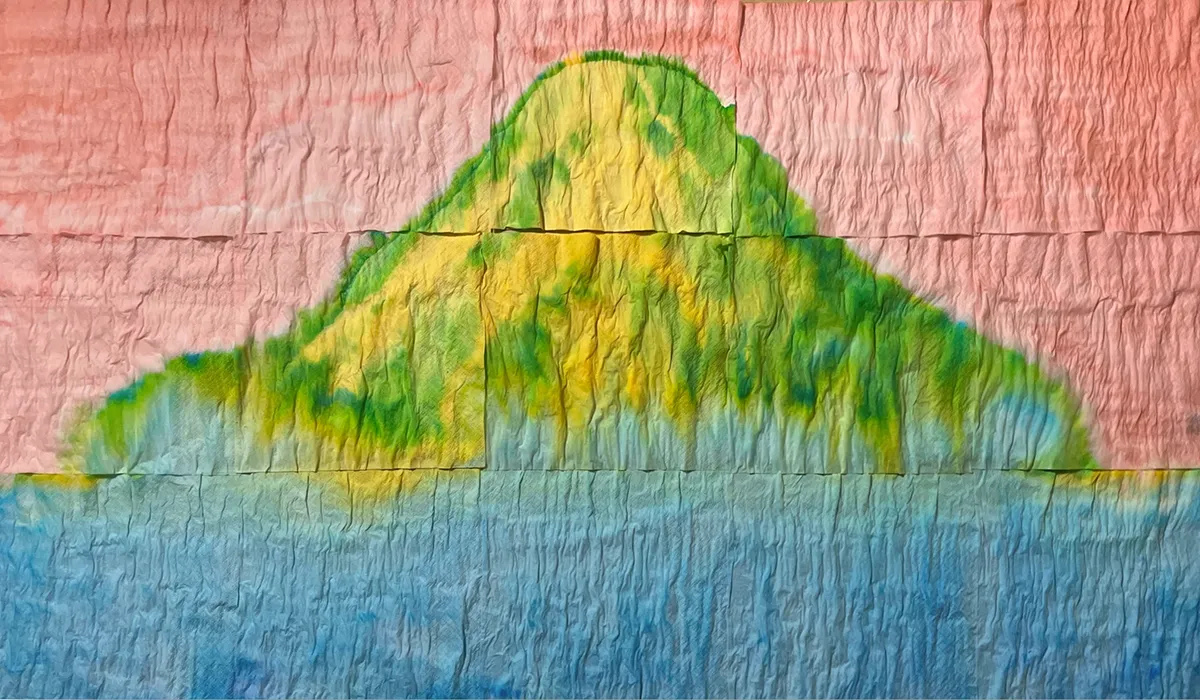
Vue du bateau
2026
Ink on paper napkin
48 x 80 cm
8.9 × 31.5 in
Bateau
Bateau
2026
Ink on paper napkin
32 x 48 cm
12.6 × 18.9 in
artist statement
” The work begins from a simple, repeated gesture: folding the paper, unfolding it, allowing the grid to appear. In each resulting square, the same landscape is placed — endlessly reproduced, never quite identical. The grid is not an external formal frame imposed from outside, but a structure produced by the paper itself, a memory of the fold. The repetition of the motif within this structure questions the relationship between the serial and the sensory: how far can a landscape remain recognisable, and at what point does it dissolve into its own multiplication?
This work is grounded in an established fact from neuroscience: seeing the Sahara in reality or seeing it in an image activates the same areas of the brain. Representation is not a degraded substitute for the real — it is, neurologically, real. This equivalence lies at the core of my practice: if the image of a landscape produces the same effect as the landscape itself, what happens when it is repeated, saturated, undone? How far can the image persist before it stops triggering anything at all?
Recent works, such as Maladie Tropicale, push this question in another direction — no longer through organised repetition, but through overflow. Watercolour and ink bleed, the crumpled support refuses flatness, the motif becomes saturated to the point of disappearance. Working at the limit of the image, where it ceases to be readable, is also working at the limit of what it is capable of producing within us.
Yet all of this remains painting — and perhaps above all, a matter of sensibility. The protocol, repetition, the neurological question: none of this fully dissolves the gesture, the colour, the material. In the bleeding watercolour and ink there is something that resists explanation — something difficult to name.
Does painting produce an effect because it represents something, or despite what it represents? The question remains open. What is certain is that it takes place first of all there, on the paper, in what happens between matter and the viewer — before words, before meaning.”
Olivier Lecreux
2025
Iceberg Acid
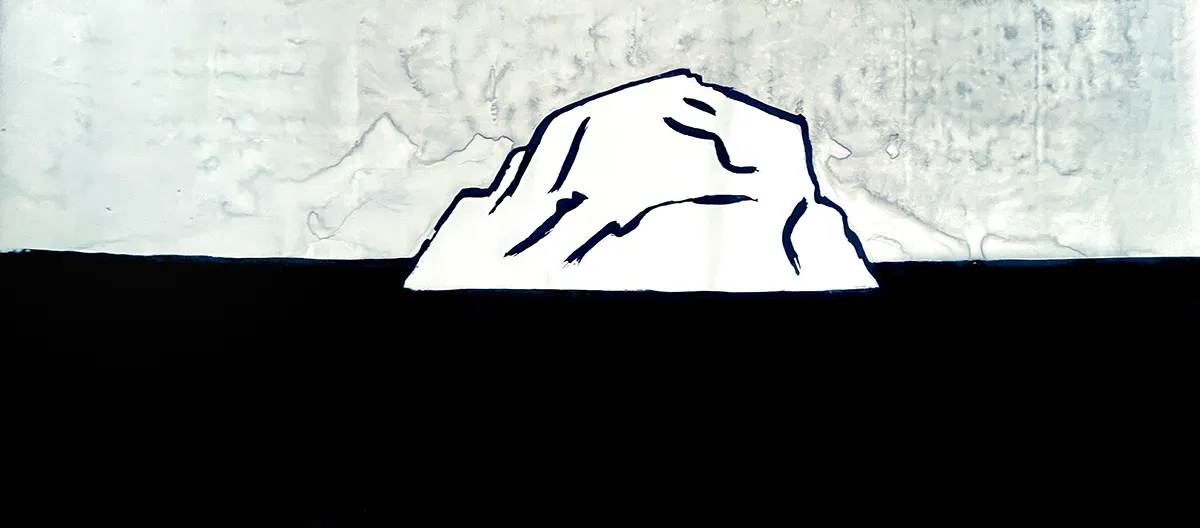
Iceberg Acid
2025
Encre sur papier
140 × 70 cm
55,1 × 27,6 in
Lac Noir Acid
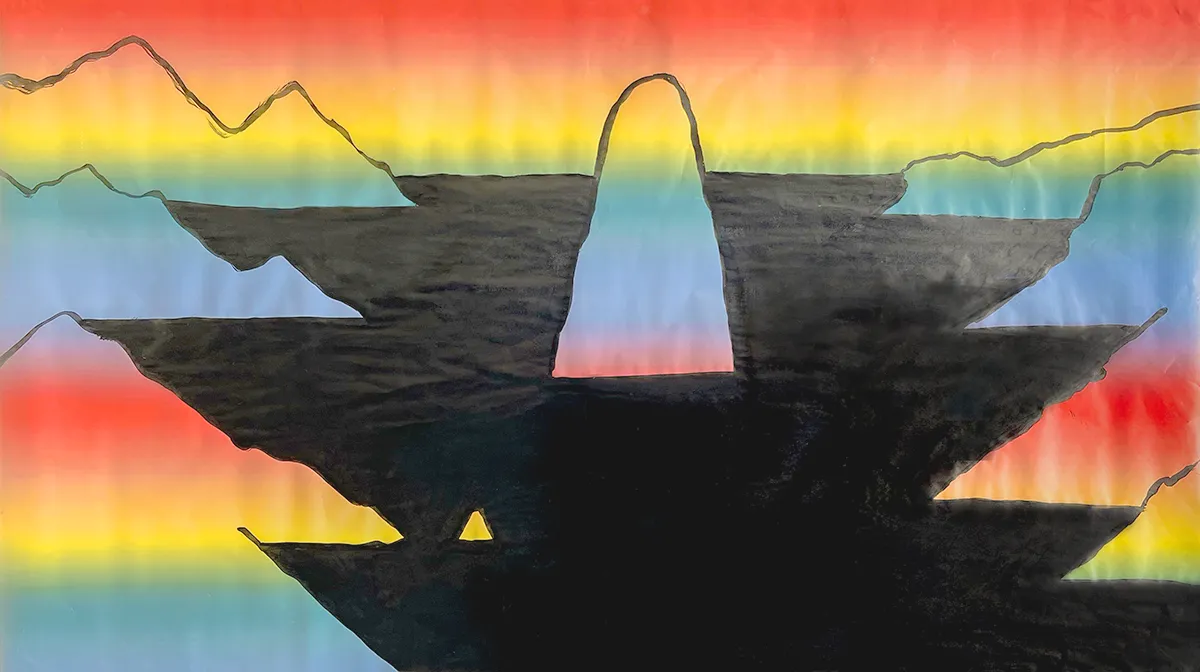
Lac noir acid
2025
Ink on paper
140 × 70 cm
55,1 × 27,6 in
Plantes en pot
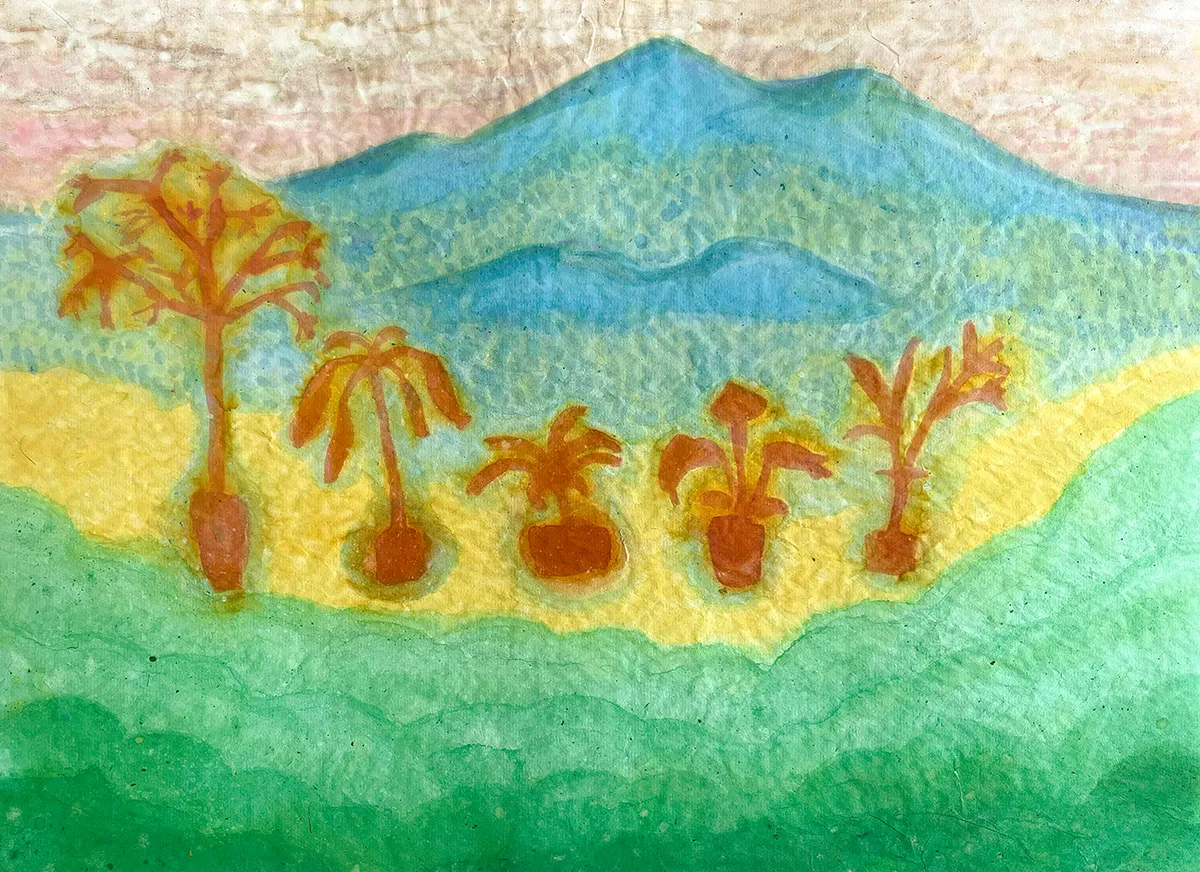
Plantes en pot
2025
Watercolor on paper
31,5 x 23,5 cm
12,40 × 9,25 in
Palmiers en pot
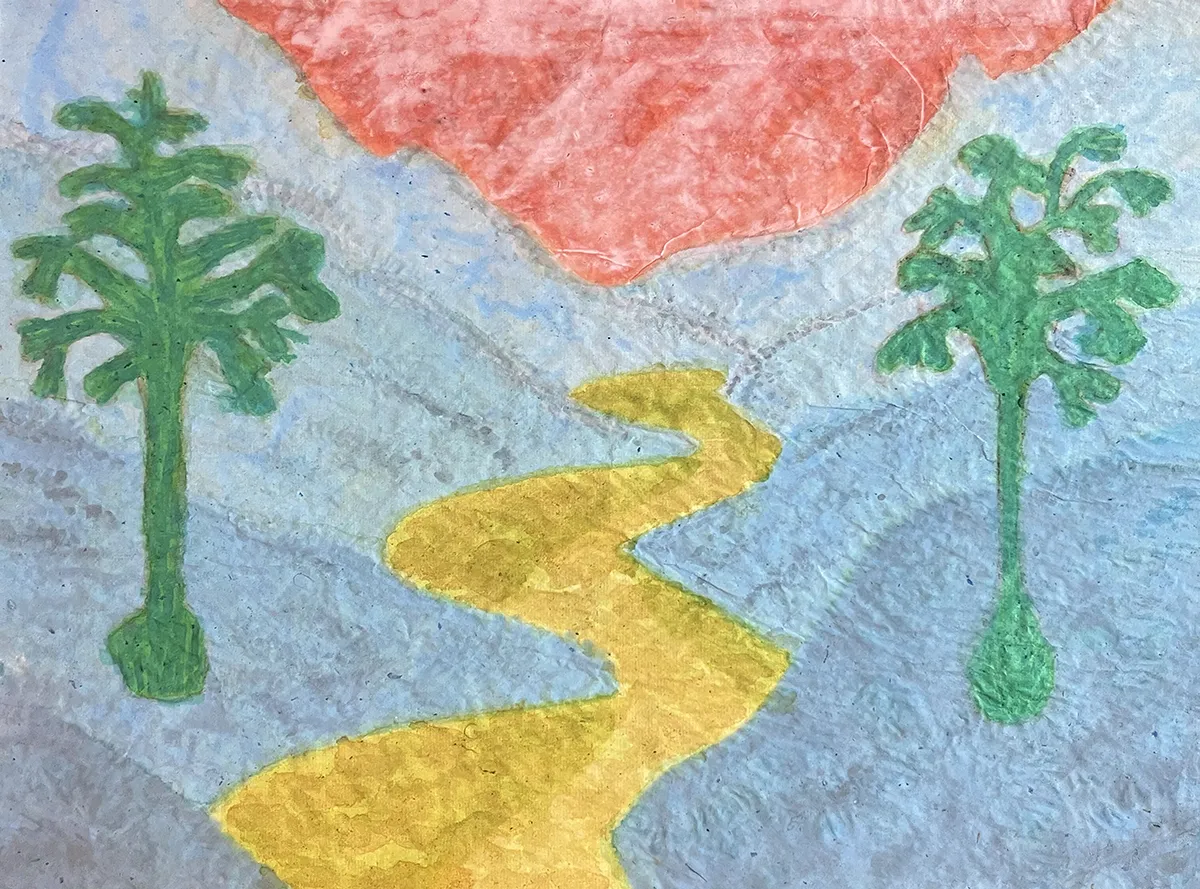
Palmiers en pot
2025
Watercolor on paper
31,5 x 23,5 cm
12,40 × 9,25 in
Bac à fleurs
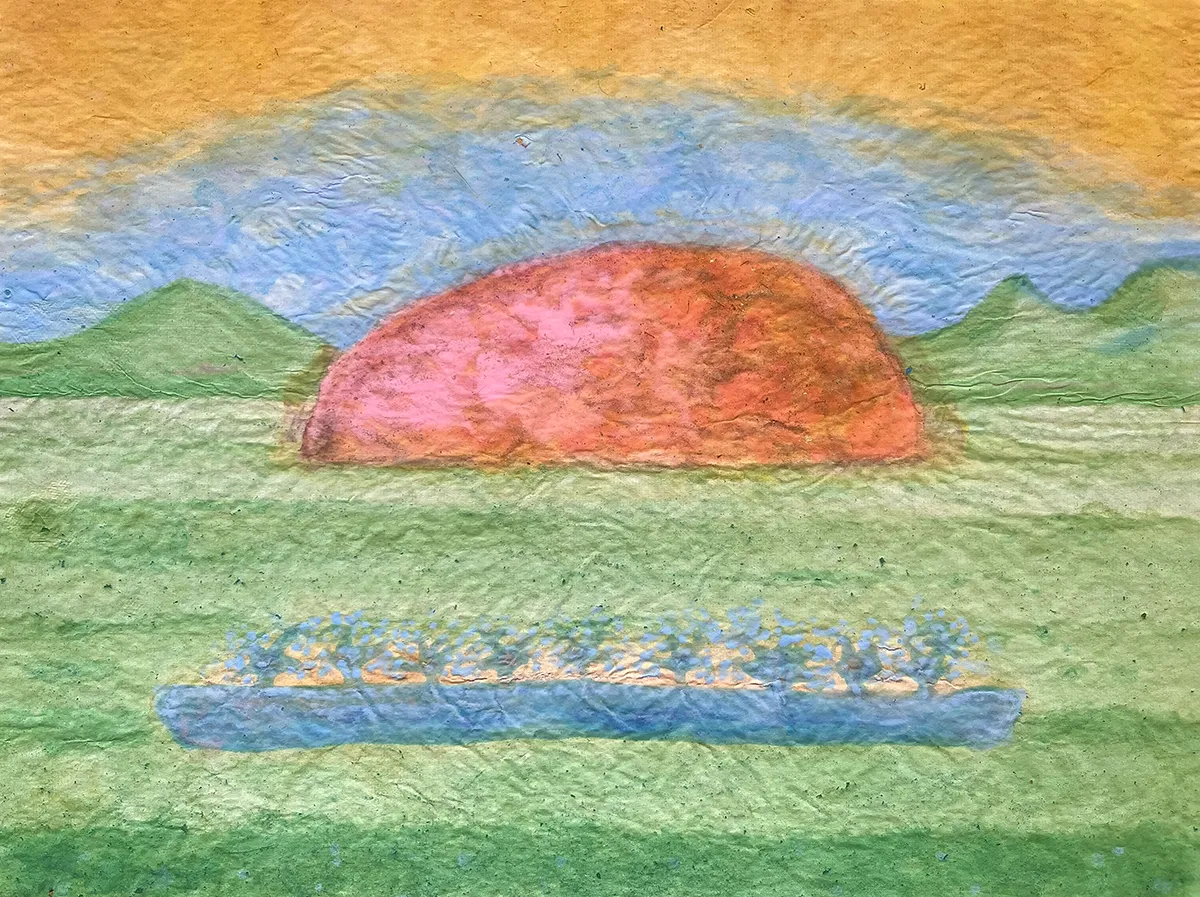
Bac à fleurs
2025
Watercolor on paper
31,5 x 23,5 cm
12,40 × 9,25 in
Arbustes
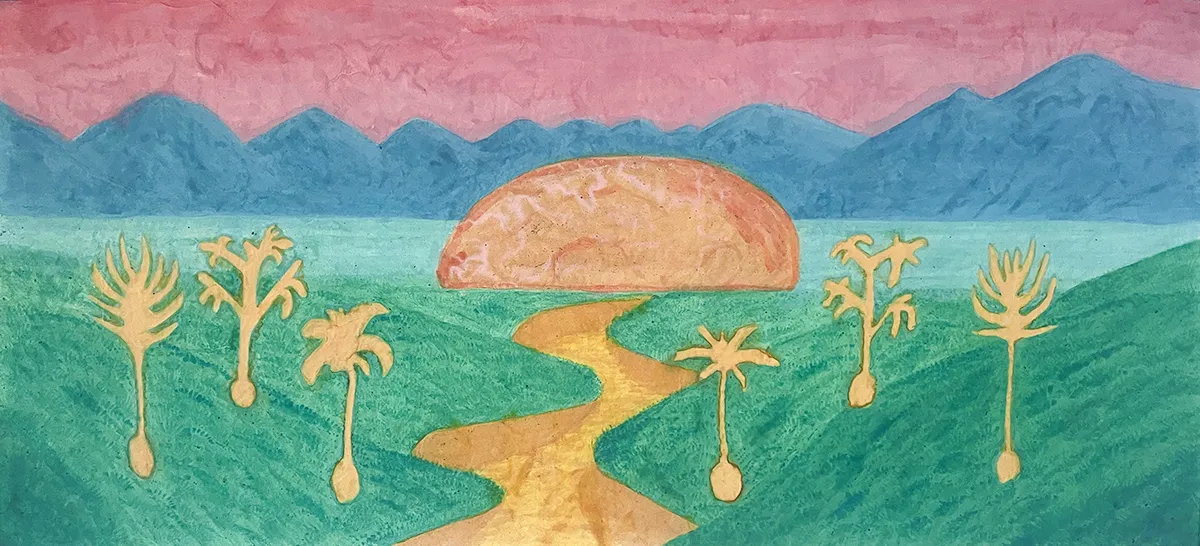
Arbustes
2024
Watercolor on paper
45 x 100 cm
17,7 x 39,3 in
2024
La Grèce
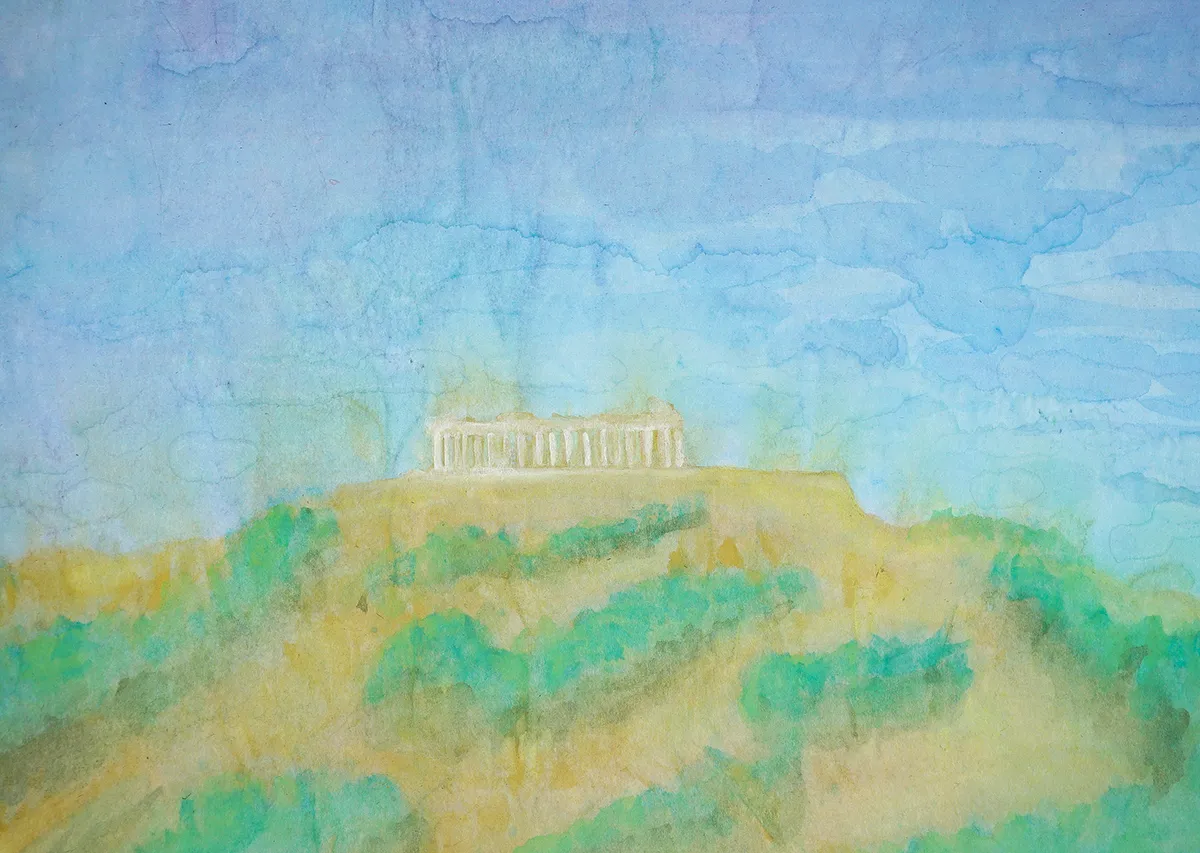
La Grèce
2024
Watercolor on paper
45 × 30 cm
17.7 × 11.8 in
Paysage Froissé
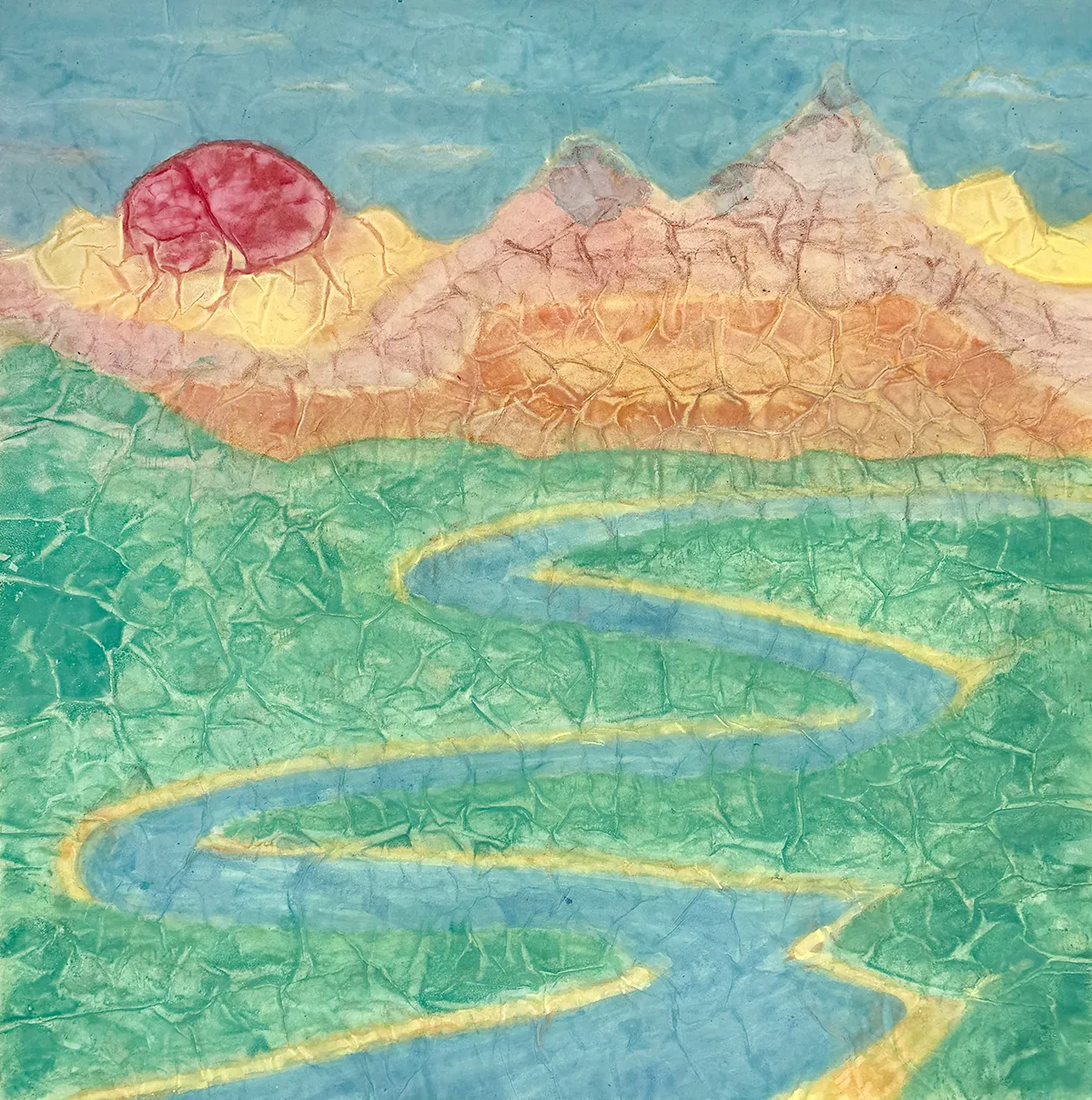
Paysage Froissé
2024
Watercolor on paper
68 x 68 cm
6,7 × 26,7 in
Pont Rose
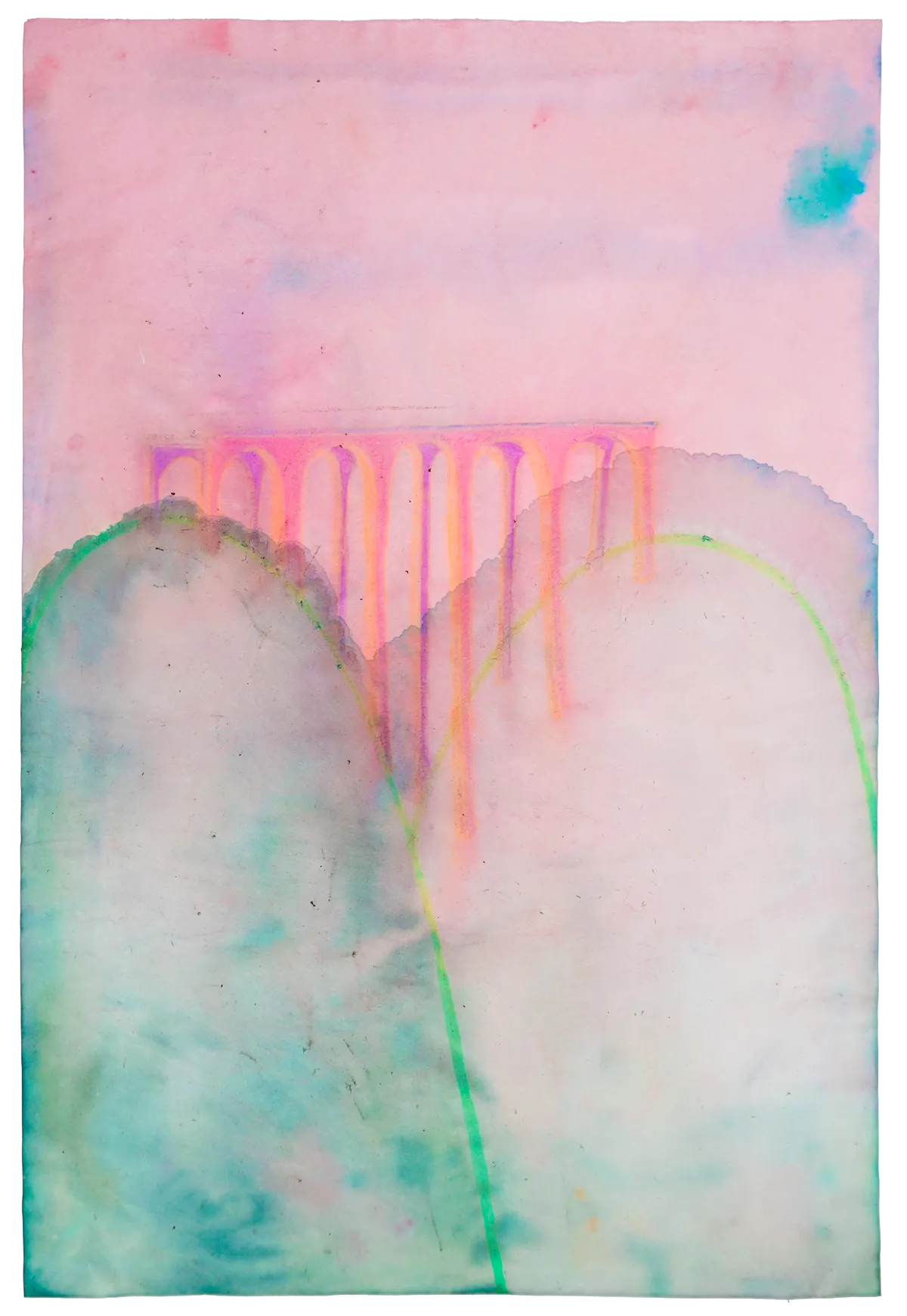
Pont Rose
2024
Watercolor on paper
45 × 30 cm
17.7 × 11.8 in
2023
Canal
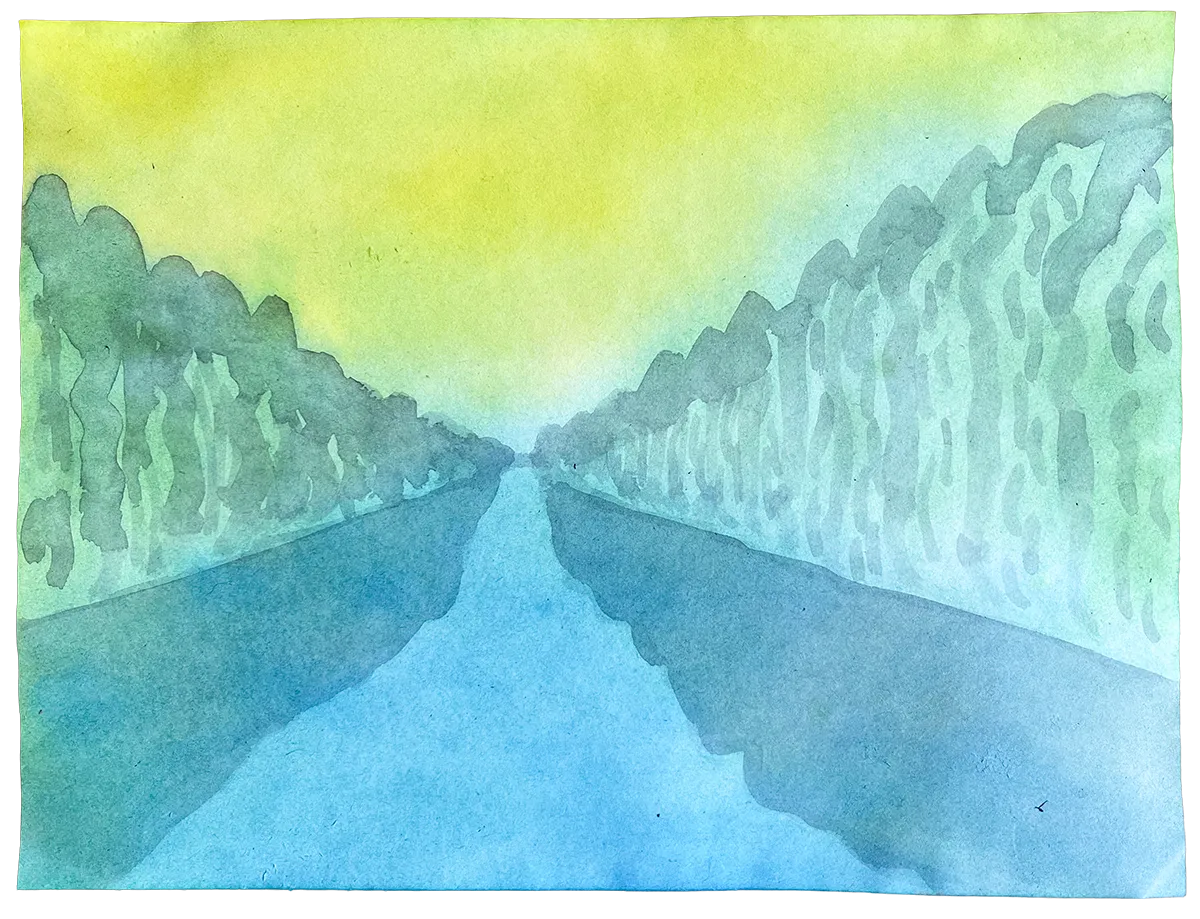
Canal
2023
Watercolor on paper
31,5 × 24 cm
12.4 × 9.5 in
Montagne Citron
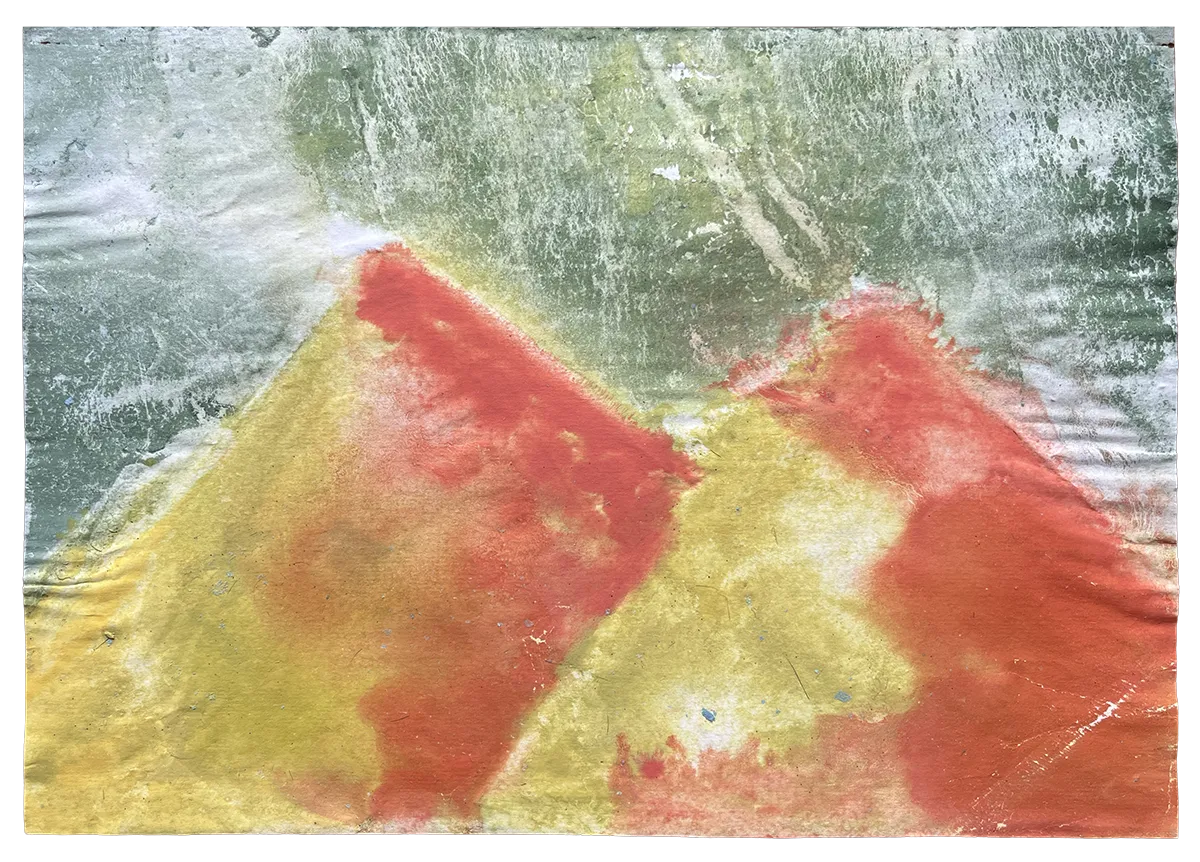
Montagne Citron
2023
Watercolor on paper
29,7 × 21 cm
11.7 × 8.3 in
Montagne Frite
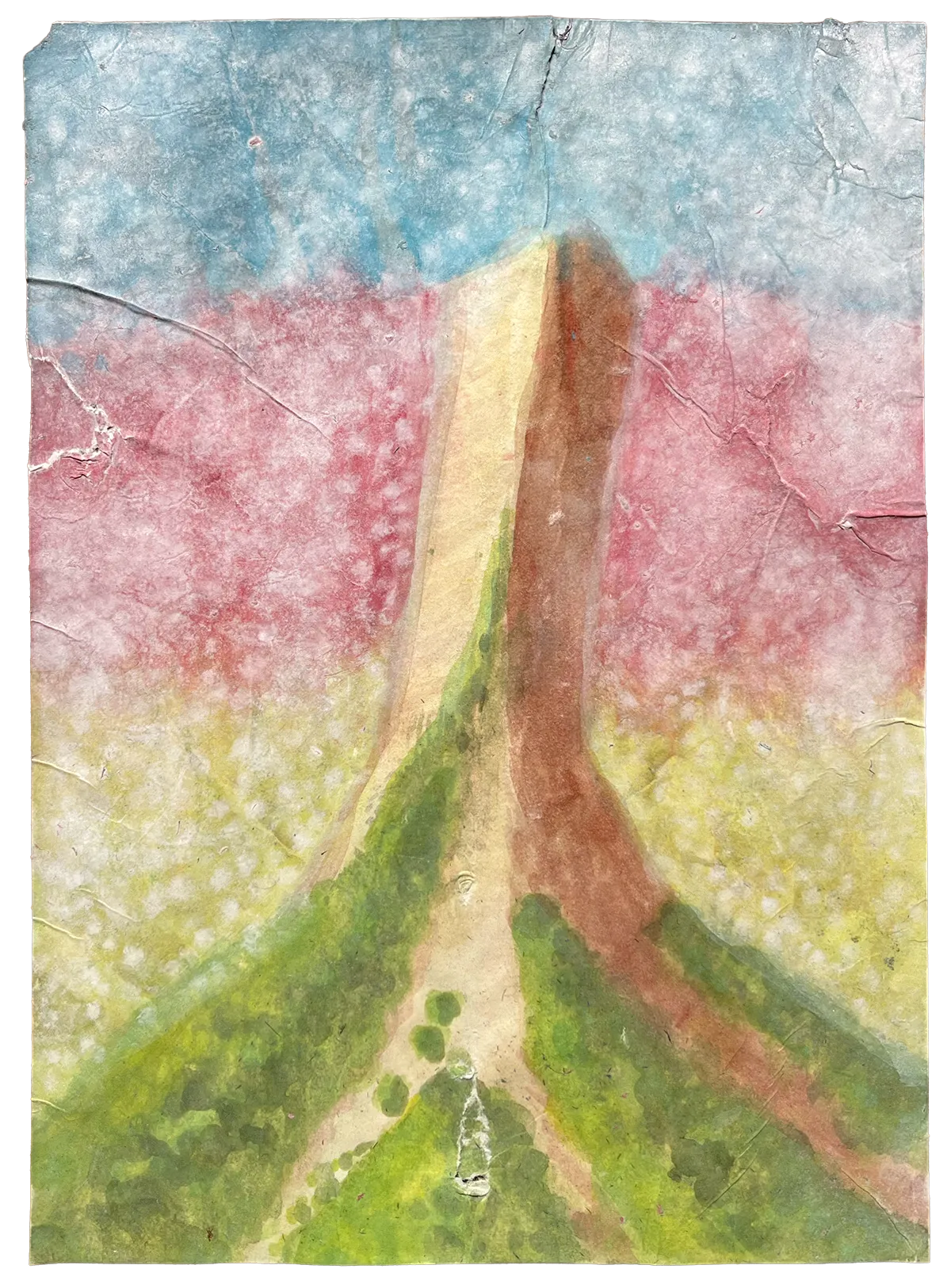
Montagne Frite
2023
Watercolor on paper
29,7 × 21 cm
11.7 × 8.3 in
Montage Noire
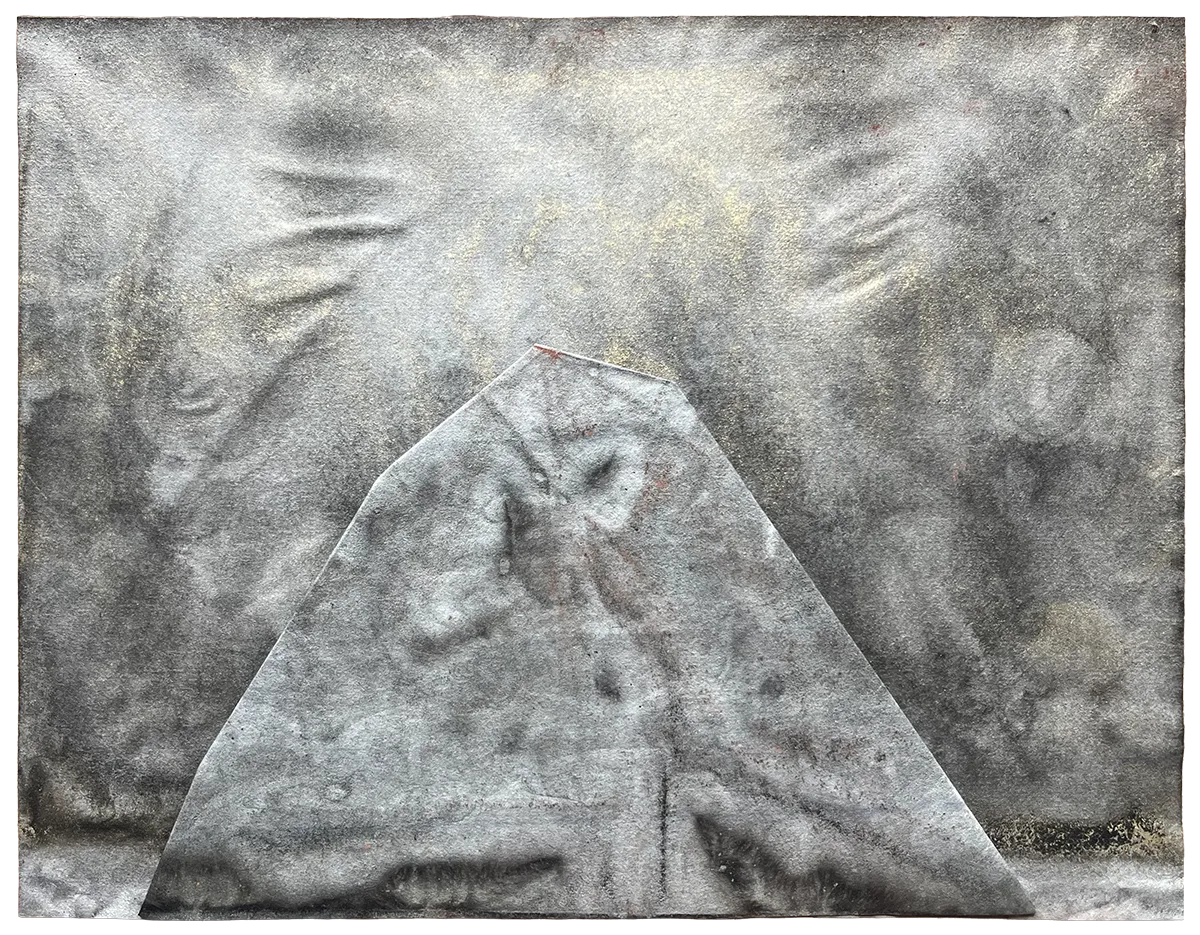
Montagne Noire
2023
Watercolor and collage on paper
23 × 29,7 cm
9.1 × 11.7 in
Montagne Vanille
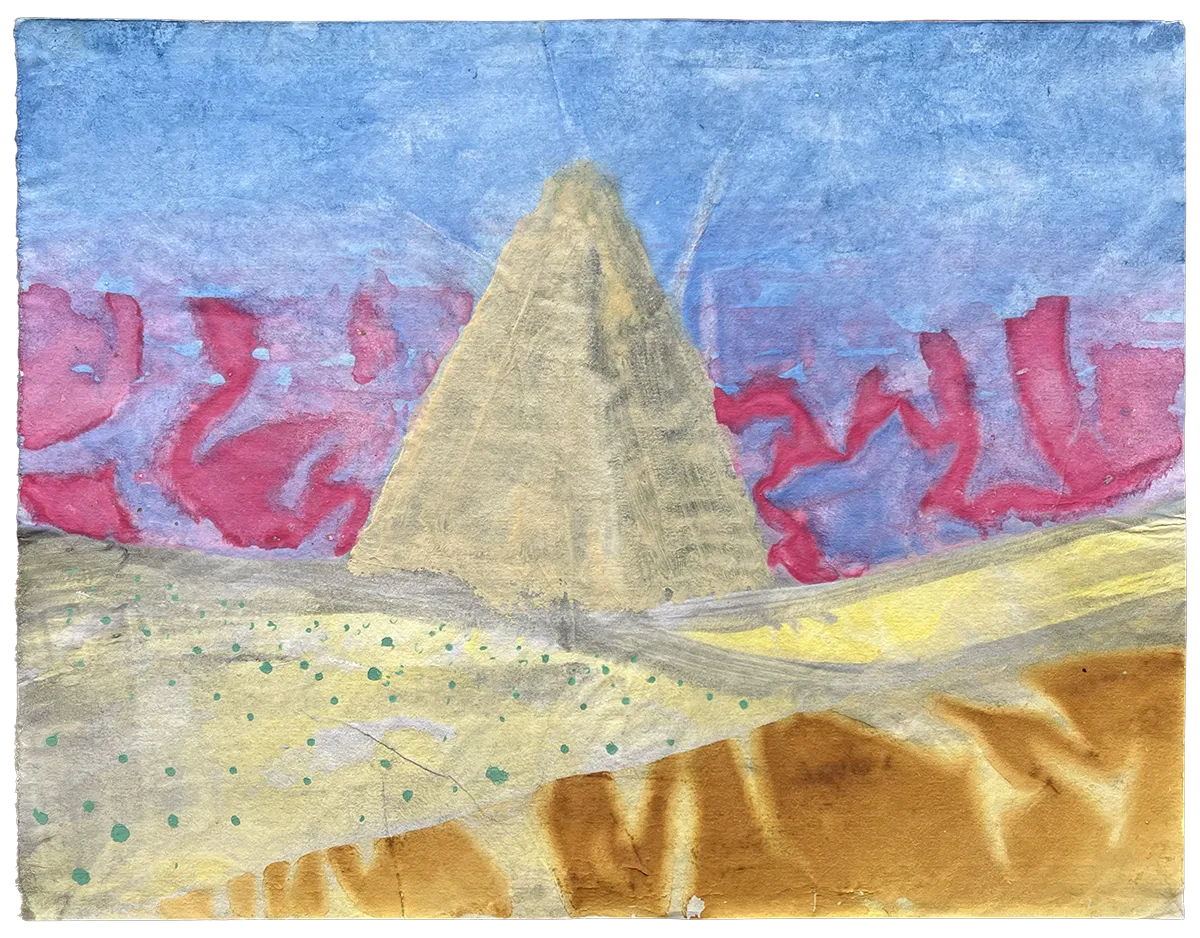
Montagne vanille
2023
Watercolor on paper
29,7 × 21 cm
11.7 × 8.3 in
Quatre Doubles Volcans
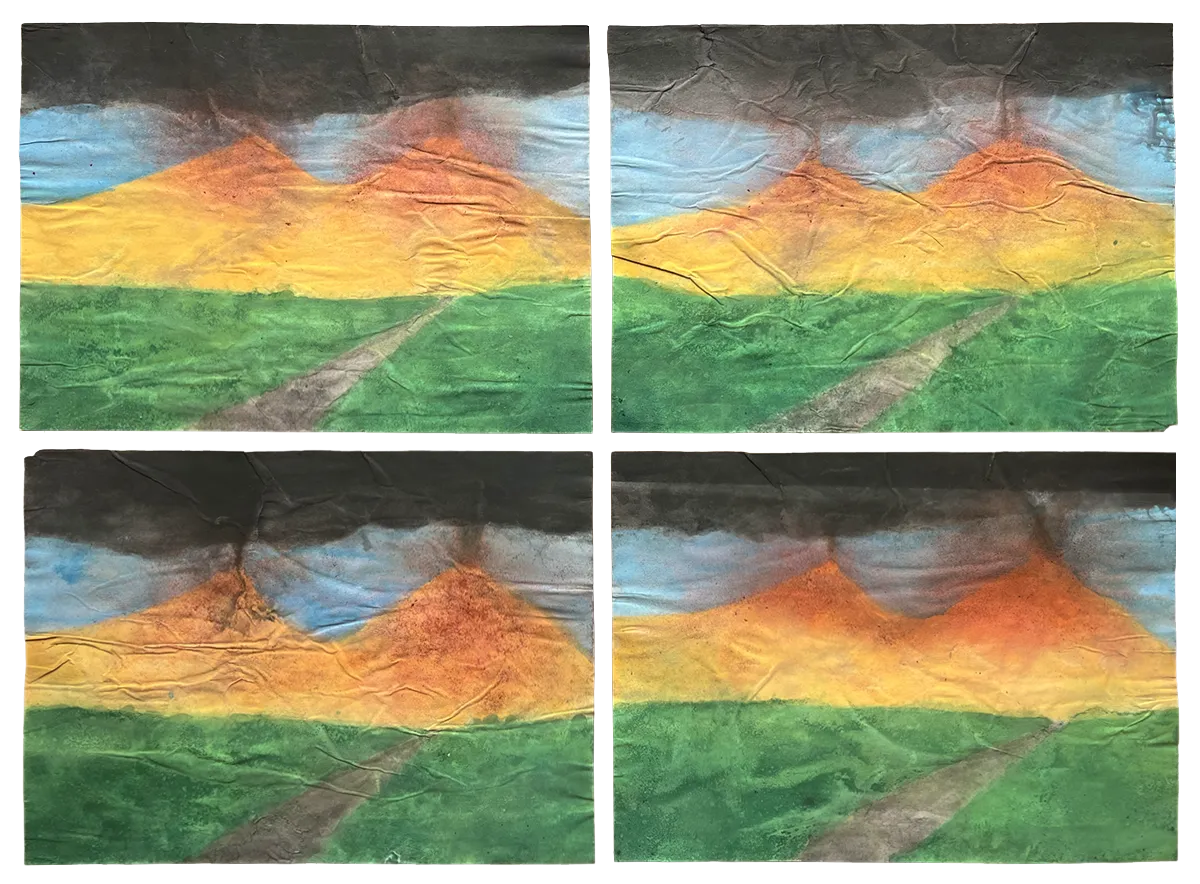
Quatre Doubles Volcans
2023
Watercolor on paper
23 × 29,7 cm
9.1 × 11.7 in
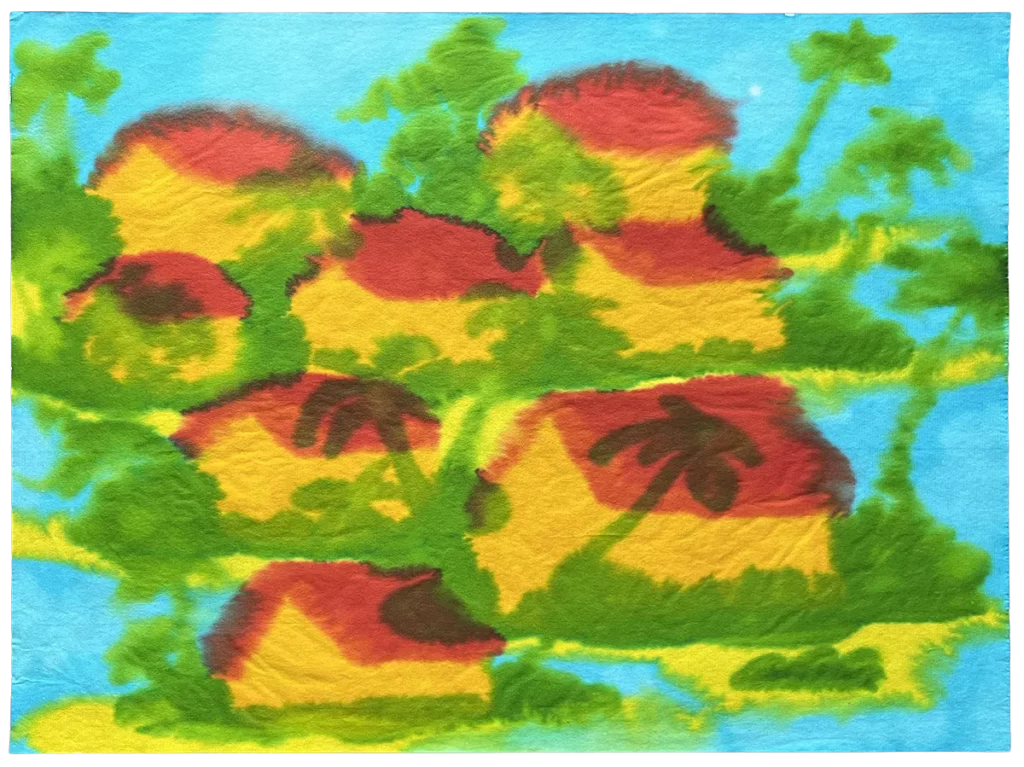
Six Cabanes
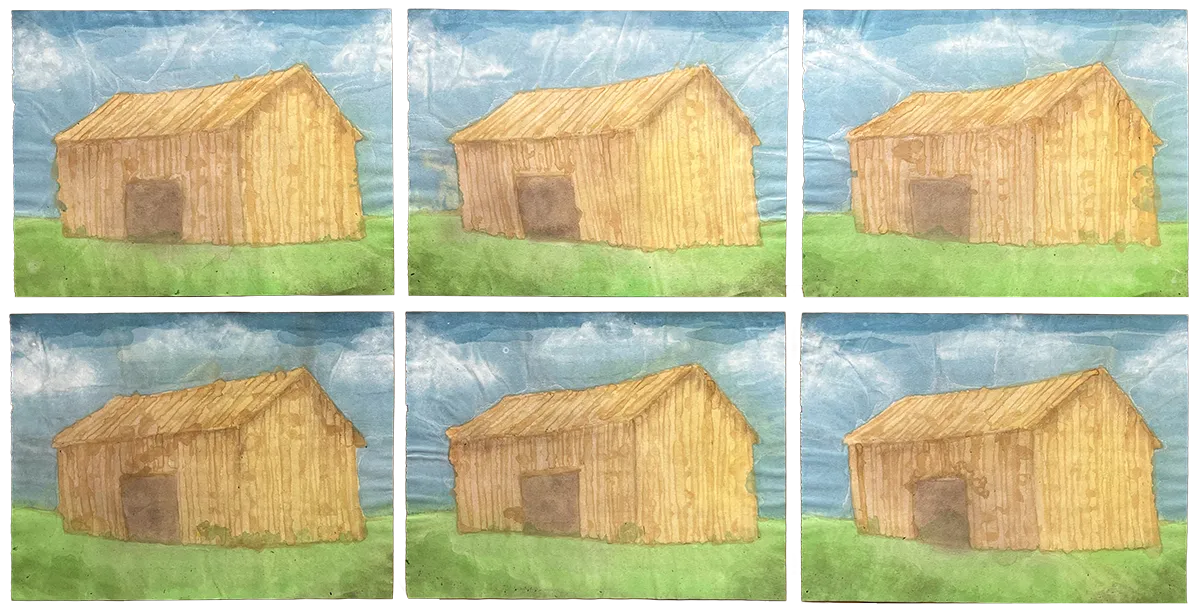
Six Cabanes
2023
Watercolor on paper
23 × 29,7 cm
9.1 × 11.7 in
2022
Banane
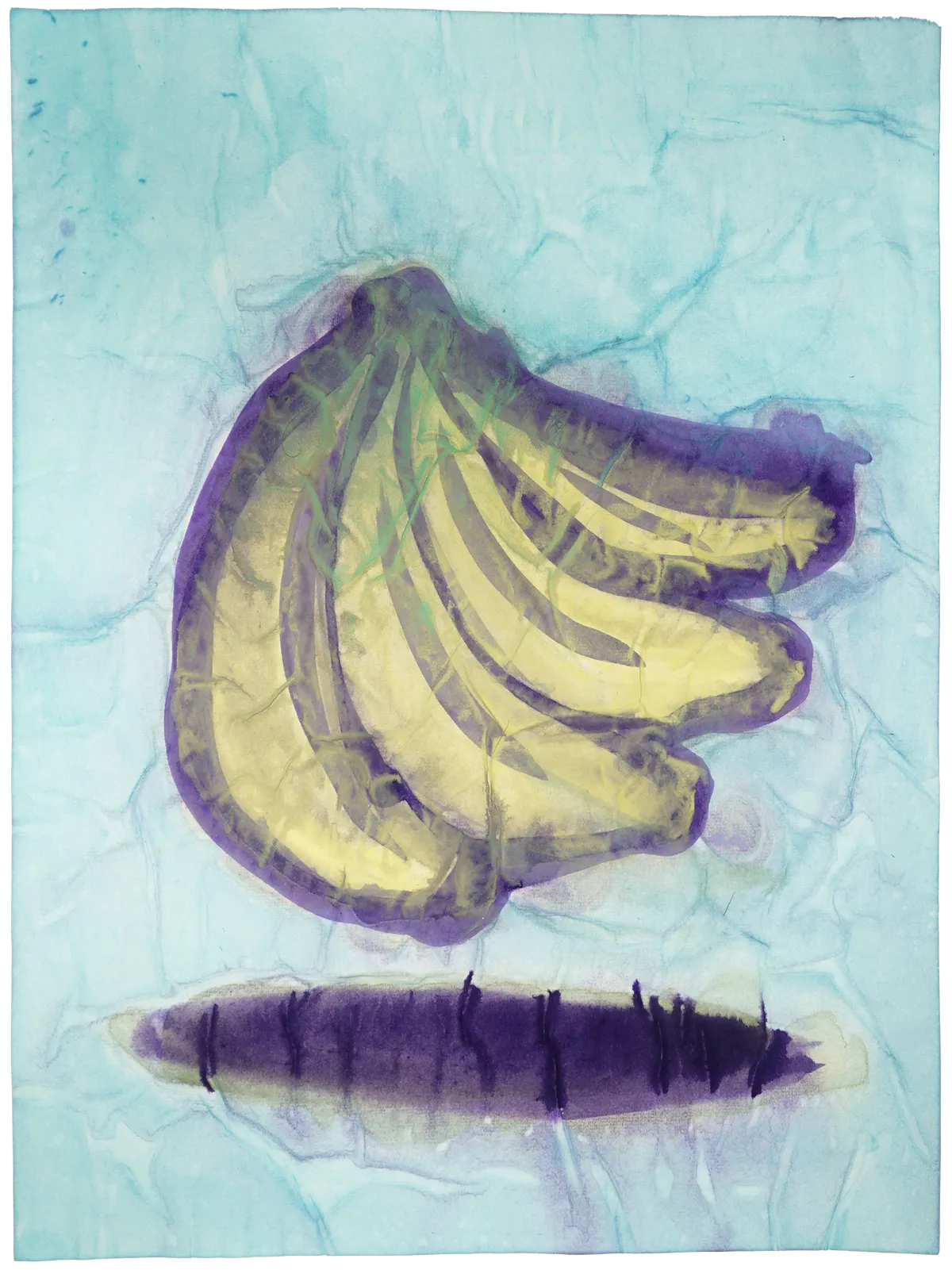
Banane
2022
Ink on paper
32 x 24 cm
12.5 × 9.5 in
Fleur
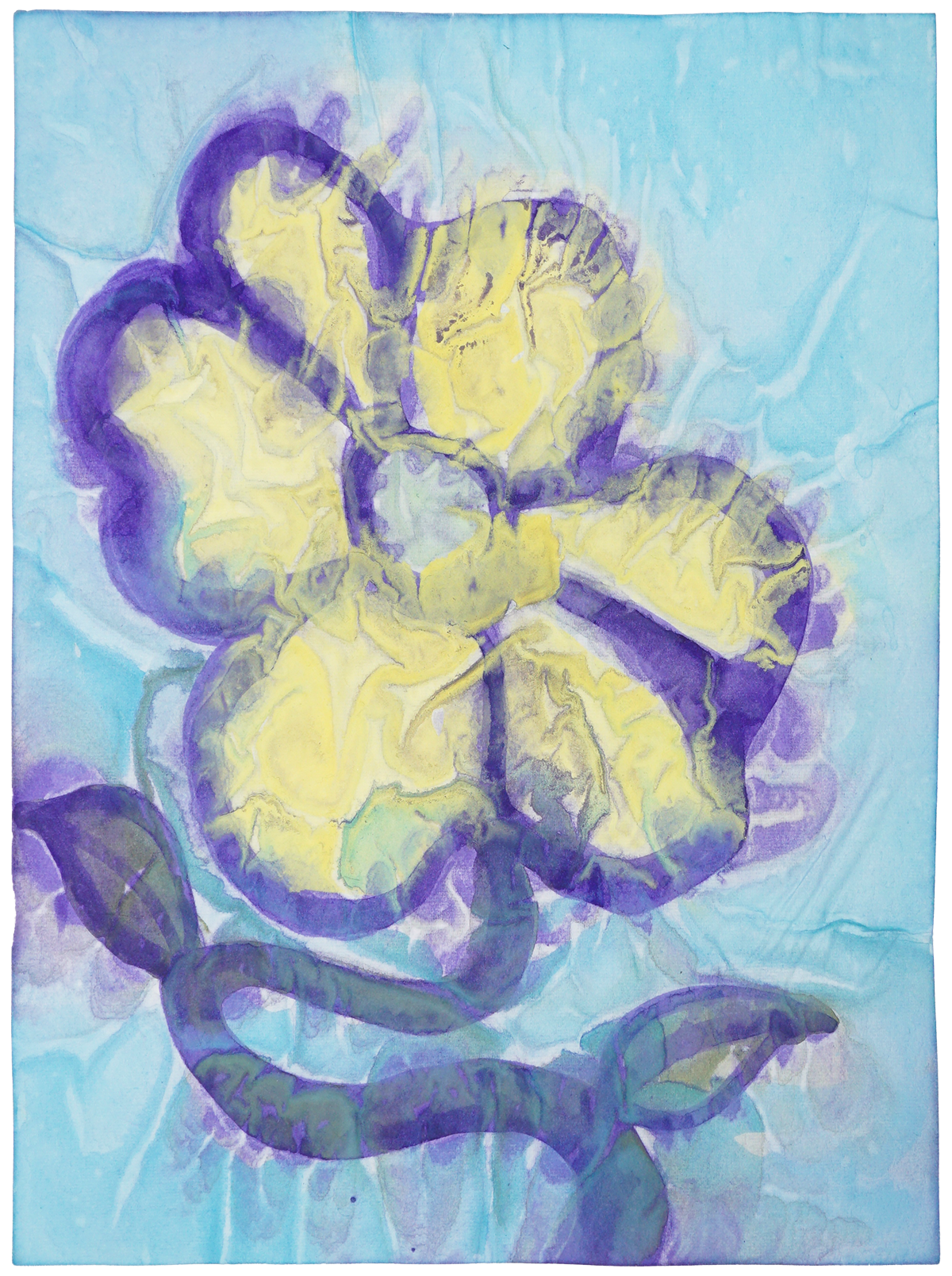
Fleur
2022
Ink on paper
32 x 24 cm
12.5 × 9.5 in
Maïs
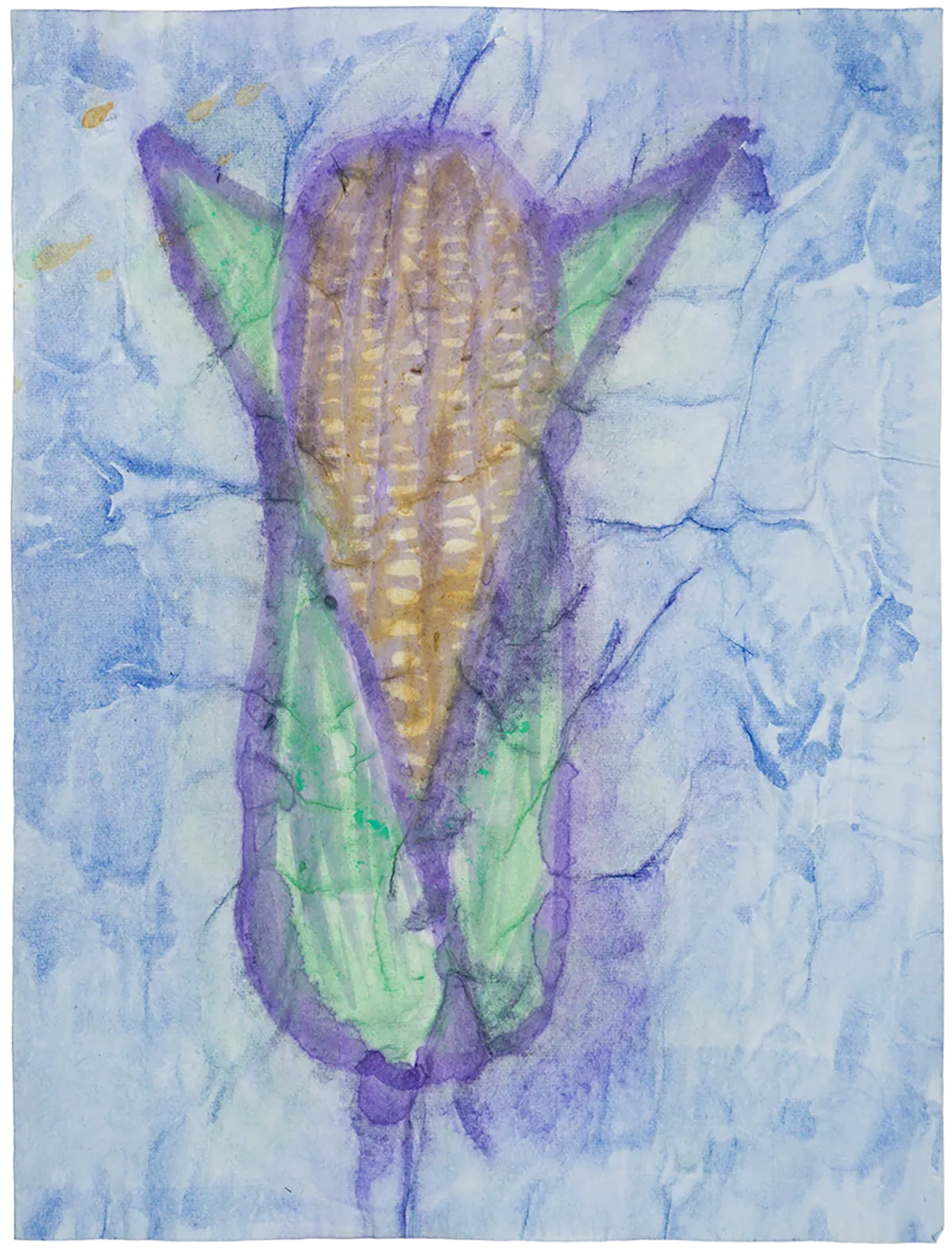
Maïs
2022
Ink on paper
32 x 24 cm
12.5 × 9.5 in
Verre
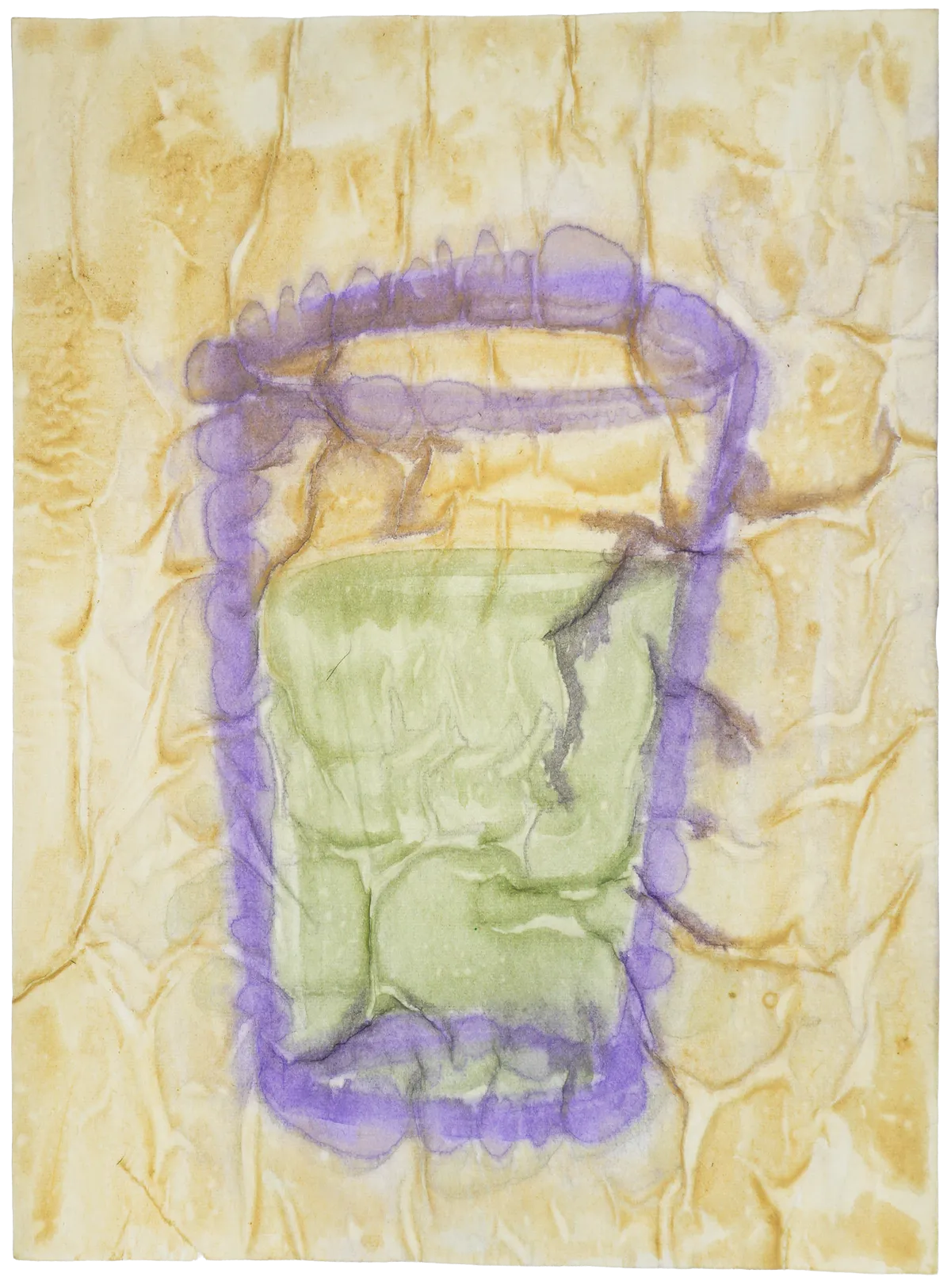
Verre
2022
Ink on paper
32 x 24 cm
12.5 × 9.5 in
2021
Arbres du matin
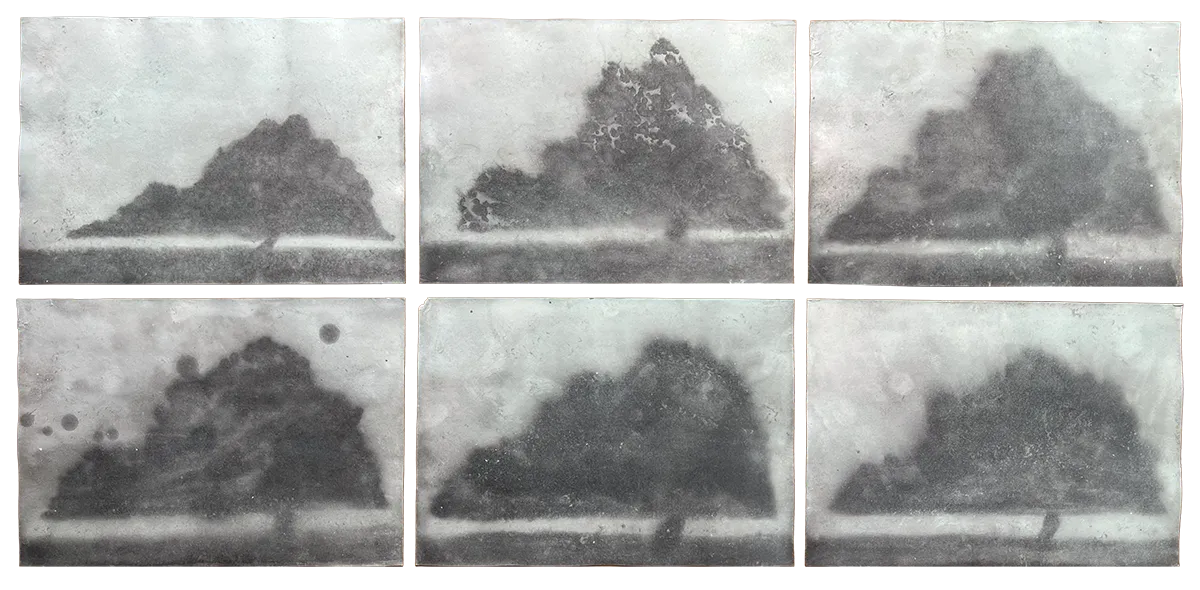
Arbres du Matin
2021
Watercolor on paper
29,7 × 21 cm
11.7 × 8.3 in
Arbres rouges
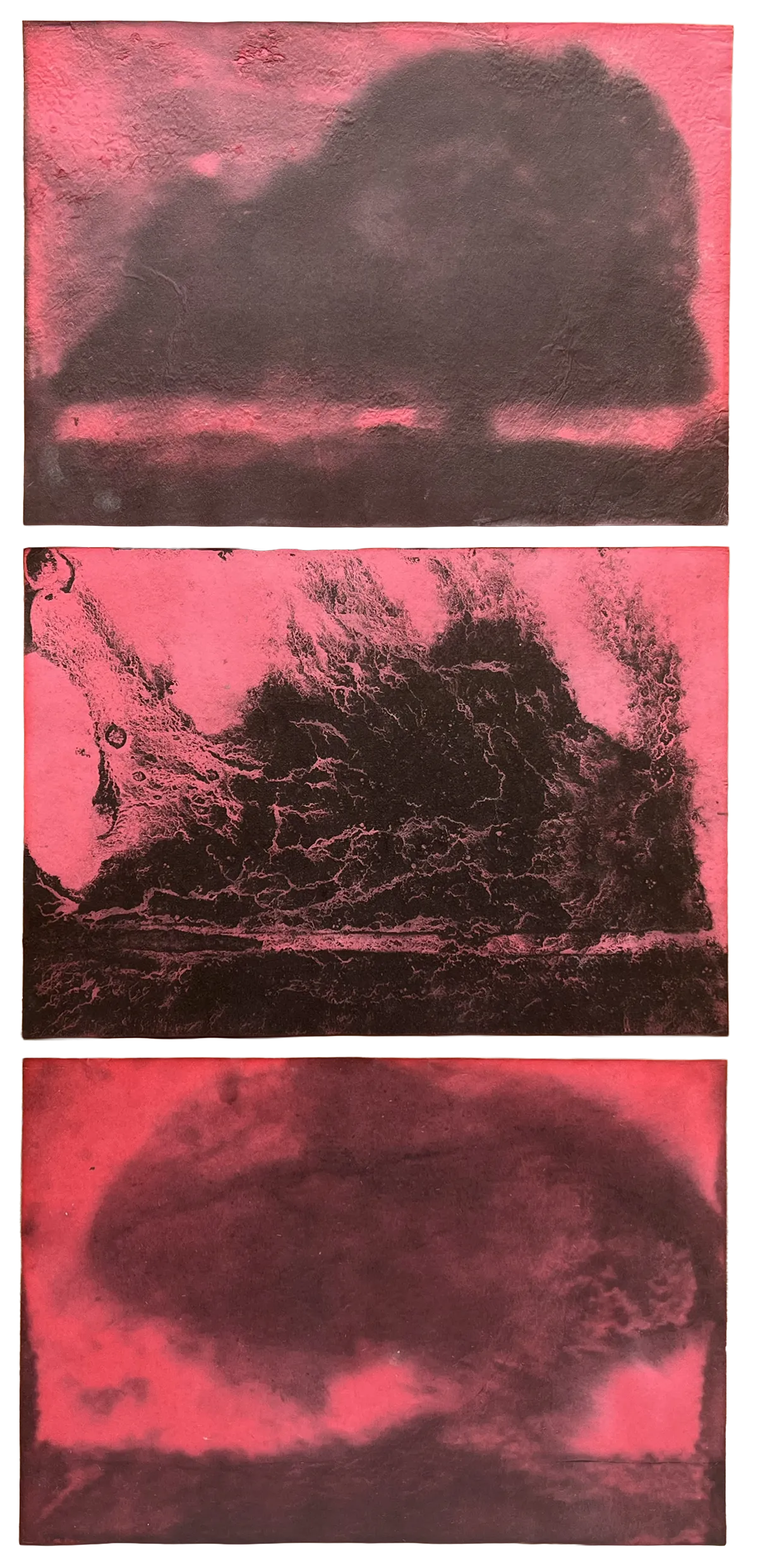
Arbres Rouges
2021
Watercolor on paper
29,7 × 21 cm
11.7 × 8.3 in
Buildings
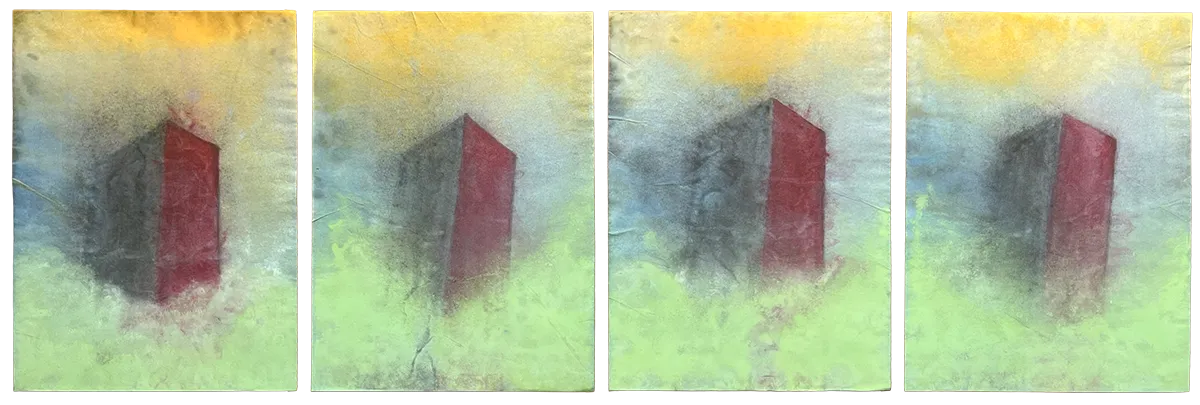
Buildings (x4)
2021
Watercolor on paper
30 × 23 cm
11.8 × 9.1 in
Ciel Rouge
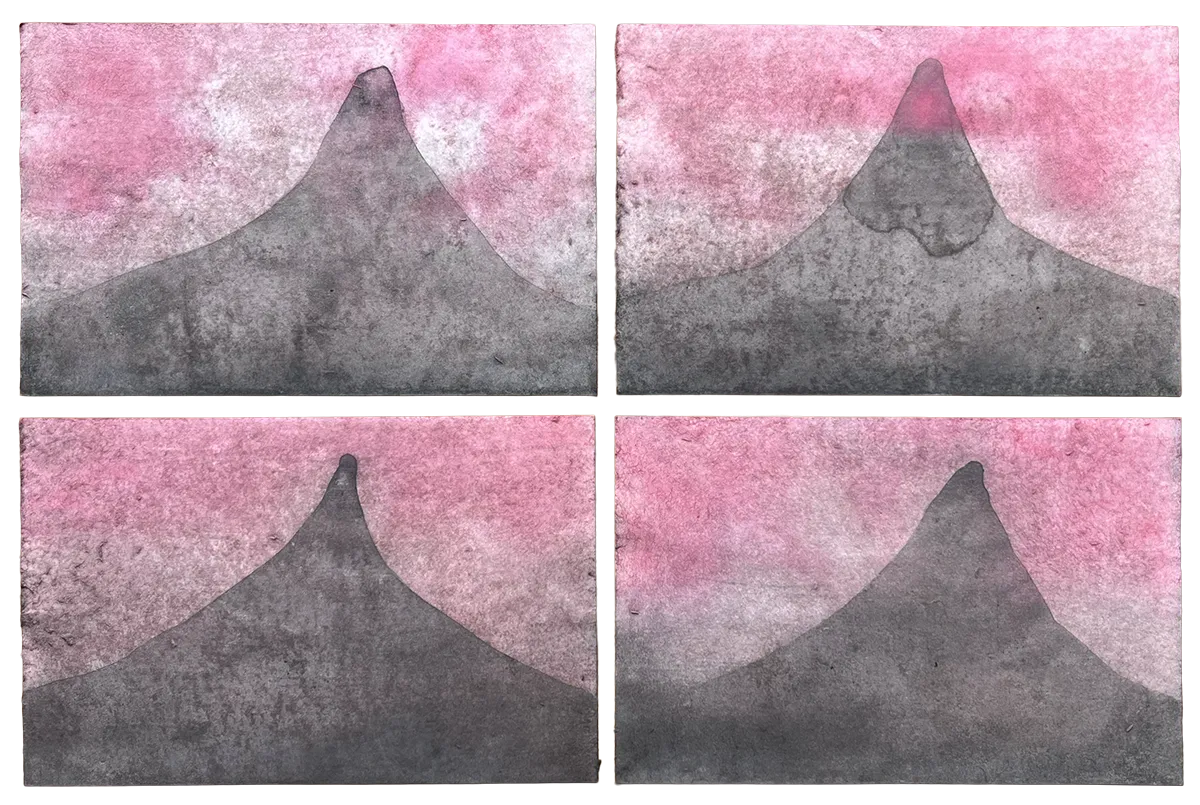
Ciel Rouge (x4)
2021
Watercolor on paper
20 × 12,5 cm
7,87 × 4,92 in
Montagne décolletée
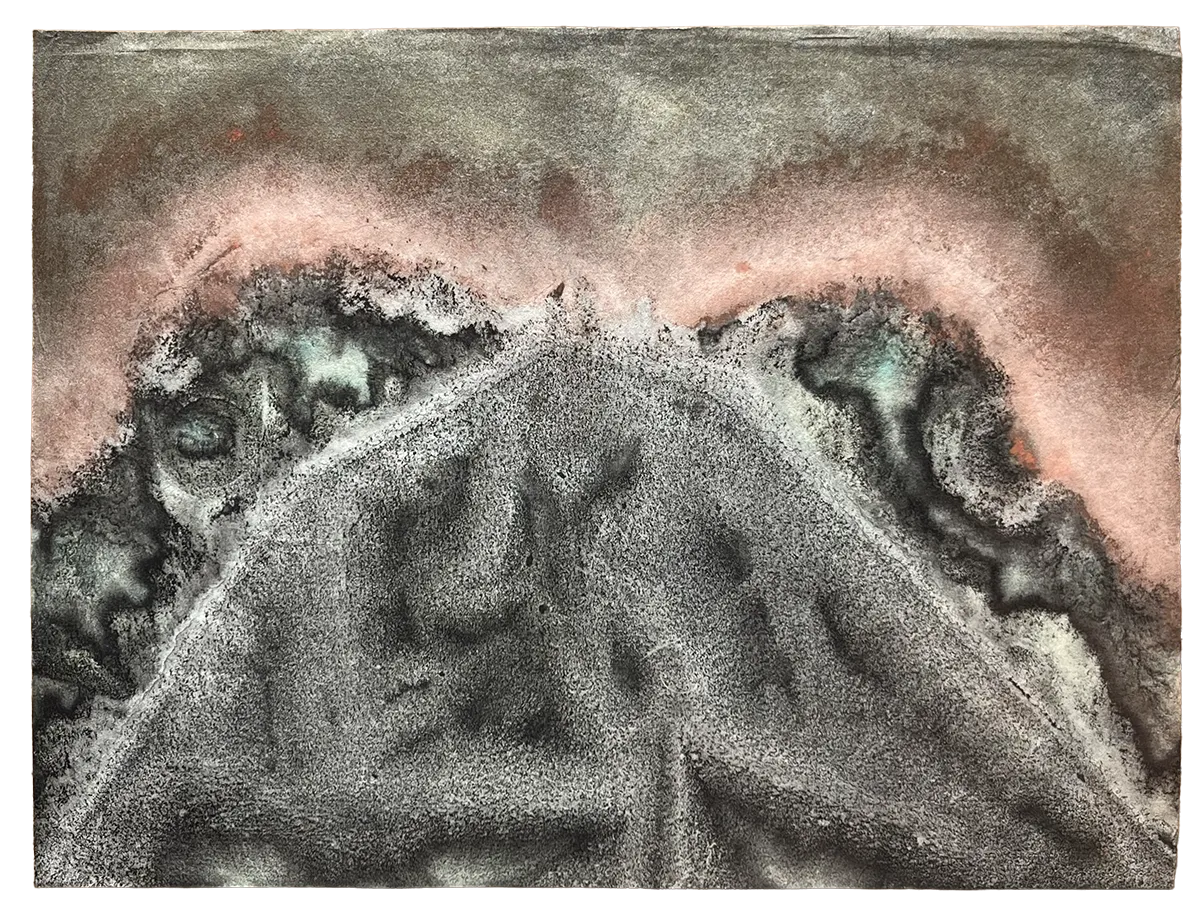
Montagne decolletée
2021
Ink on paper
32 x 24 cm
12.5 × 9.5 in
Prix
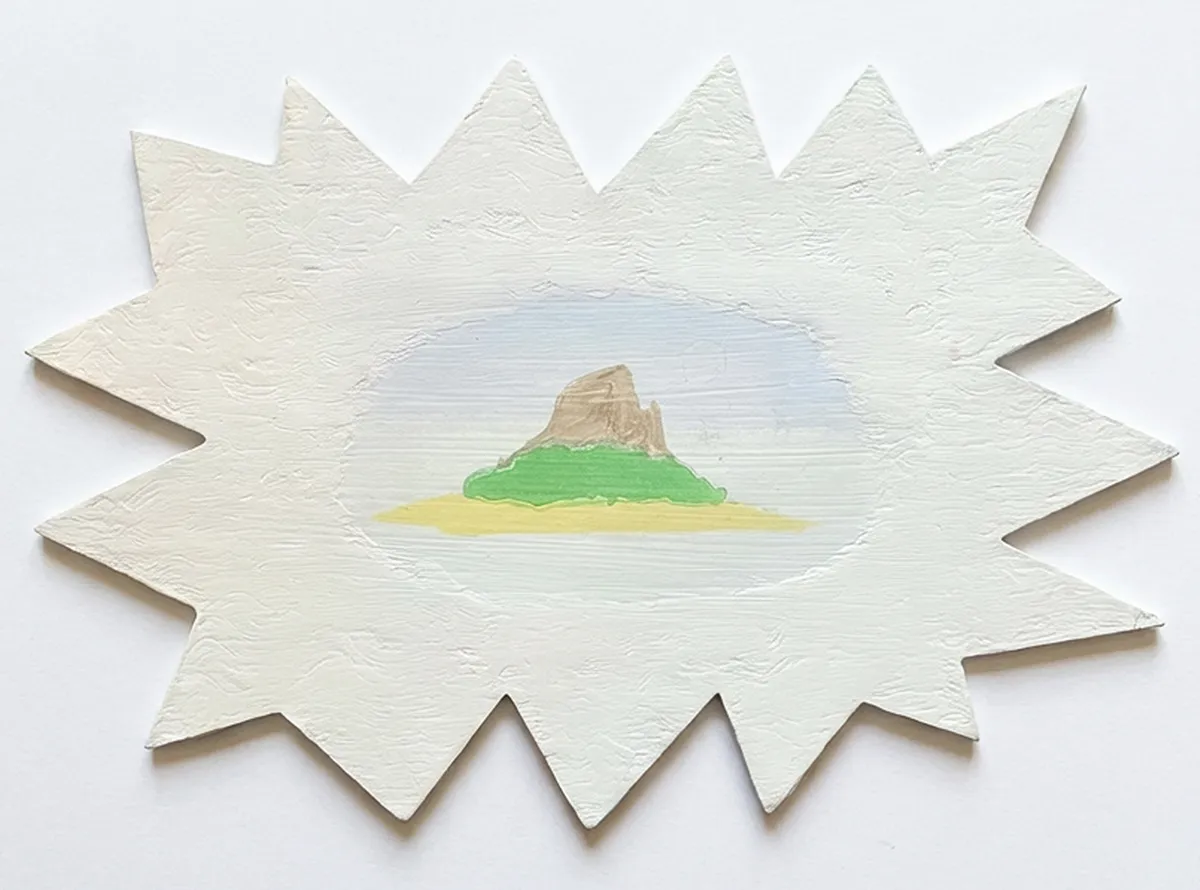
Prix
2021
Watercolor on paper
24 × 17 cm
9.45 × 6.69 in
Route et Rivière Rouges
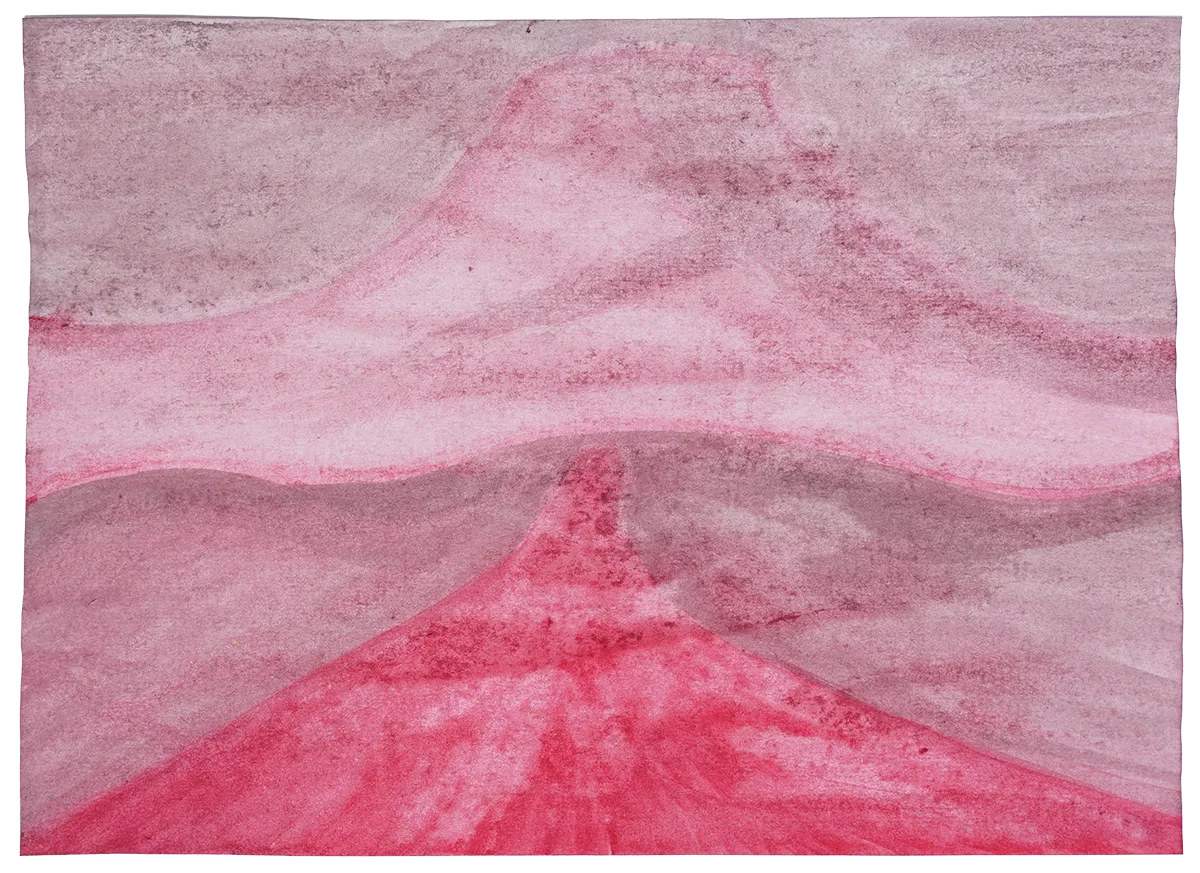
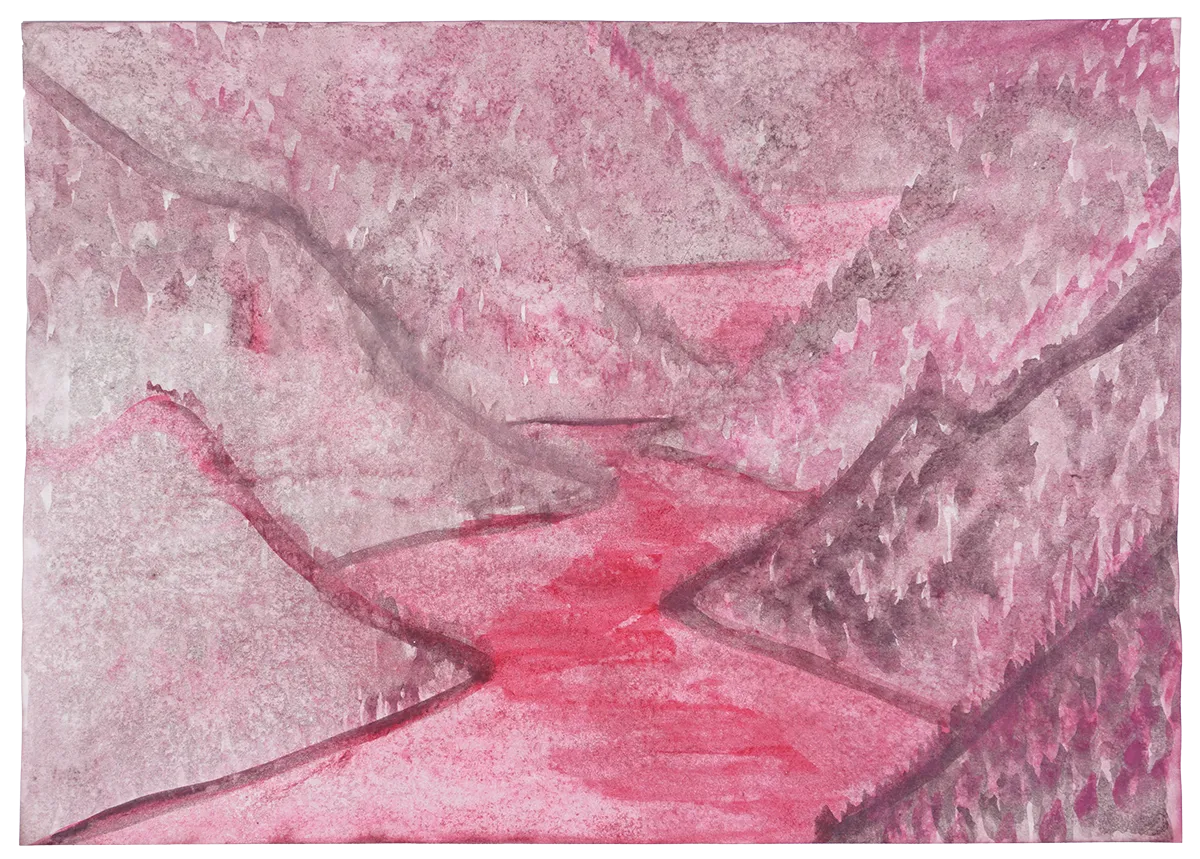
Route et Rivière Rouges (x2)
2021
Watercolor on paper
29,7 × 21 cm
11.7 × 8.3 in
Sexe
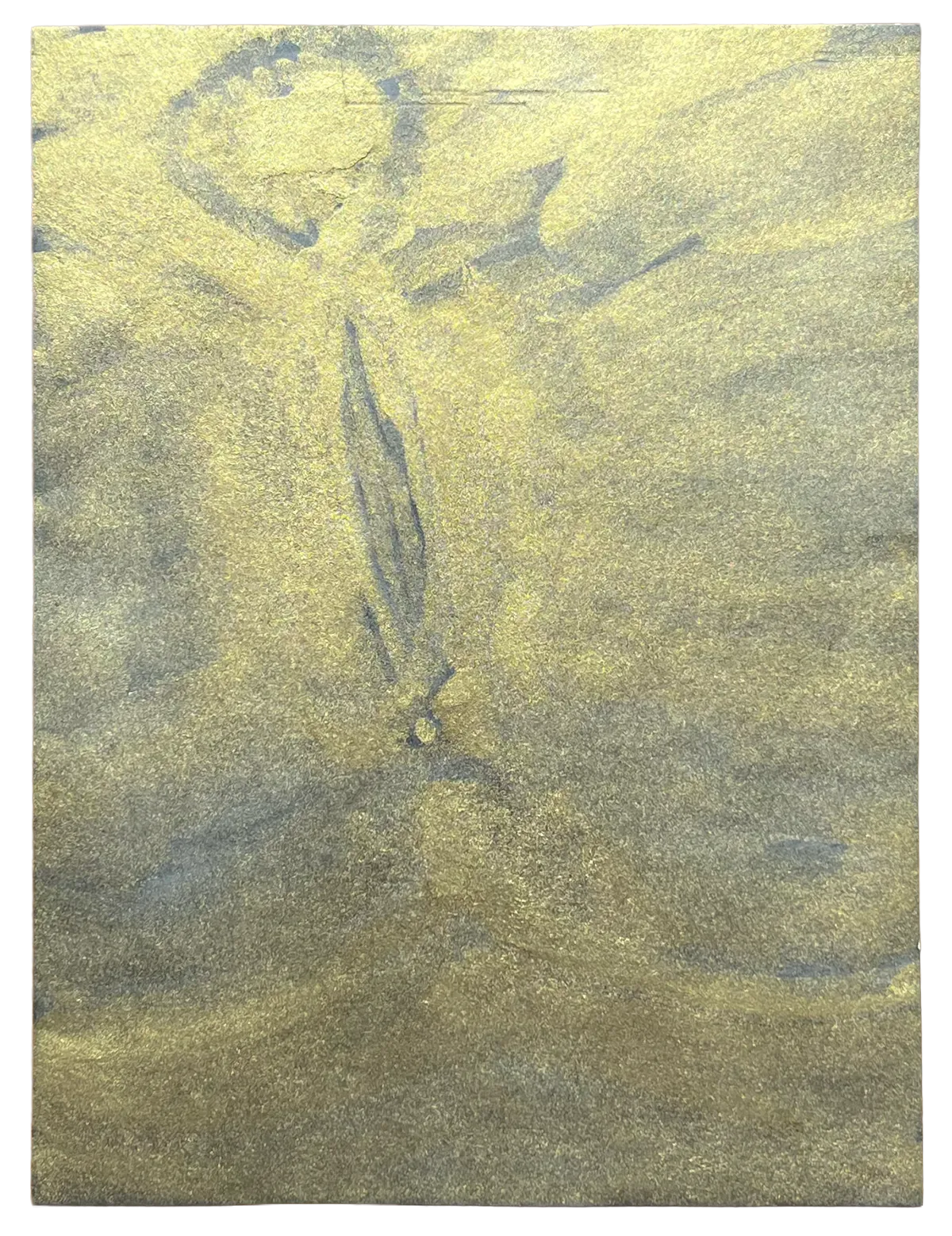
Sexe
2021
Ink on paper
16 × 21 cm
6.3 × 8.3 in
2020
Doubles rivières
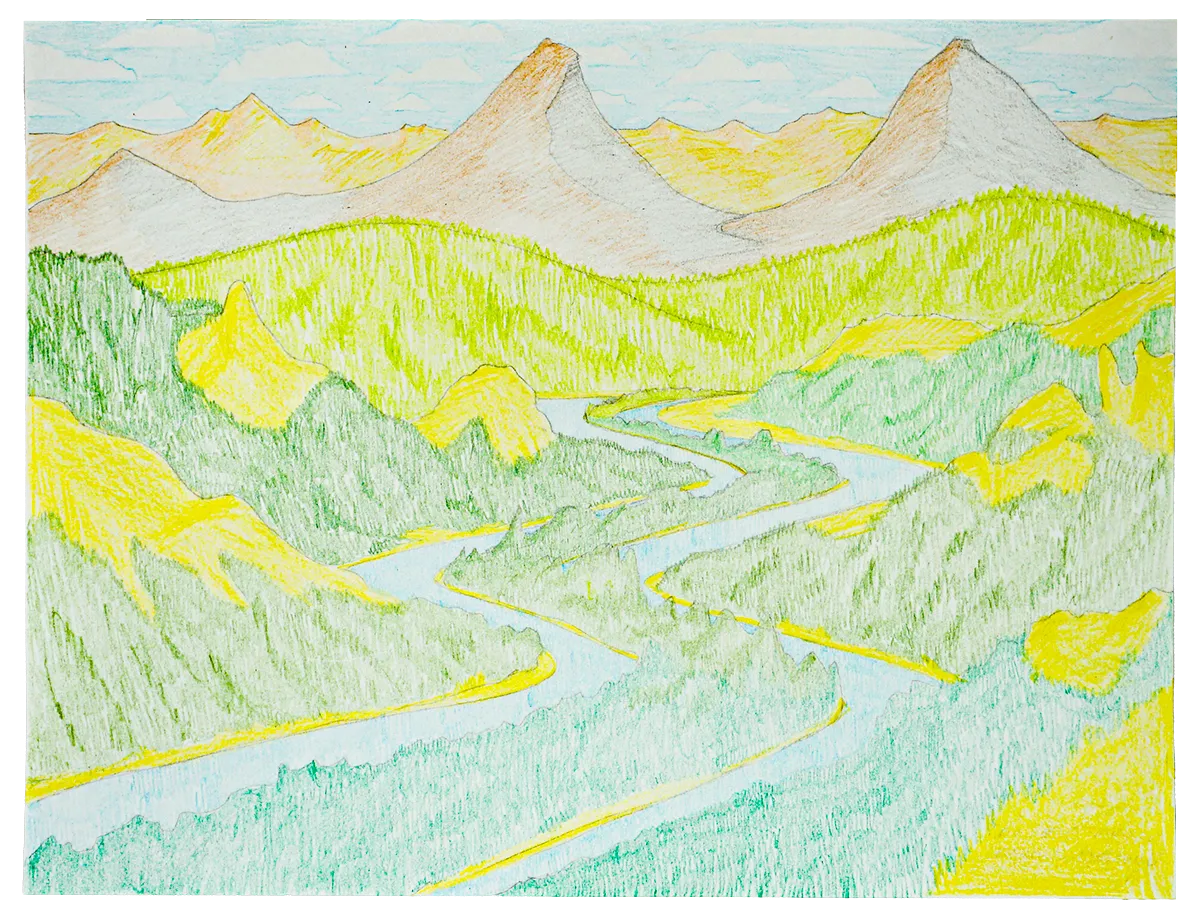
Doubles rivières
2020
Pencil on paper
27,5 × 21 cm
10.8 × 8.3 in
Grand Cactus
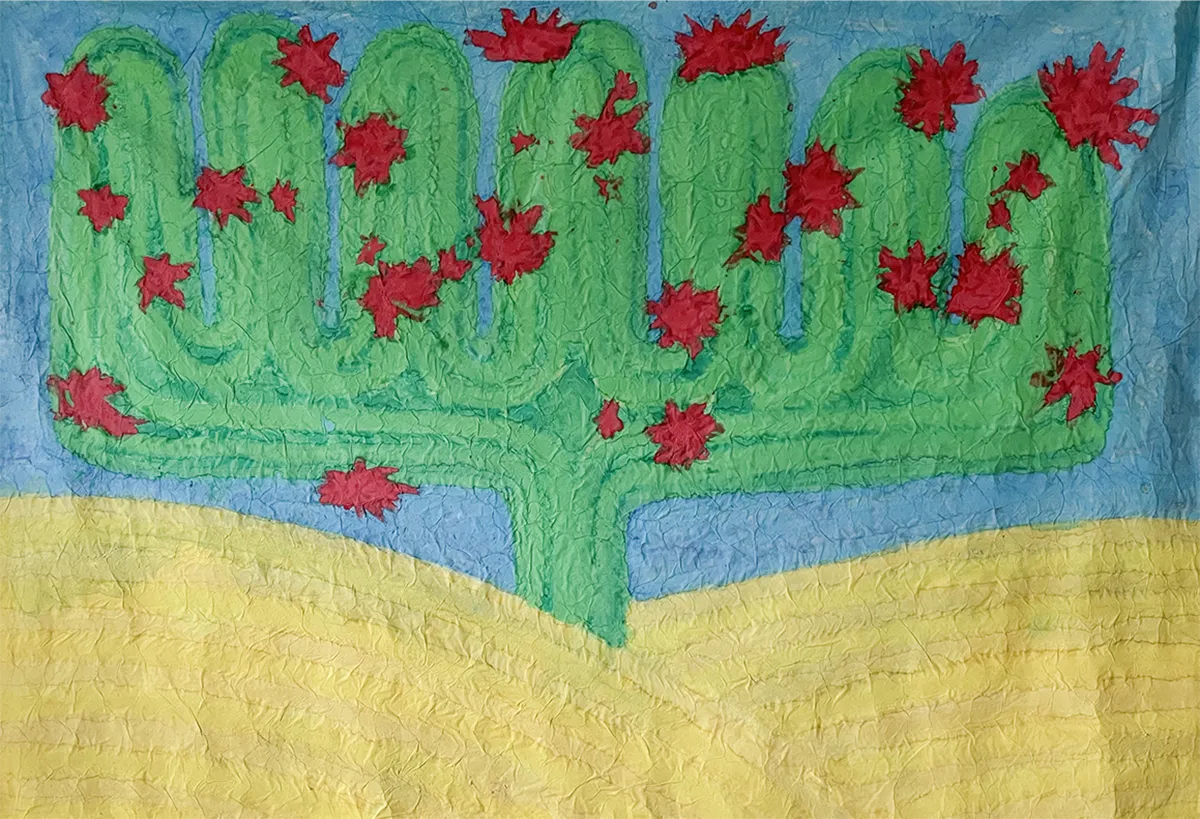
Grand Cactus
2020
Watercolor on paper
123 × 83 cm
48.4 × 32.7 in
Grand Palmier Plié
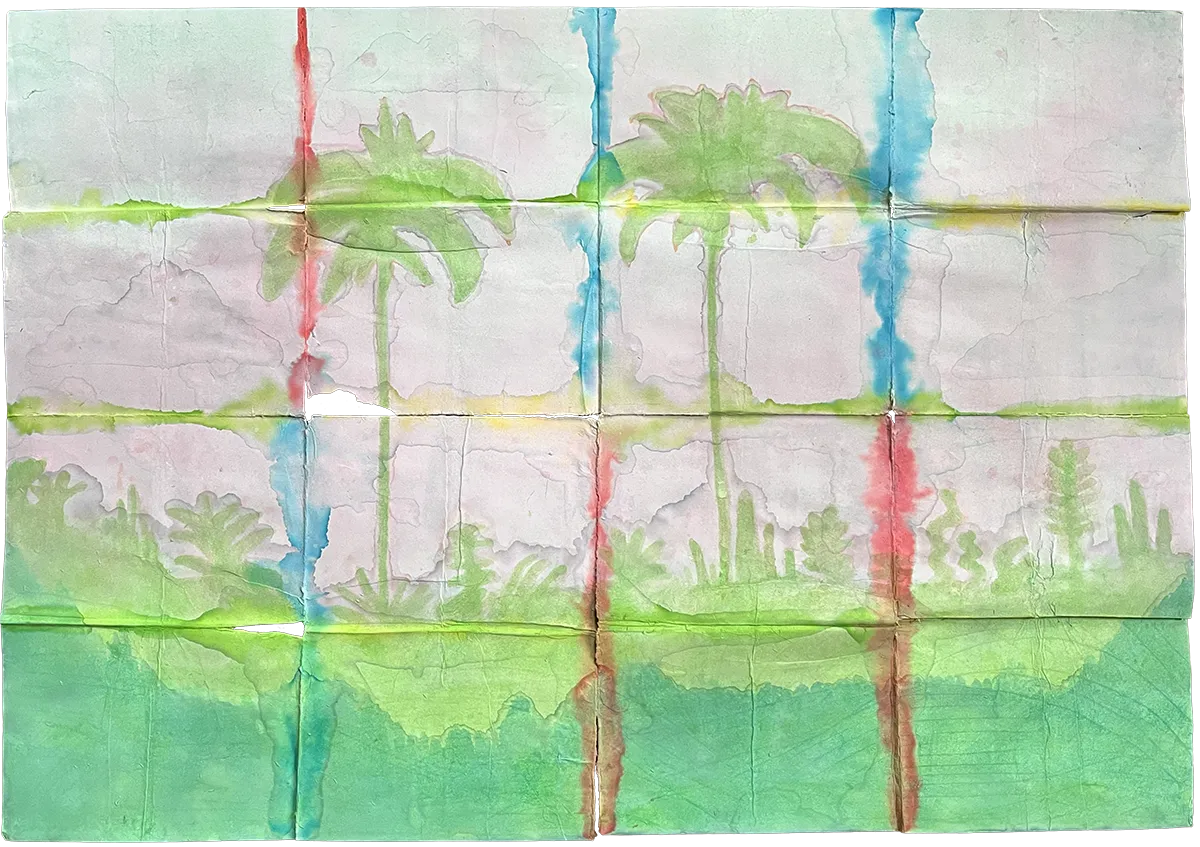
Grand Palmier Plié
2020
Ink on paper
59 × 83 cm
23.2 × 32.7 in
Palmier Plié
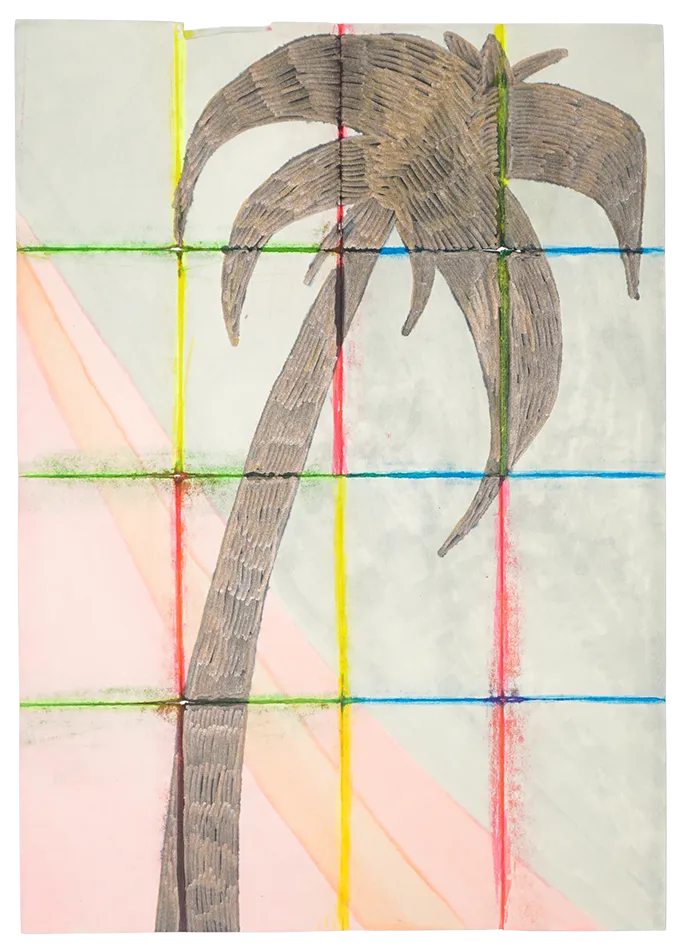
Palmier Plié
2020
Marker on paper
29,7 × 21 cm
11.7 × 8.3 in
Petits Palmiers
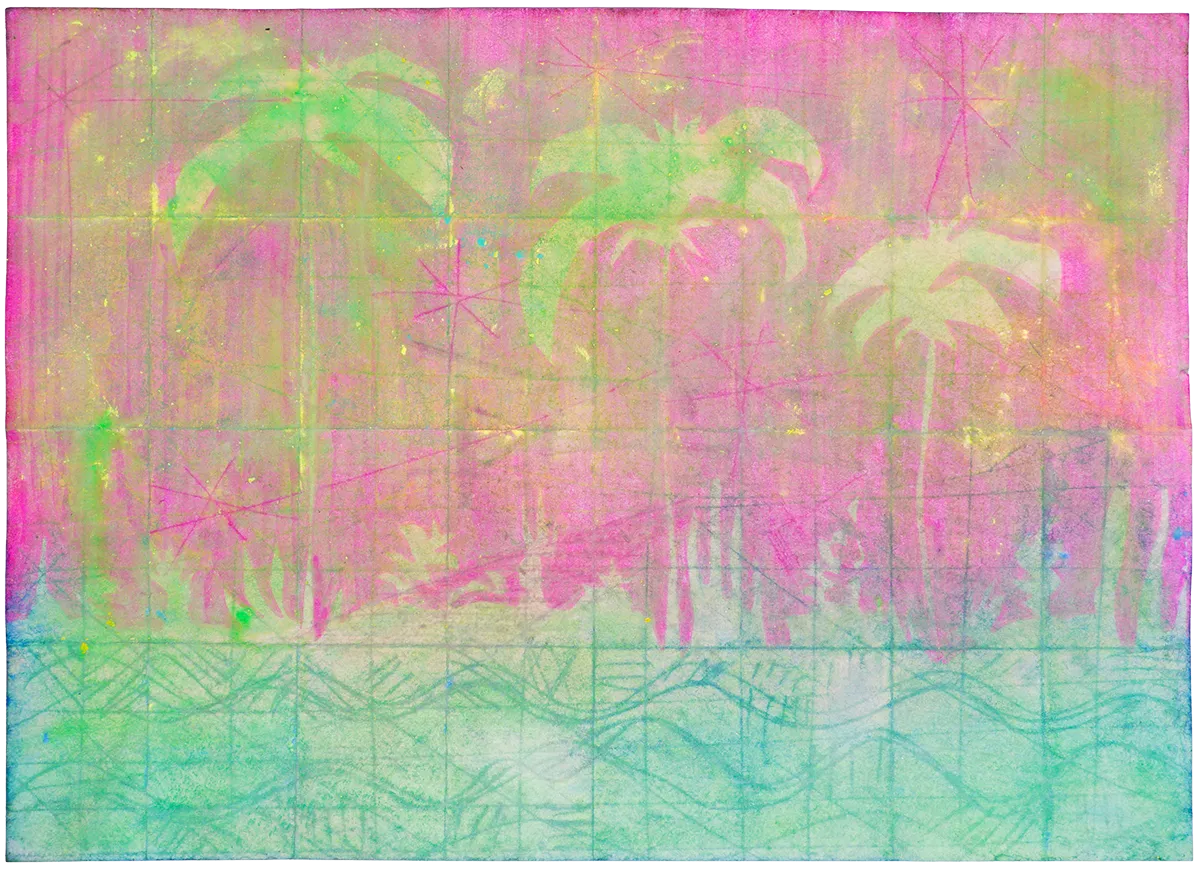
Petits Palmiers
2020
Marker and ink on paper
29,7 × 21 cm
11.7 × 8.3 in
Île aux Larmes
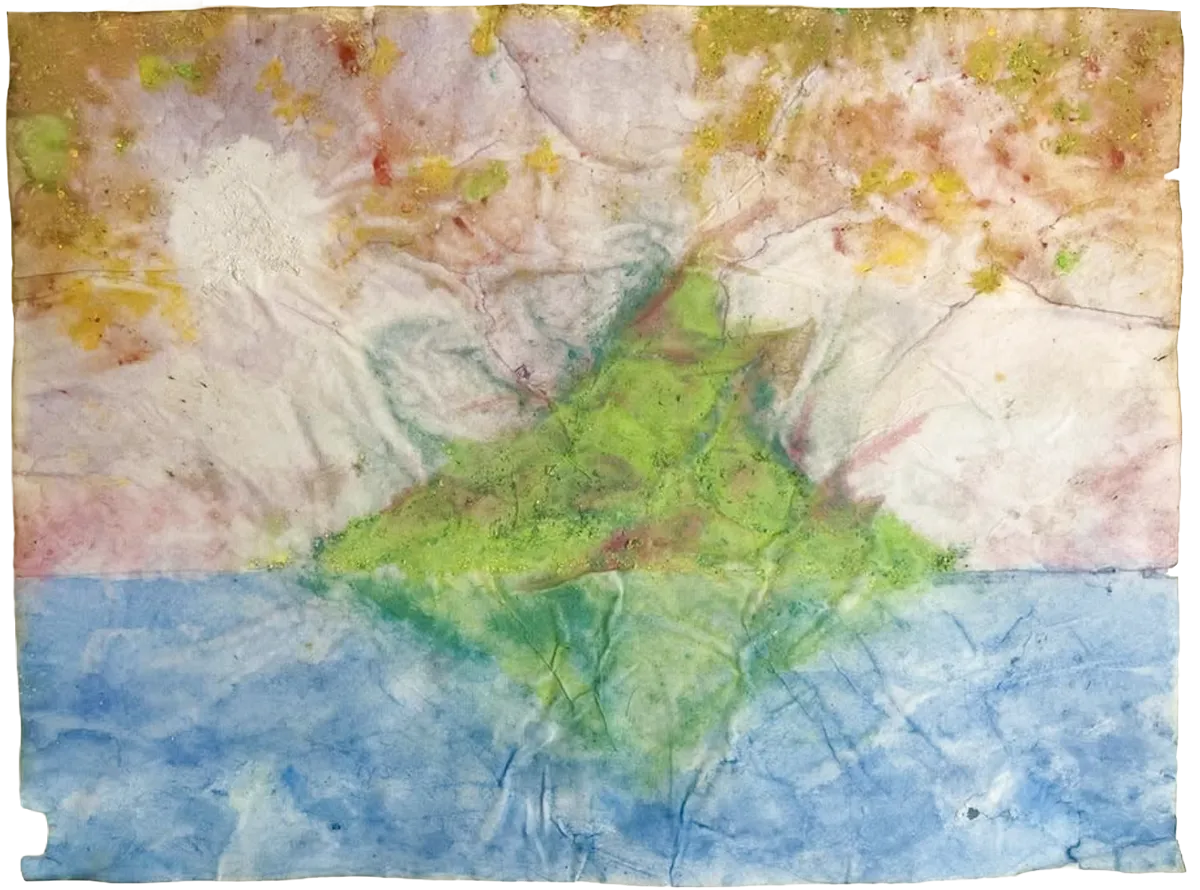
Île aux Larmes
2020
Watercolor on paper
31,5 × 23,5 cm
12,4 × 9,25 in
Isla Mama
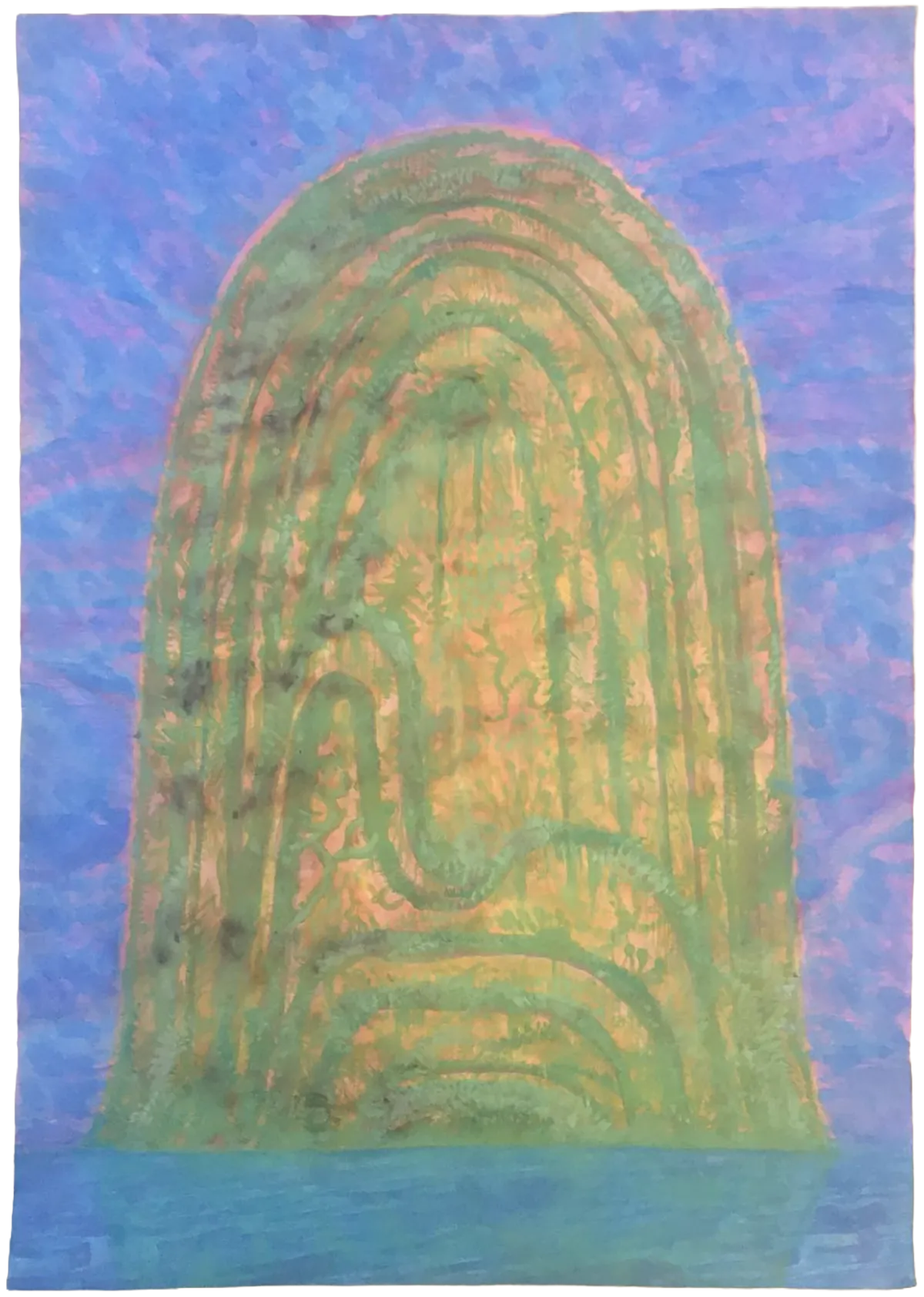
Isla Mama
2020
Watercolor on paper
42 × 29,7 cm
16.5 × 11.7 in
Île aux Fruits
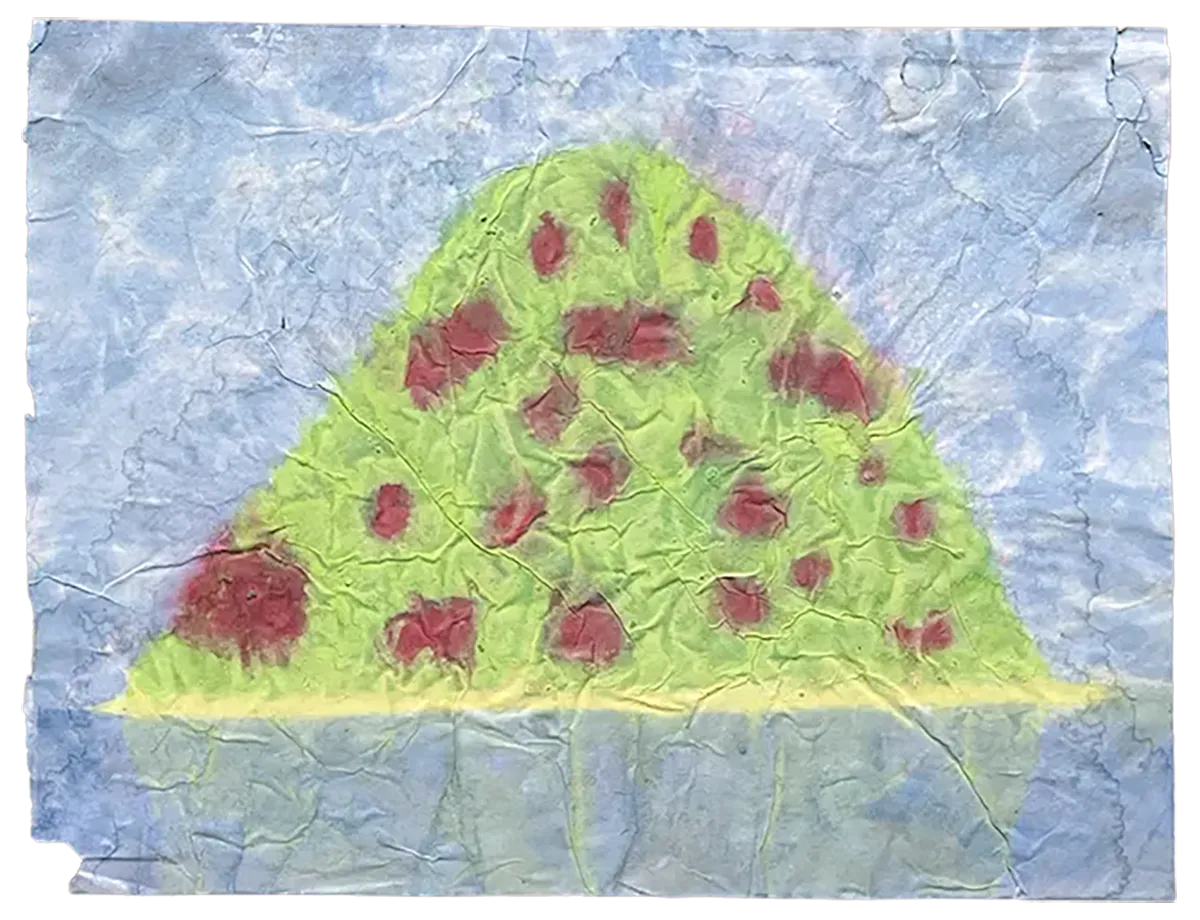
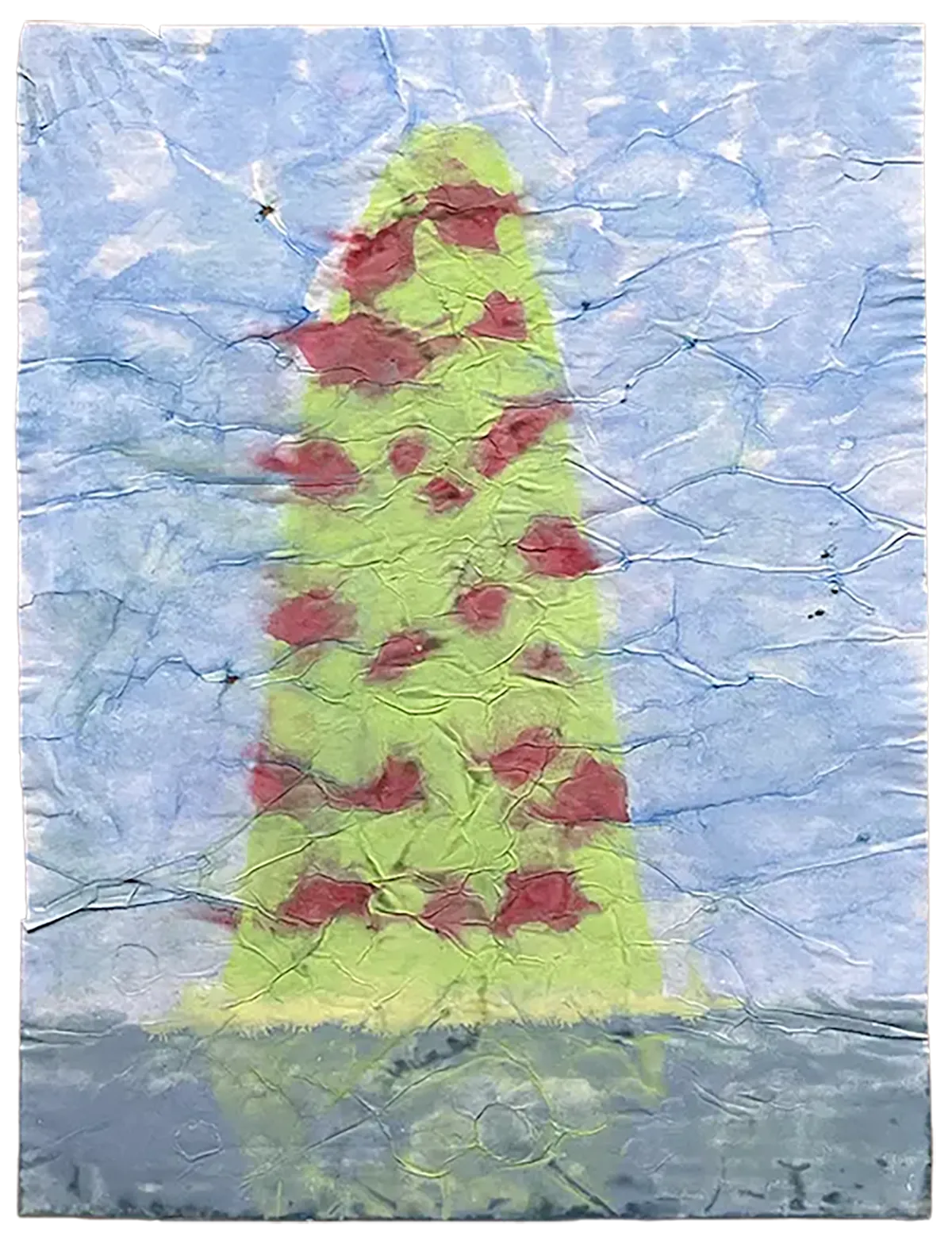
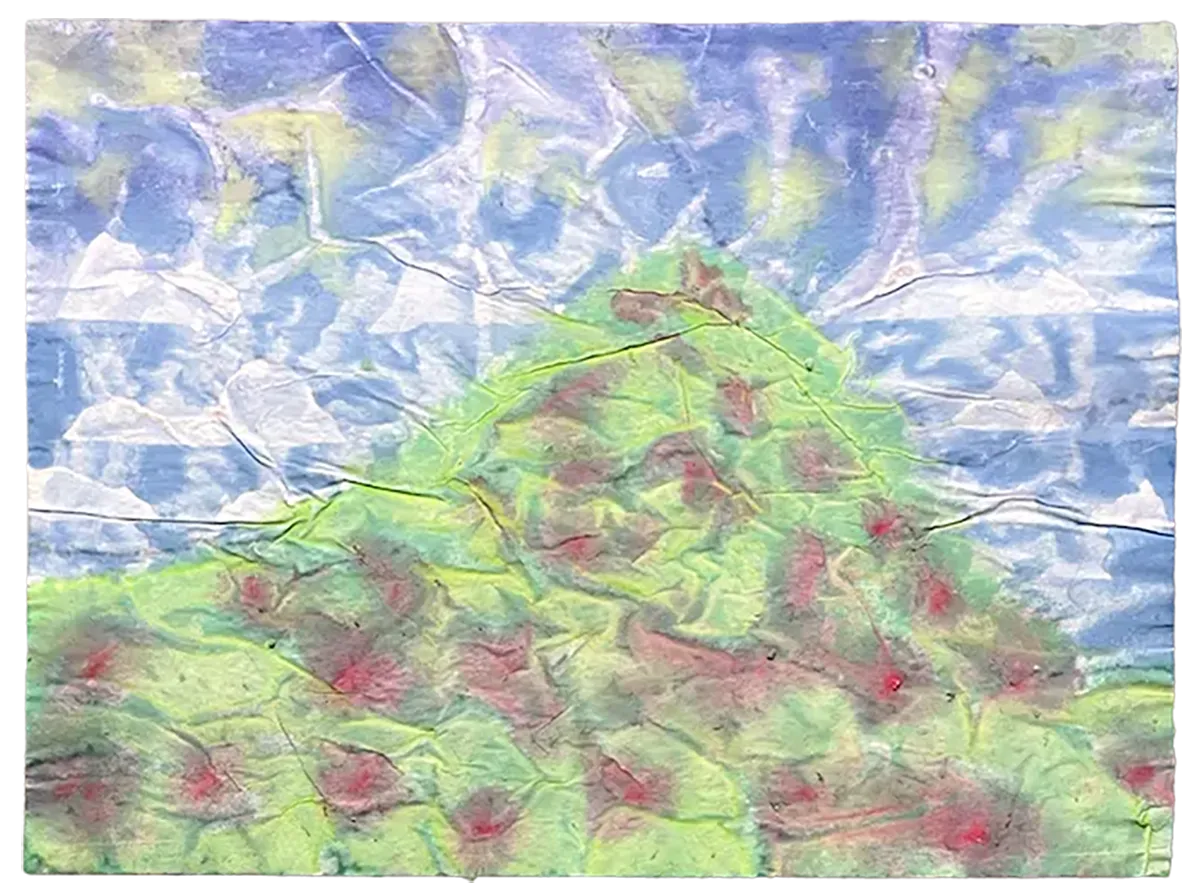
Île aux Fruits (X3)
2020
Watercolor on paper
32 x 24 cm
12.5 × 9.5 in
Road to War
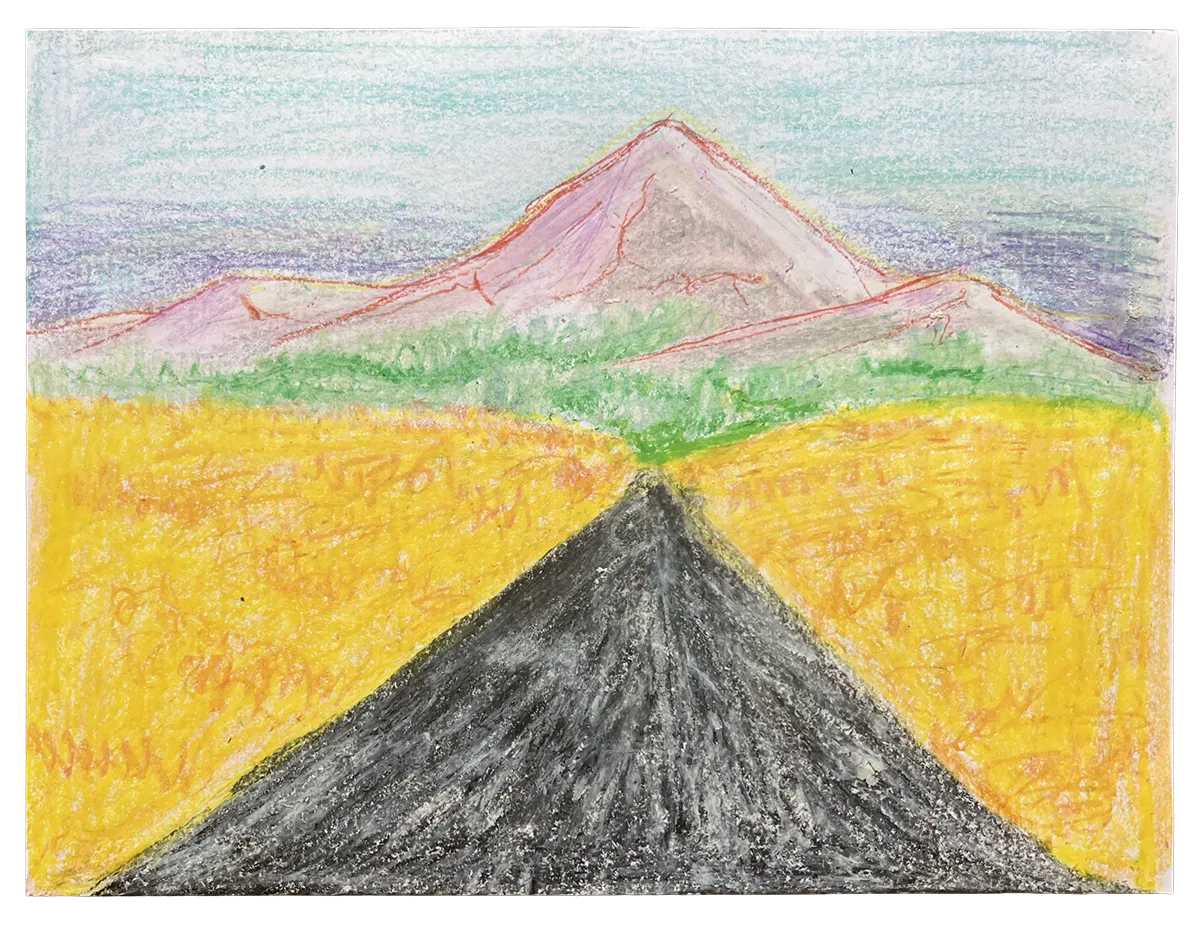
Road to War
2020
Pencil on paper
27,5 × 21 cm
10.8 × 8.3 in
2019
Trois fois la côte
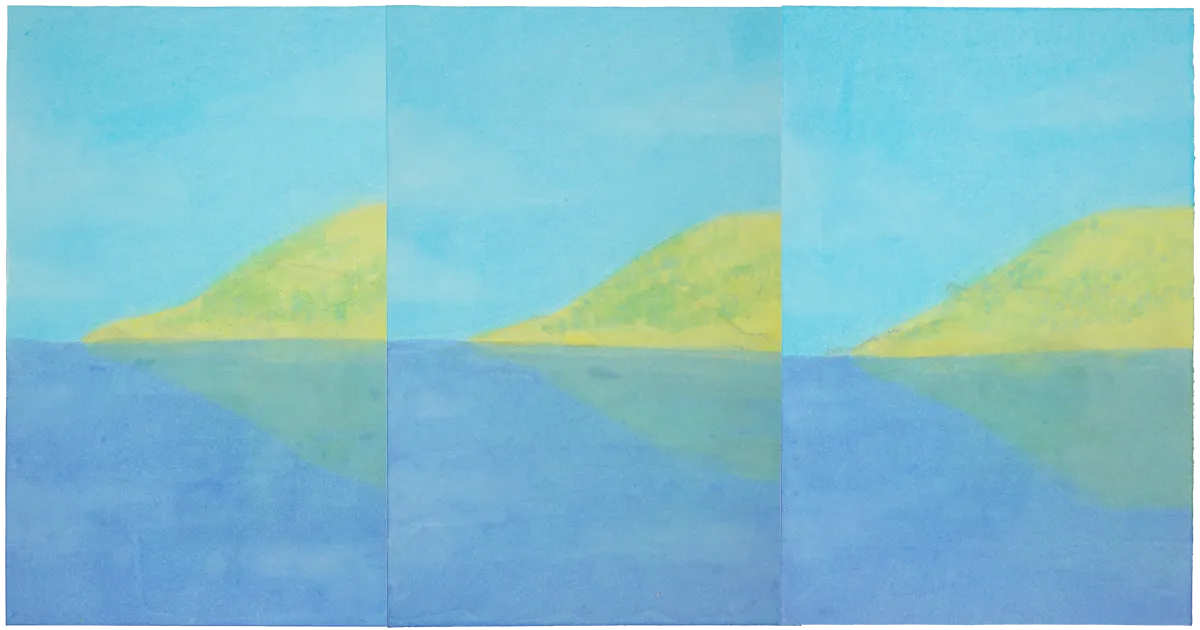
Trois fois la côte
2019
Three watercolors on layered paper
30 × 20 cm
11.8 × 7.9 in
Neuf fois la côte
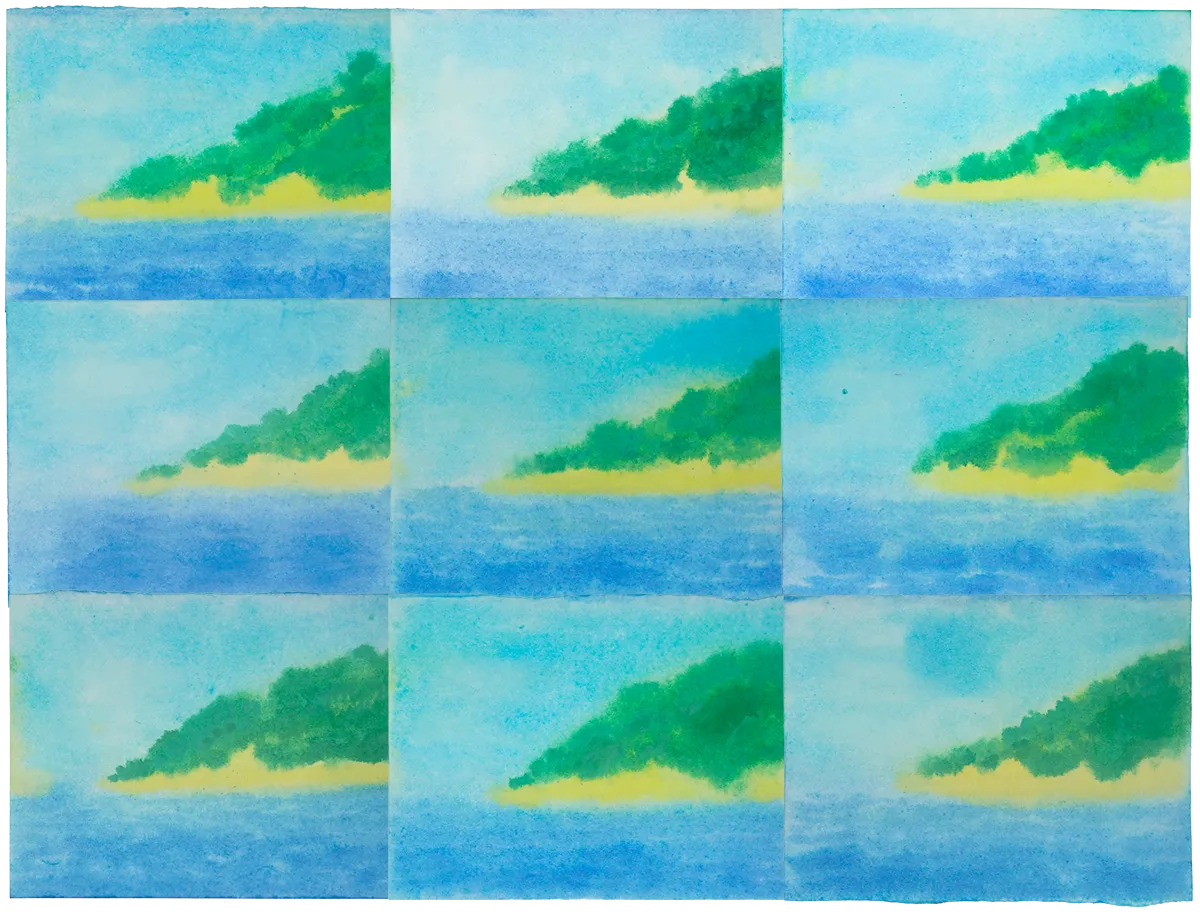
Neuf fois le côte
2019
Nine watercolors on layered paper
20 × 15 cm
7.9 × 5.9 in
À L’Est
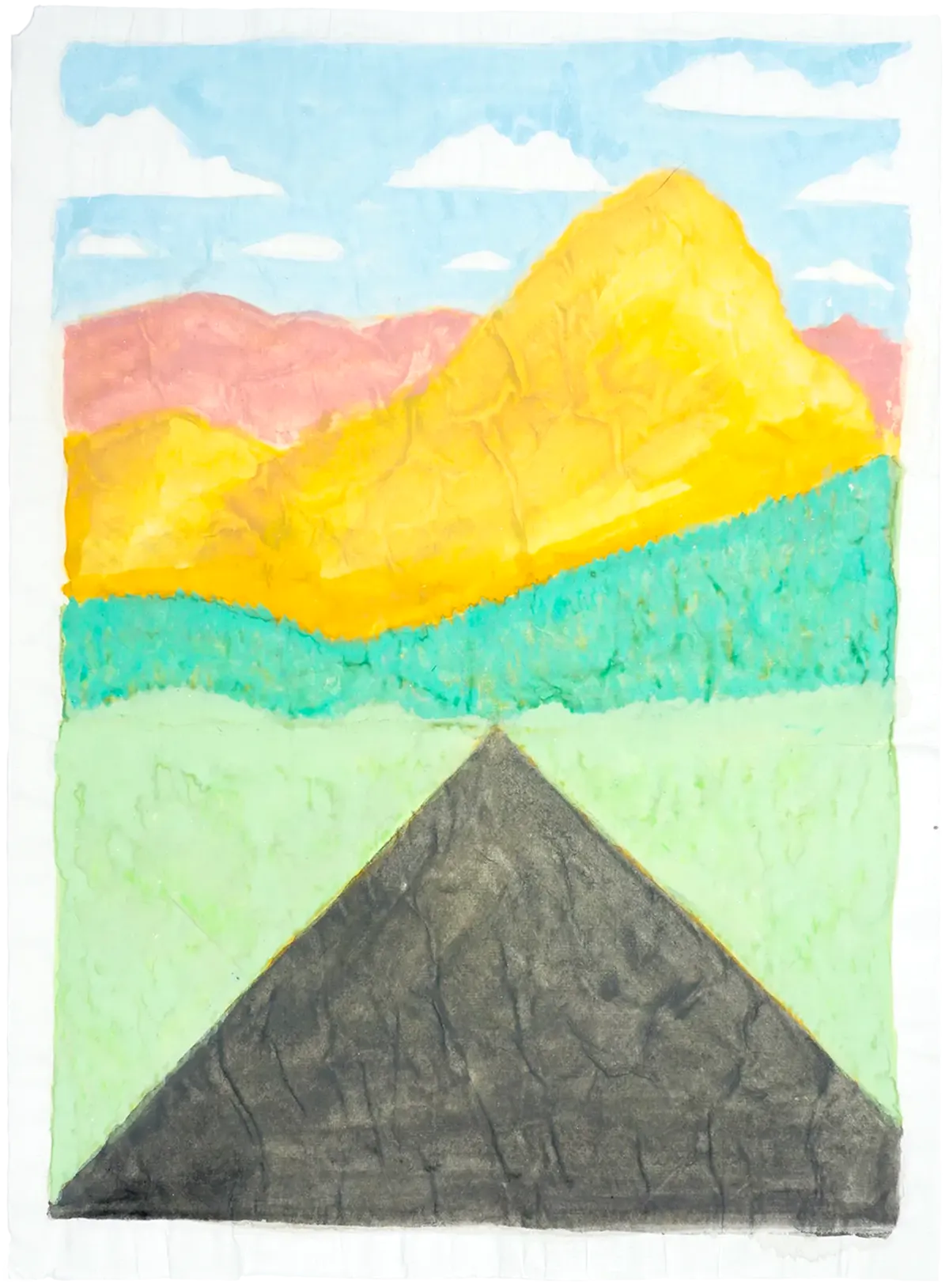
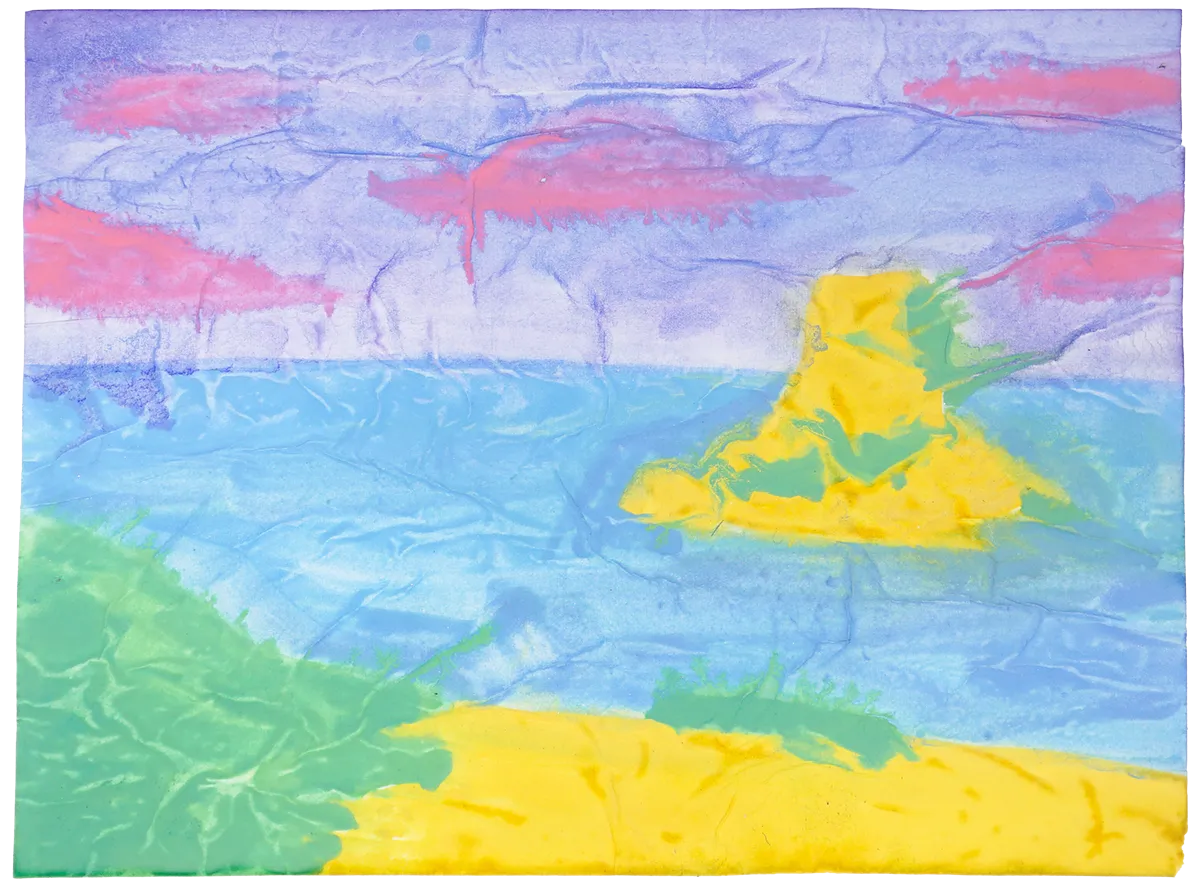
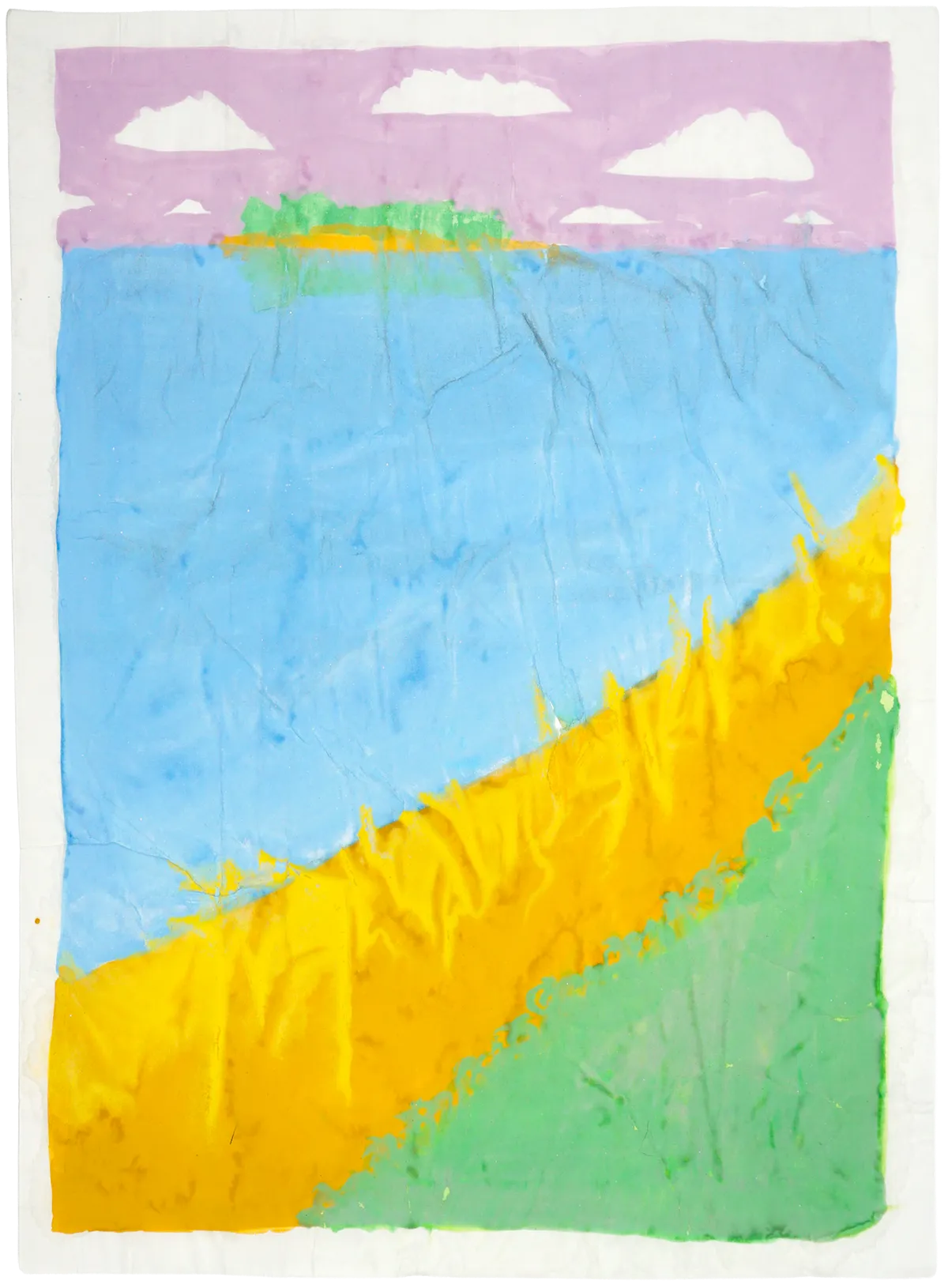
À L’Est (x3)
2019
Ink on paper
32 x 24 cm
12.5 × 9.5 in
À l’Ouest
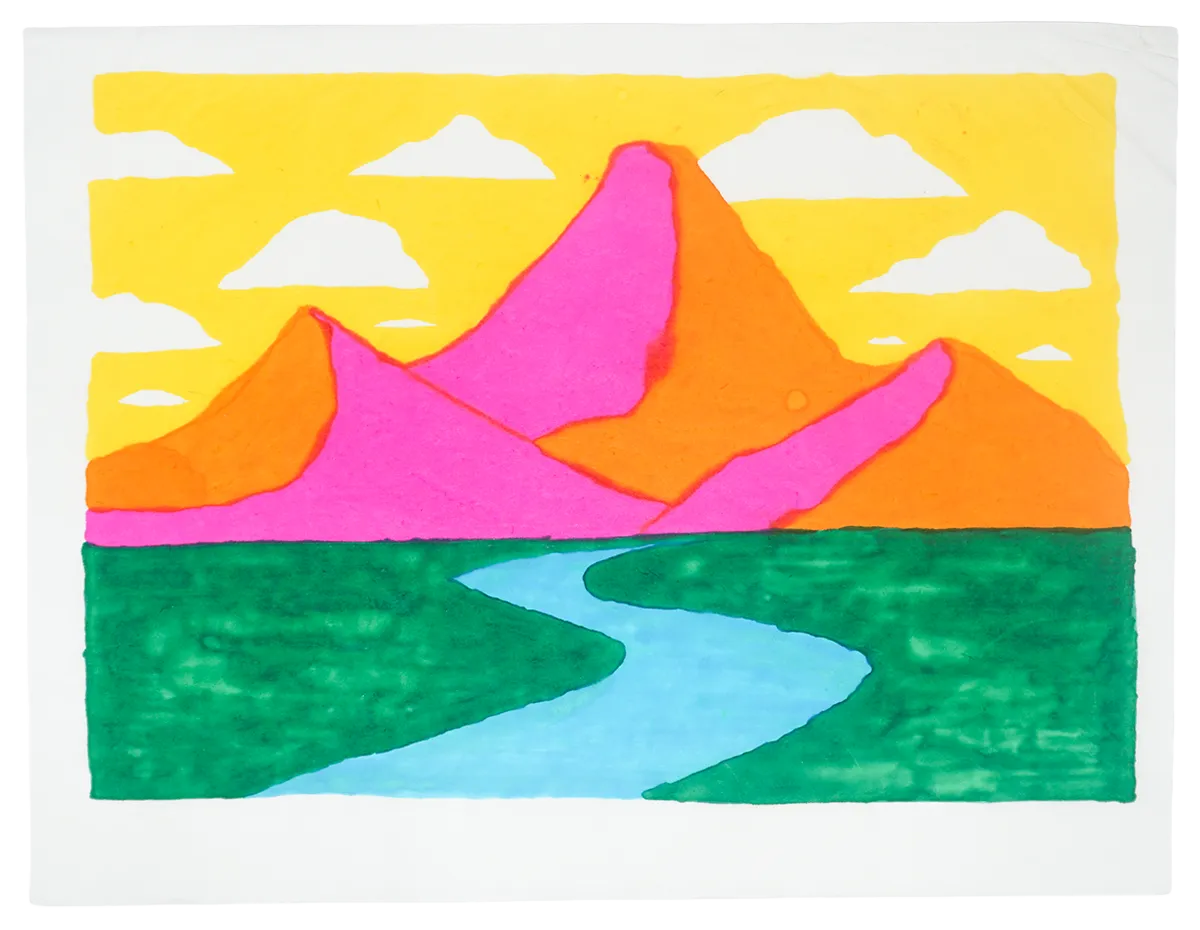
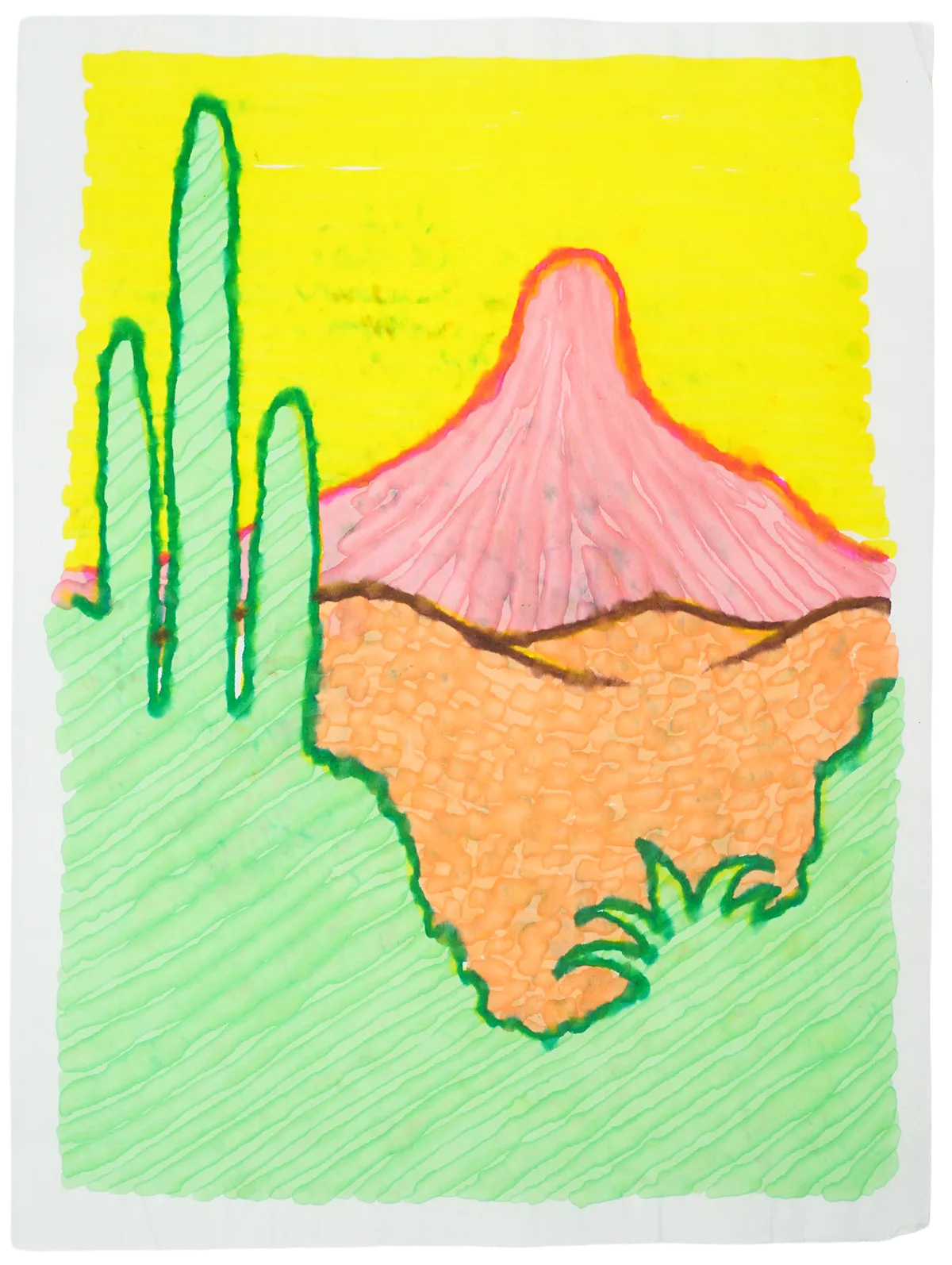
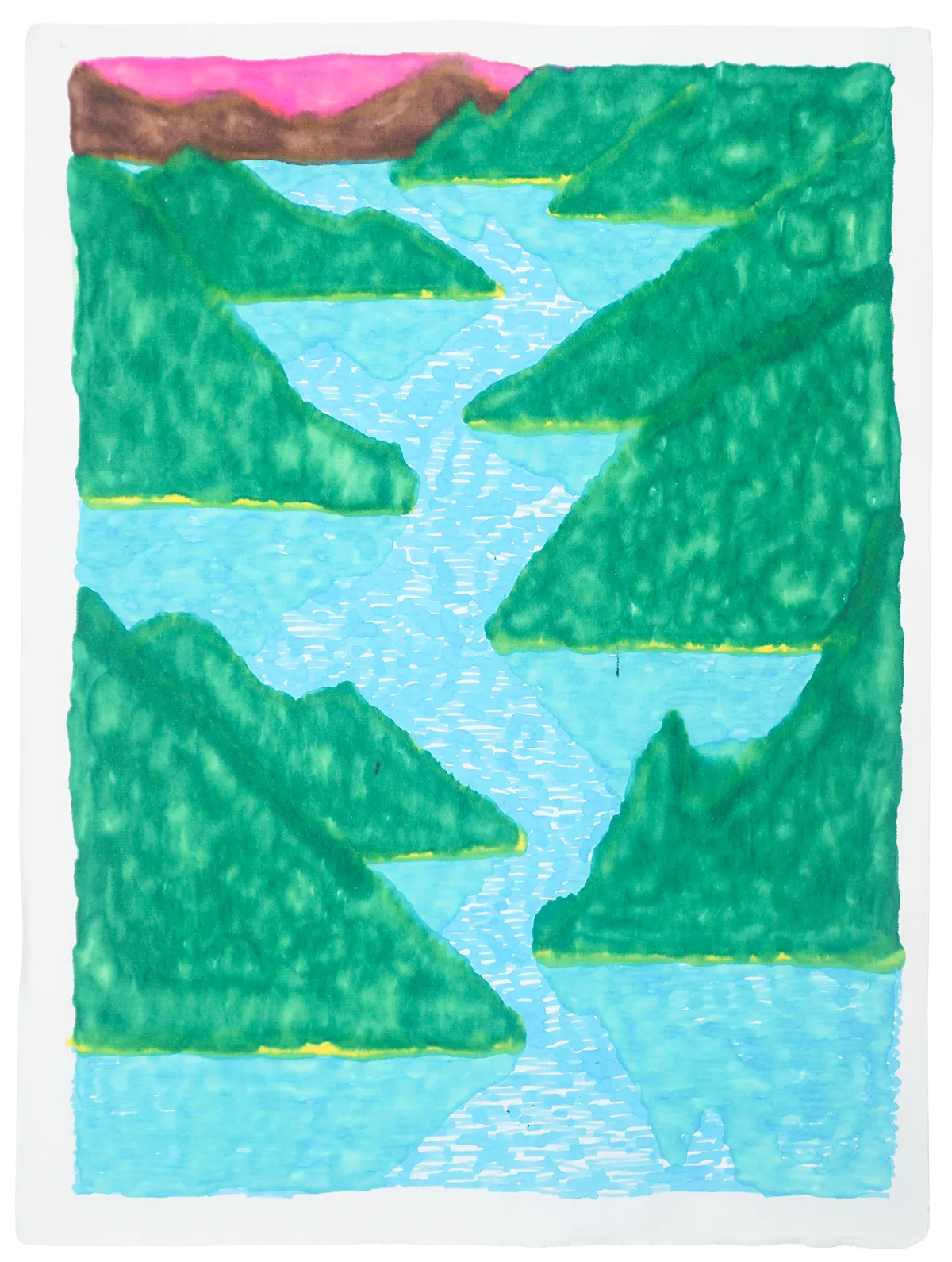
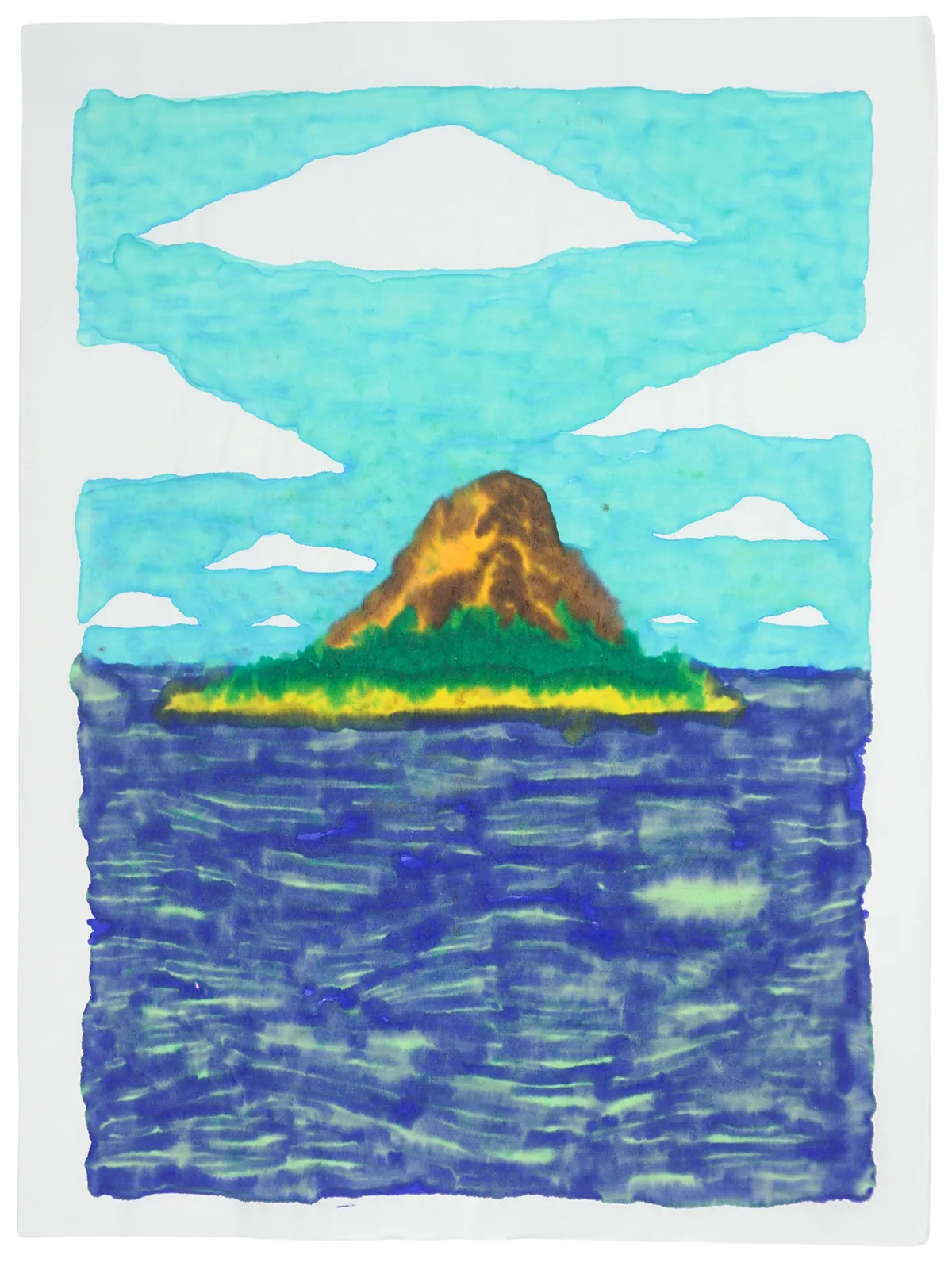
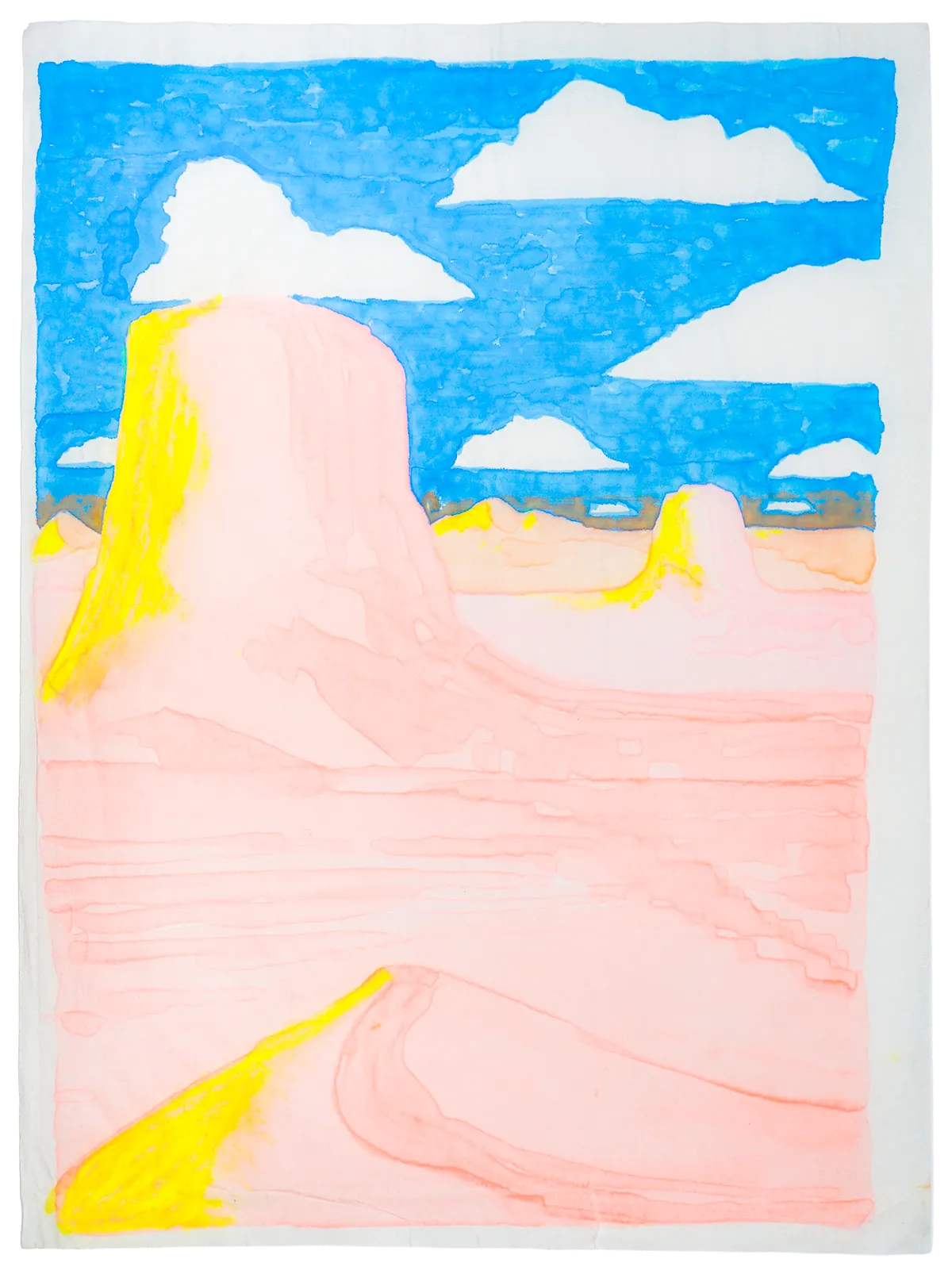
À L’Ouest (x5)
2019
Ink on paper
32 x 24 cm
12.5 × 9.5 in
Arbustes (x4)
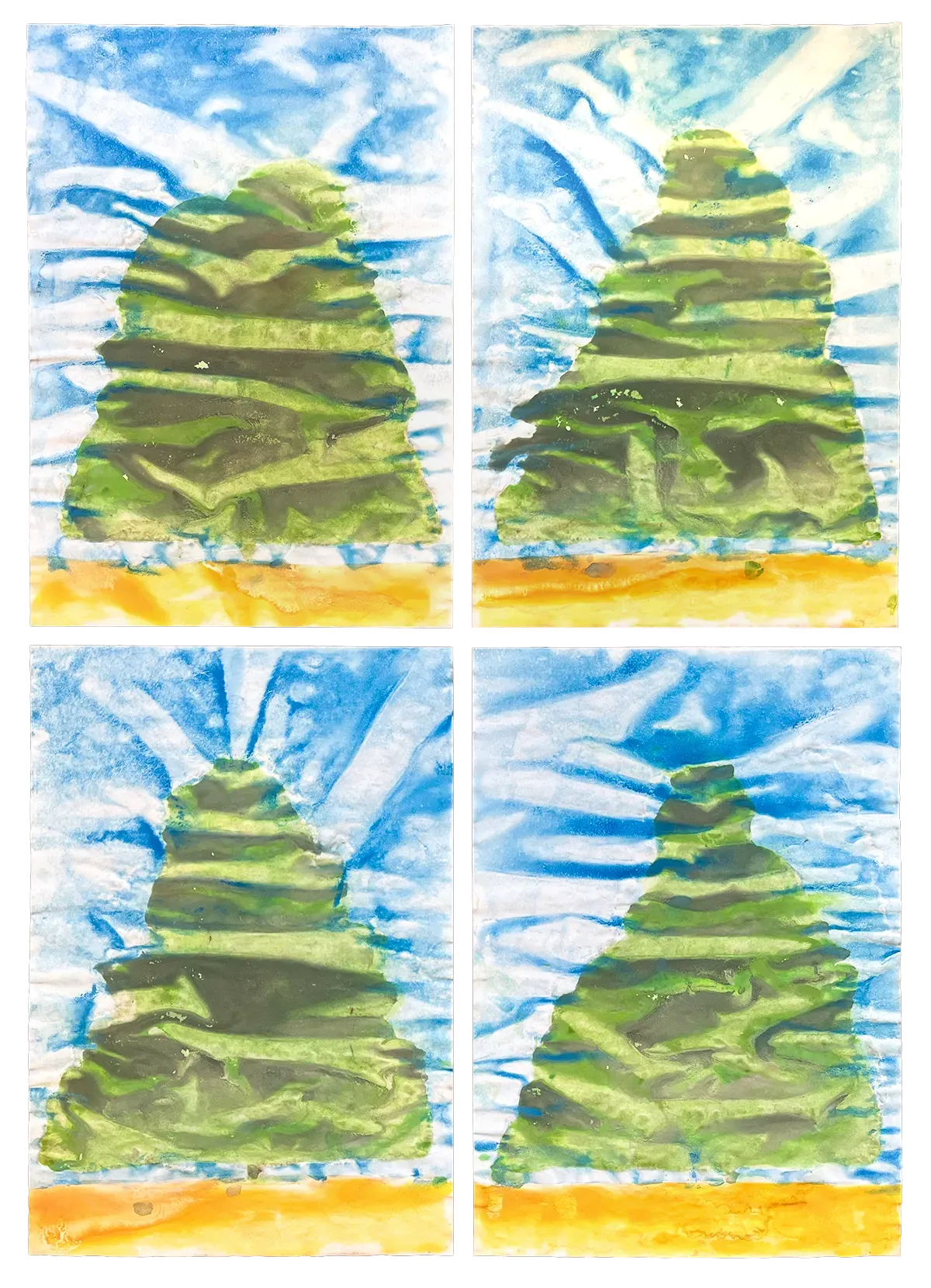
Arbustes (x4)
2019
Watercolor on paper
42 × 29,5 cm
16.5 × 11.6 in
Caravelle
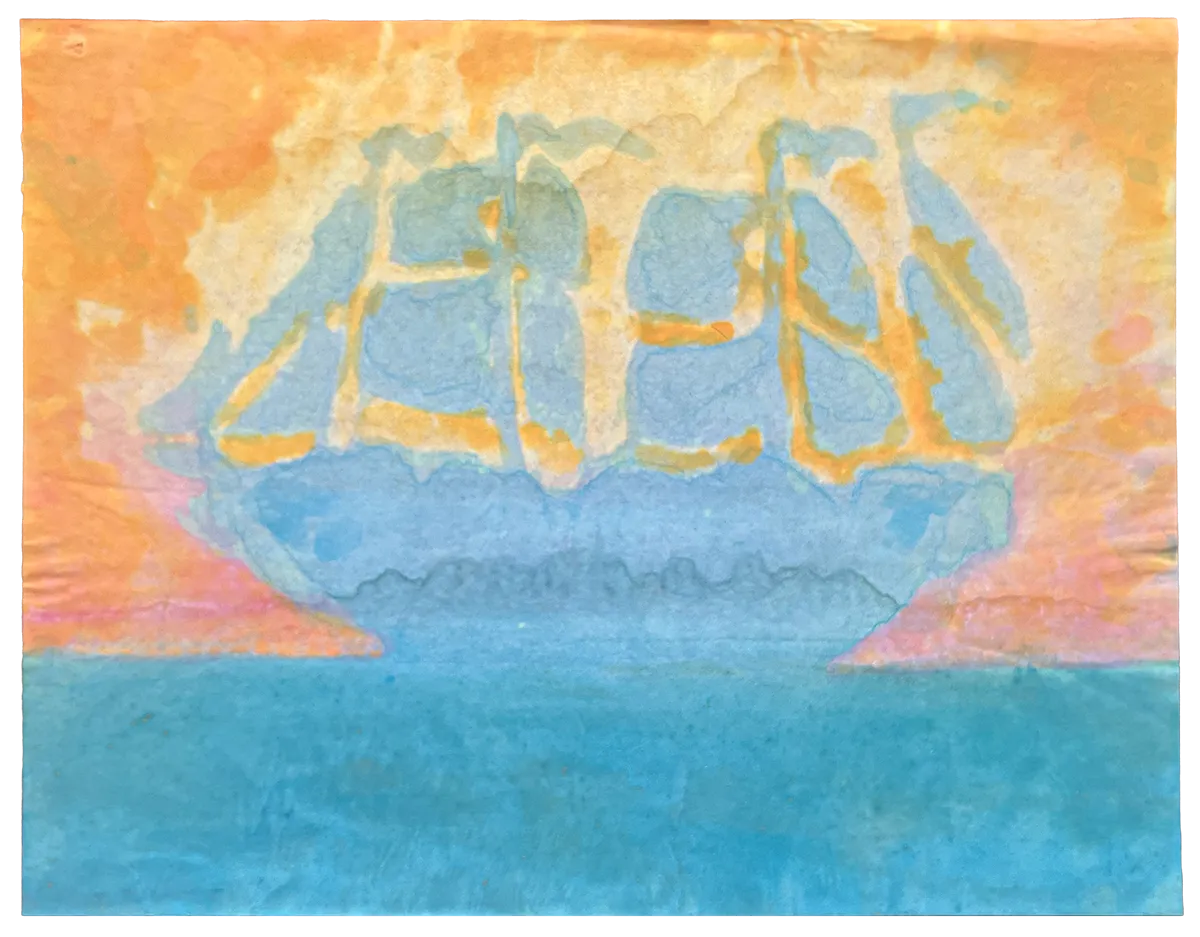
Caravelle
2019
Watercolor on paper
29,7 × 21 cm
11.7 × 8.3 inches
Cascade
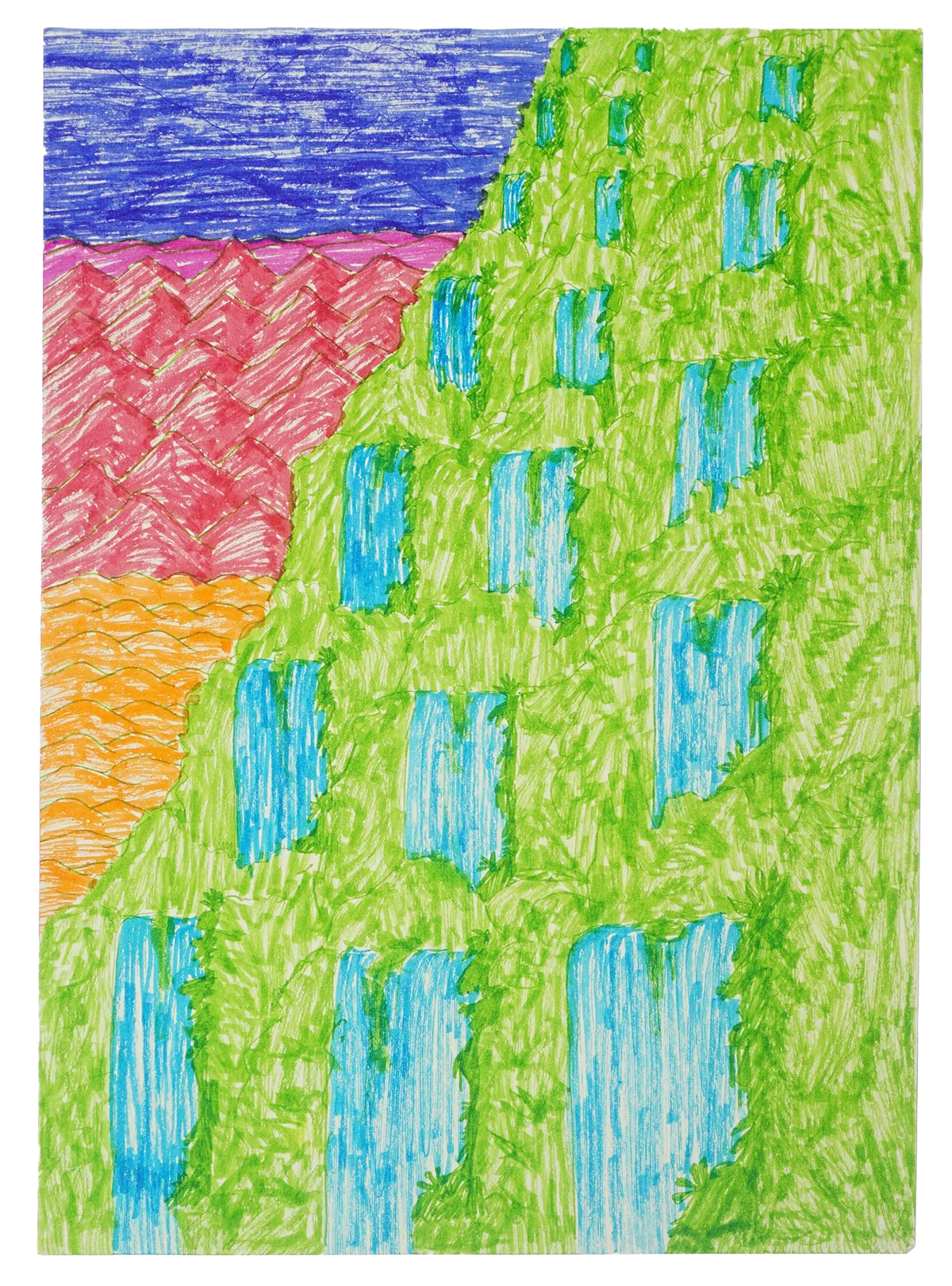
Cascade
2019
Pencil on paper
29,7 × 21 cm
11.7 × 8.3 inches
Cyprés
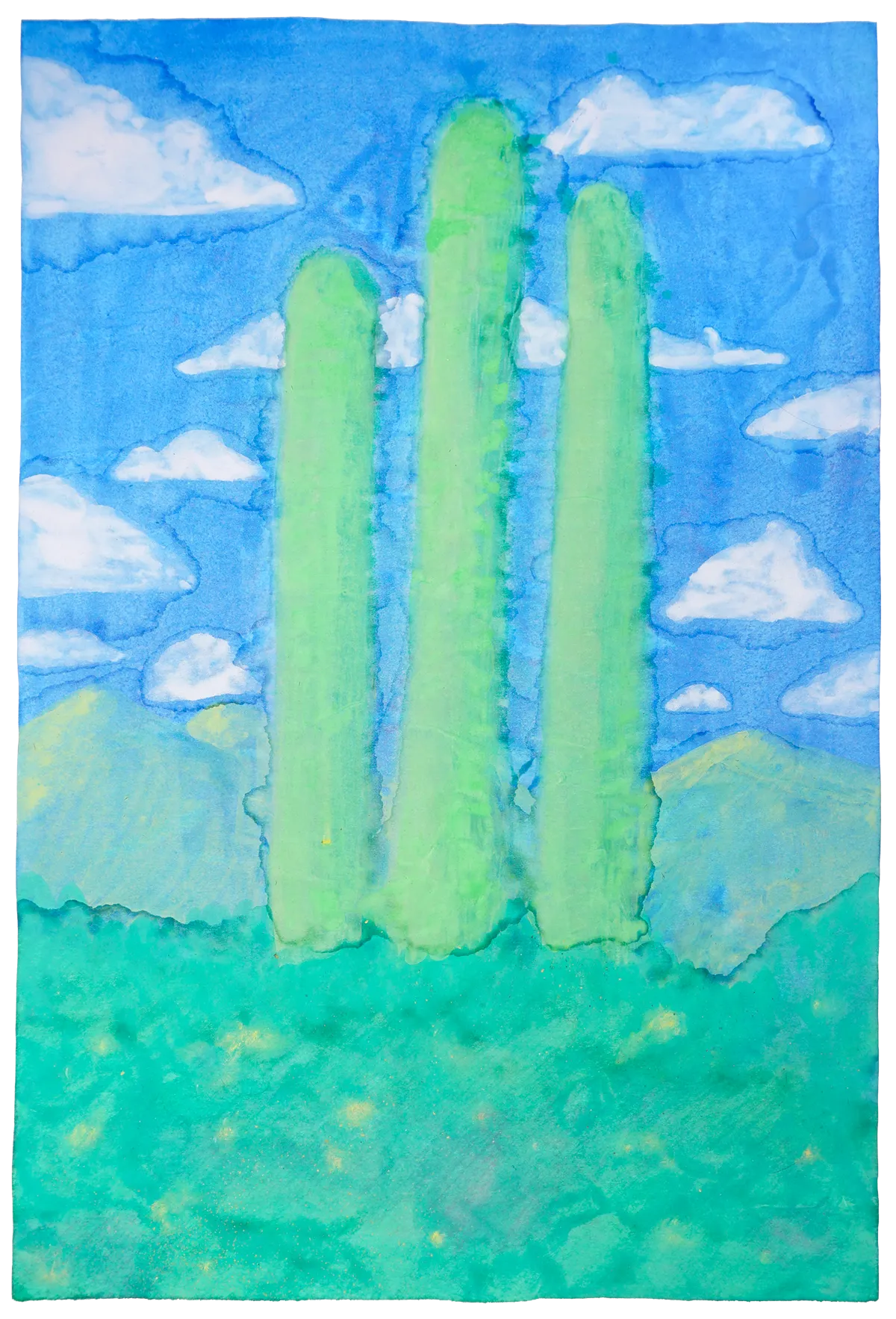
Cyprés
2019
Watercolor on paper
45 × 30 cm
17,7 × 11,8 in
Doubles Plages (x2)
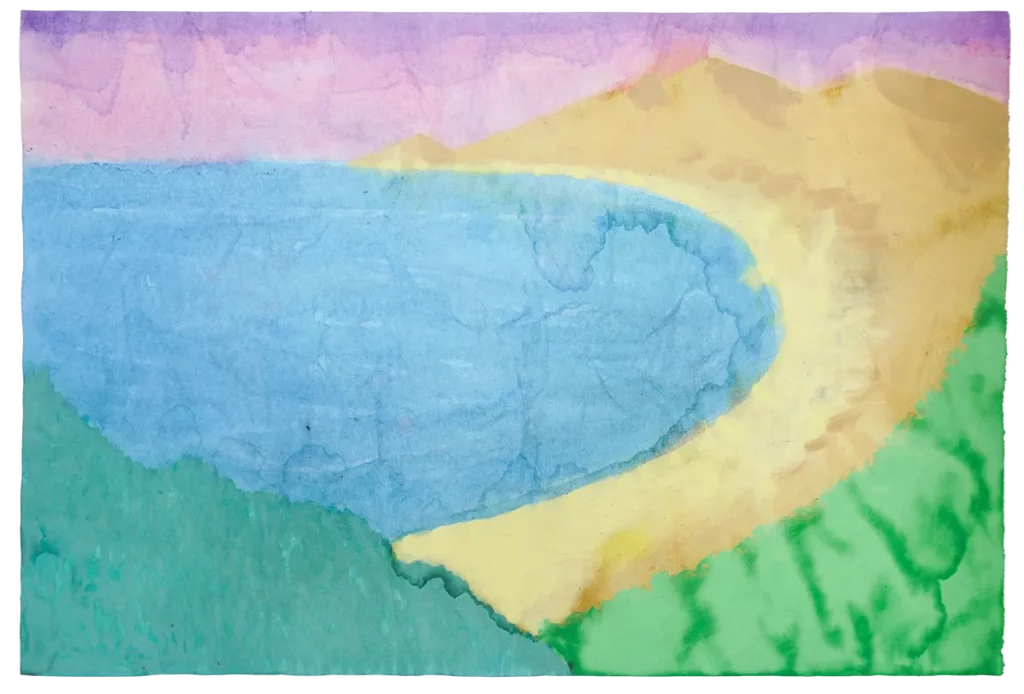
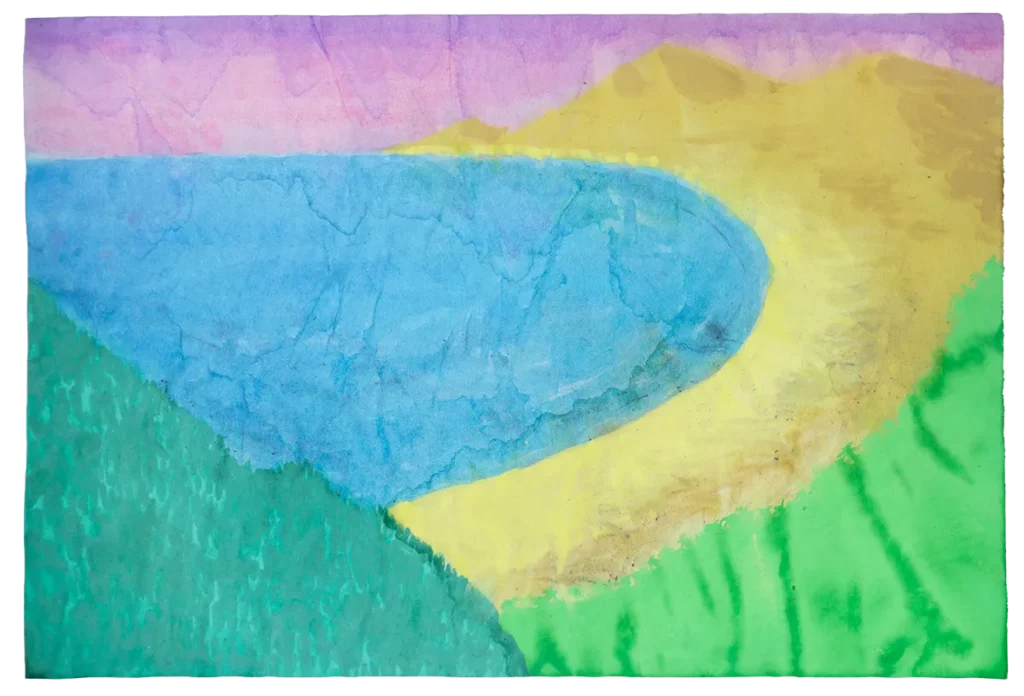
Doubles Plages (x2)
2019
Watercolor on paper
45 × 30 cm
17,7 × 11,8 in
Érosion (x3)
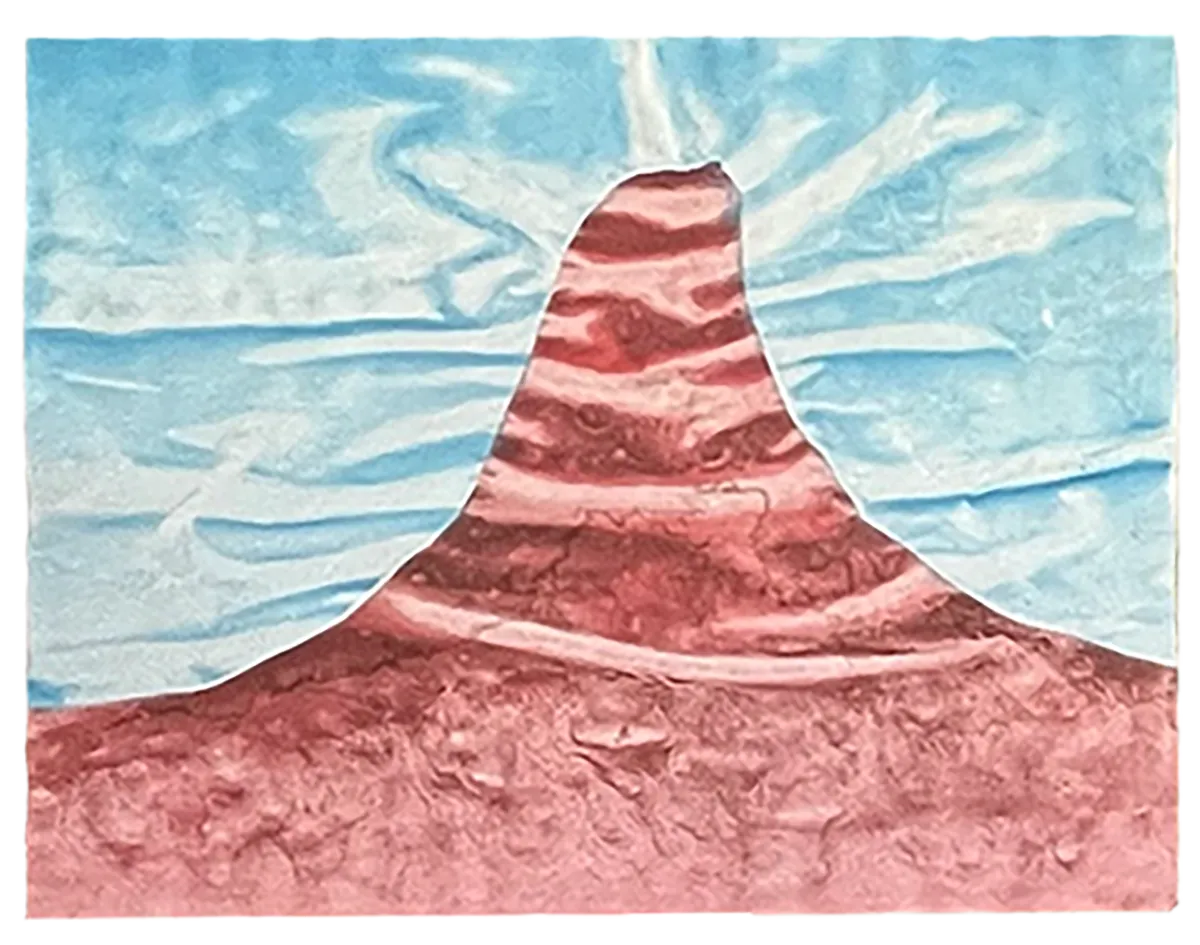
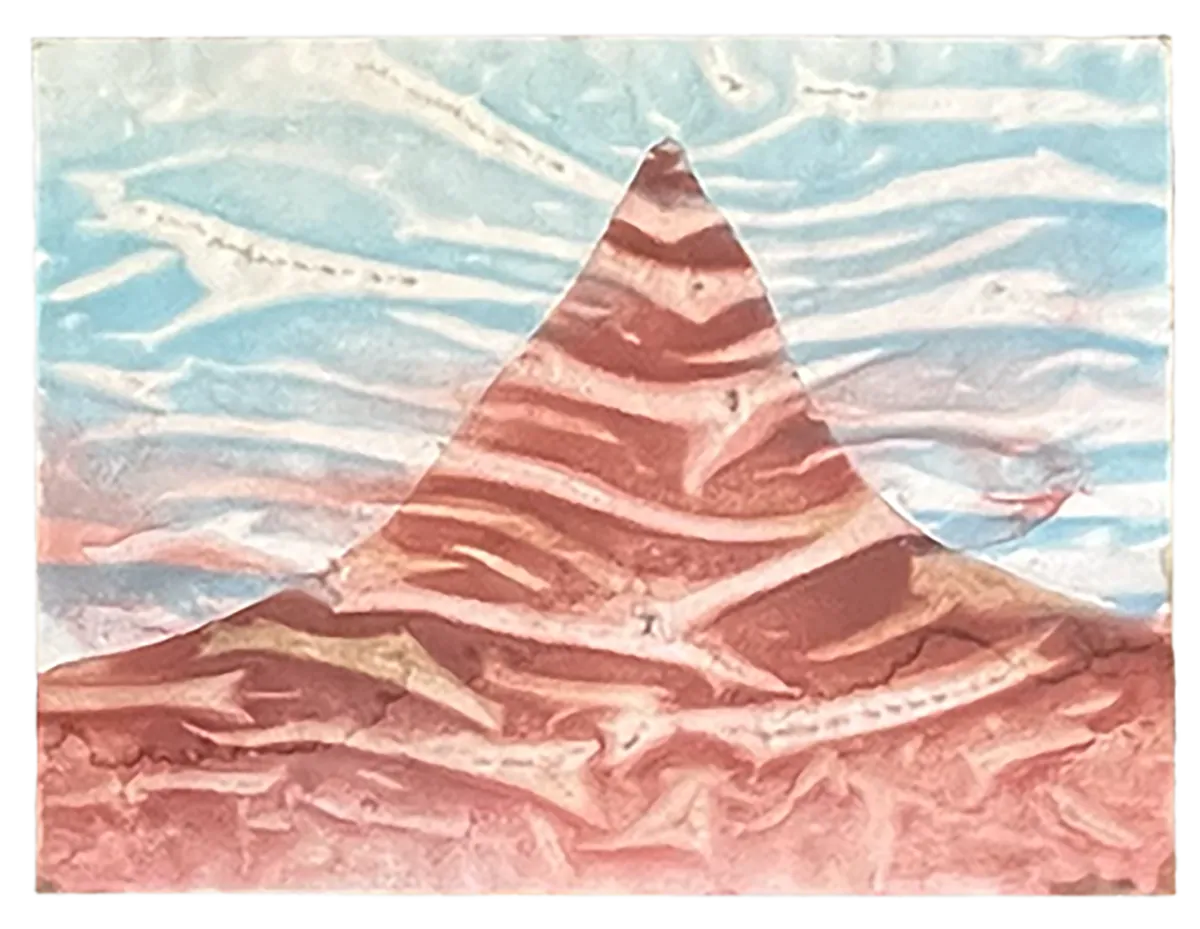
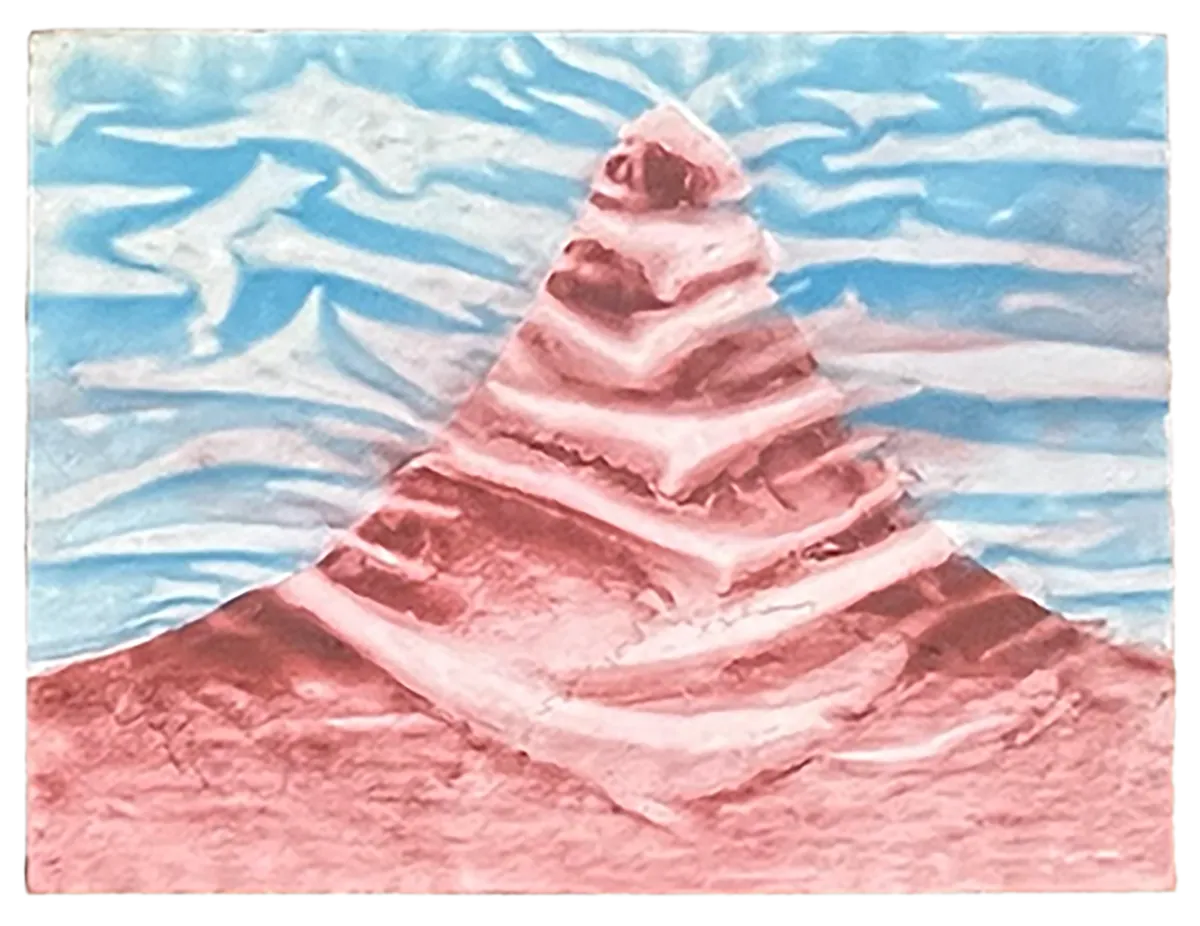
Érosion (x3)
2019
Watercolor on paper
30 × 39,5 cm
11.8 × 15.6 in
Flyer
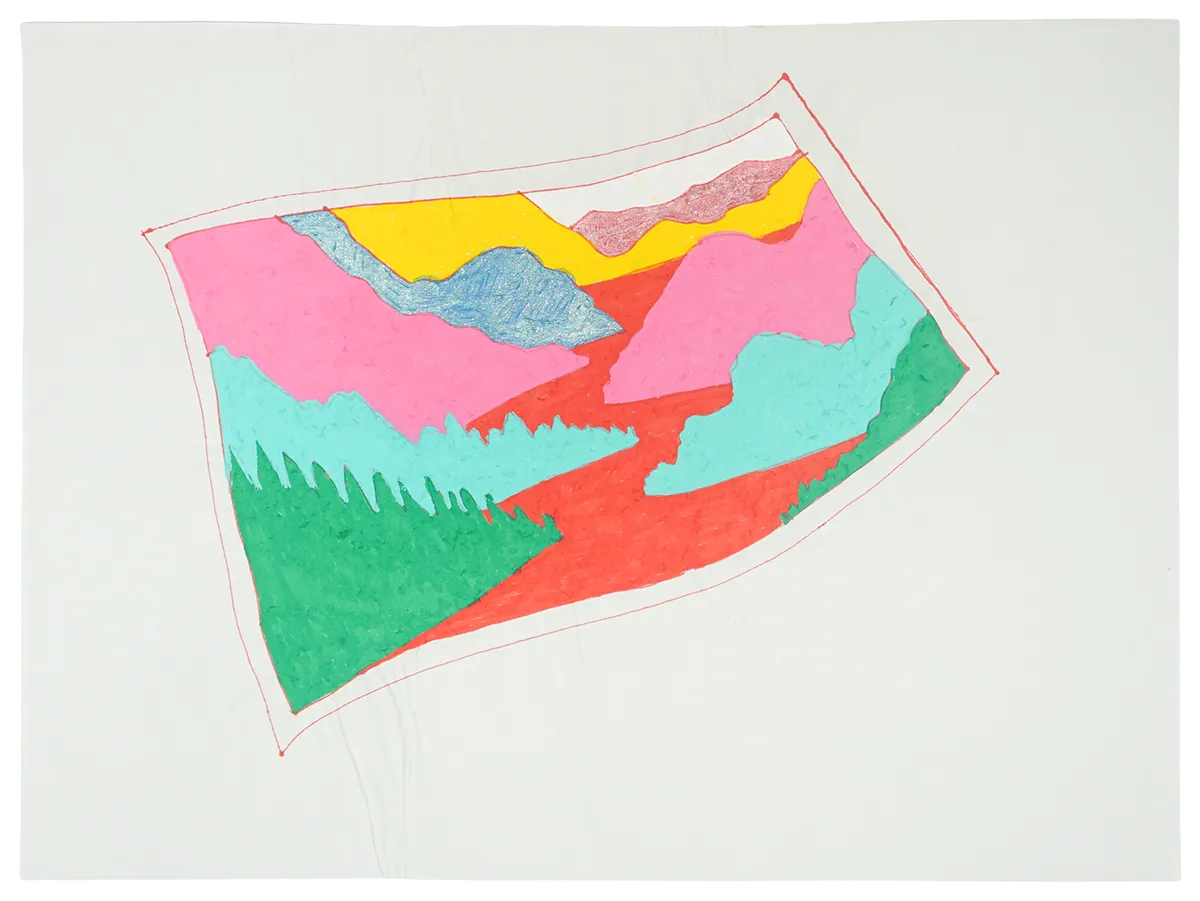
Flyer
2019
In on paper
32 x 24 cm
12.5 × 9.5 in
Île Floue
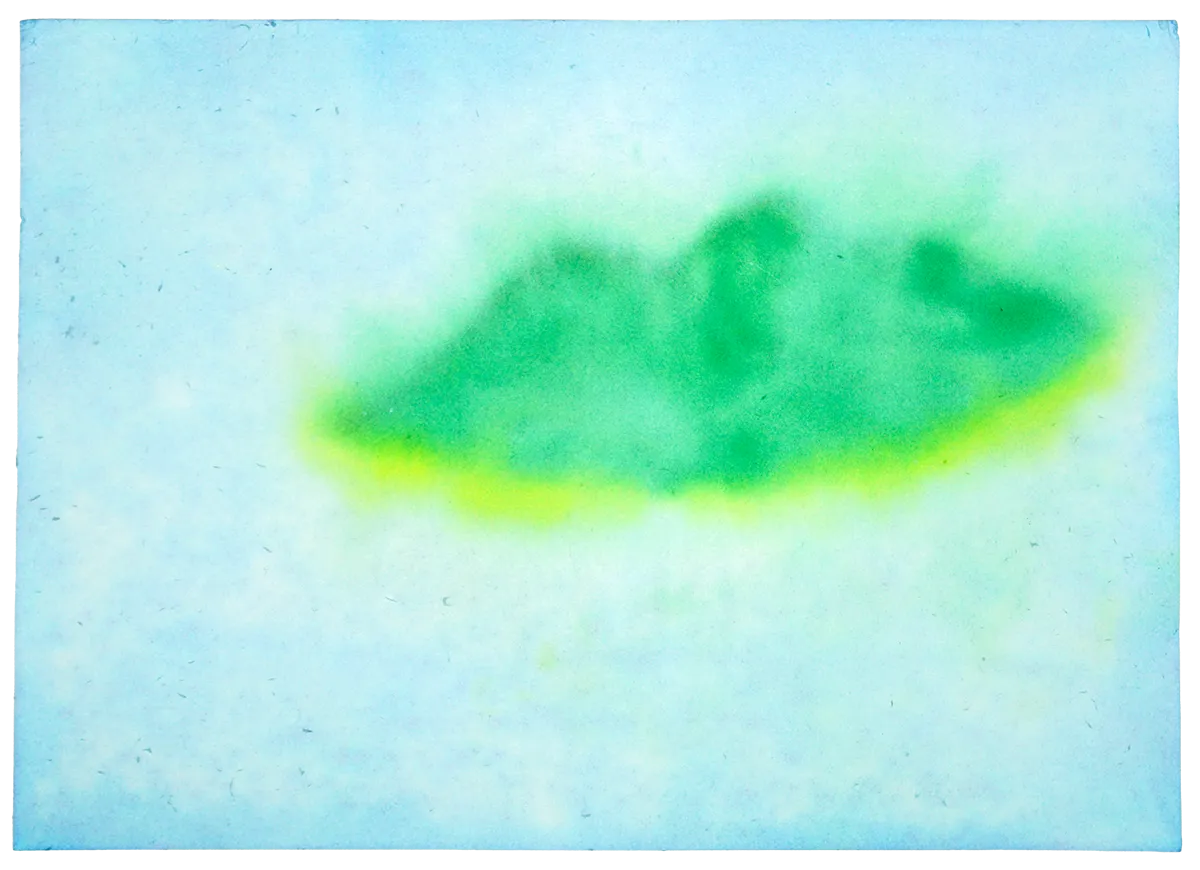
Île Floue
2019
Watercolor on paper
29,7 × 21 cm
11.7 × 8.3 in
Mont Bleu
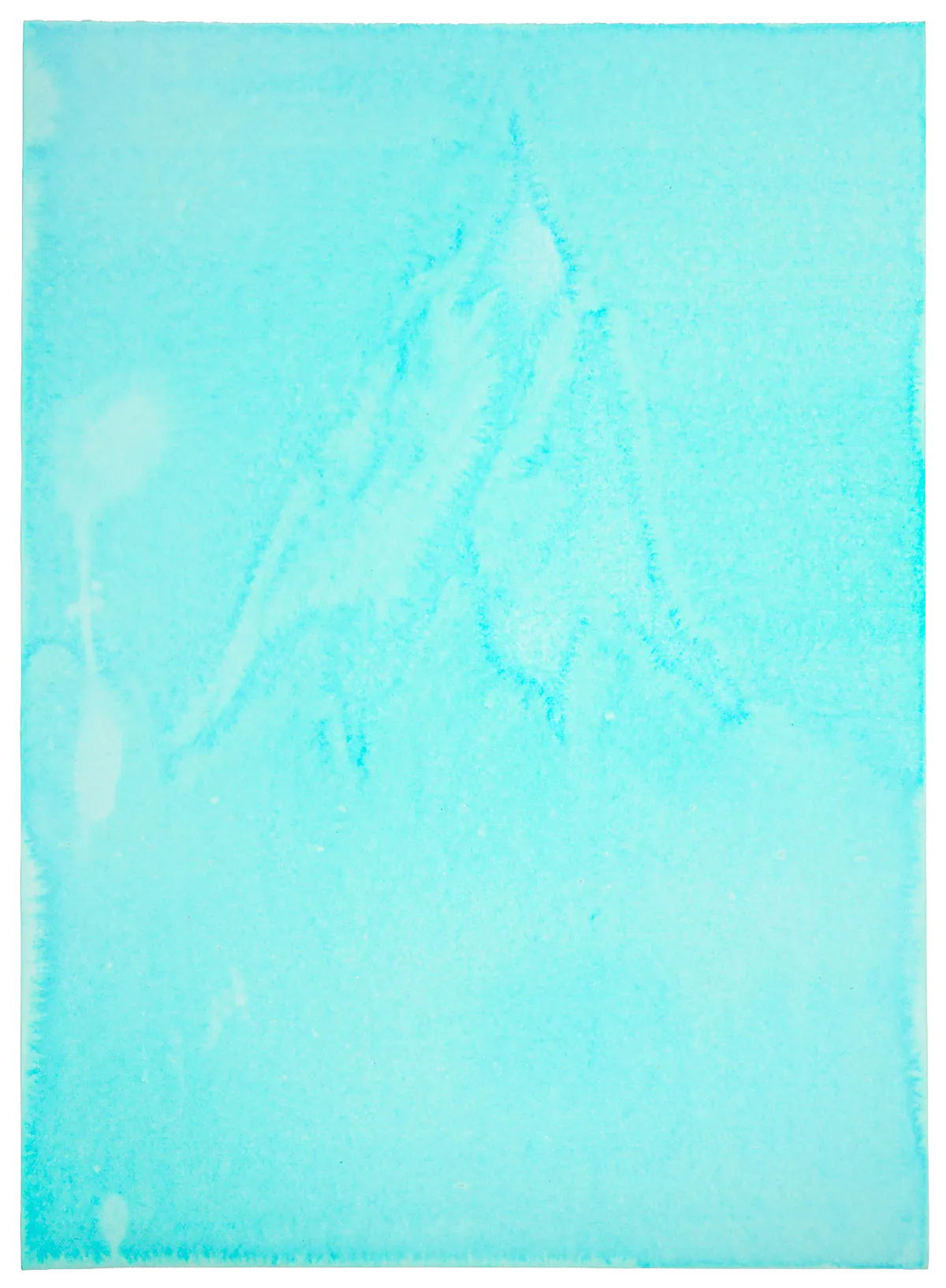
Mont Bleu
2019
Watercolor on paper
42 × 29,5 cm
16.5 × 11.6 in
Morbihan
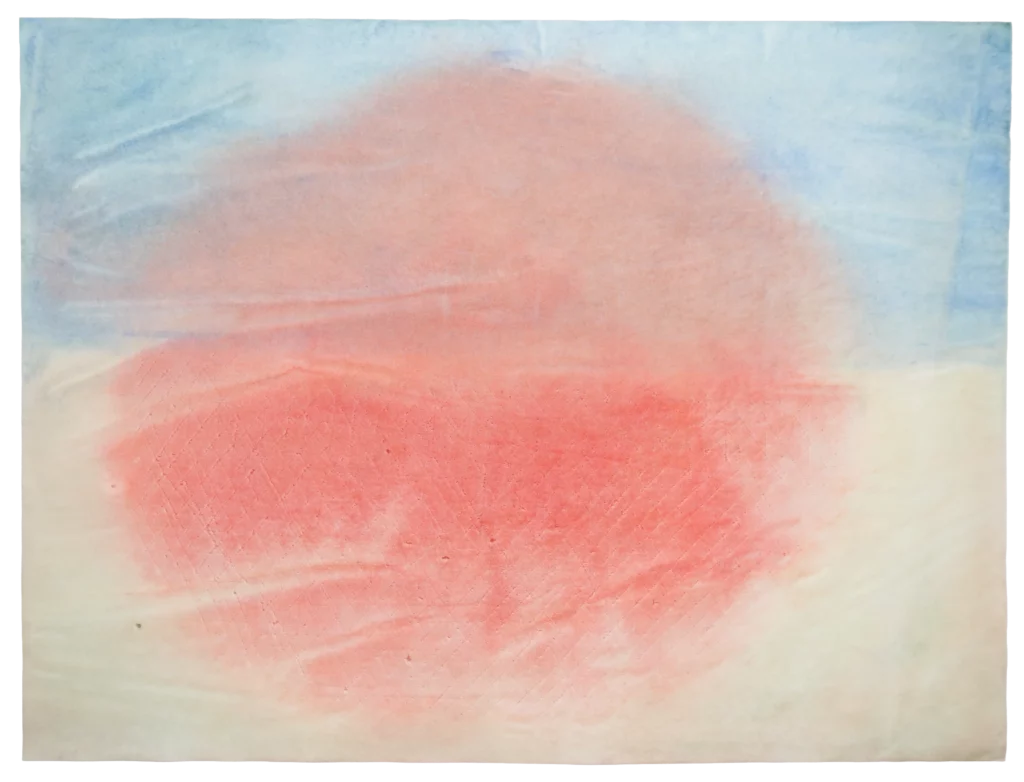
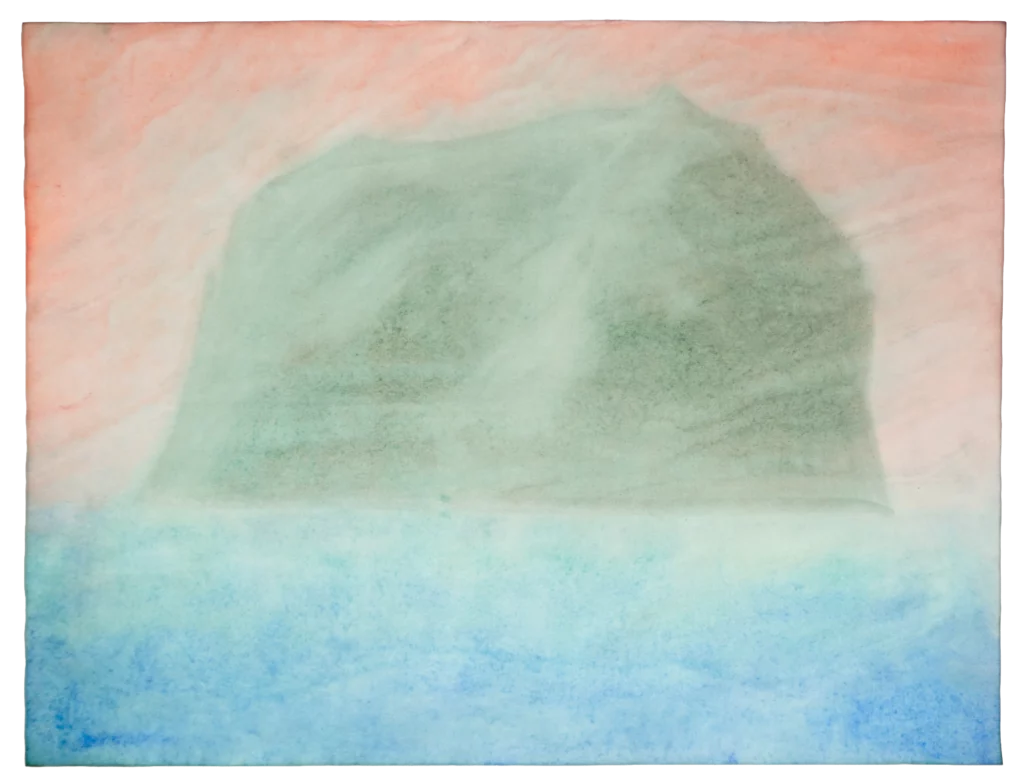
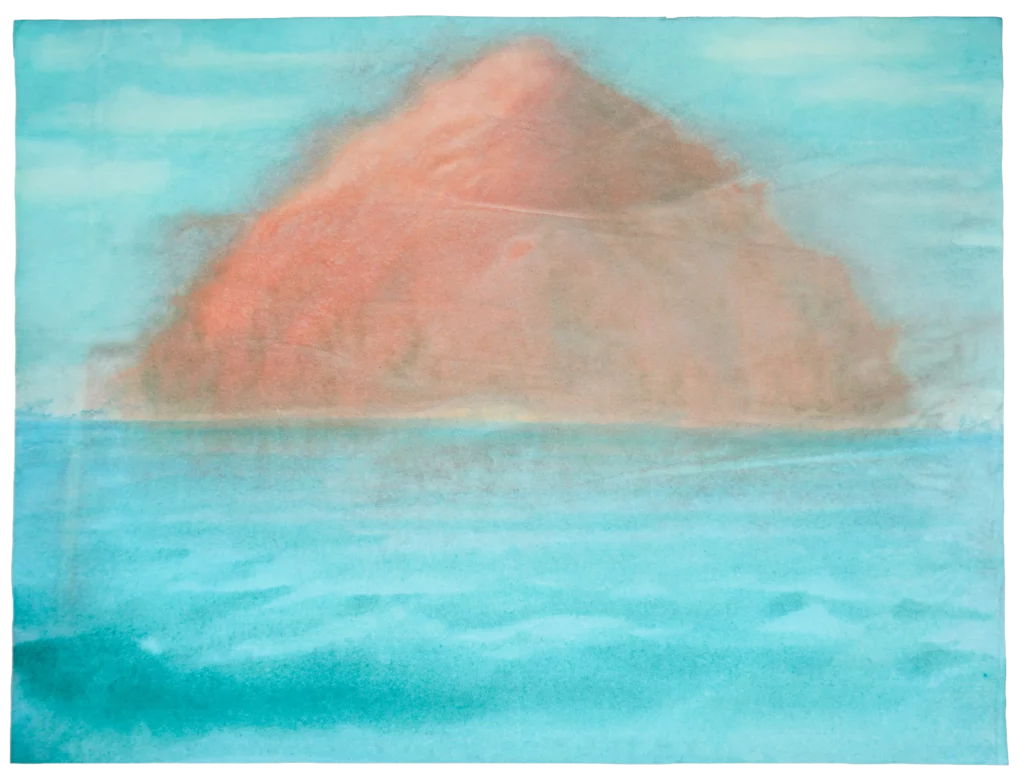
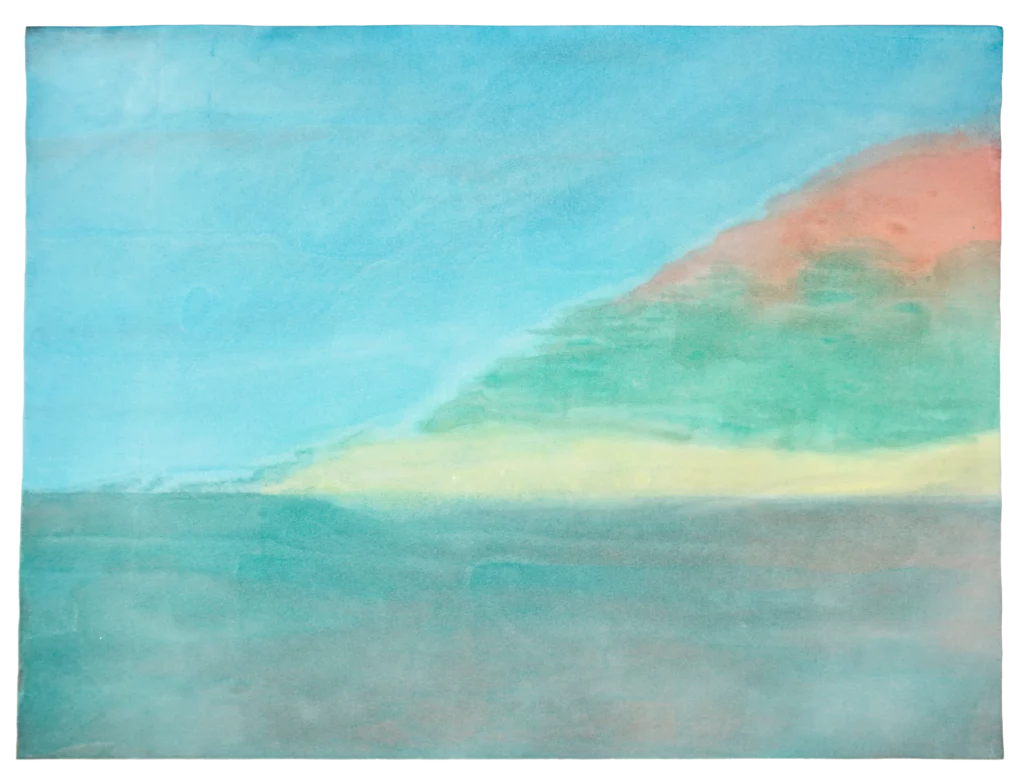
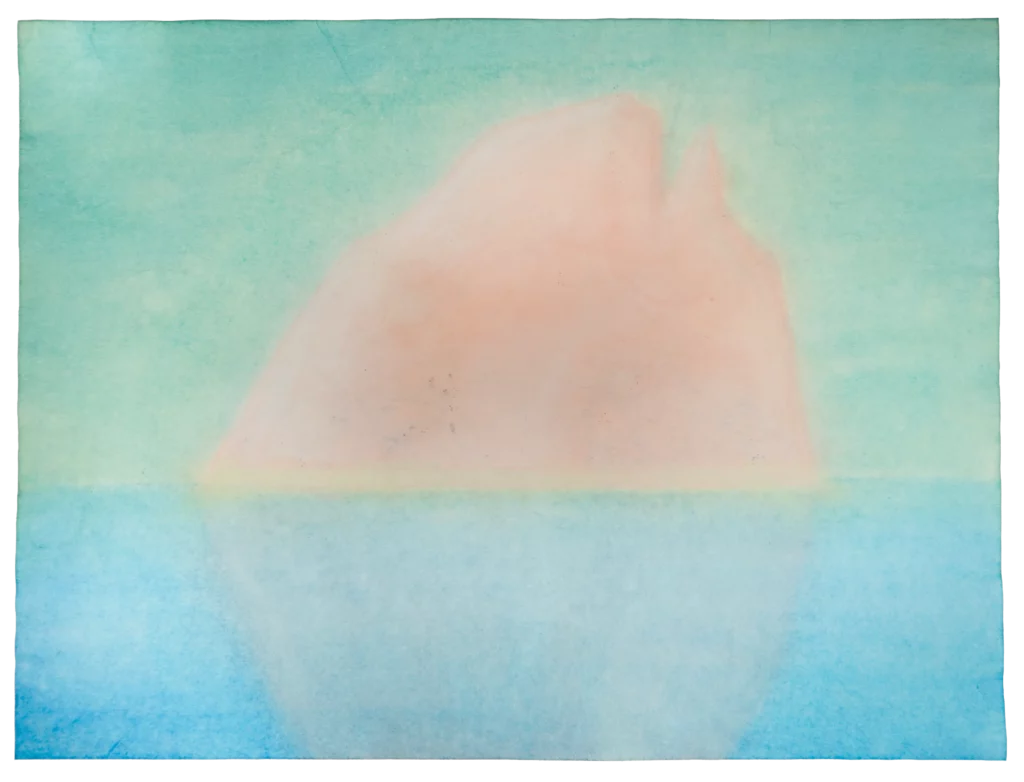
Morbihan (x5)
2019
Watercolor on paper
40 × 30 cm
15.8 × 11.8 in
Petit Paysage
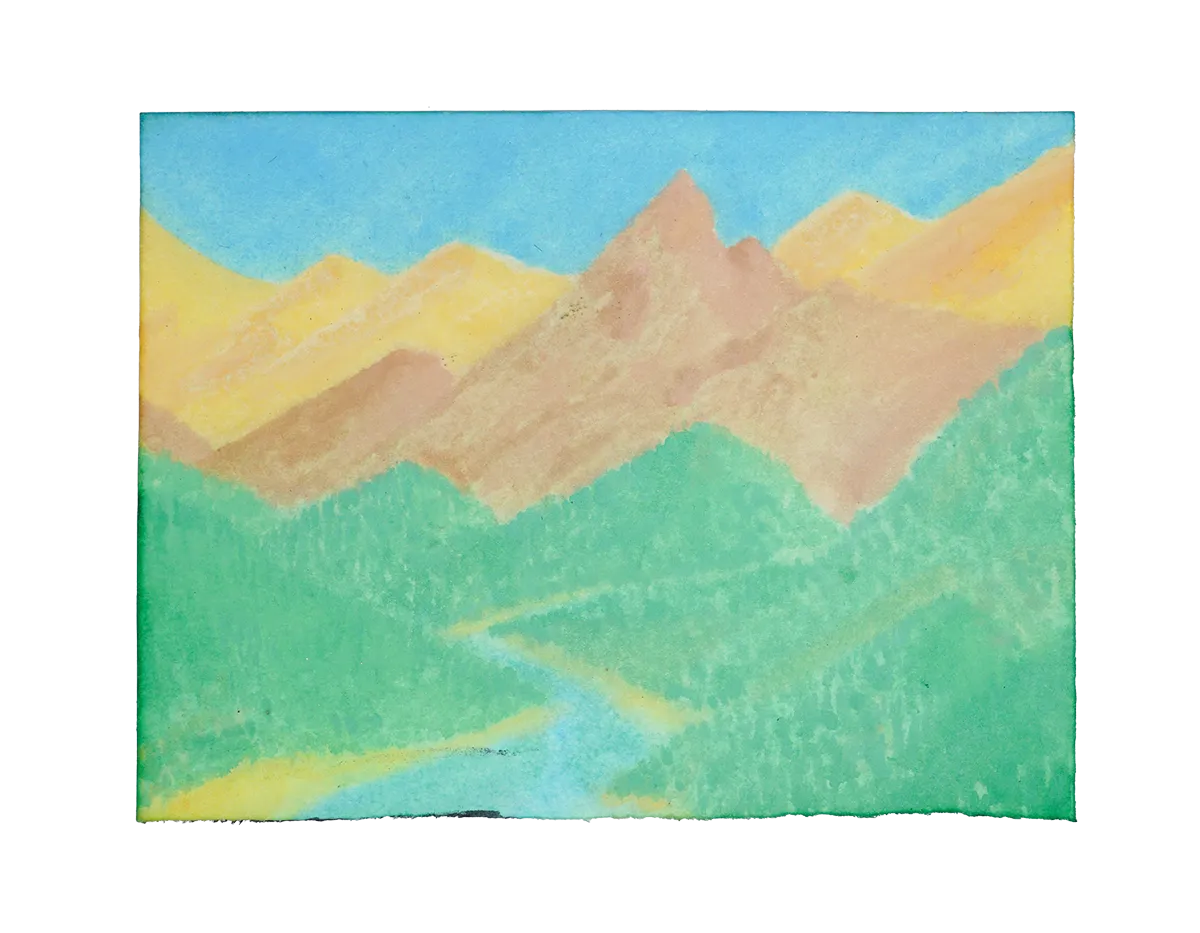
Petit Paysage
2019
Watercolor on paper
20 × 15 cm
7.9 × 5.9 in
Rivières Noires
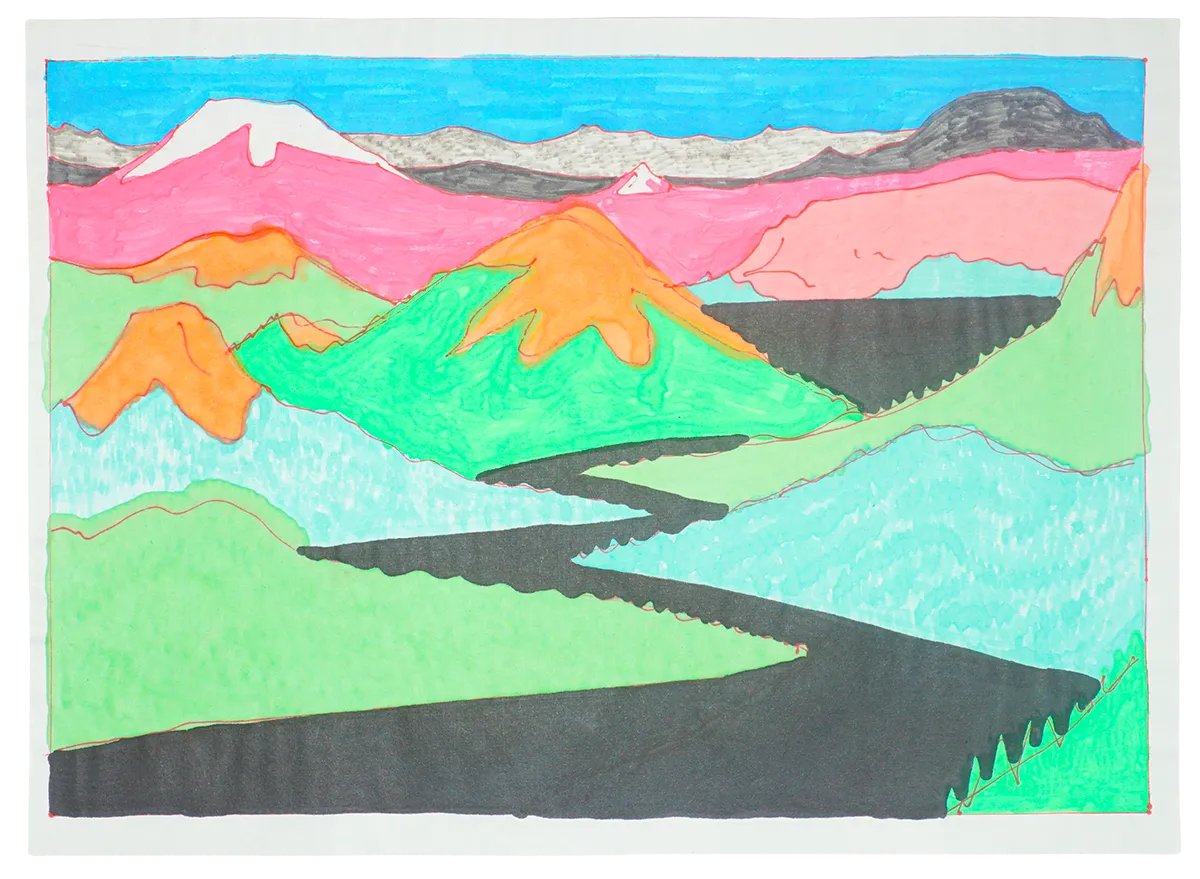
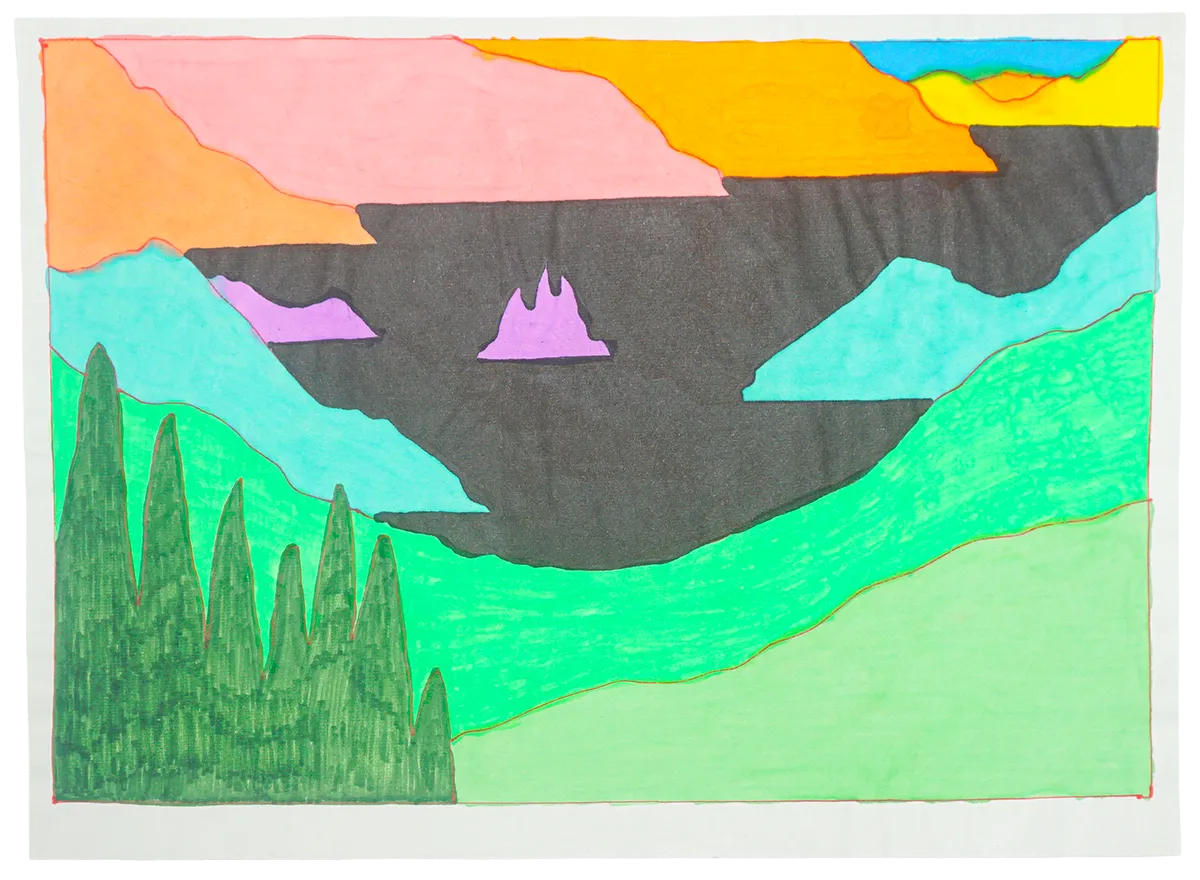
Rivières Noires (x2)
2019
Ink on paper
32 x 24 cm
12.5 × 9.5 in
2018
Fluos
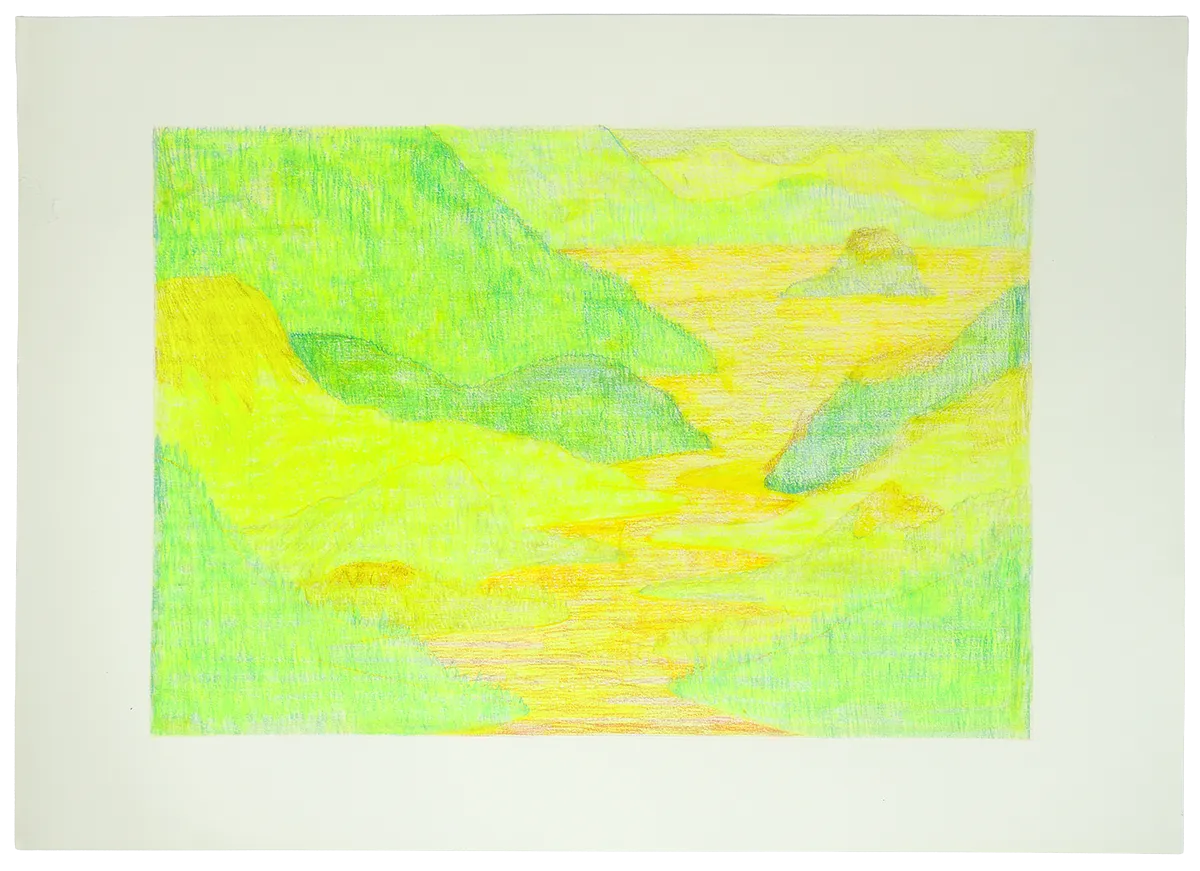
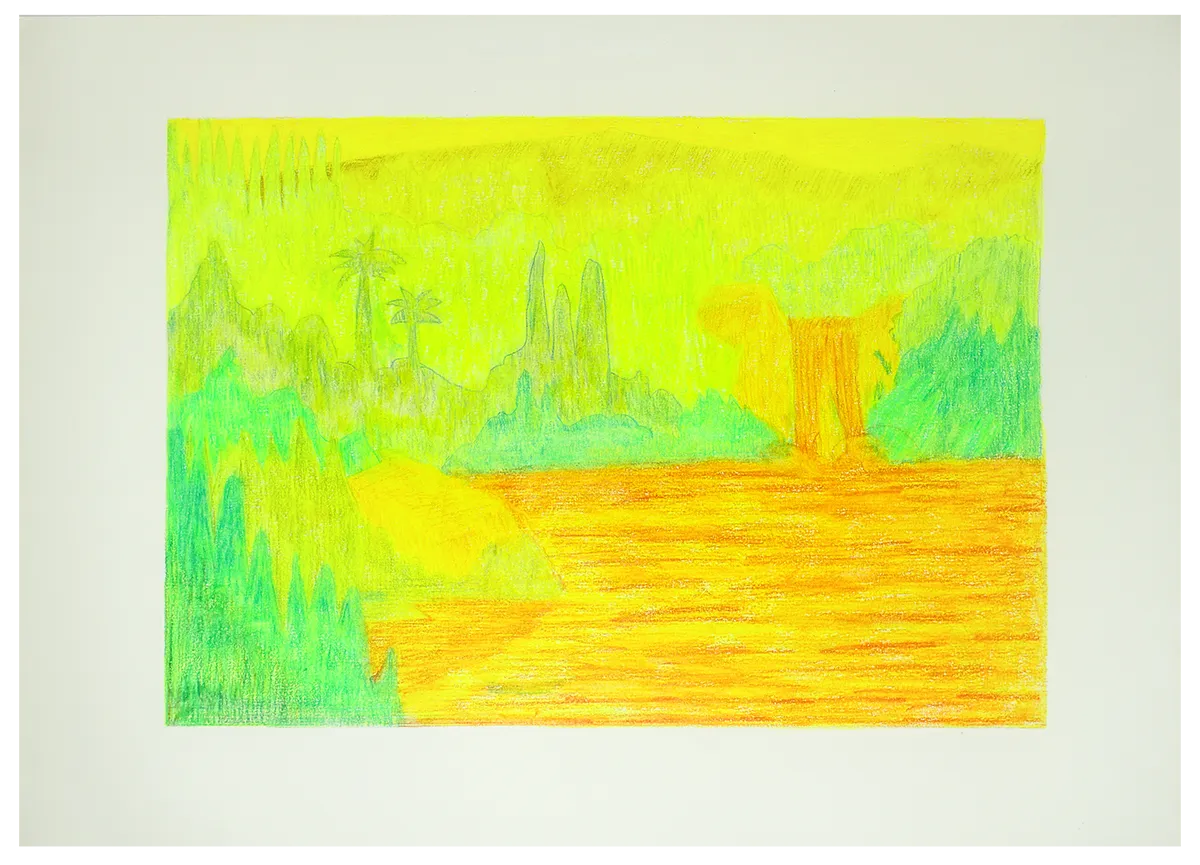
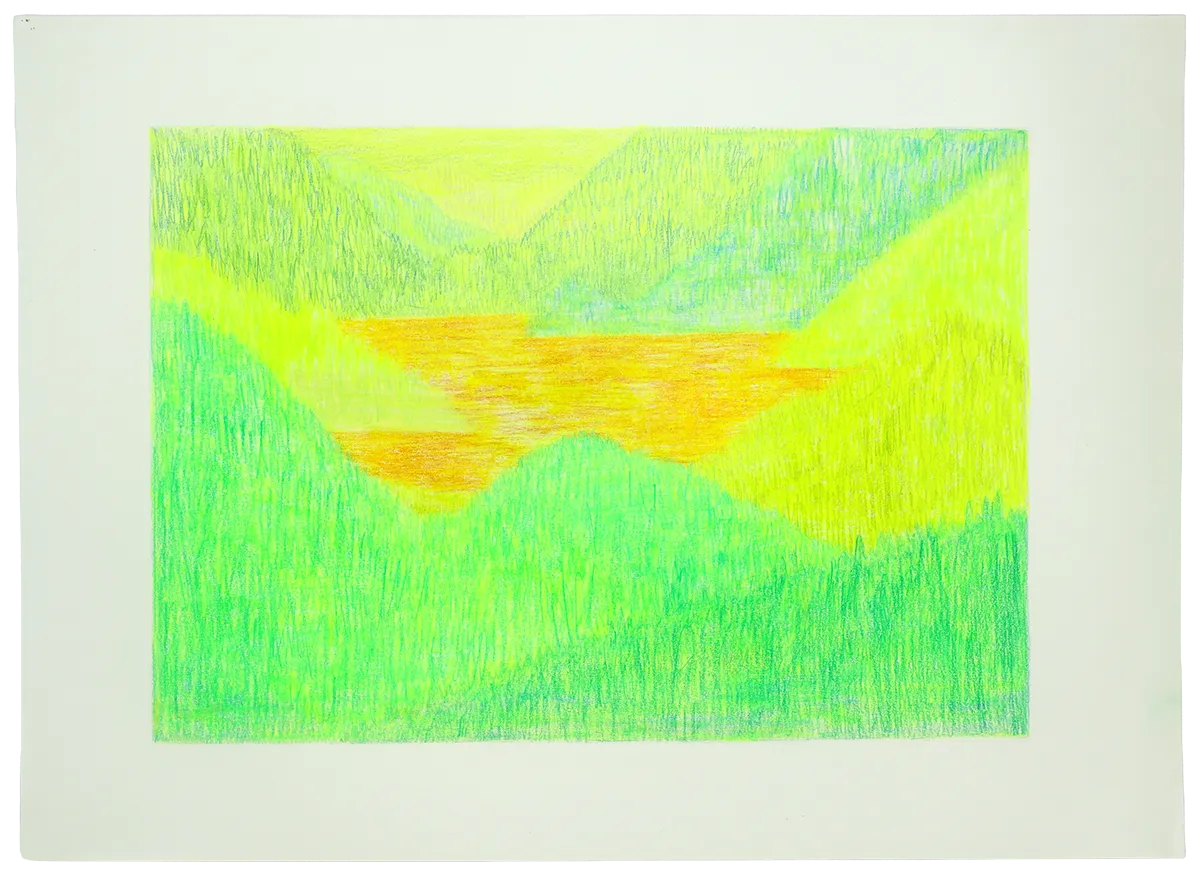
Fluos (x2)
2018
Pencil and ink on paper
42 × 29,7 cm
16.5 × 11.7 in
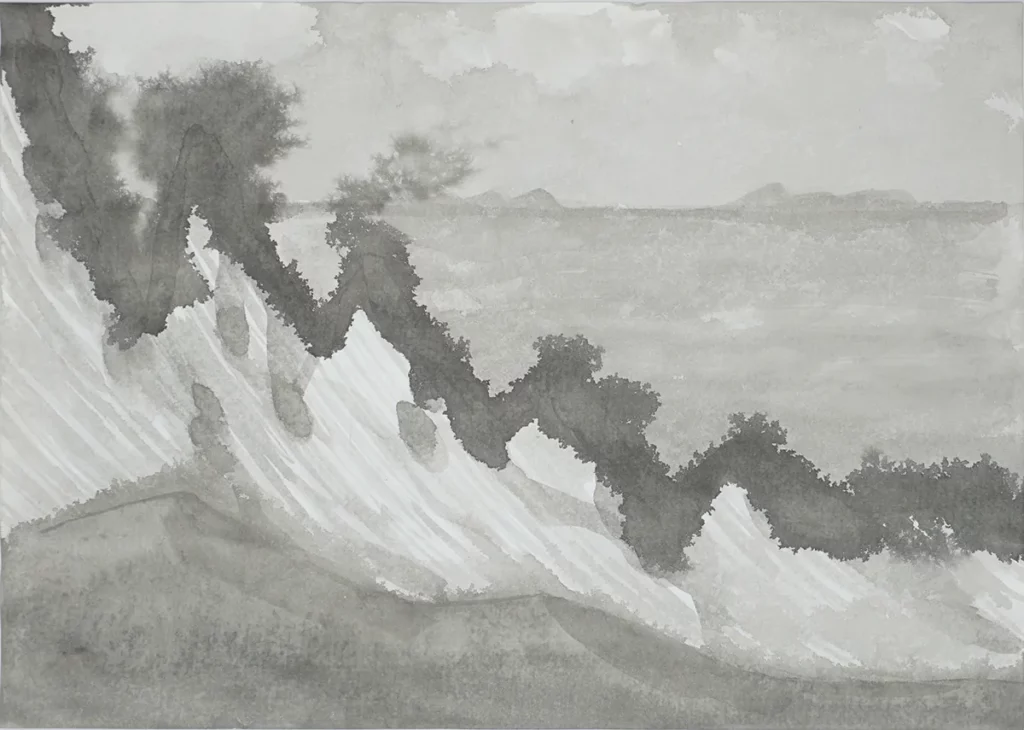
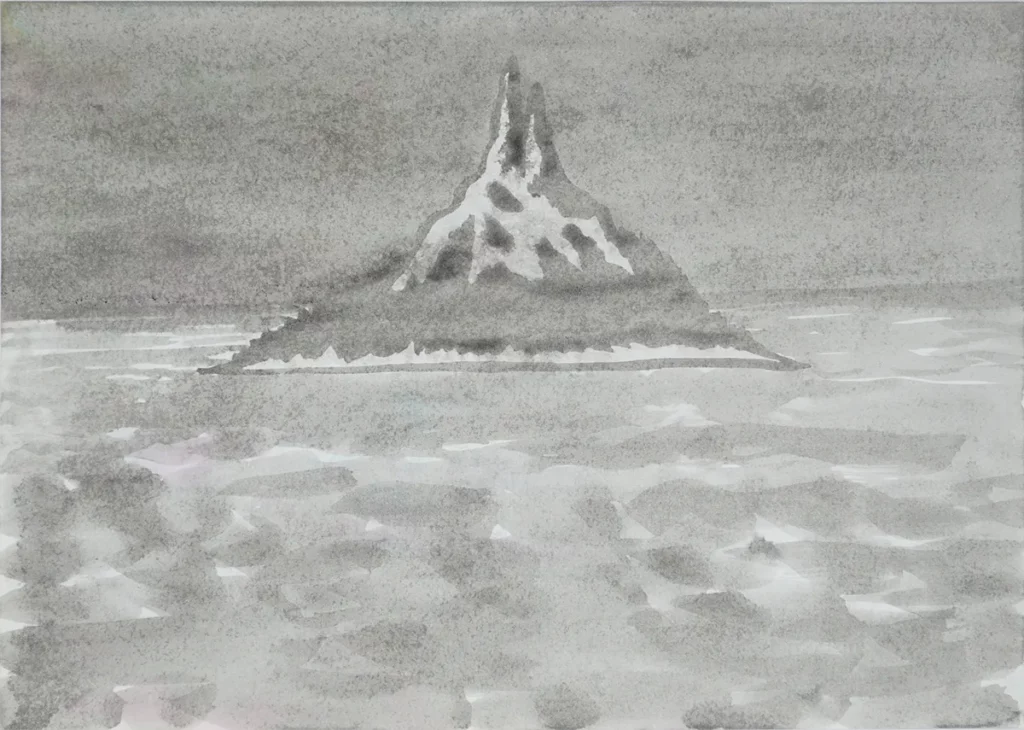
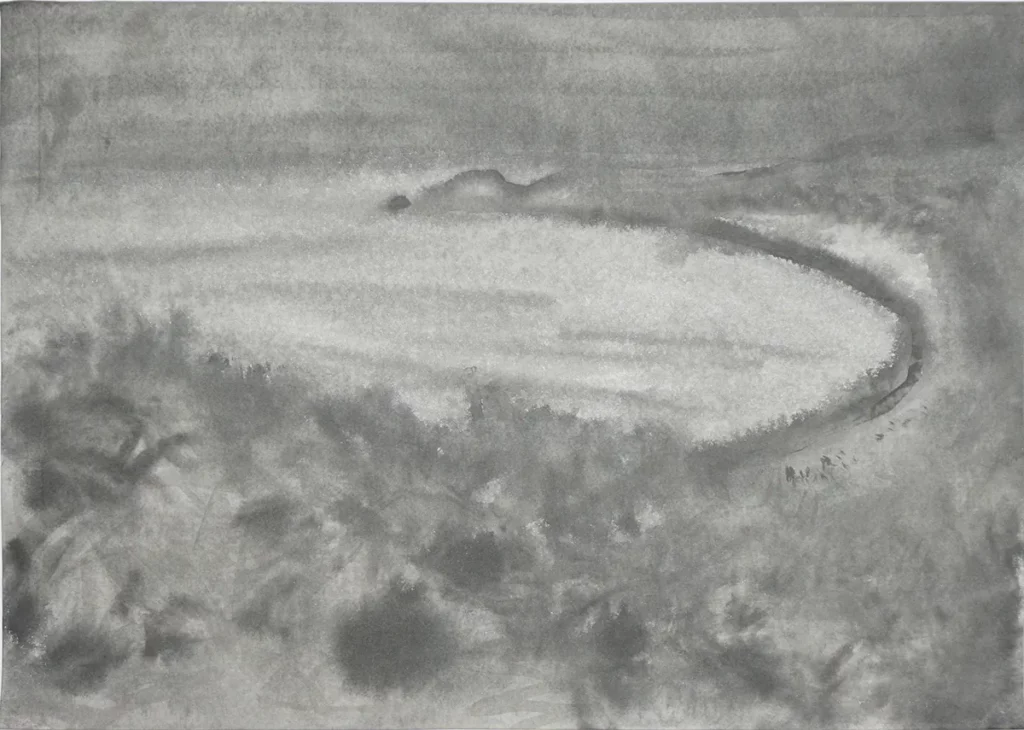
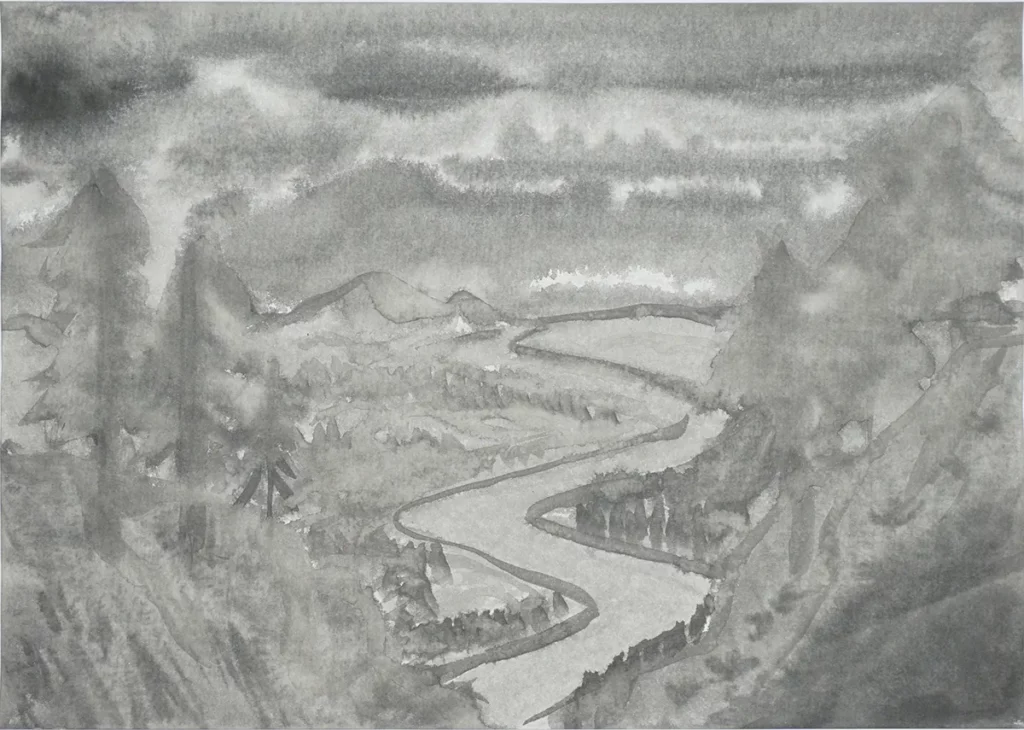
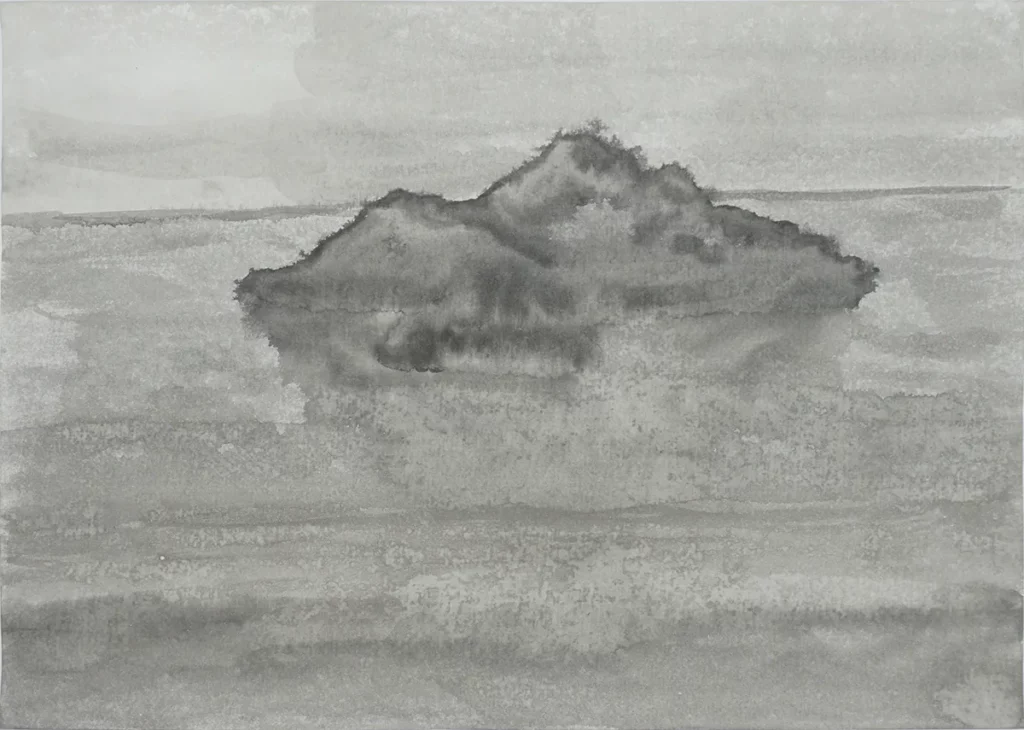
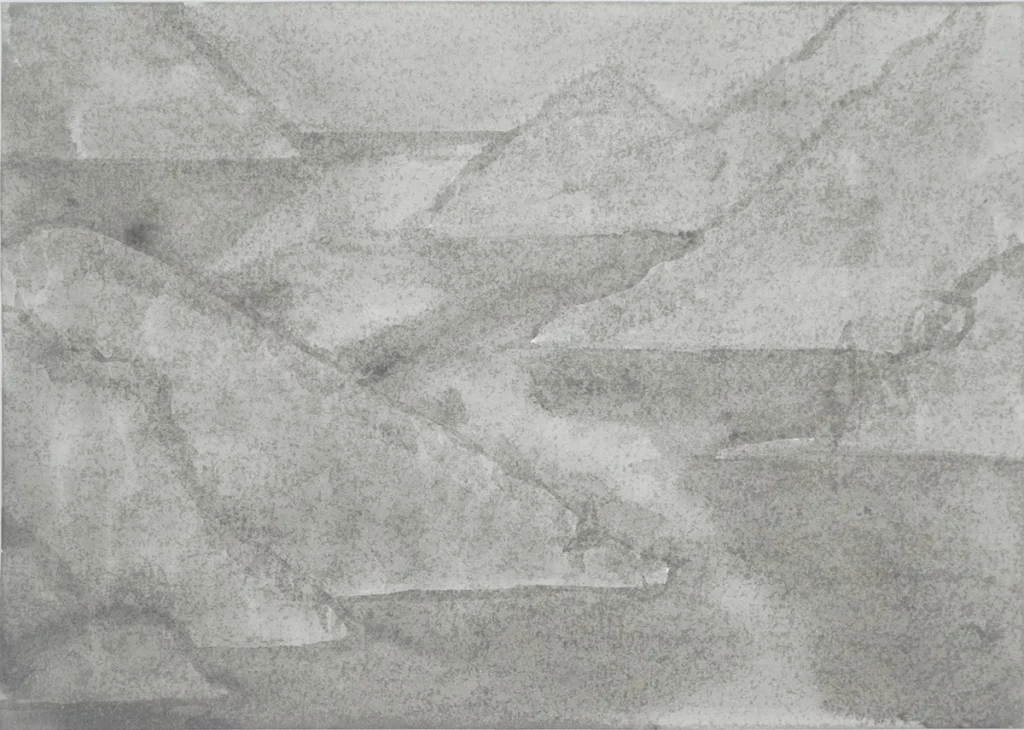
Taïga
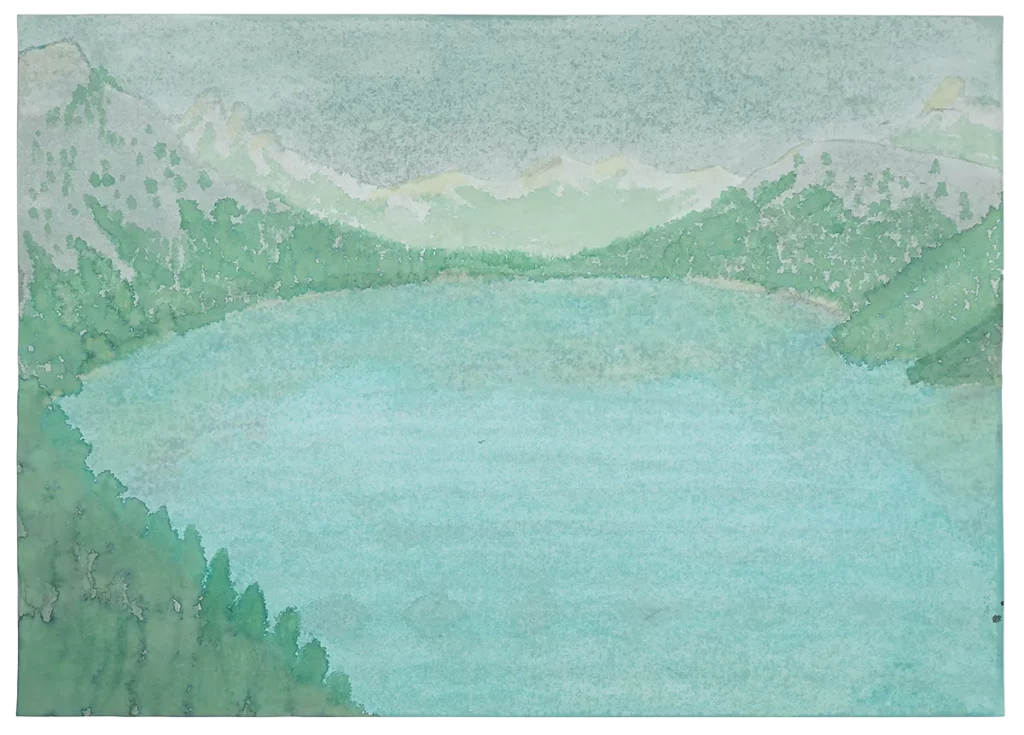
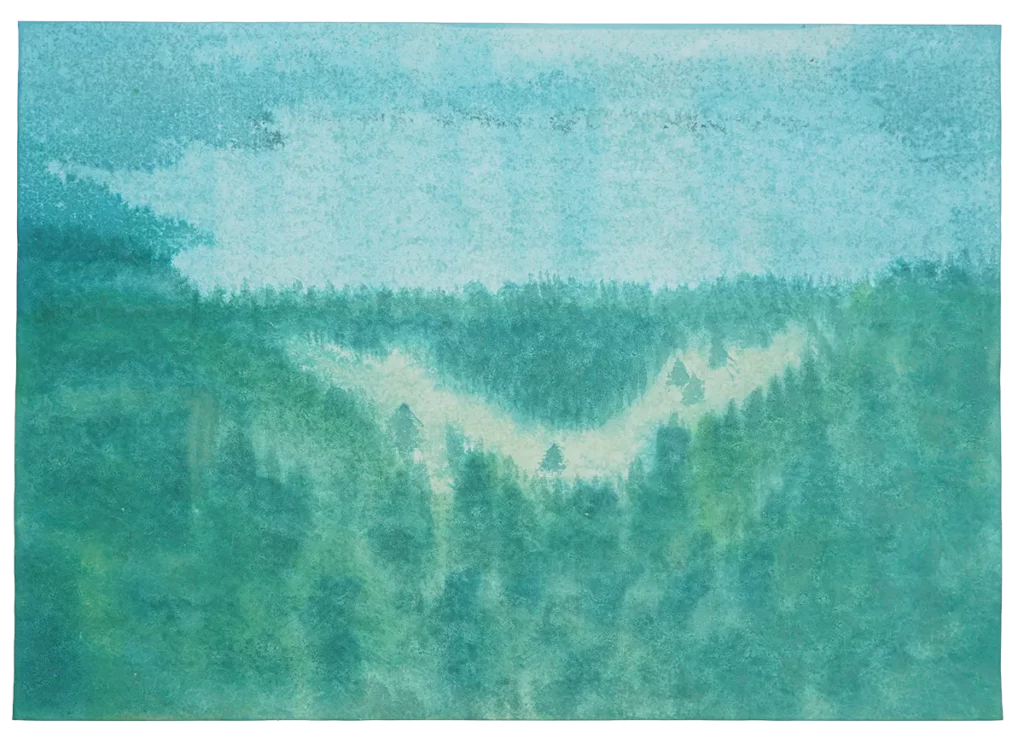
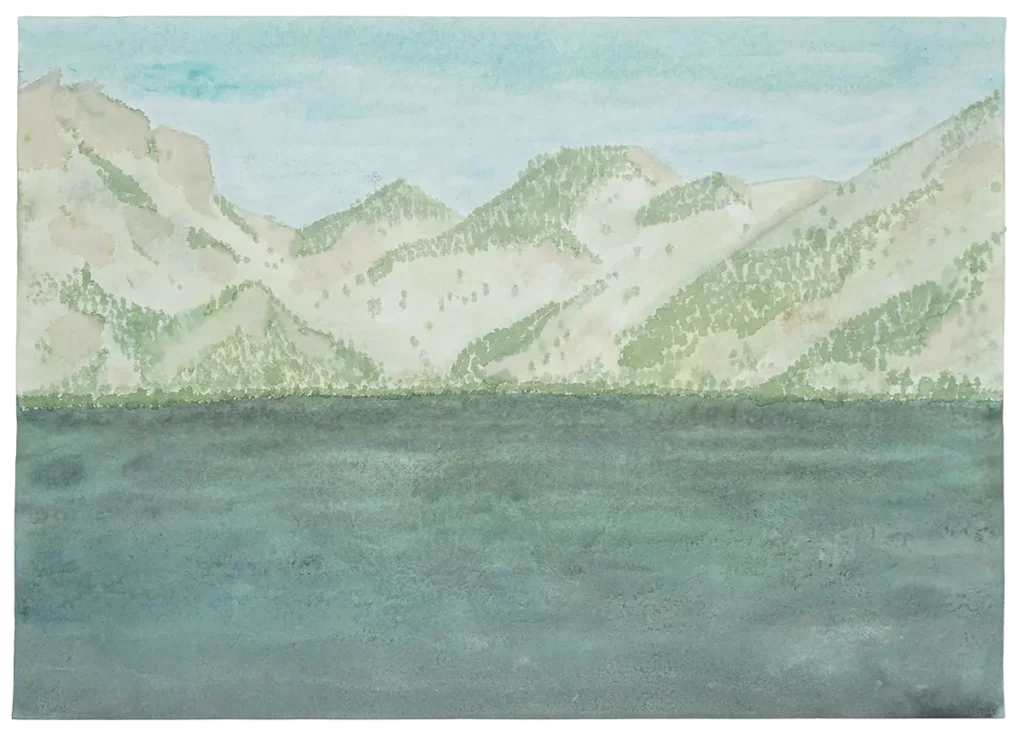
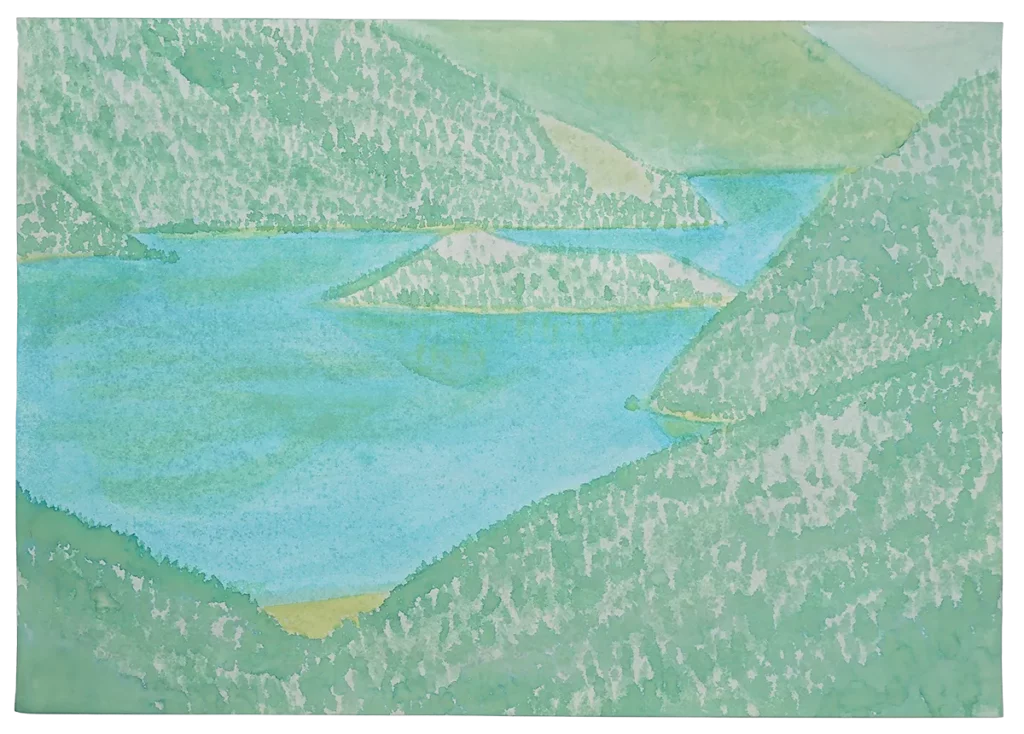
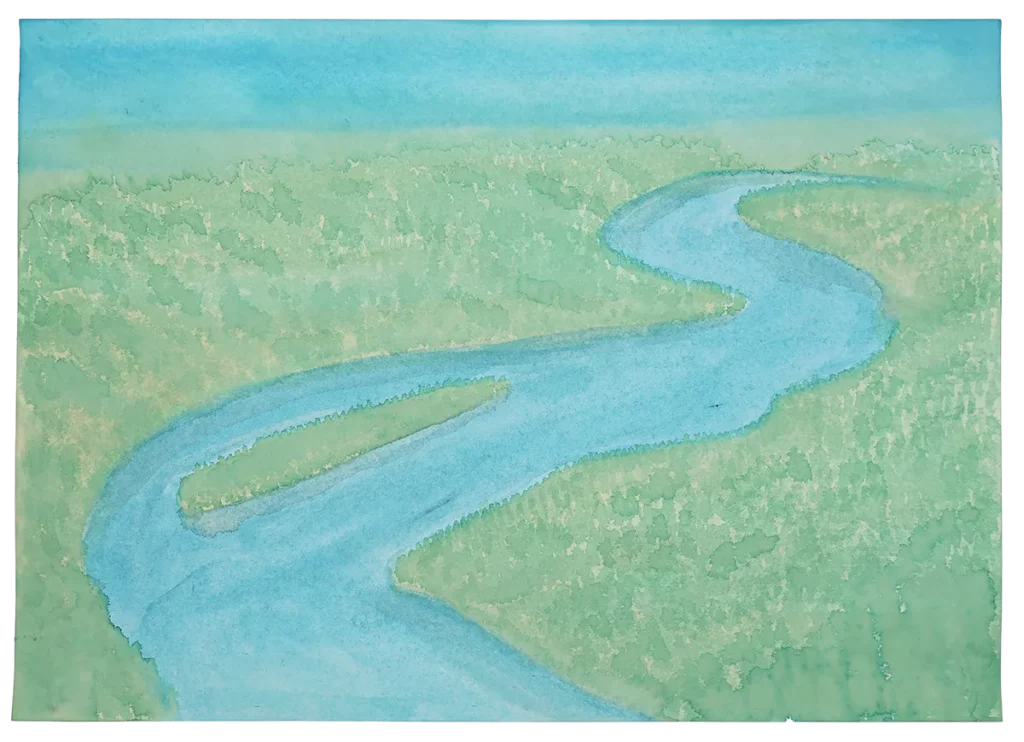
Taïga (x5)
2018
Watercolor on paper
29,7 × 21 cm
11.7 × 8.3 in
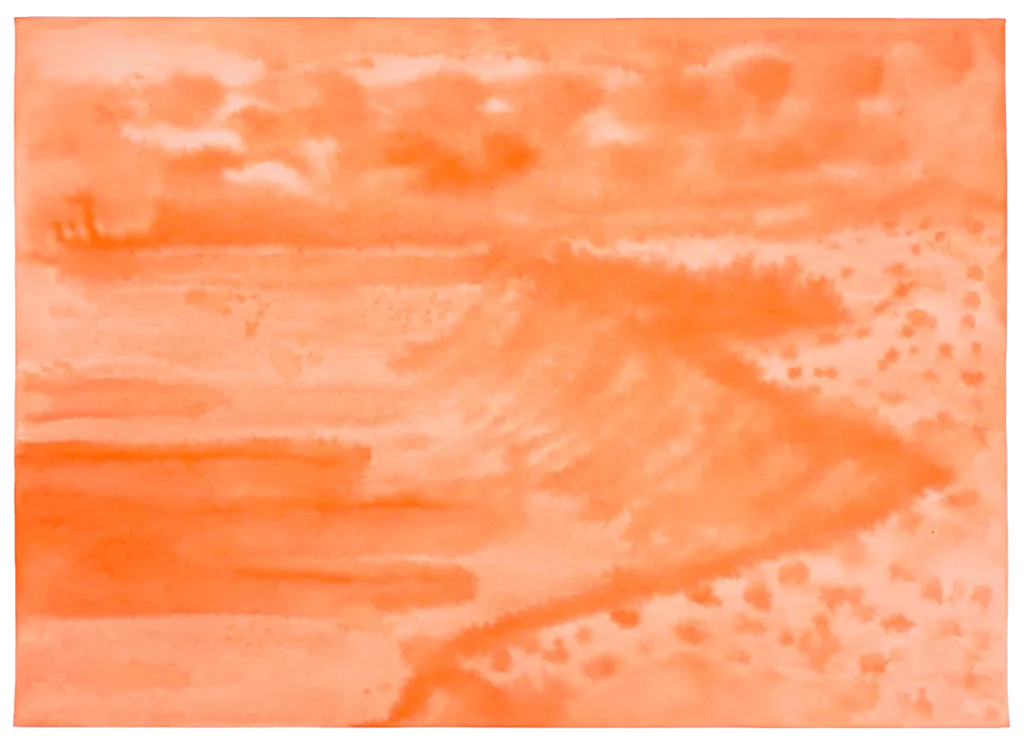
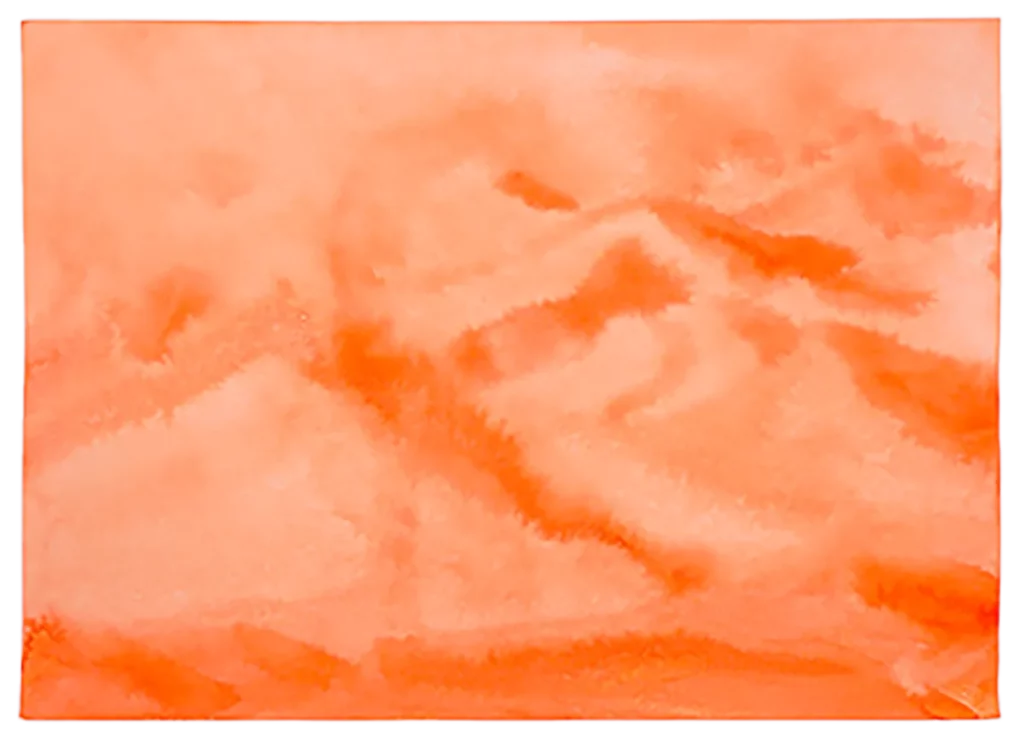
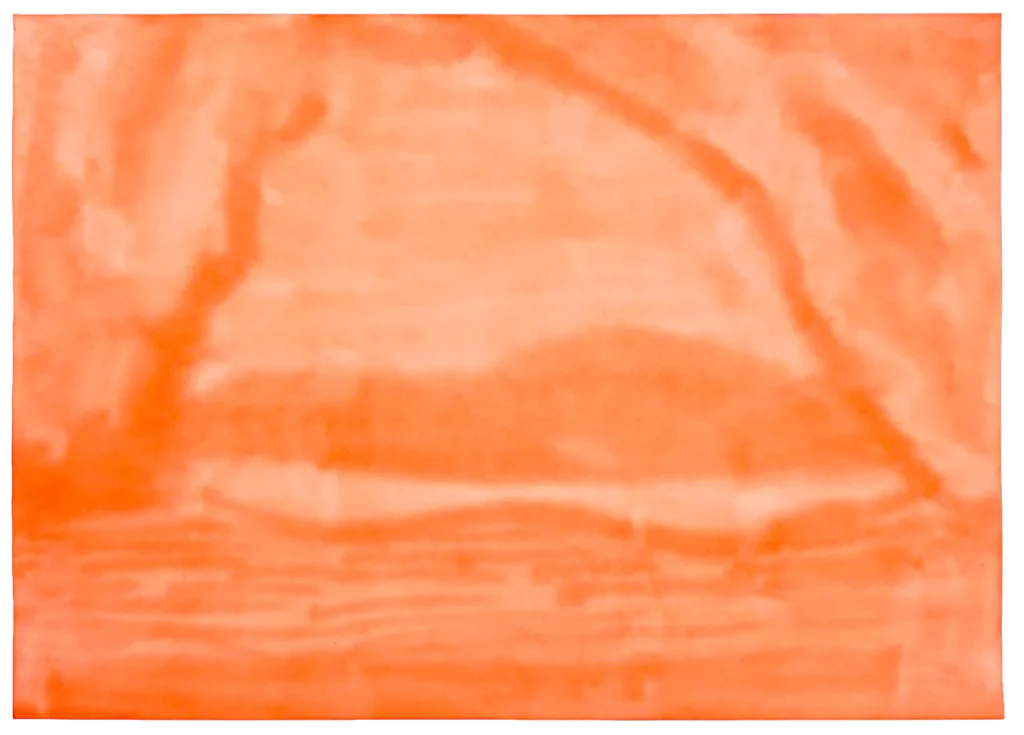
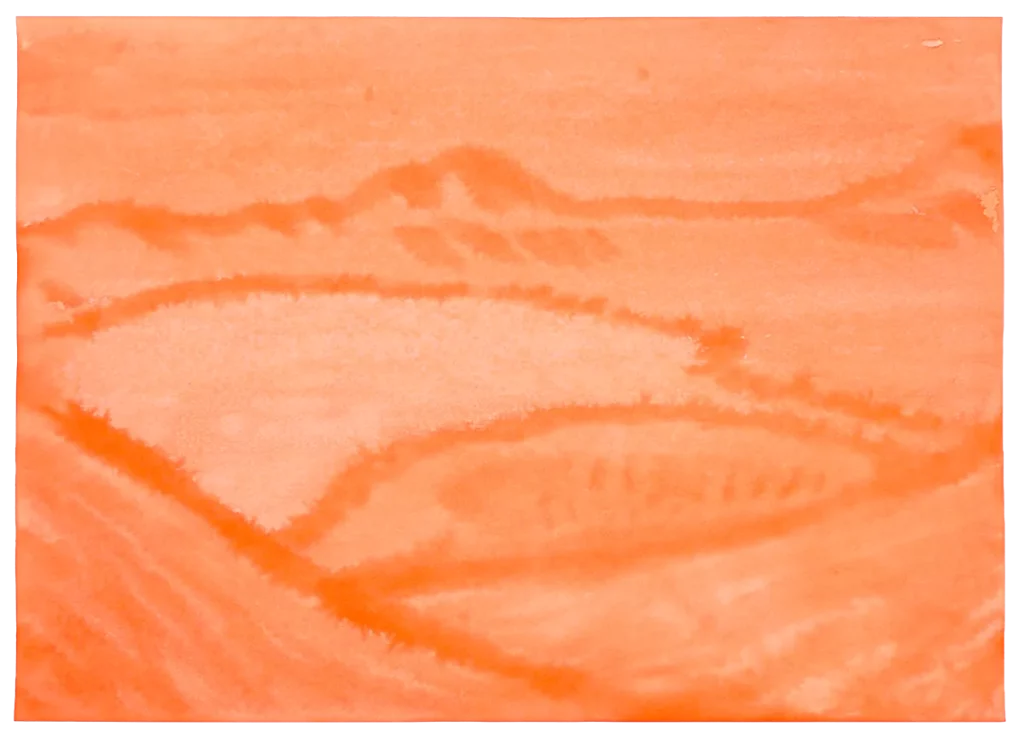
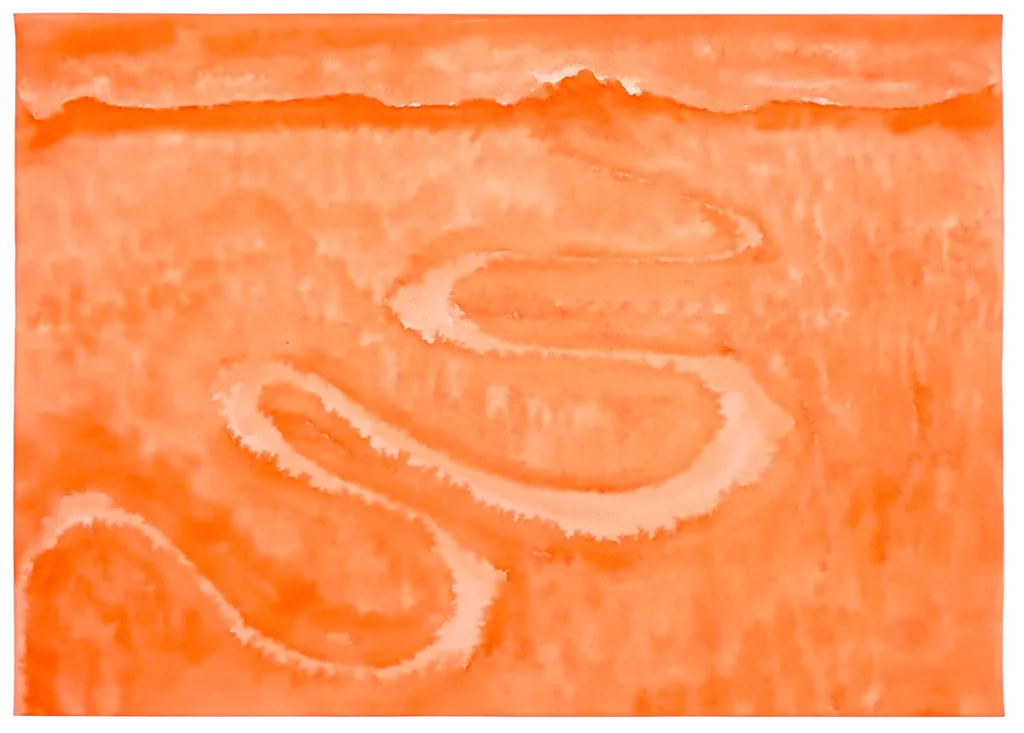
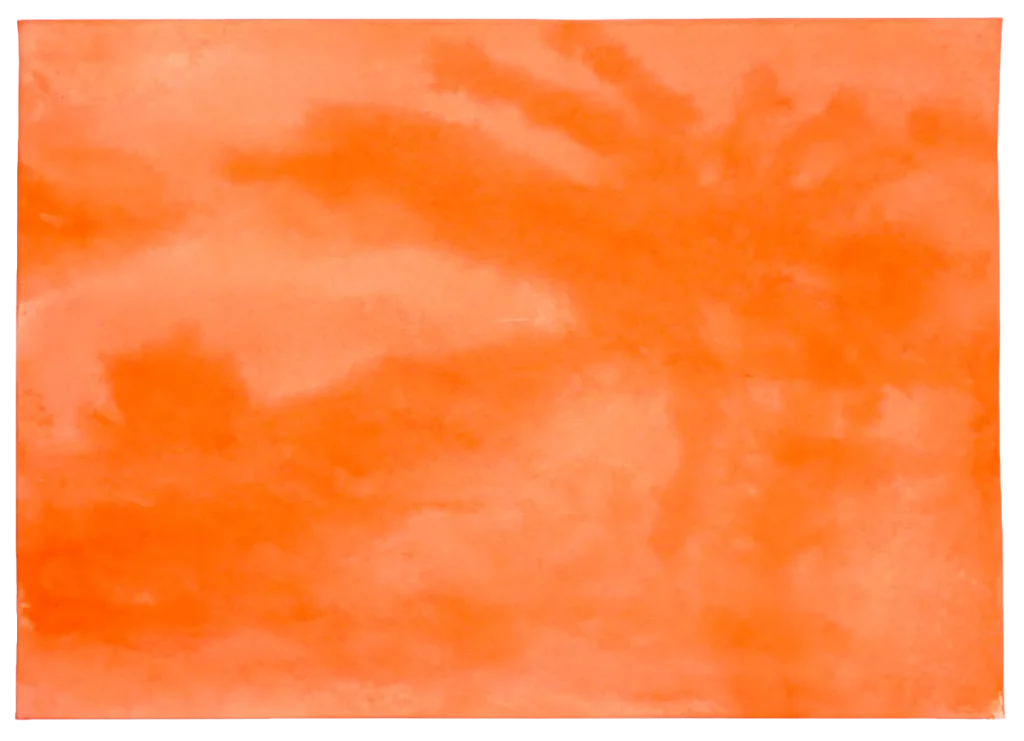
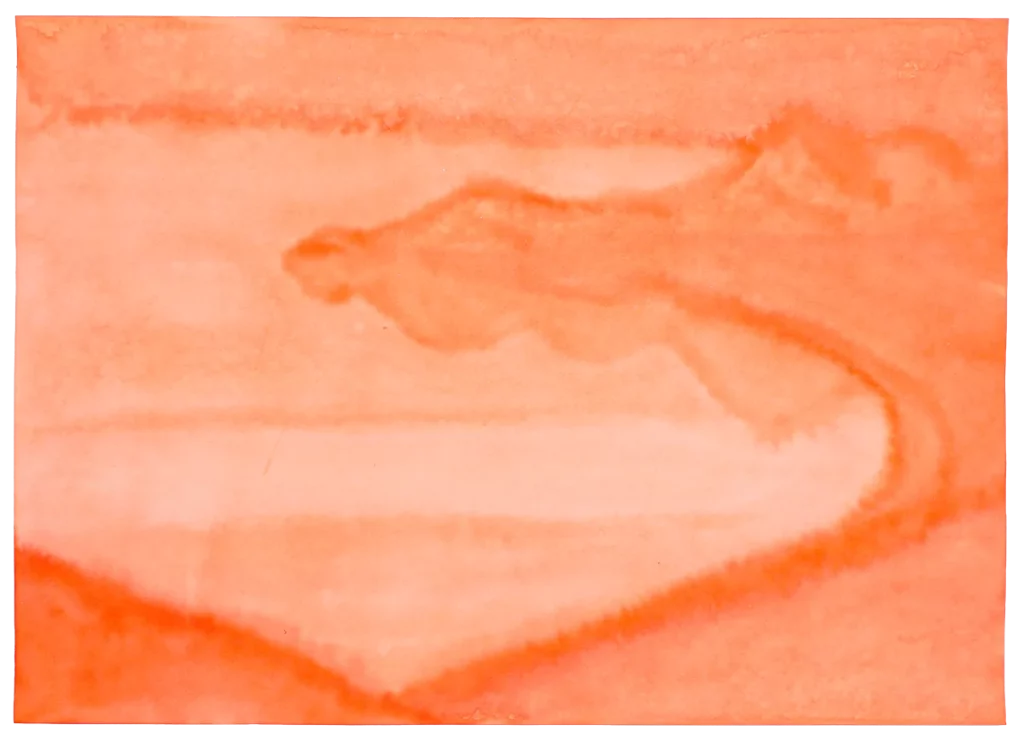
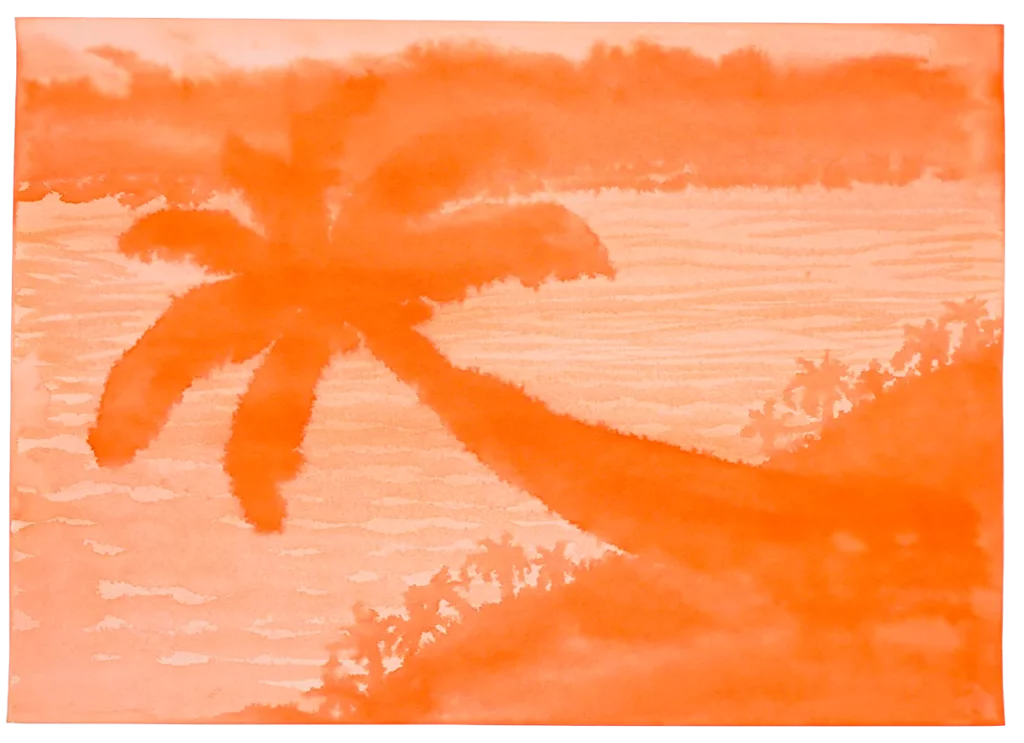
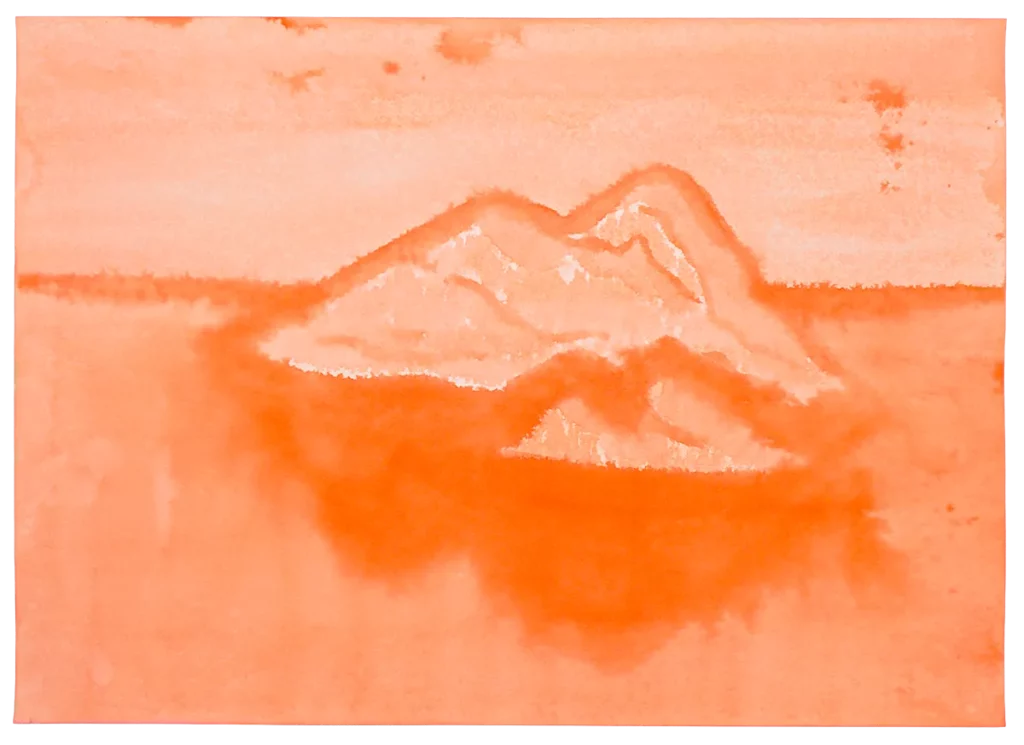
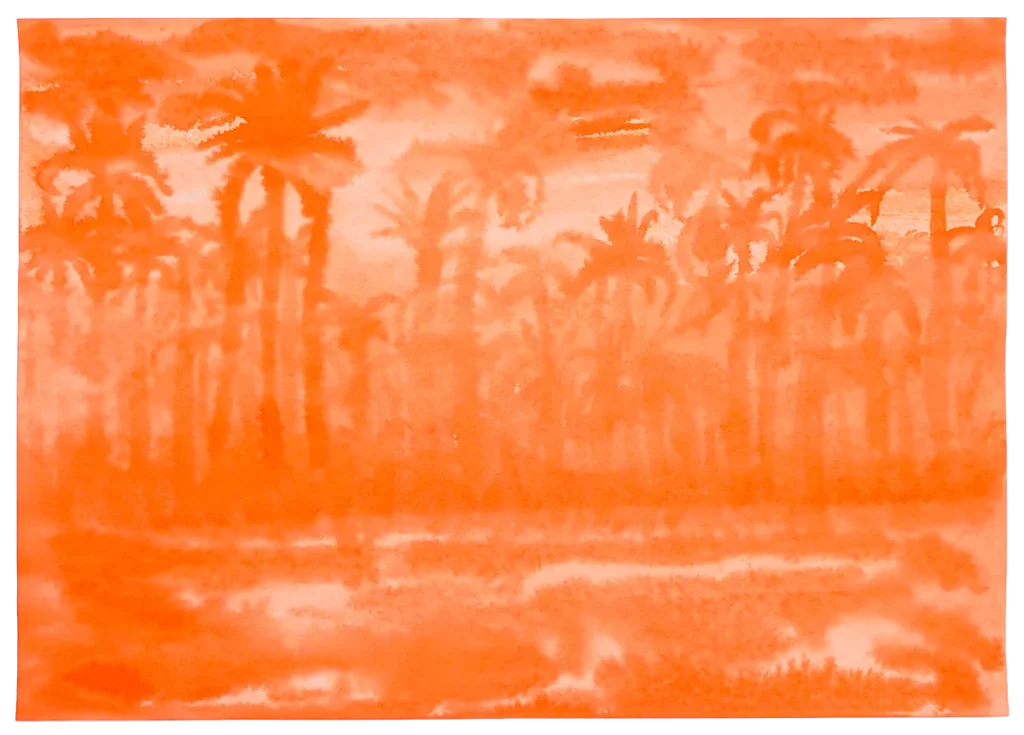
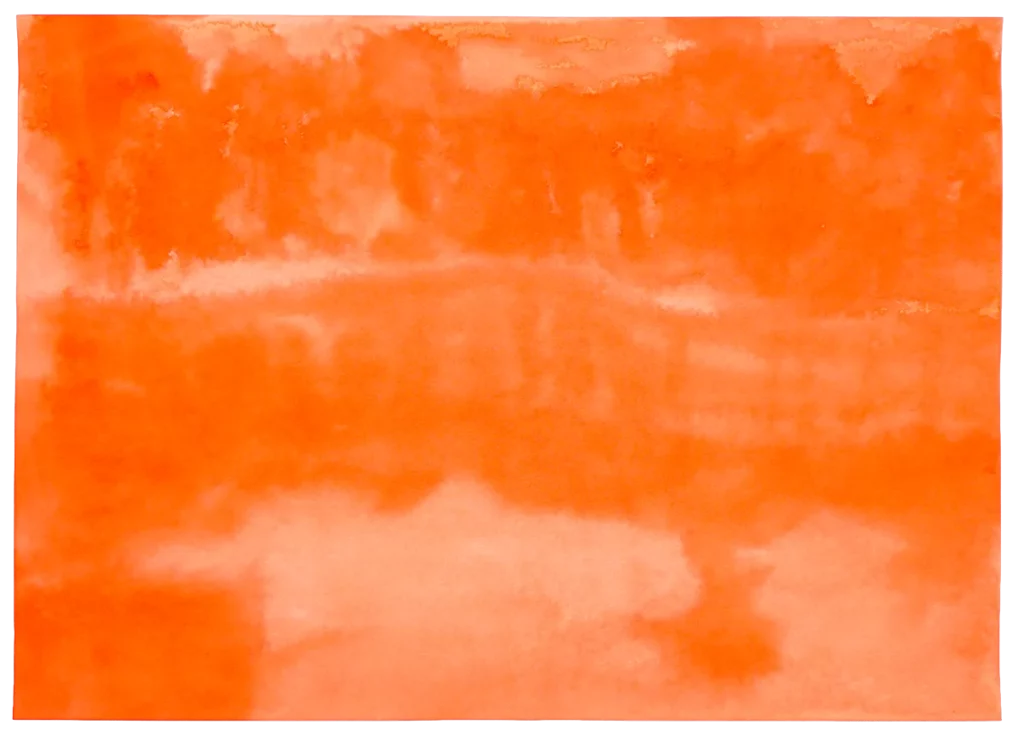
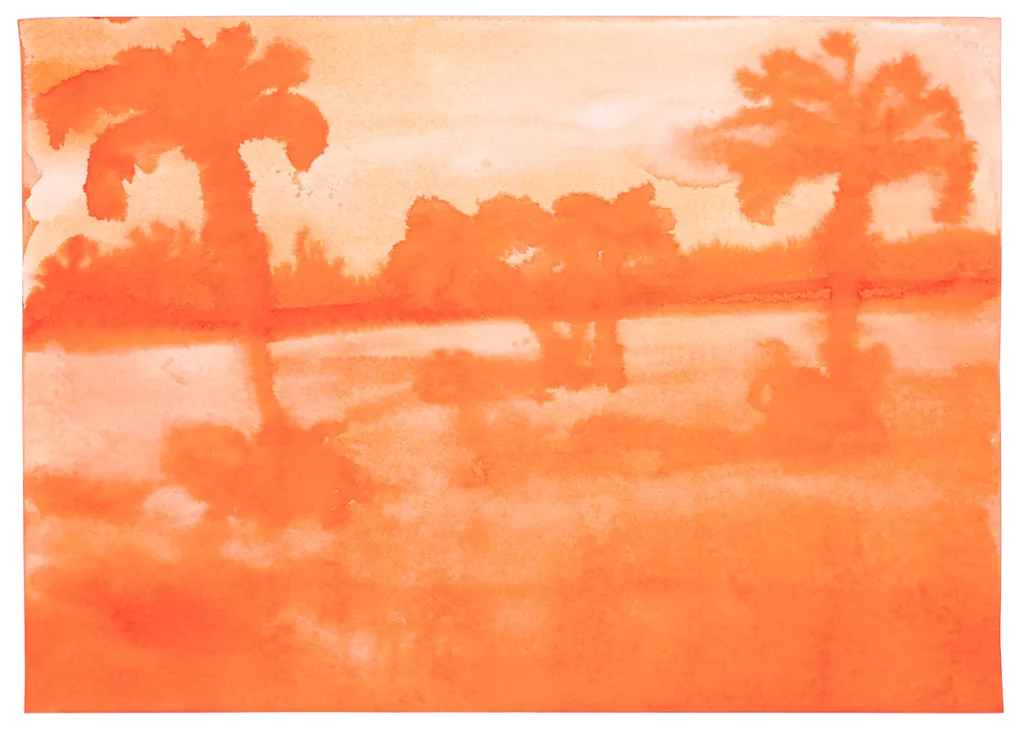
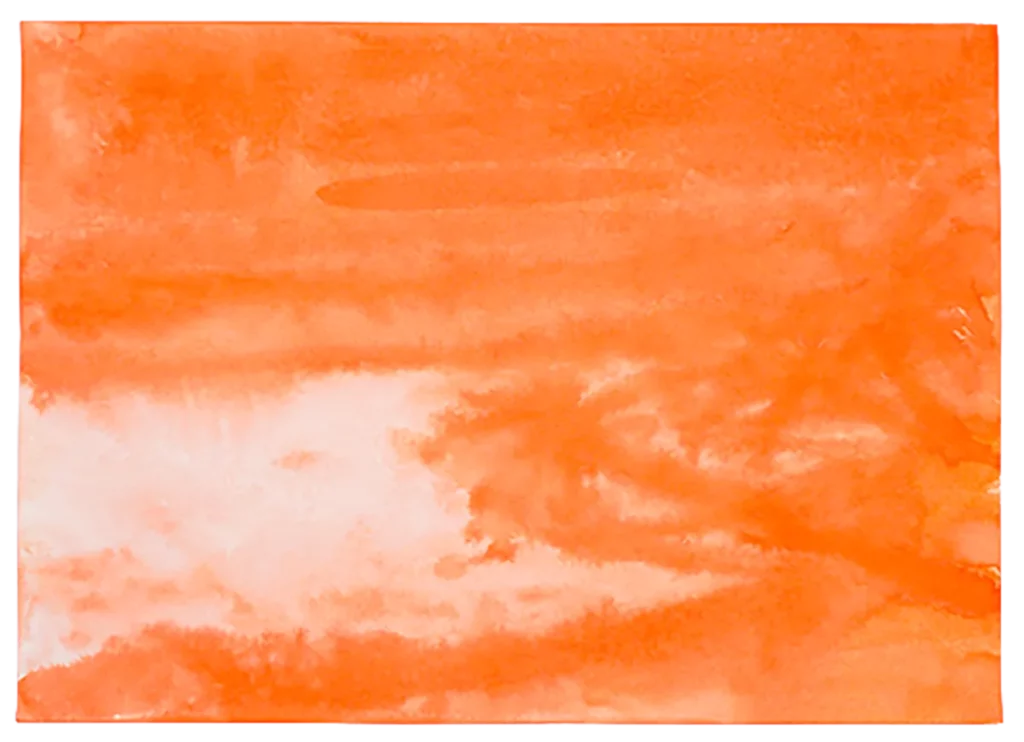
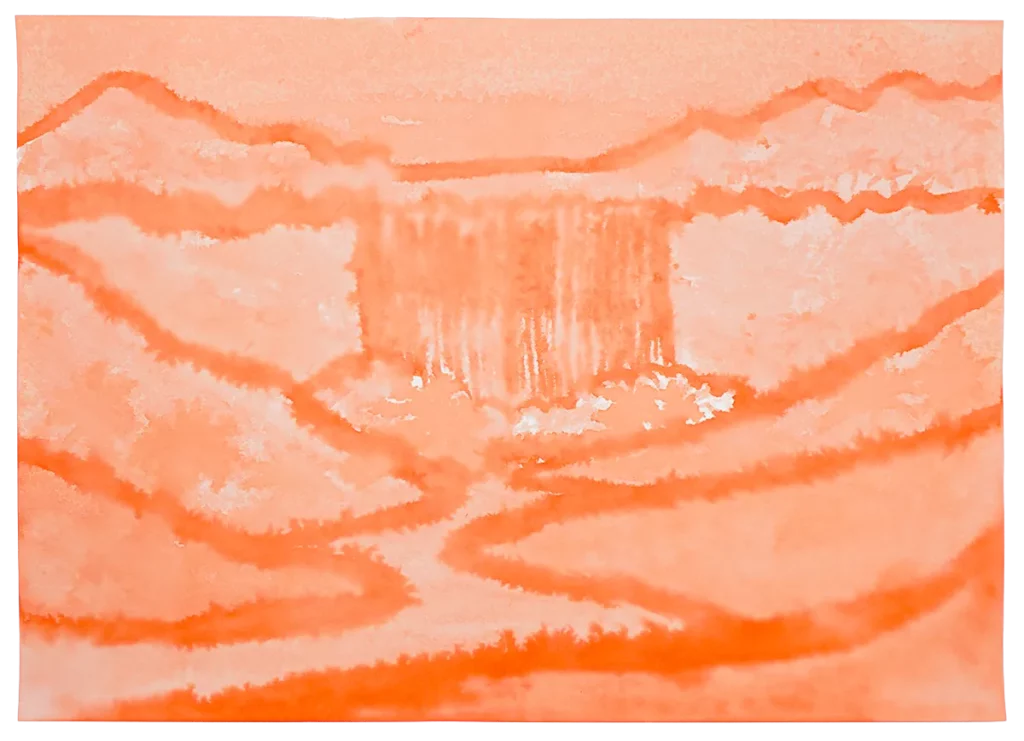
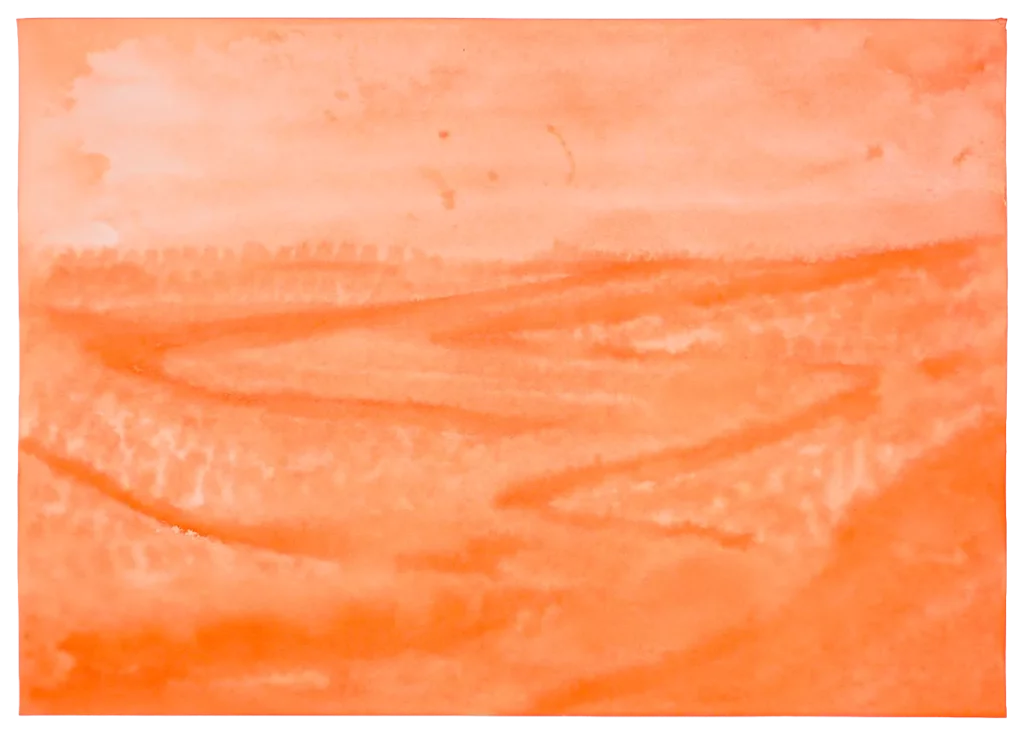
Vénus
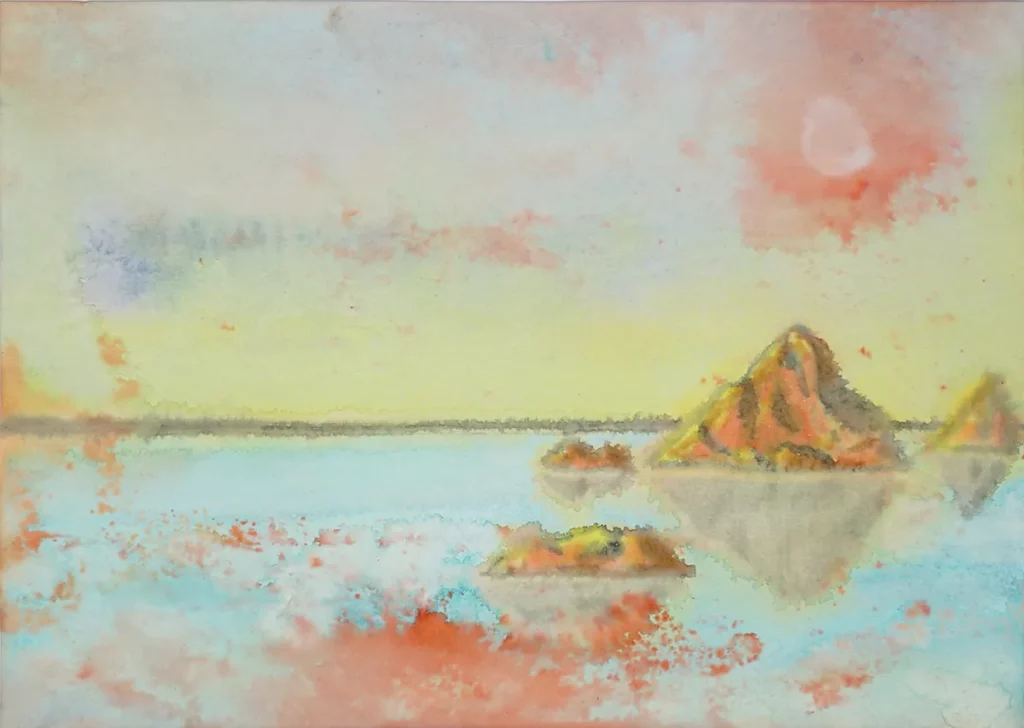
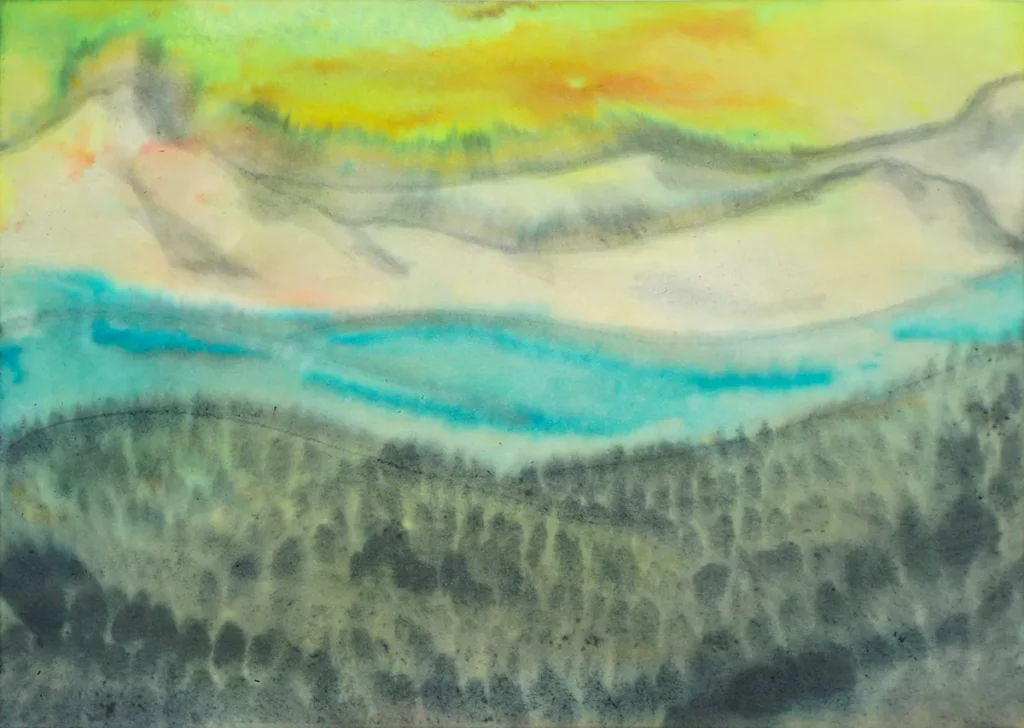
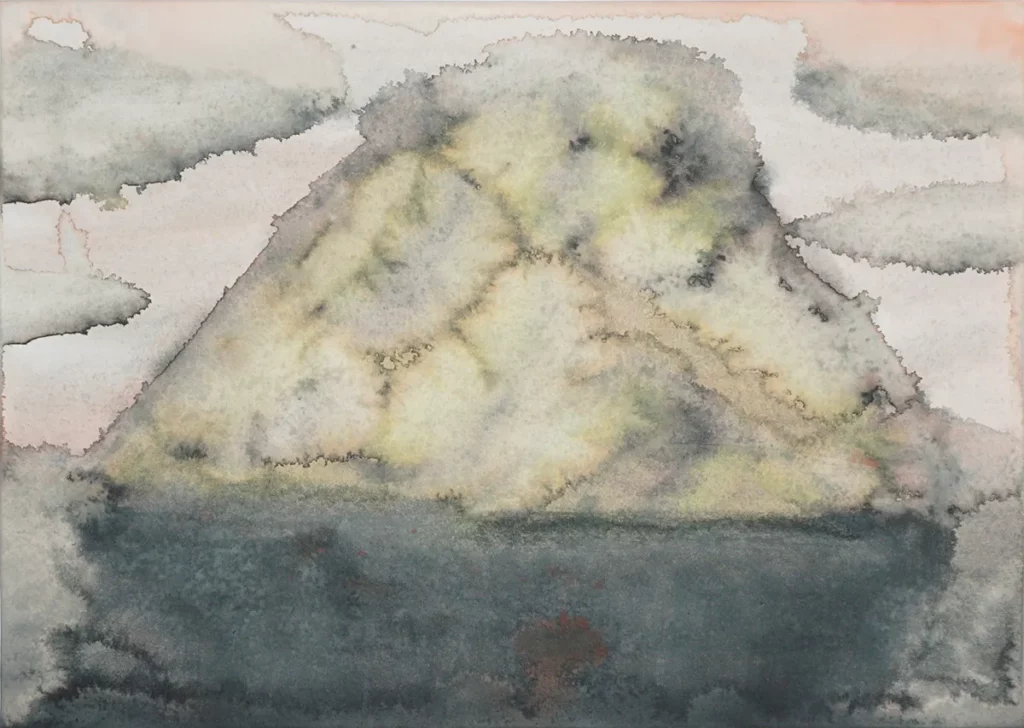
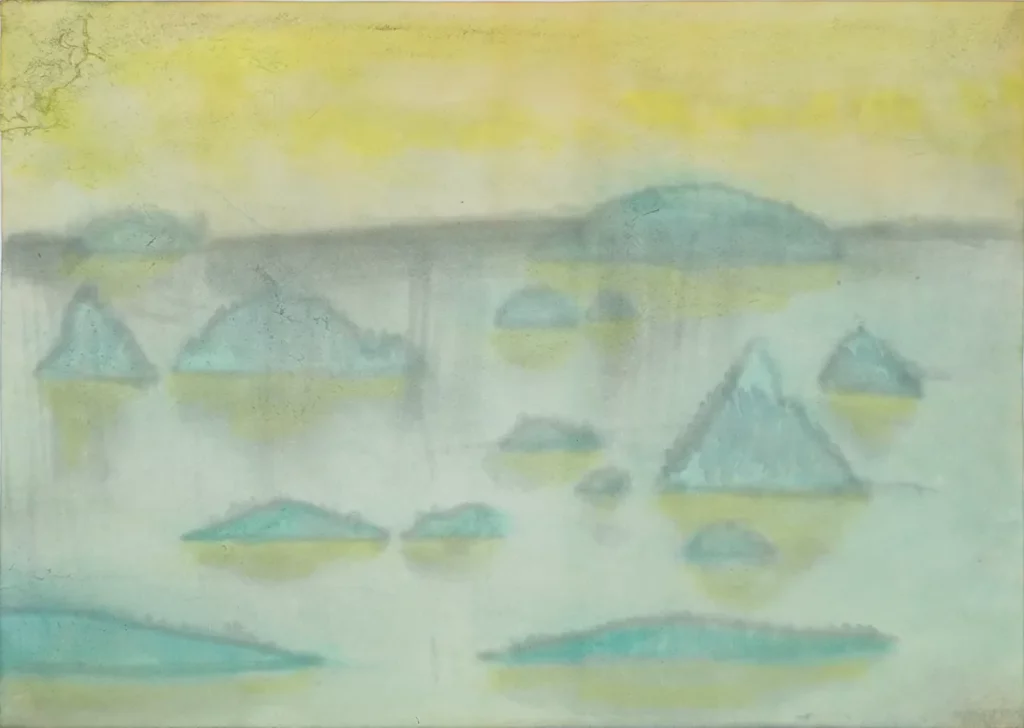
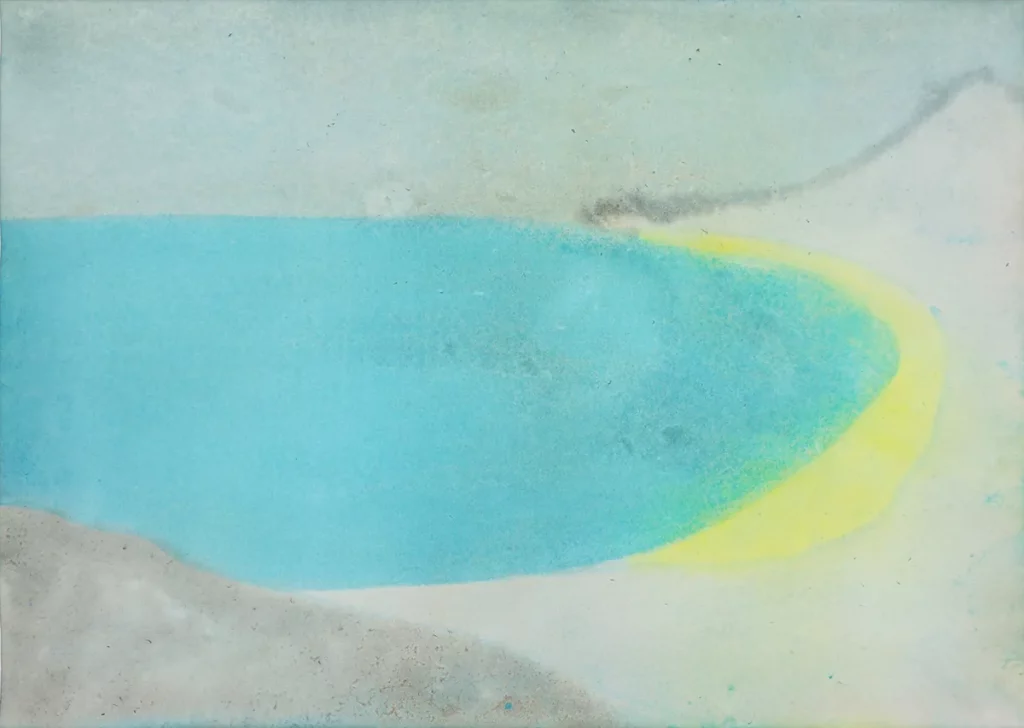
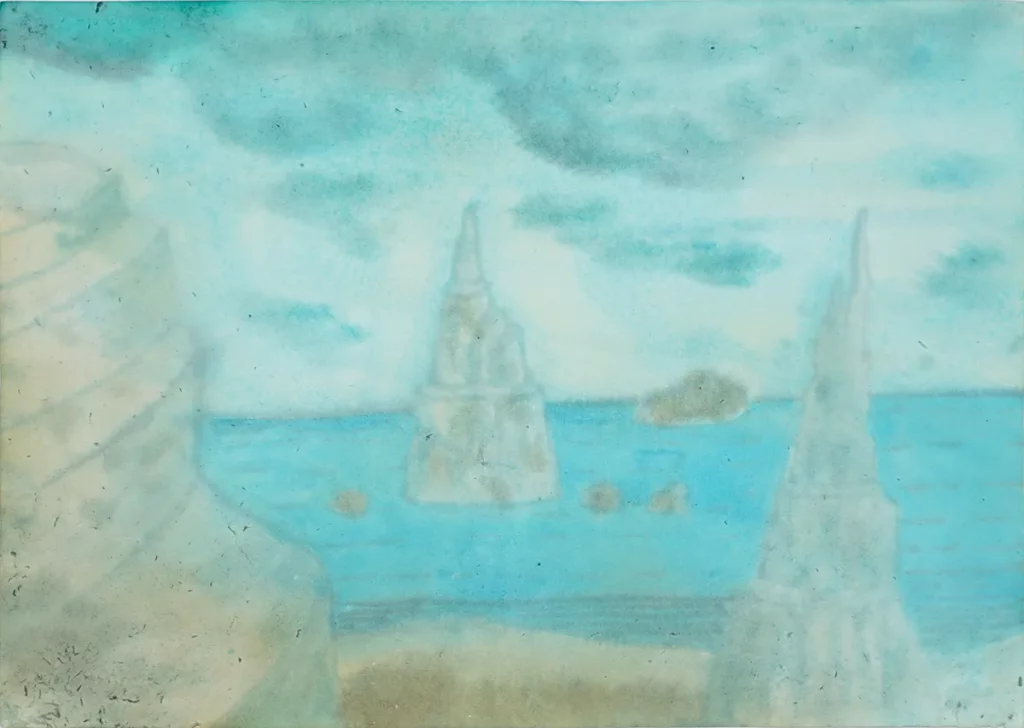
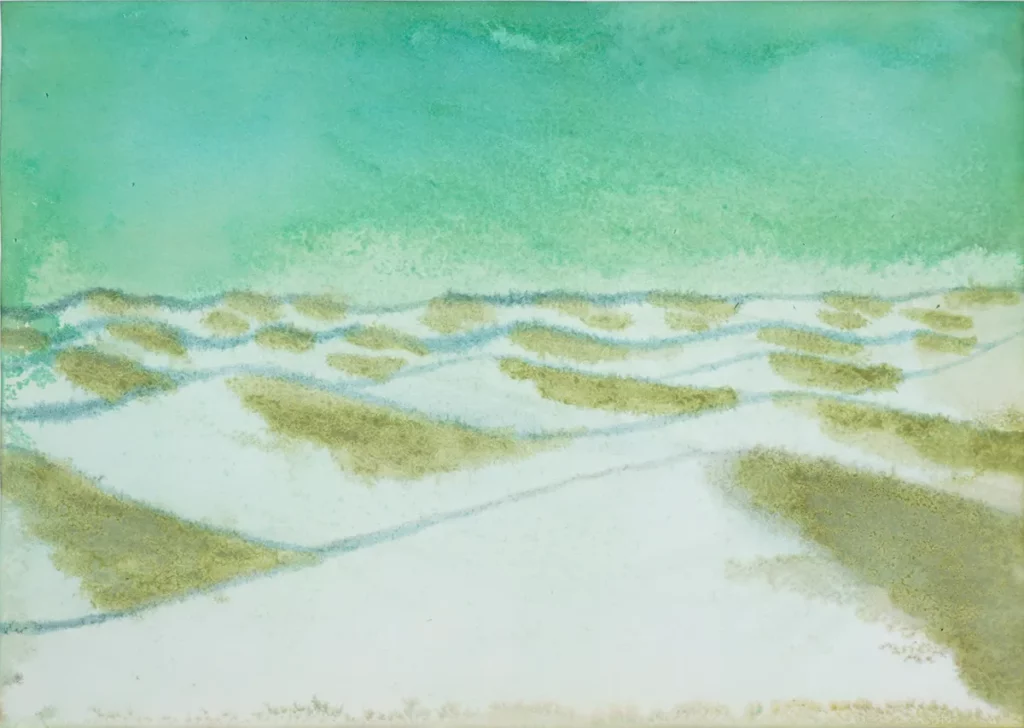
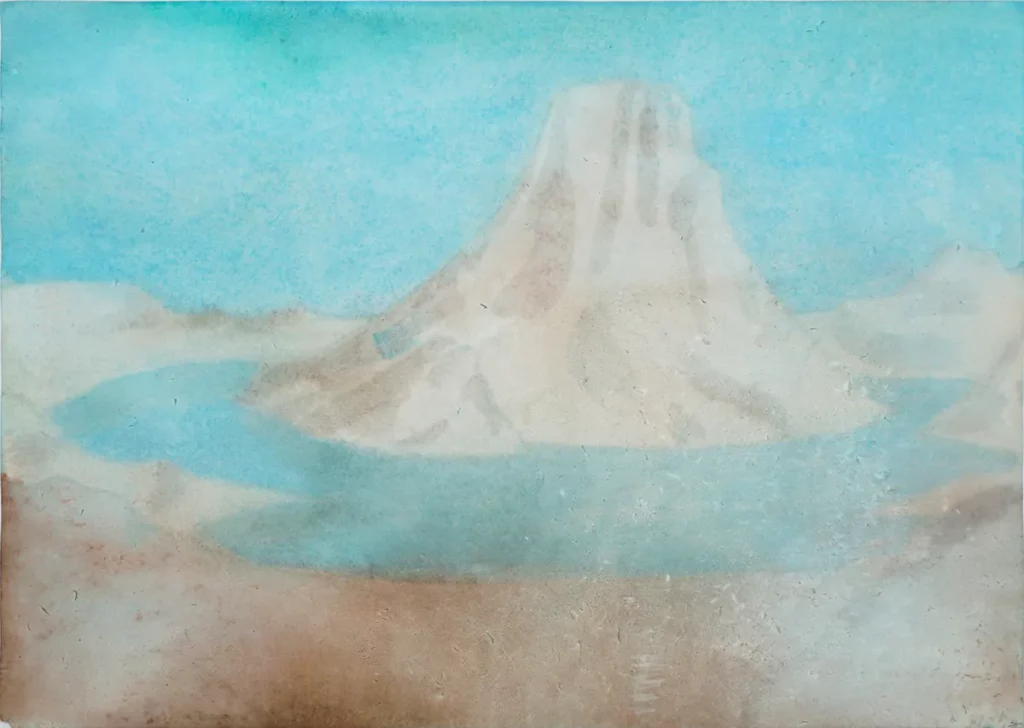
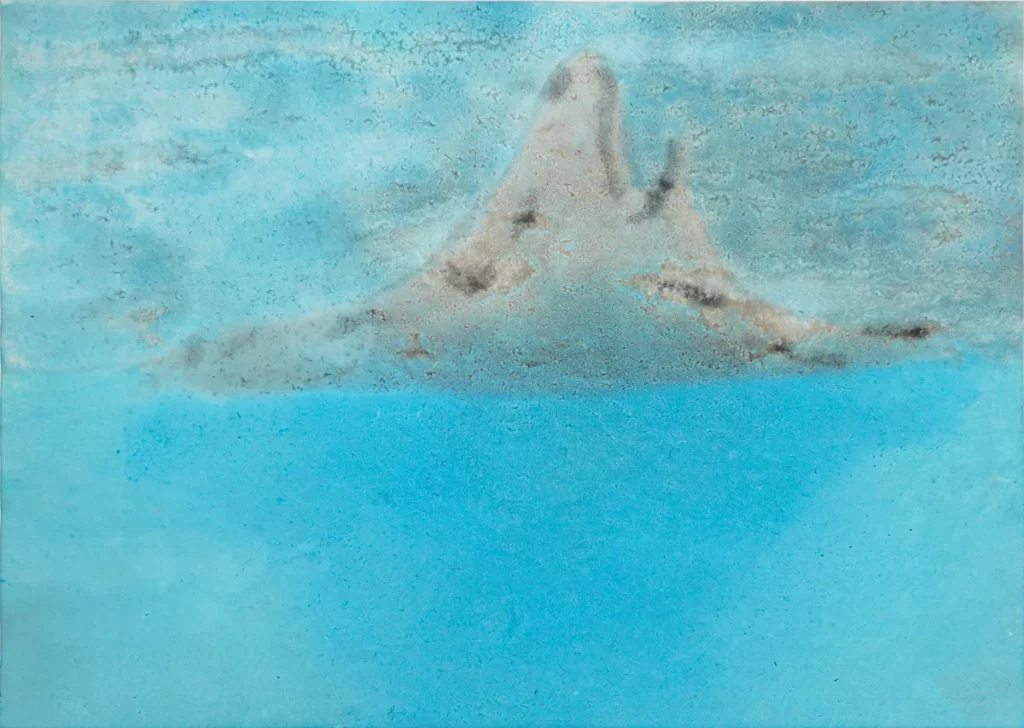
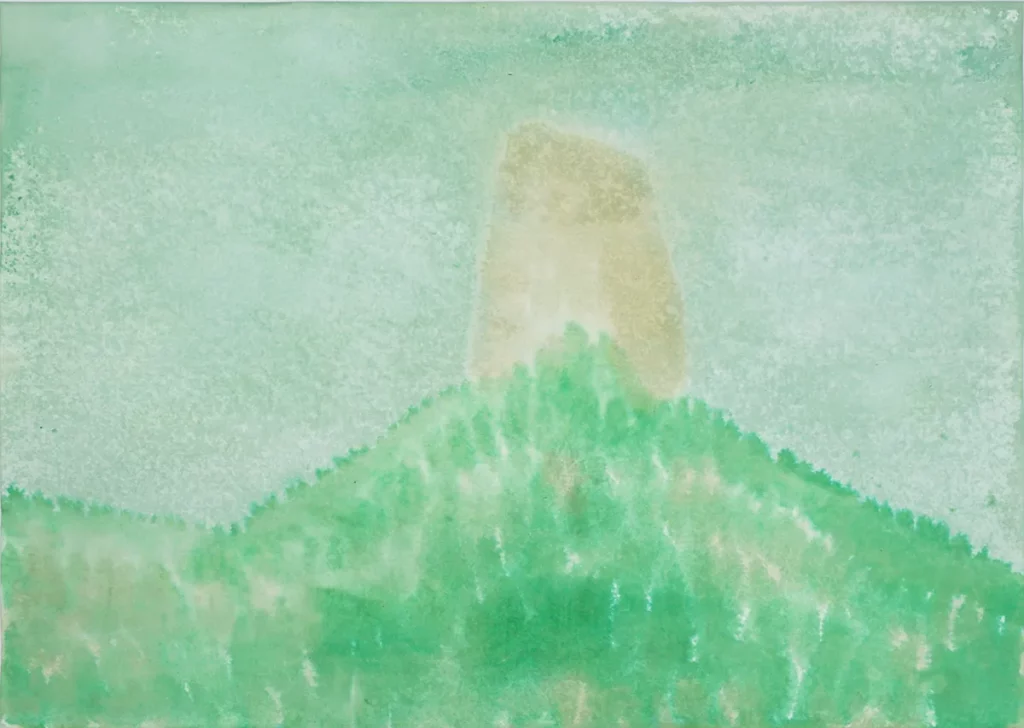
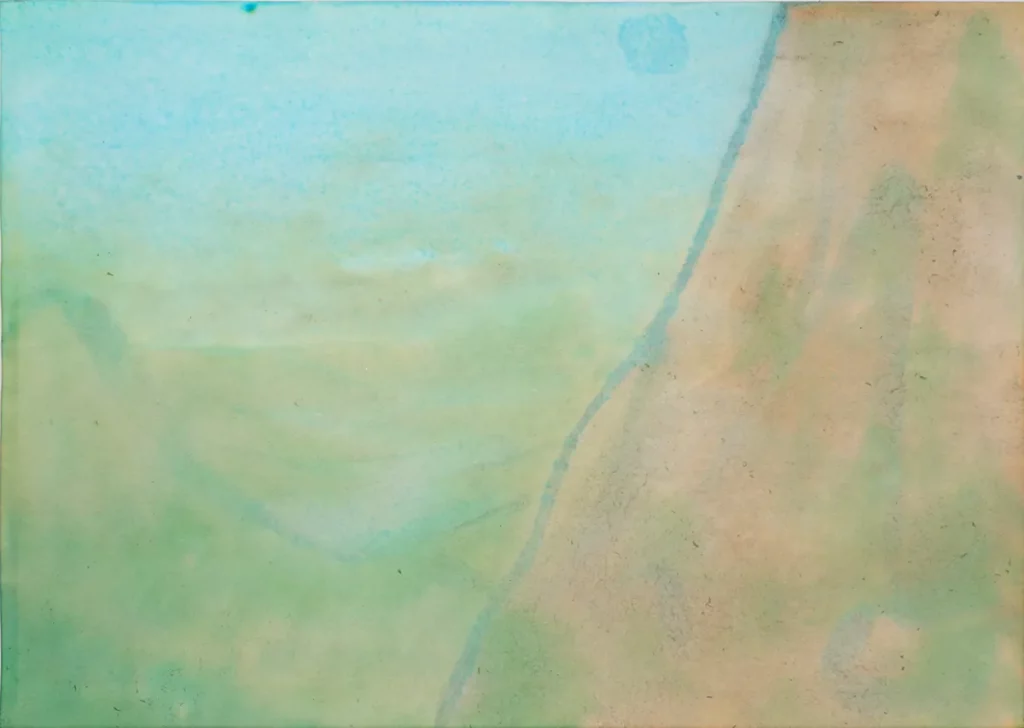
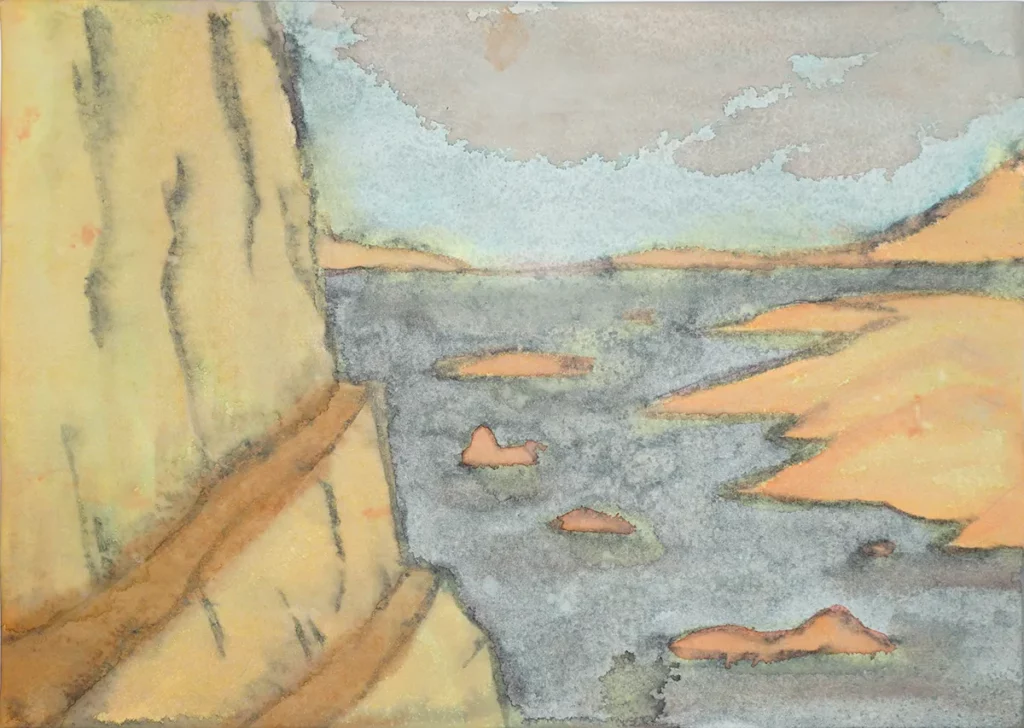
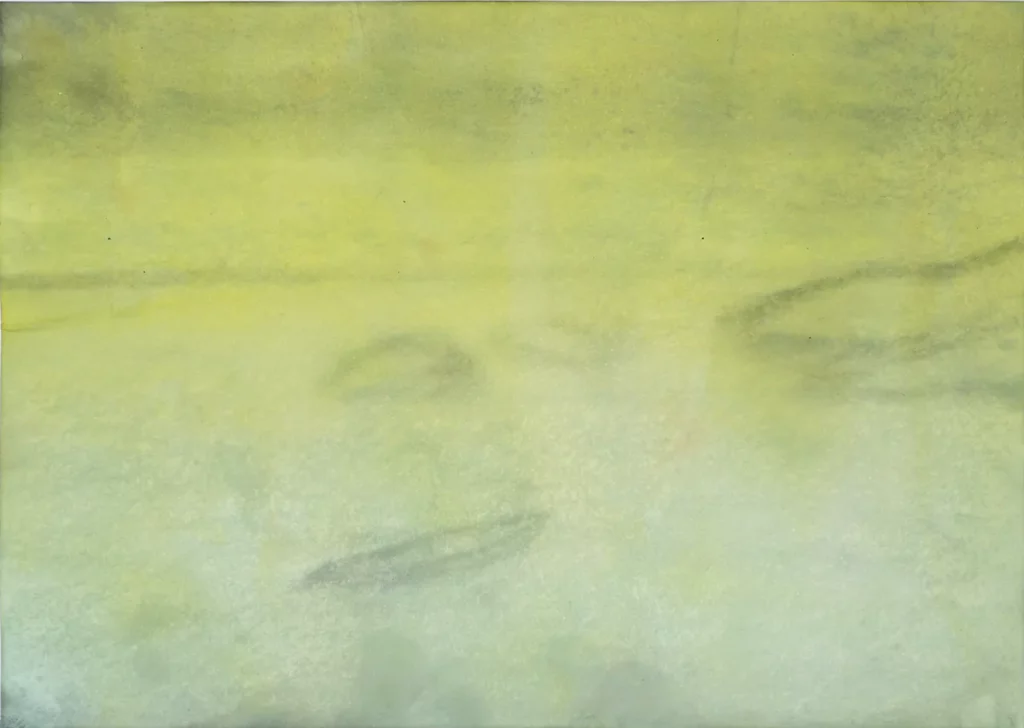
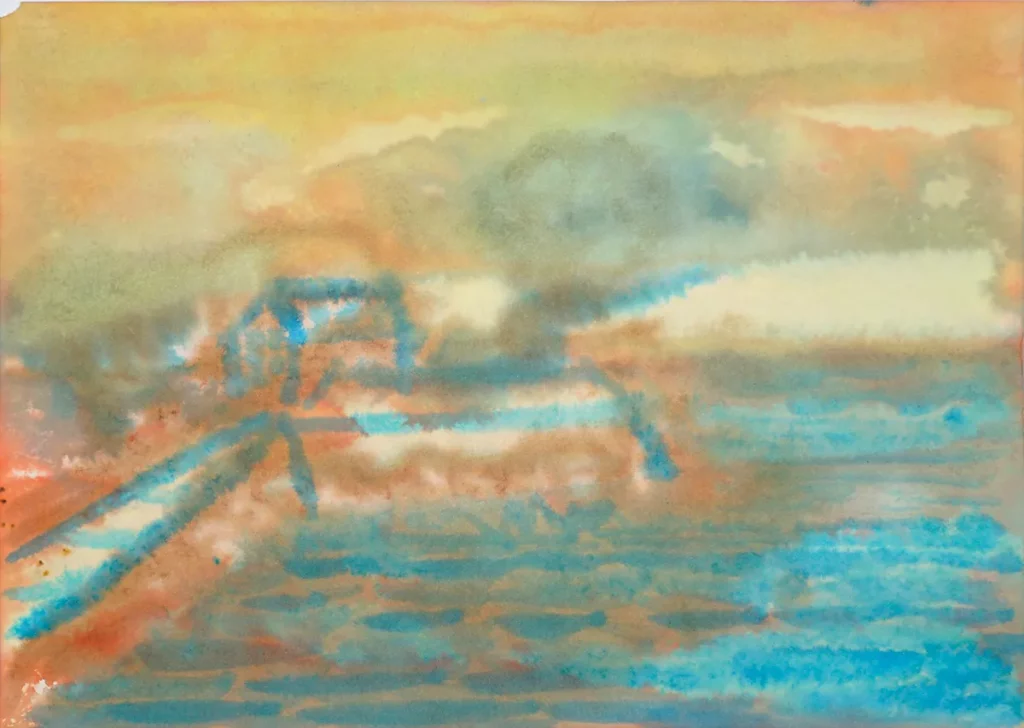
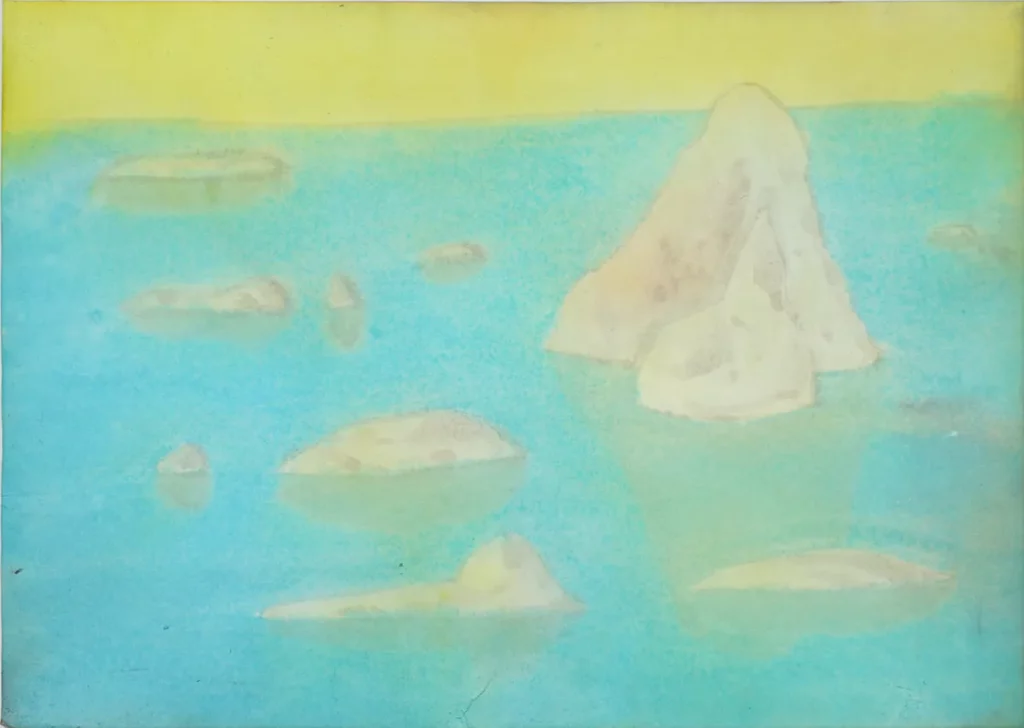
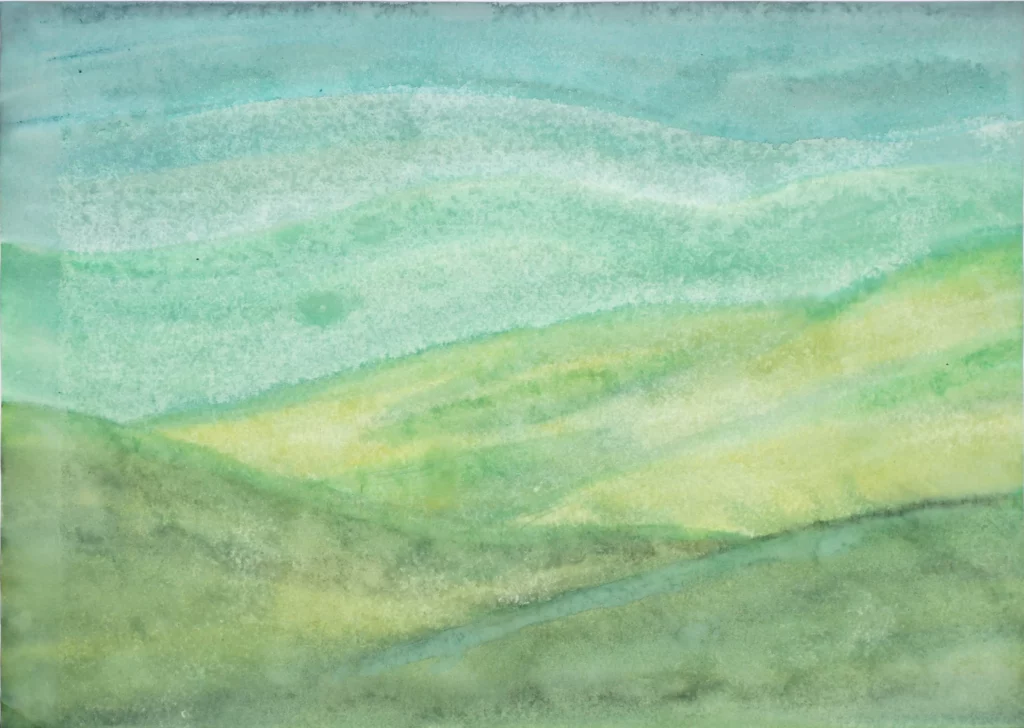
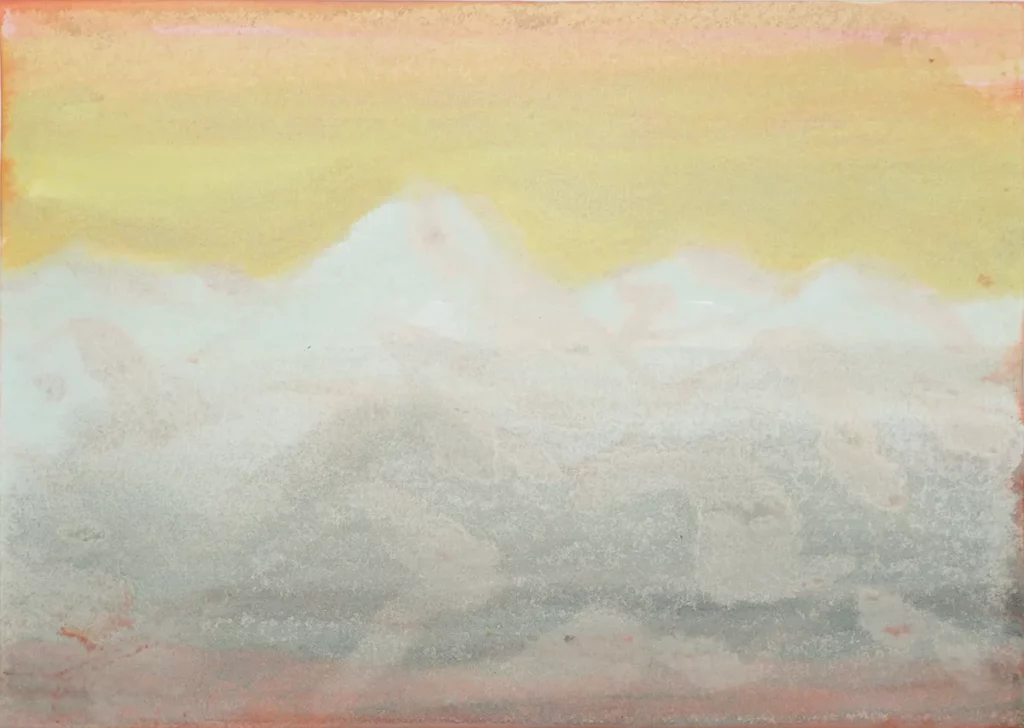
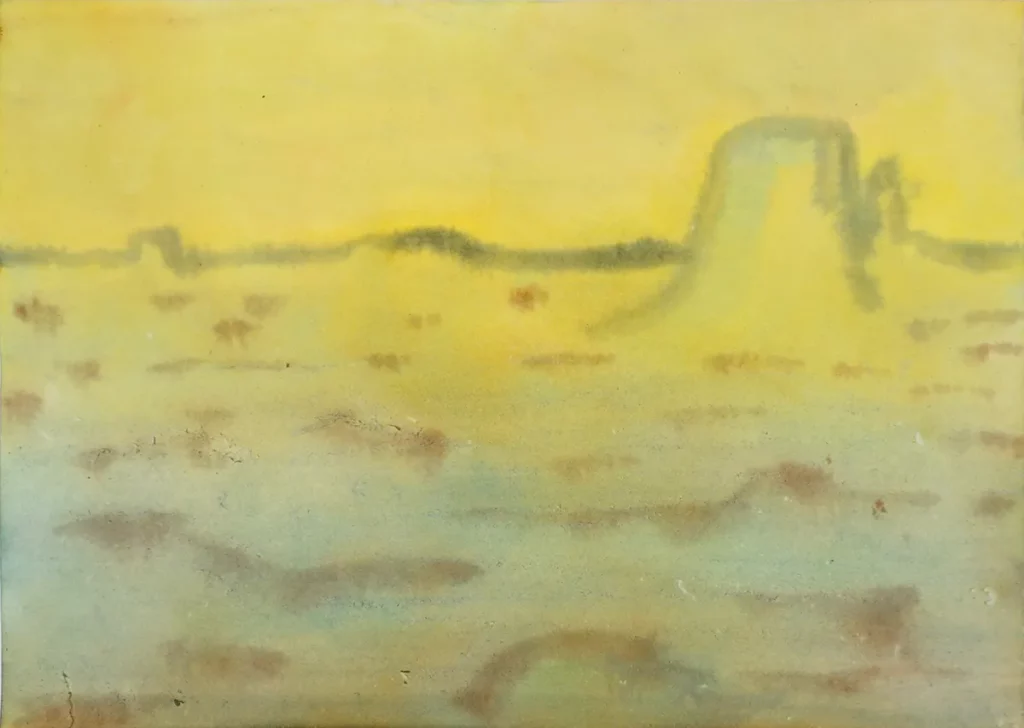
Vénus (x18)
2018
Watercolor on paper
29,7 × 21 cm
11.7 × 8.3 in
2017
Carnet de Motifs
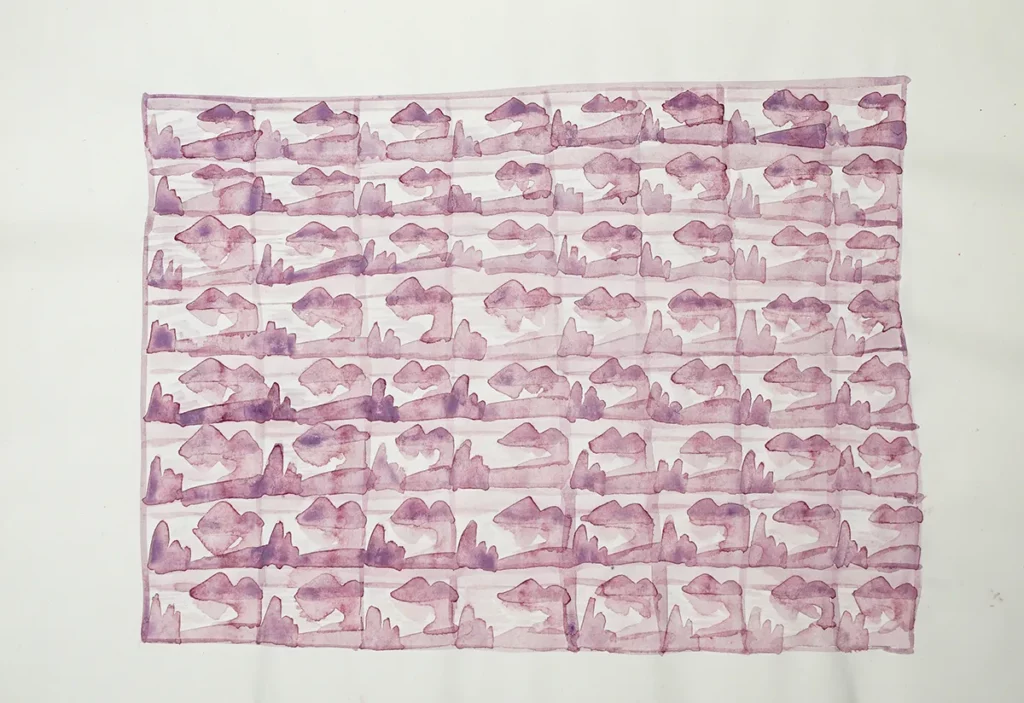
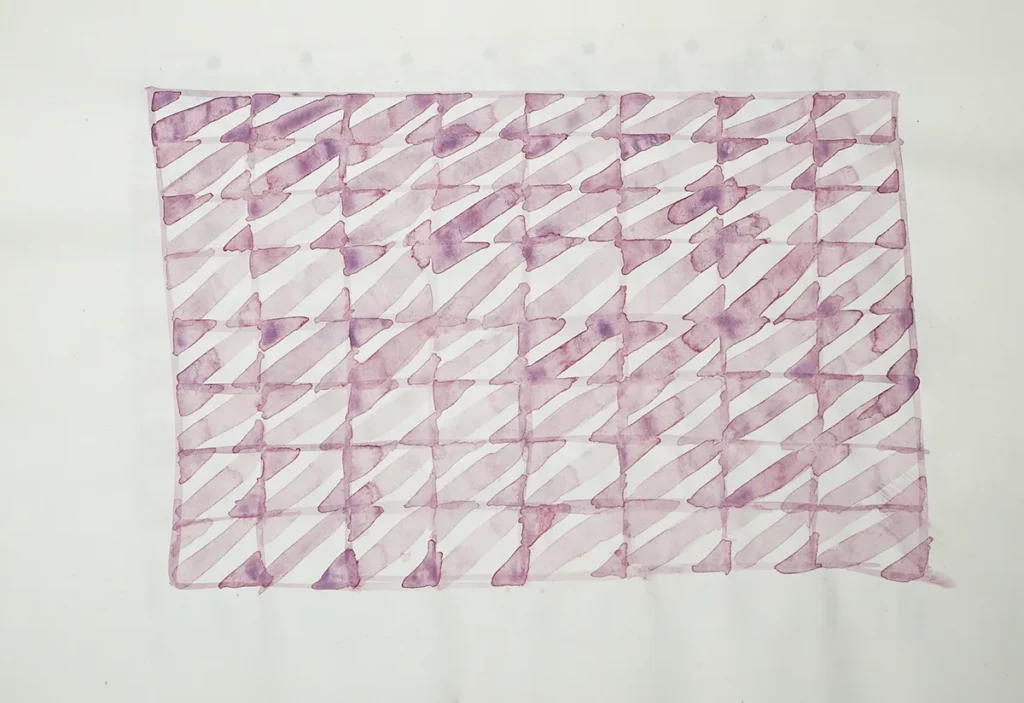
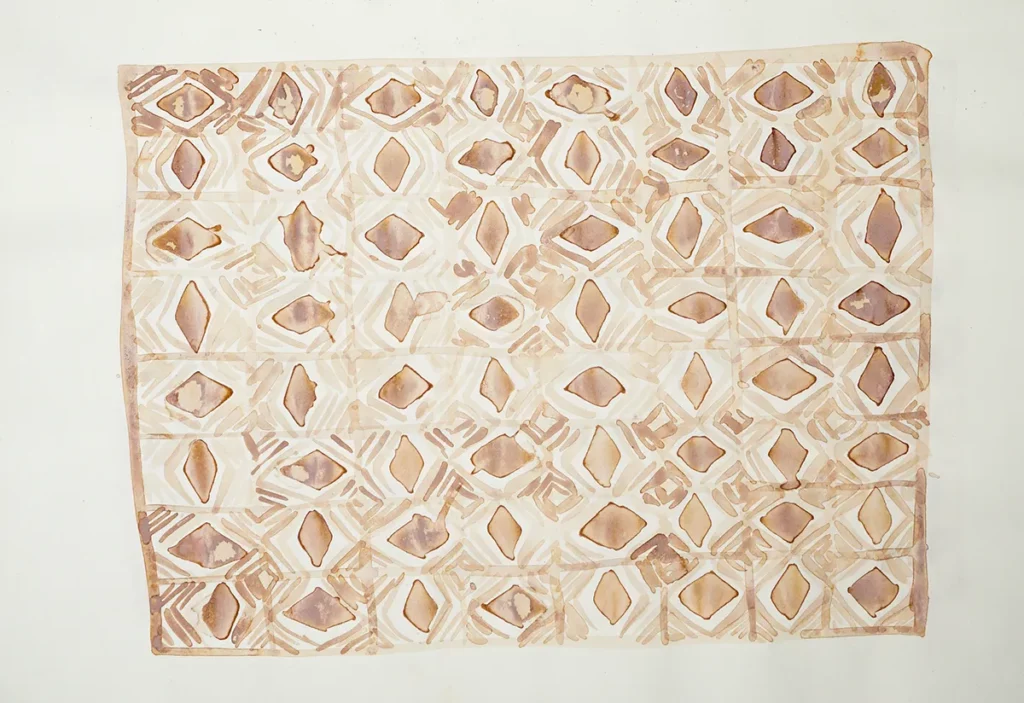
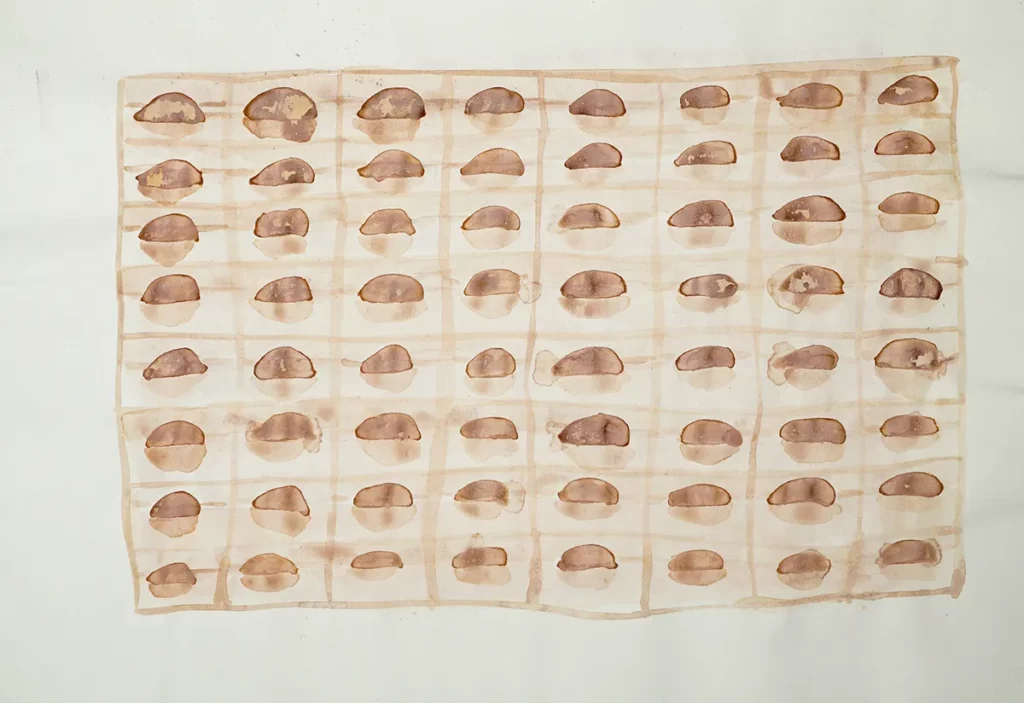
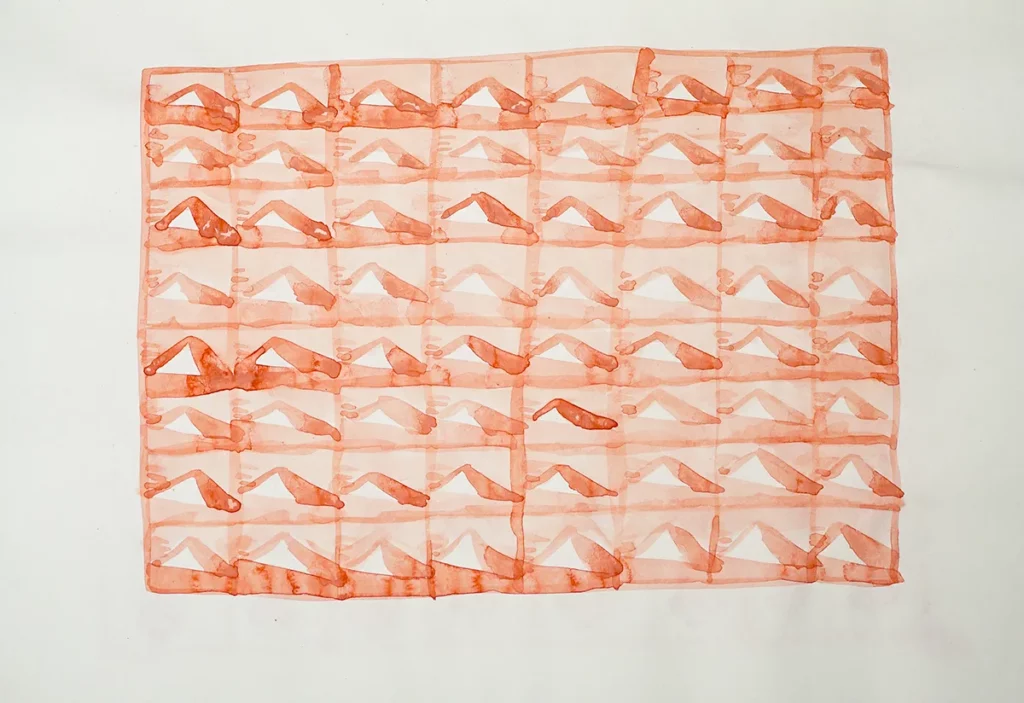
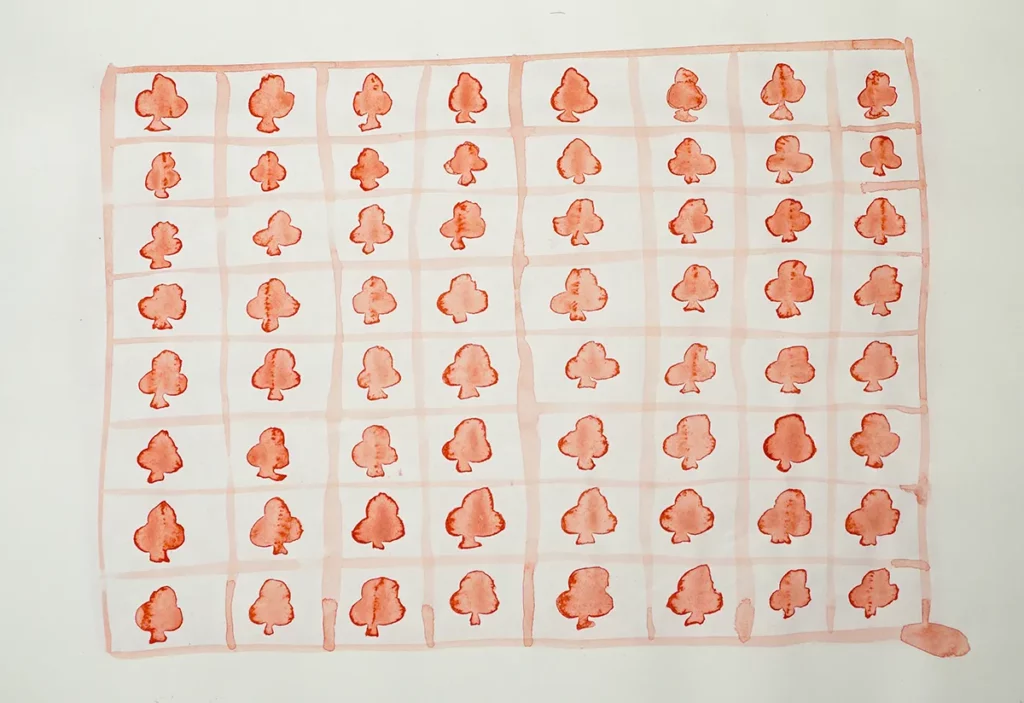
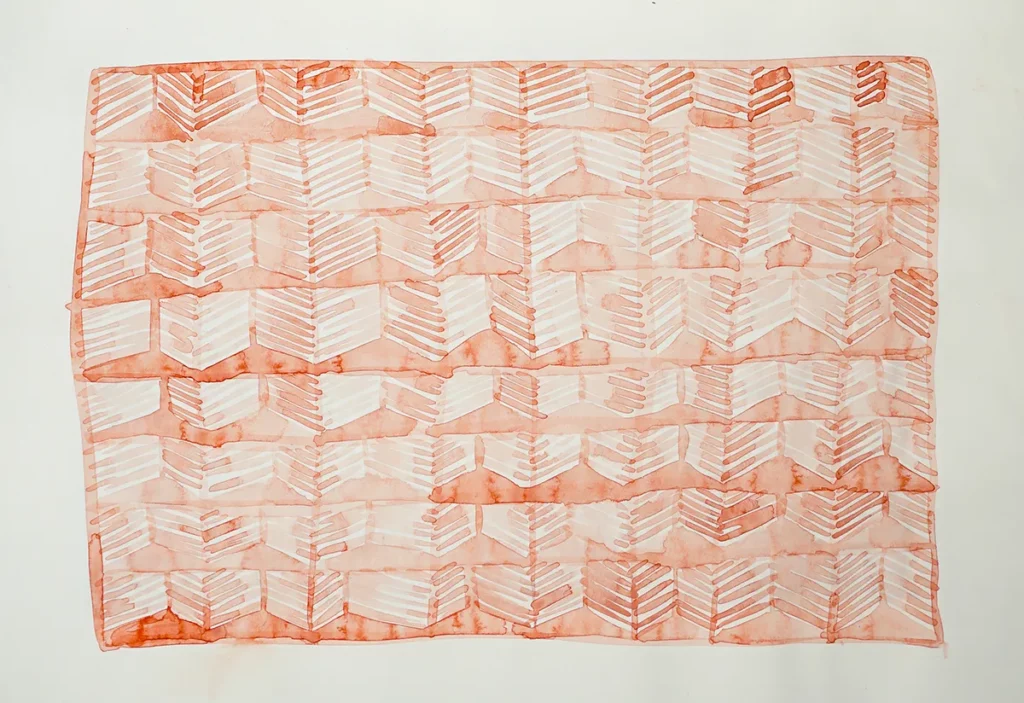
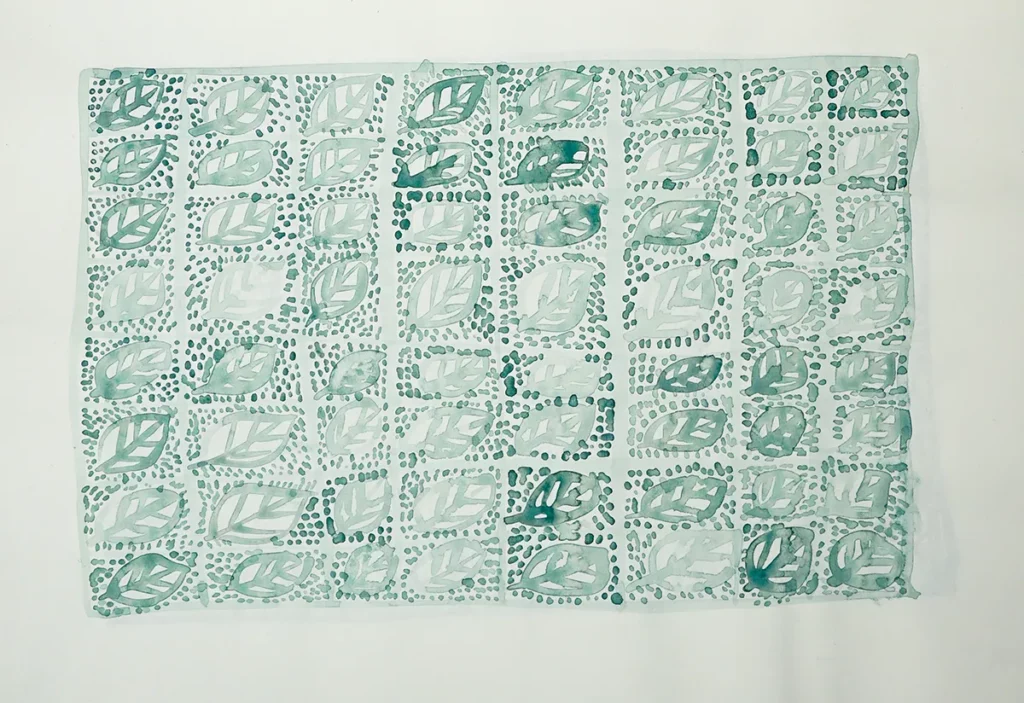
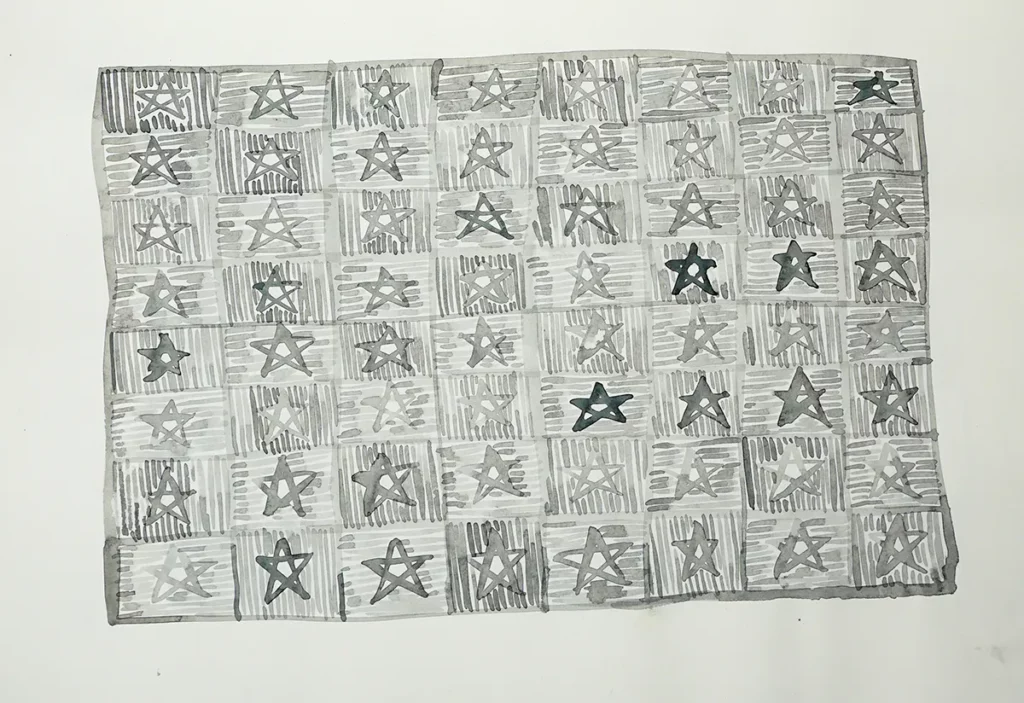
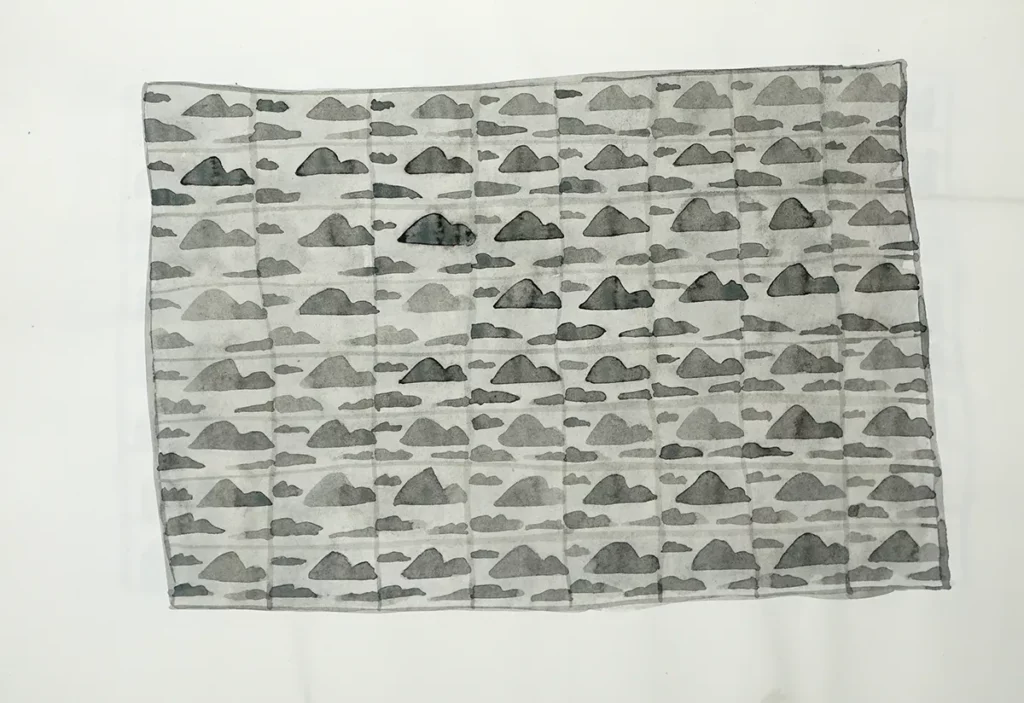
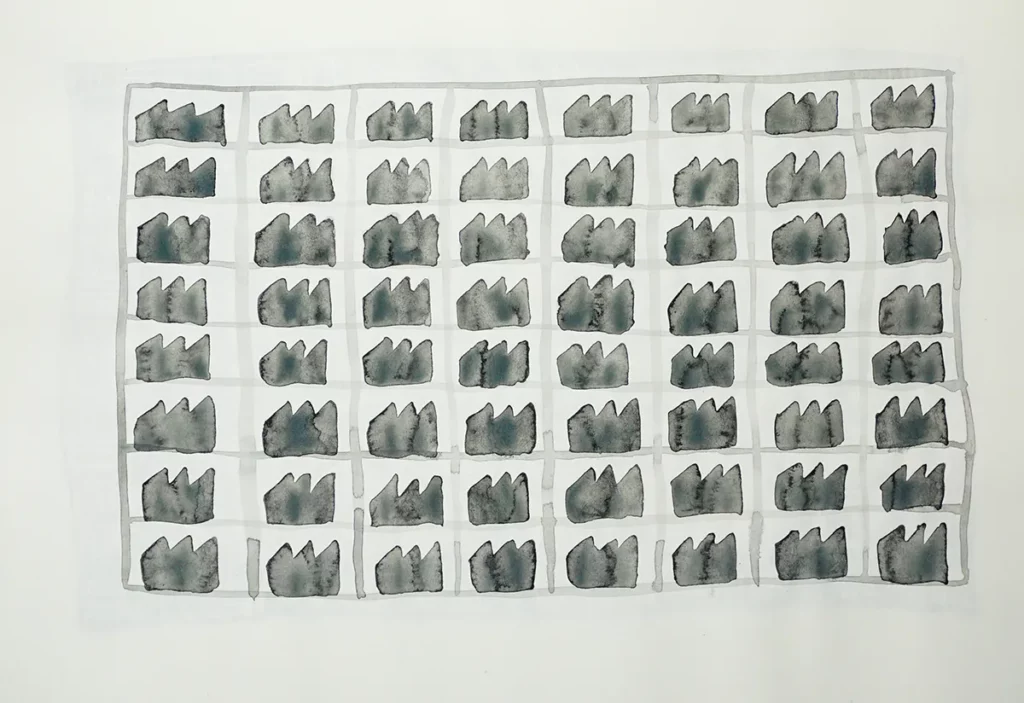
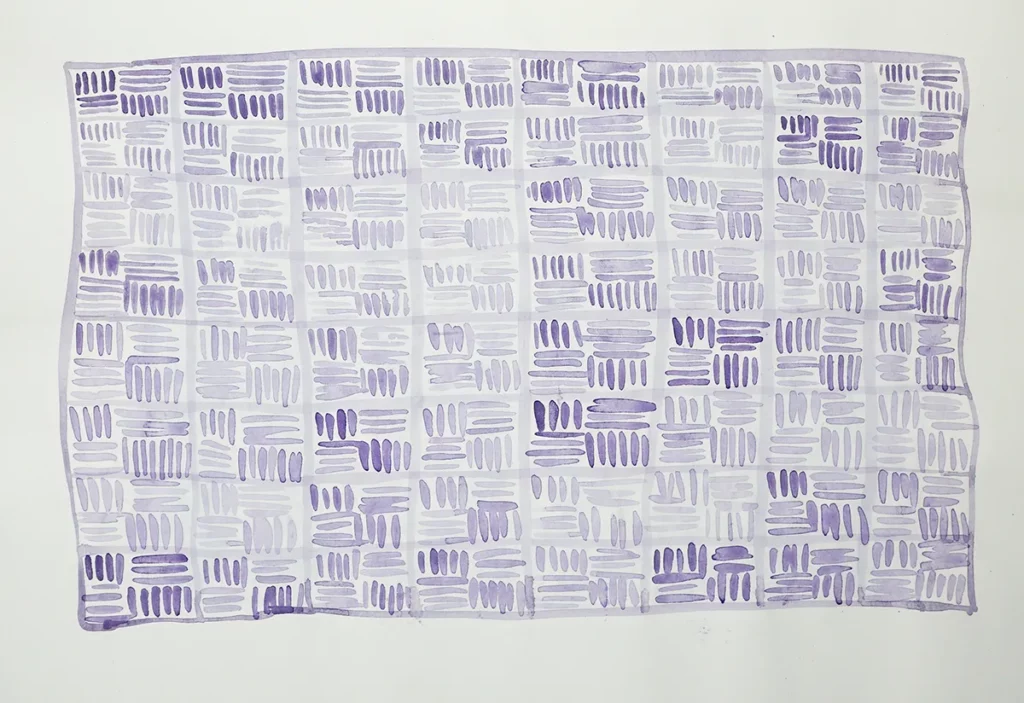
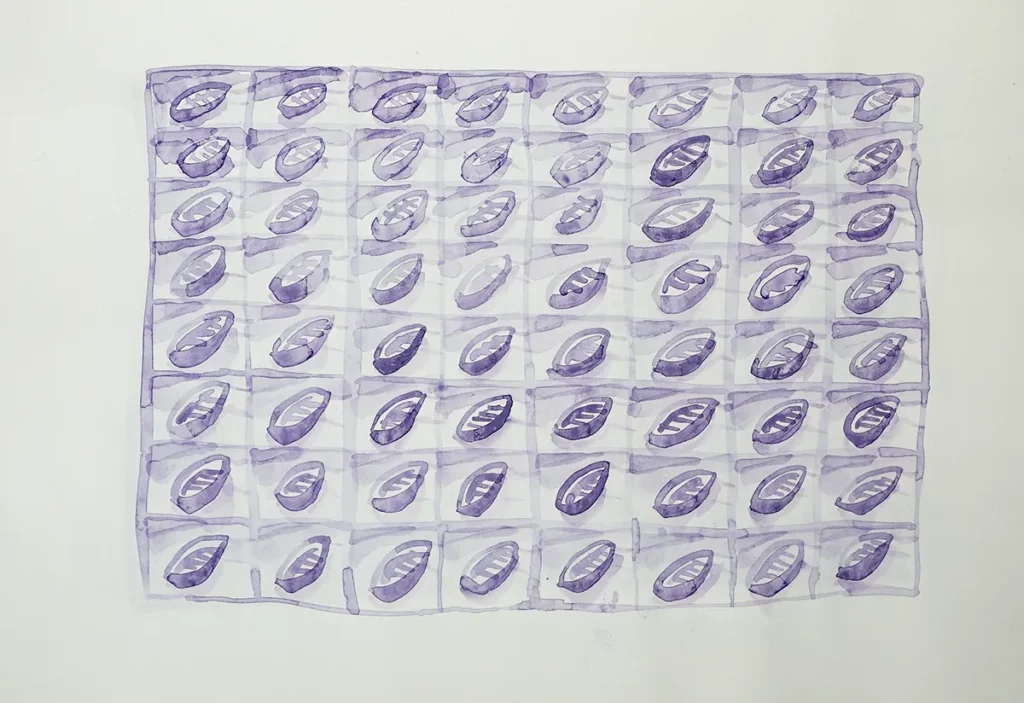
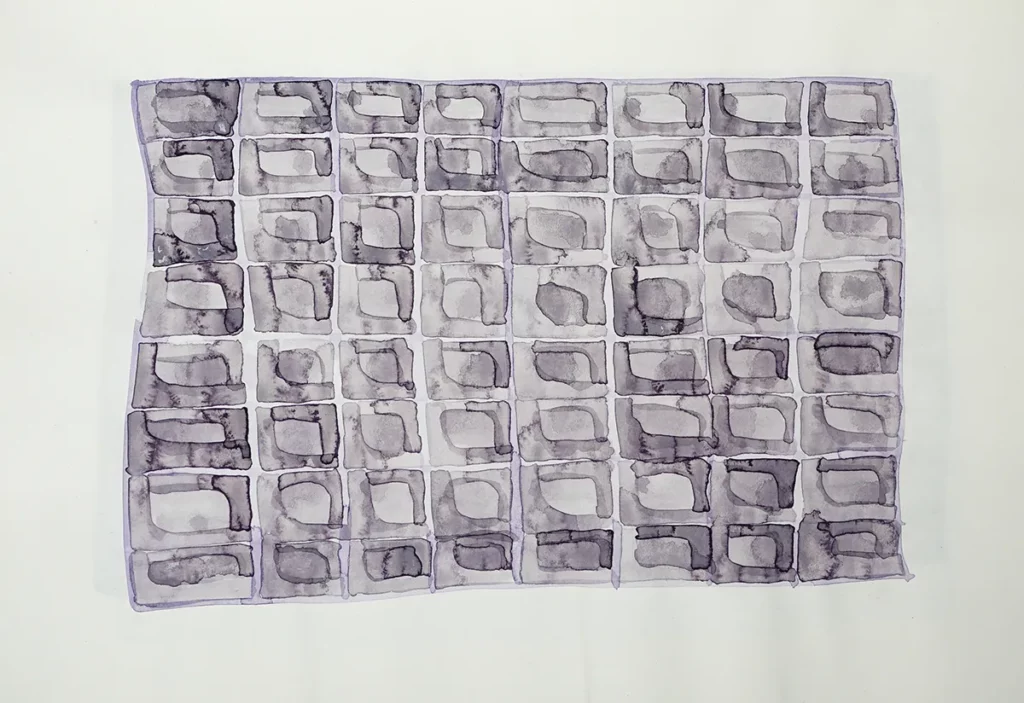
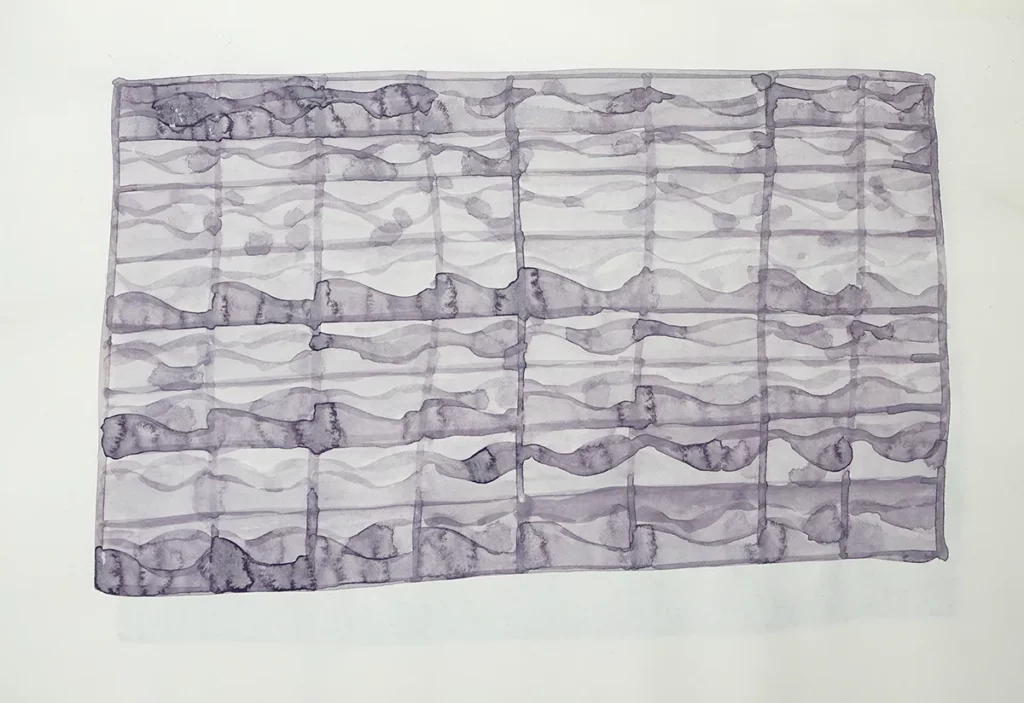
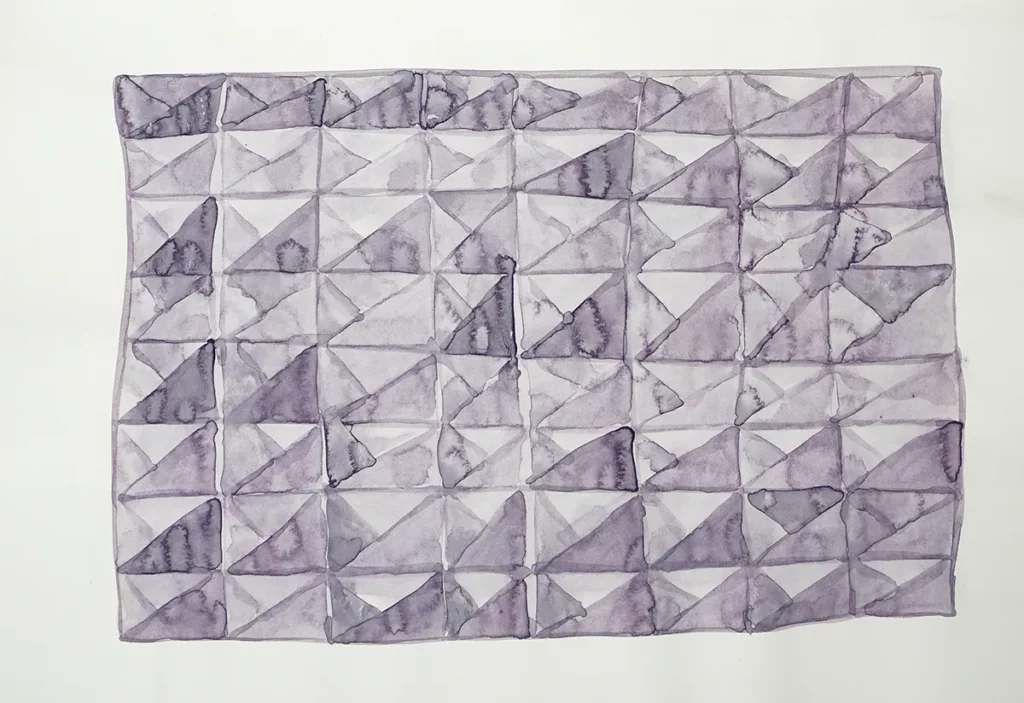
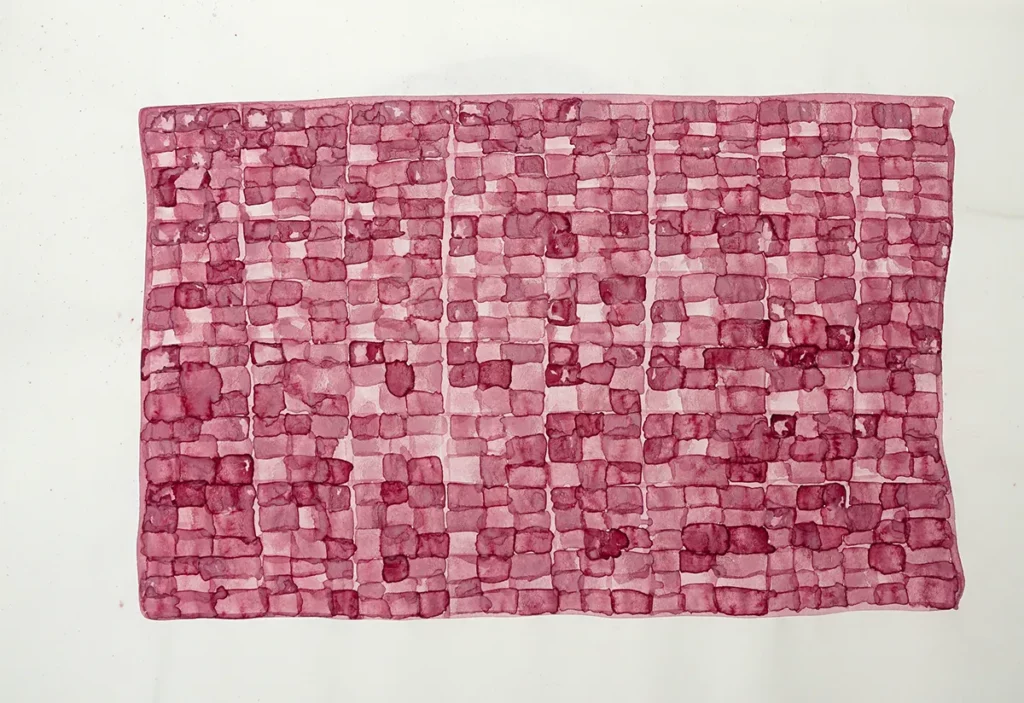
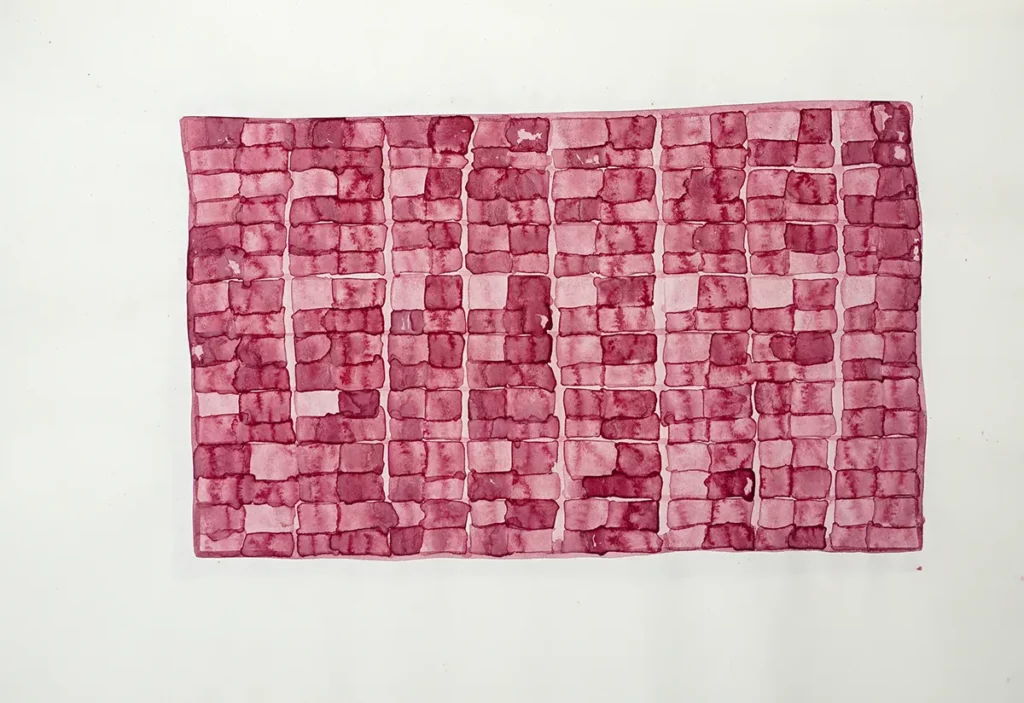
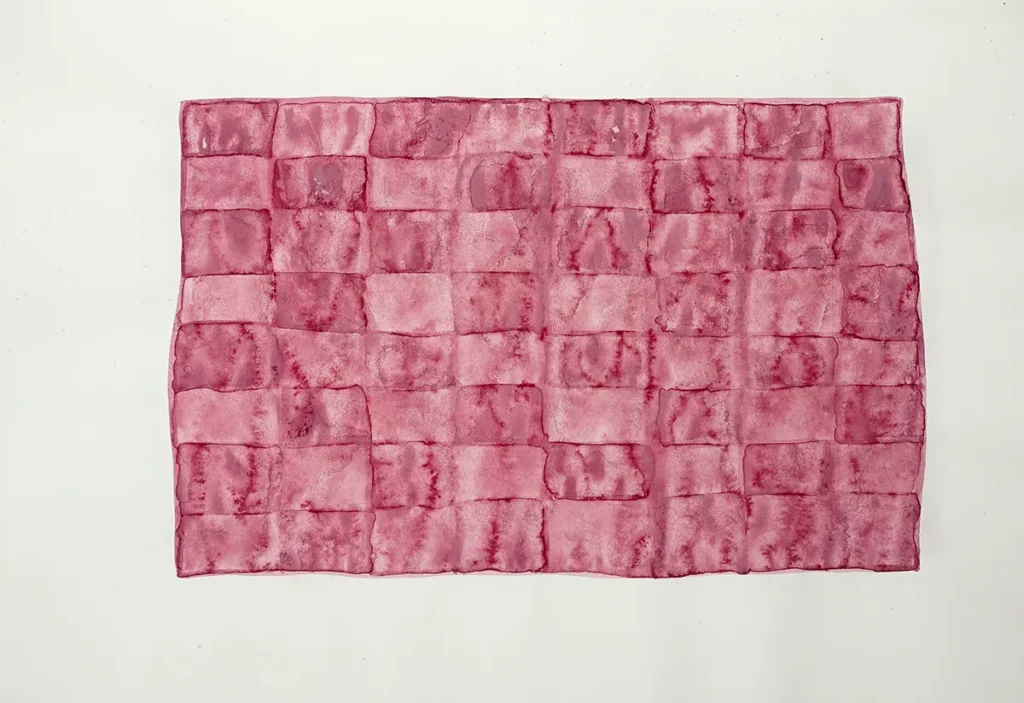
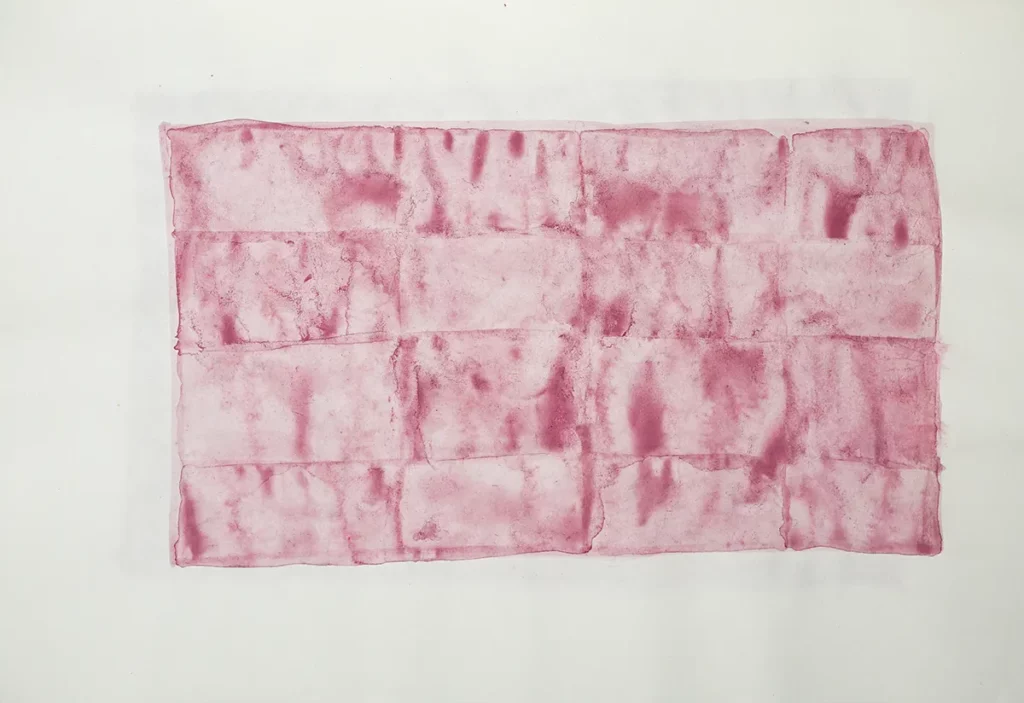
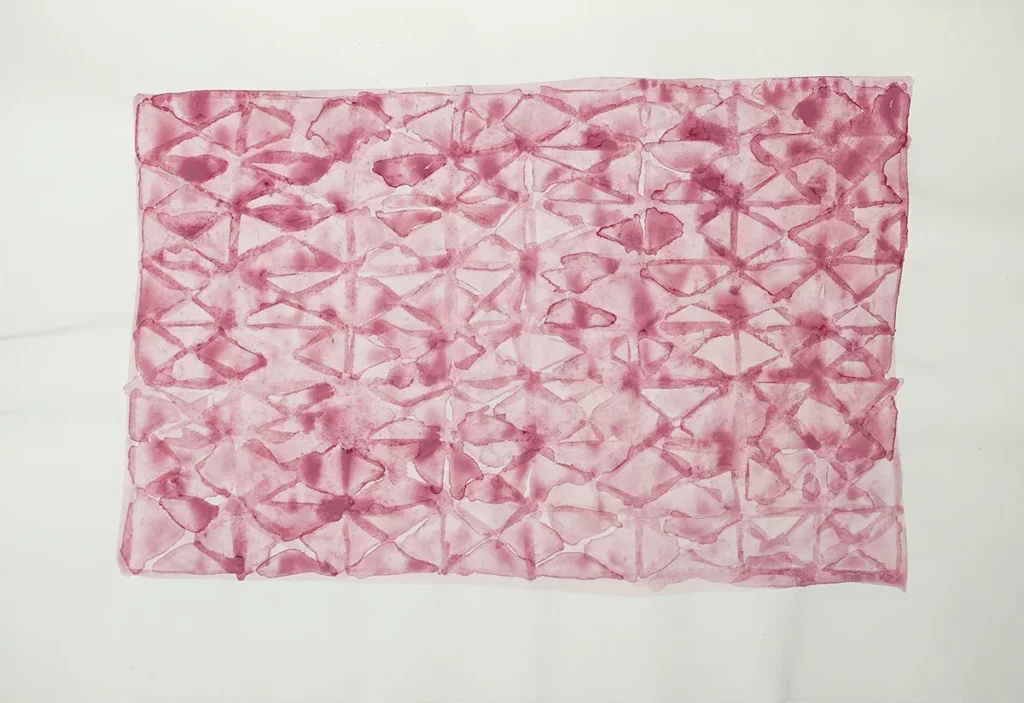
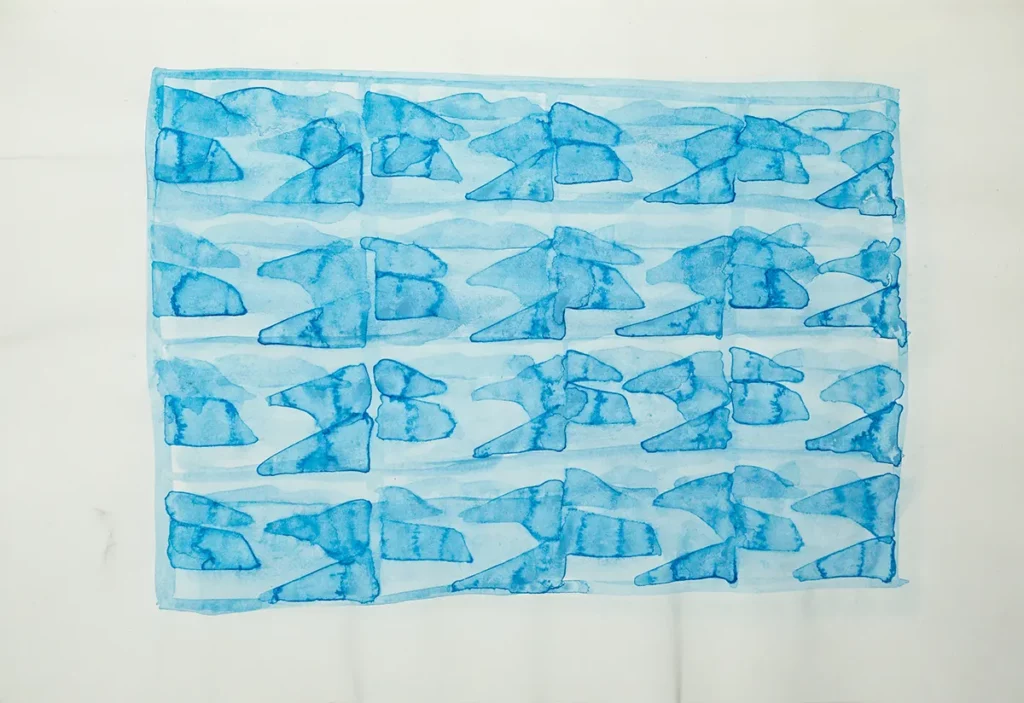
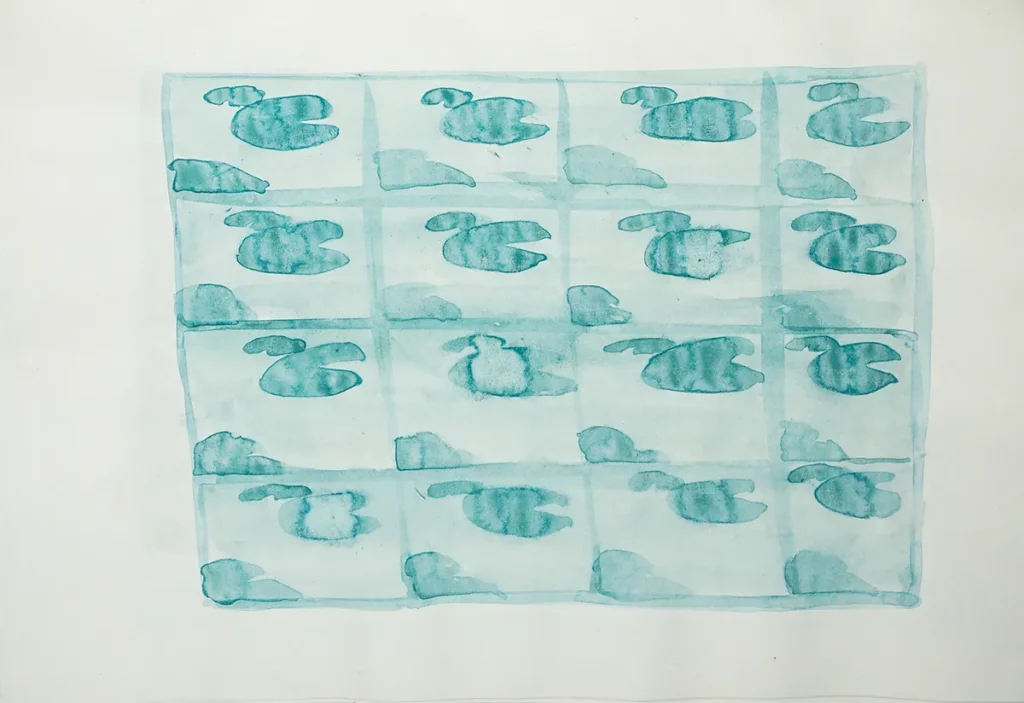
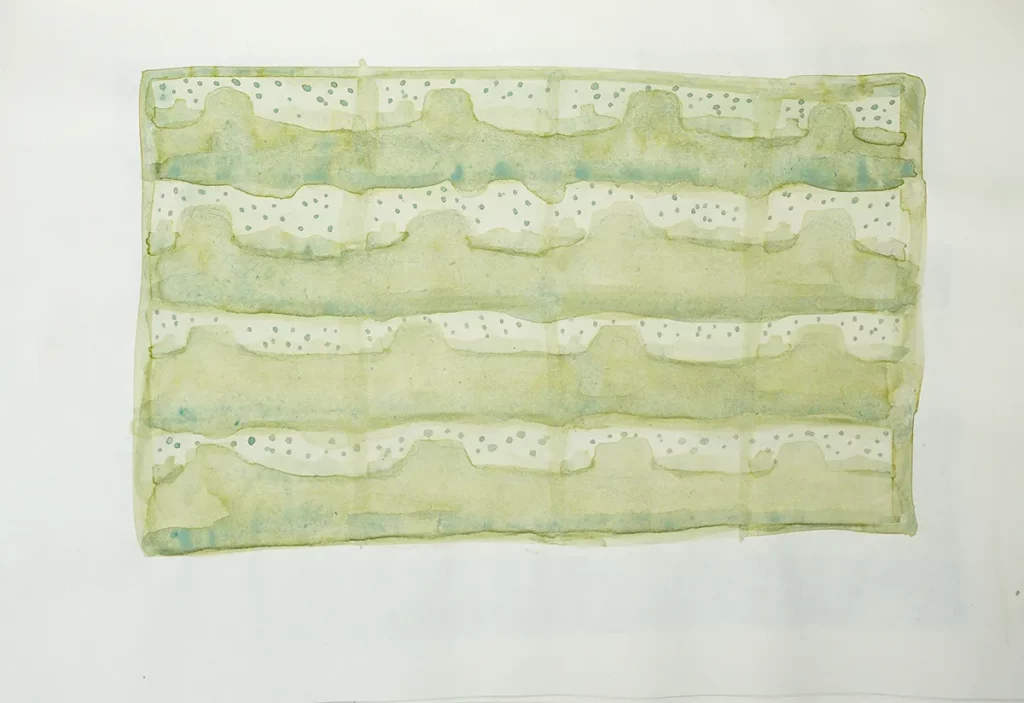
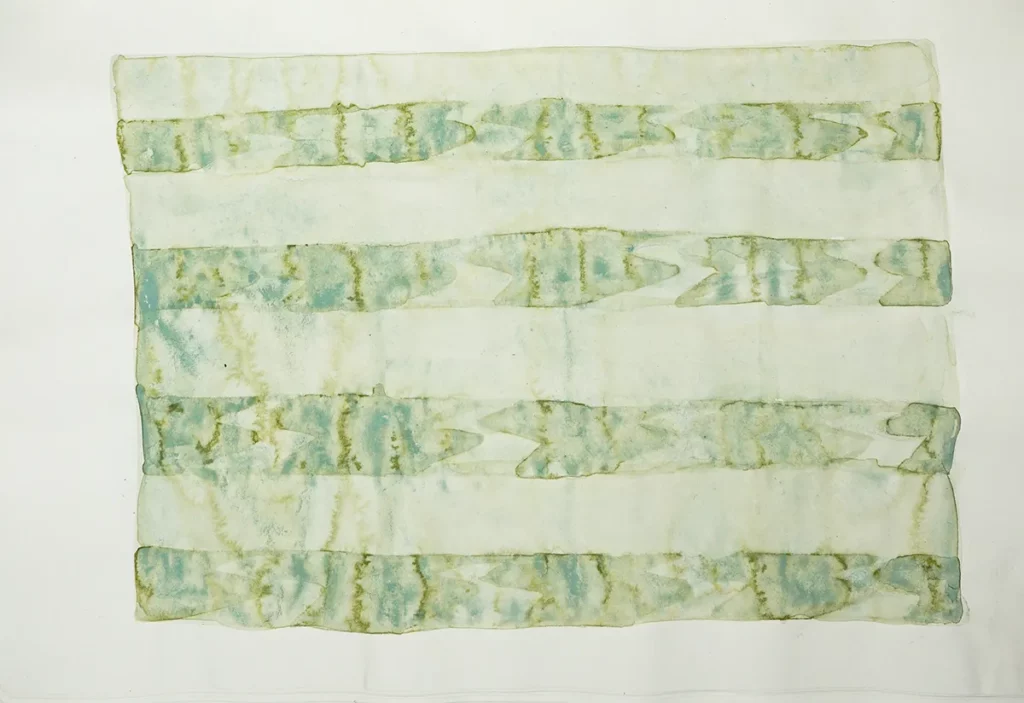
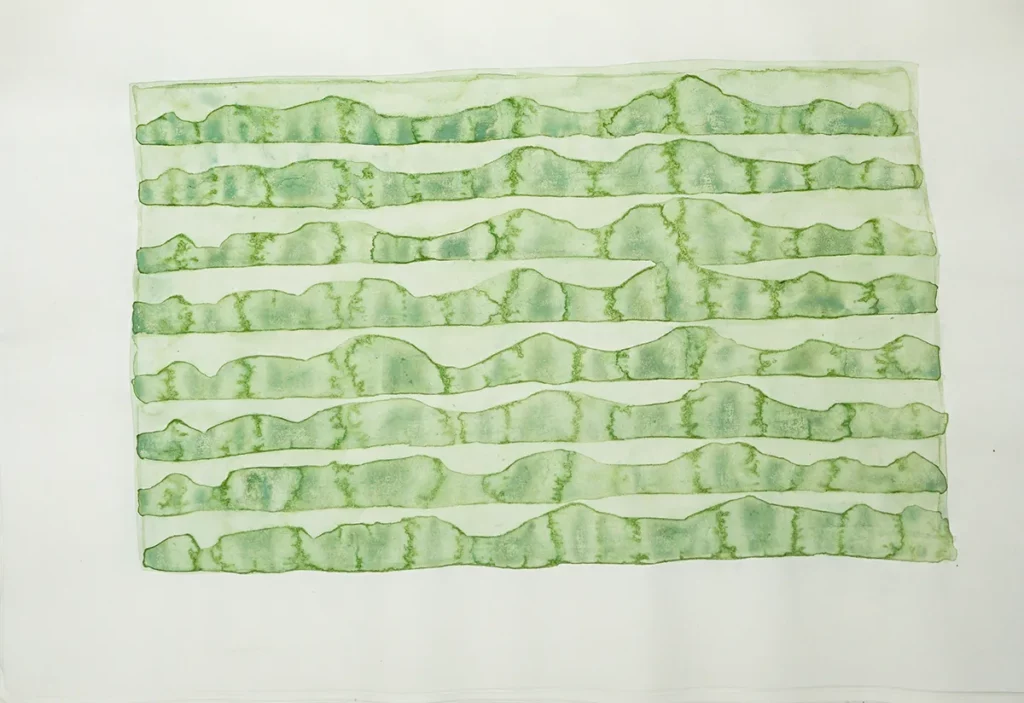
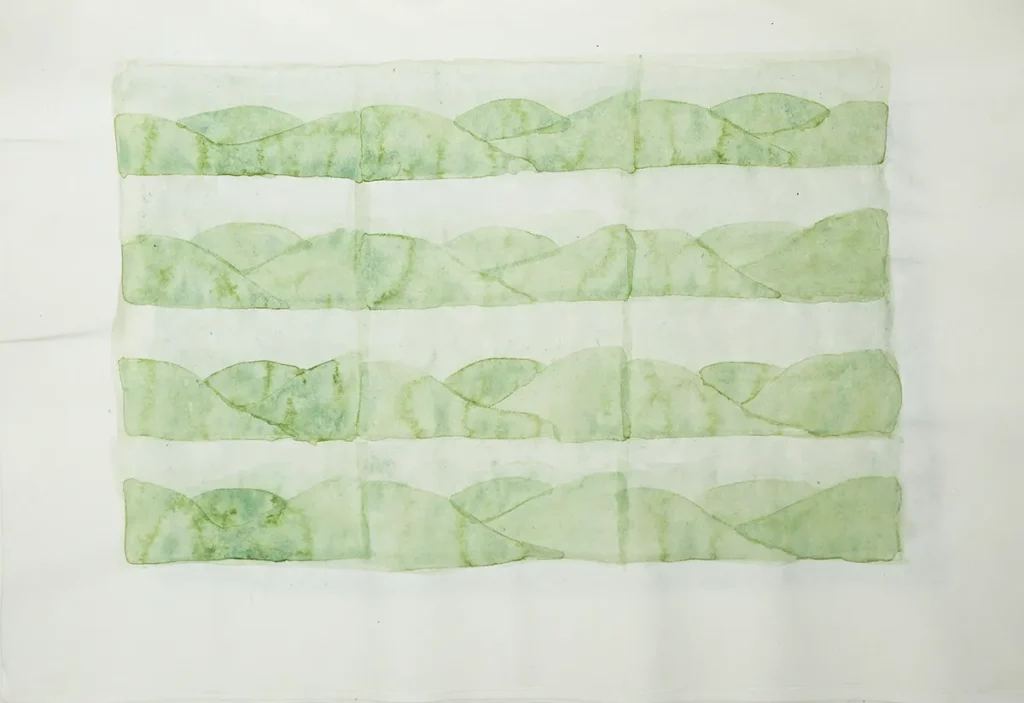
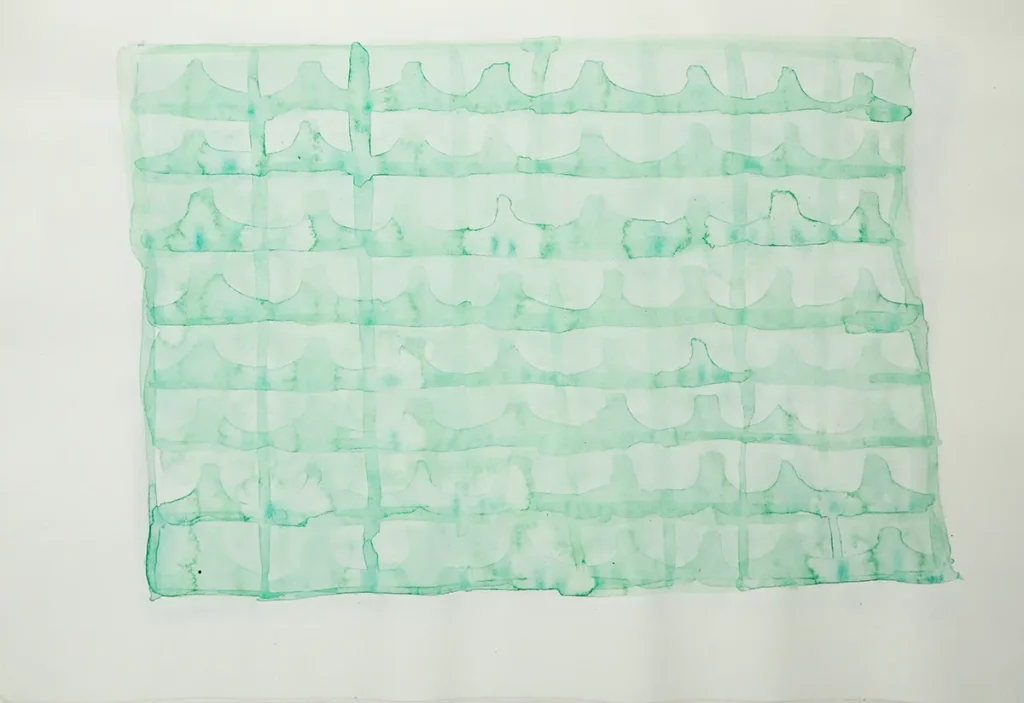
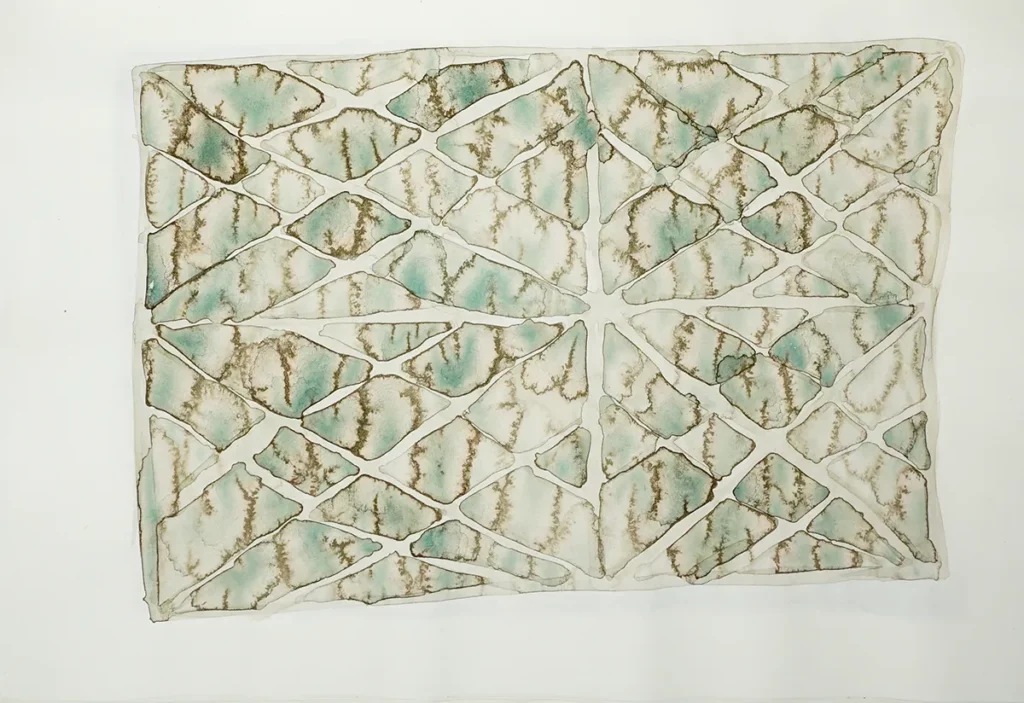
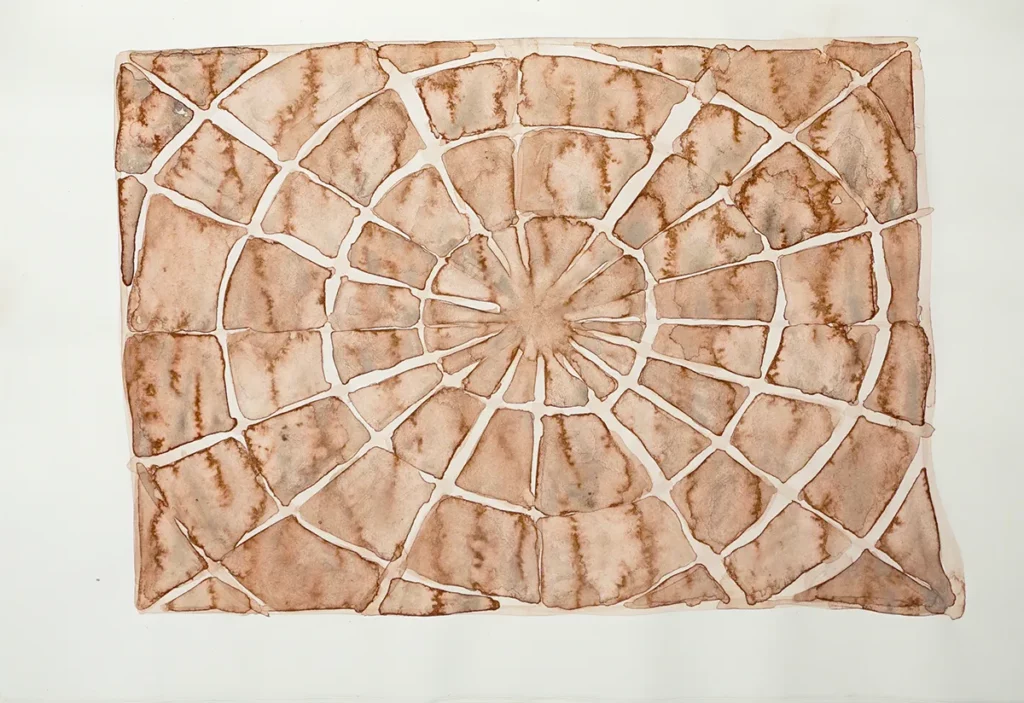
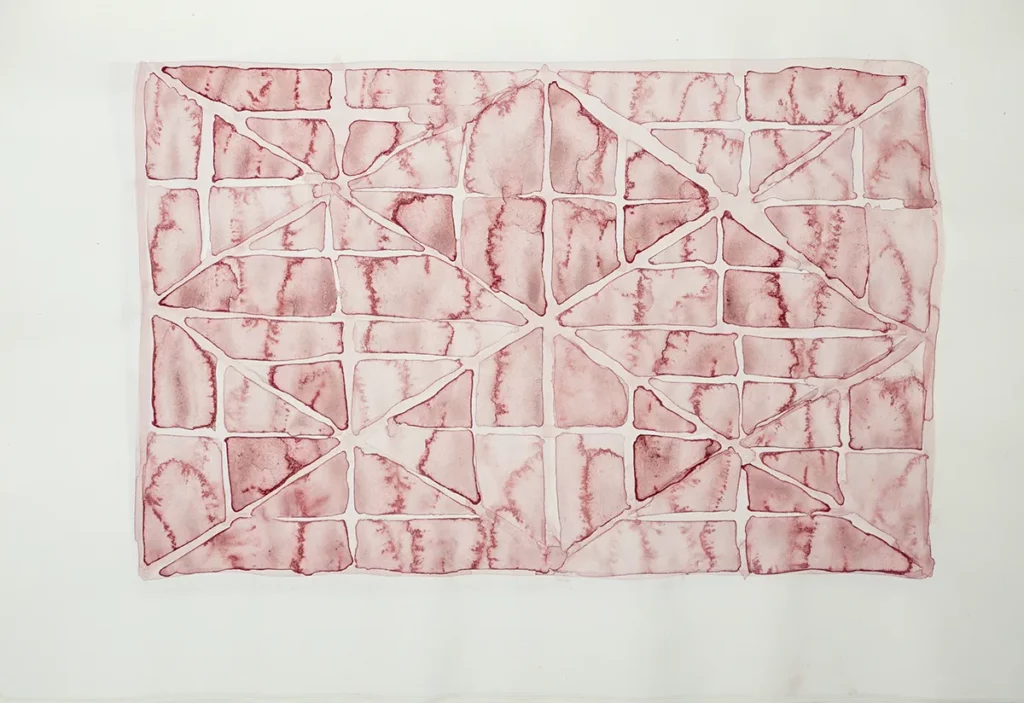
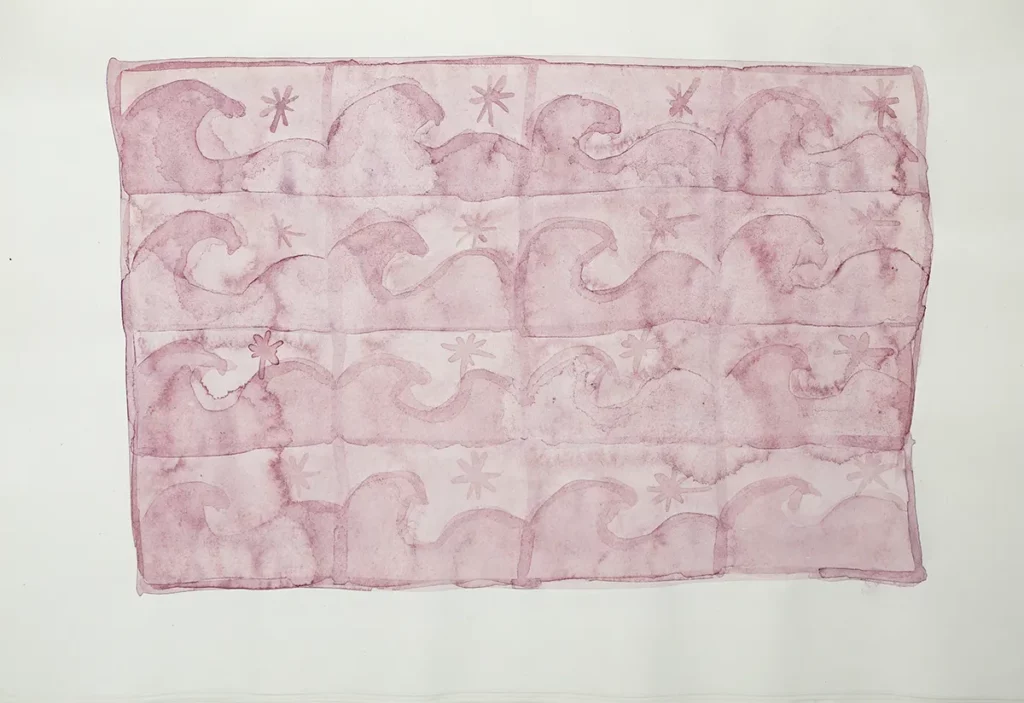
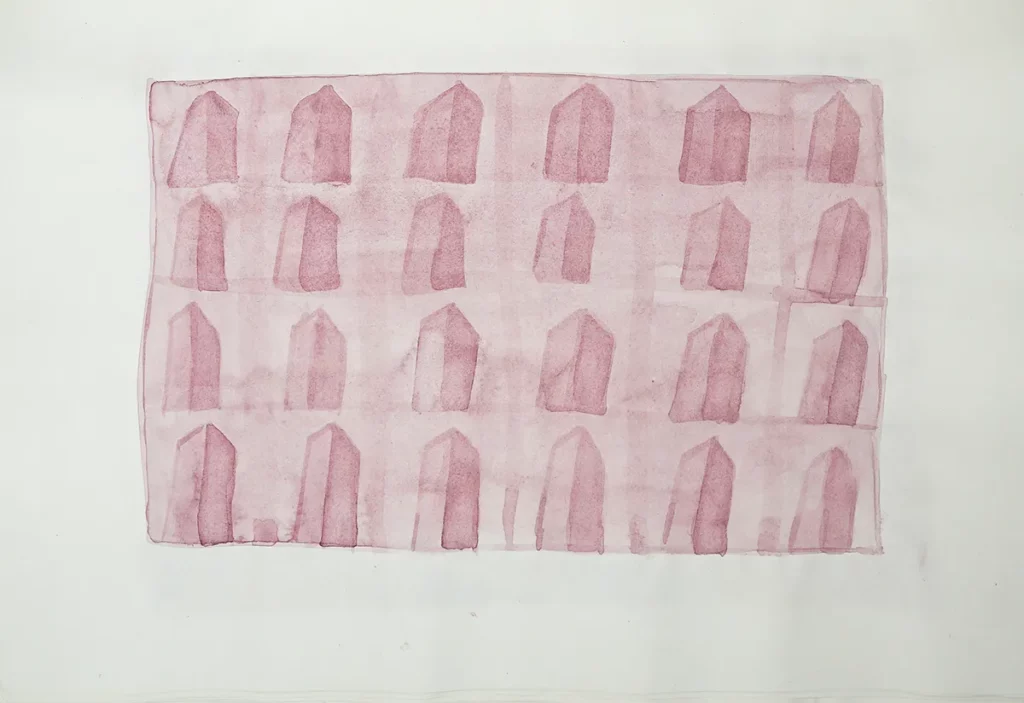
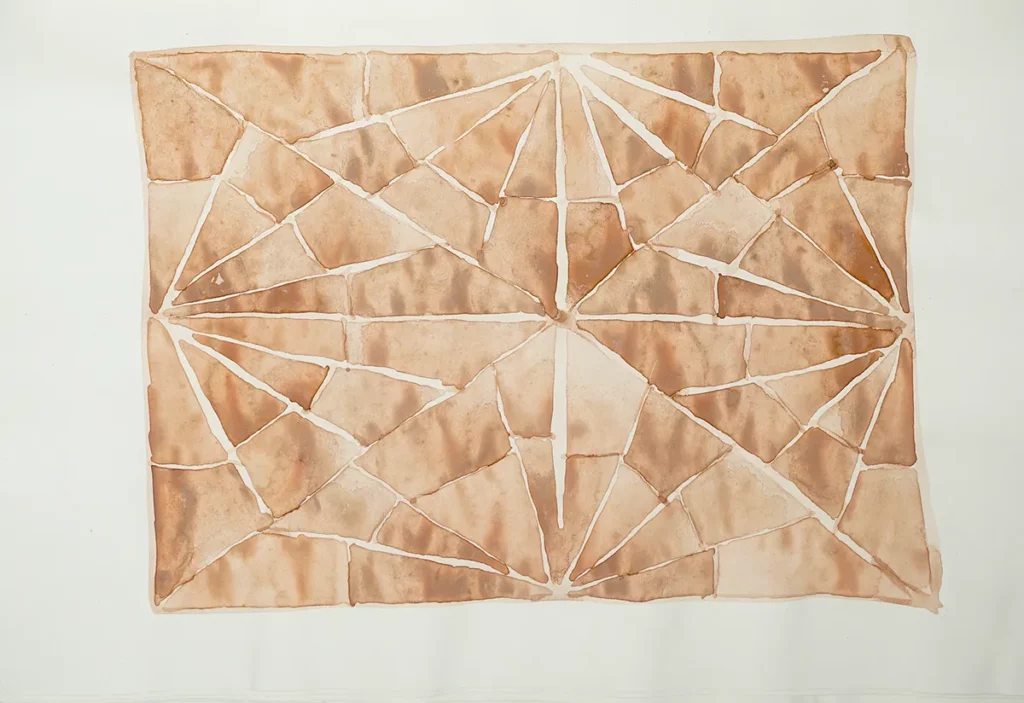
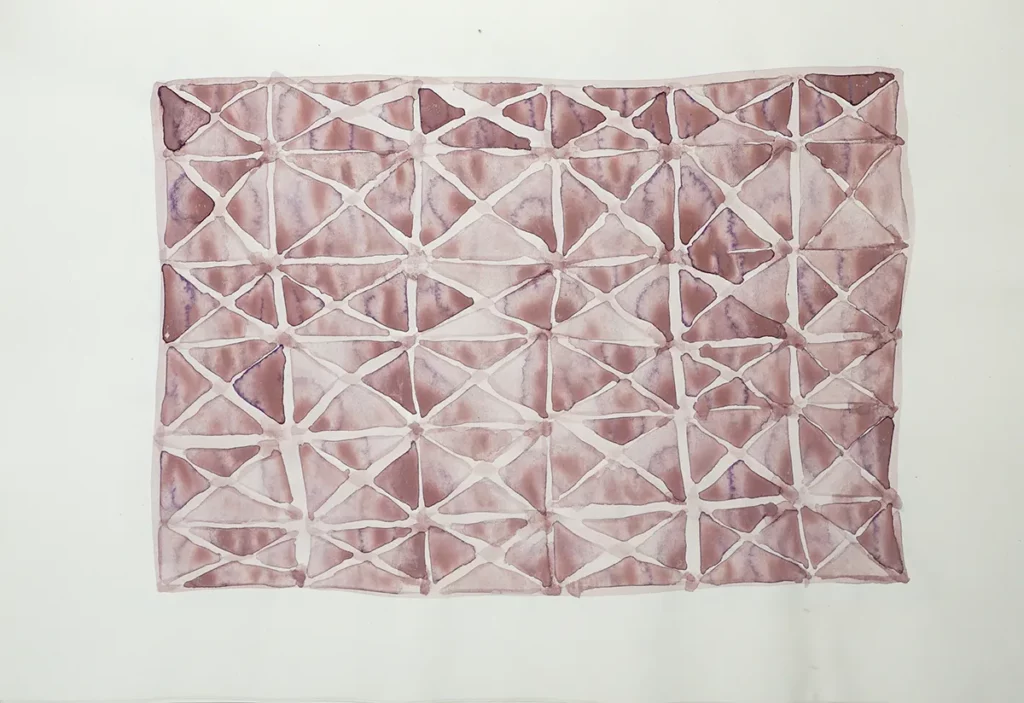
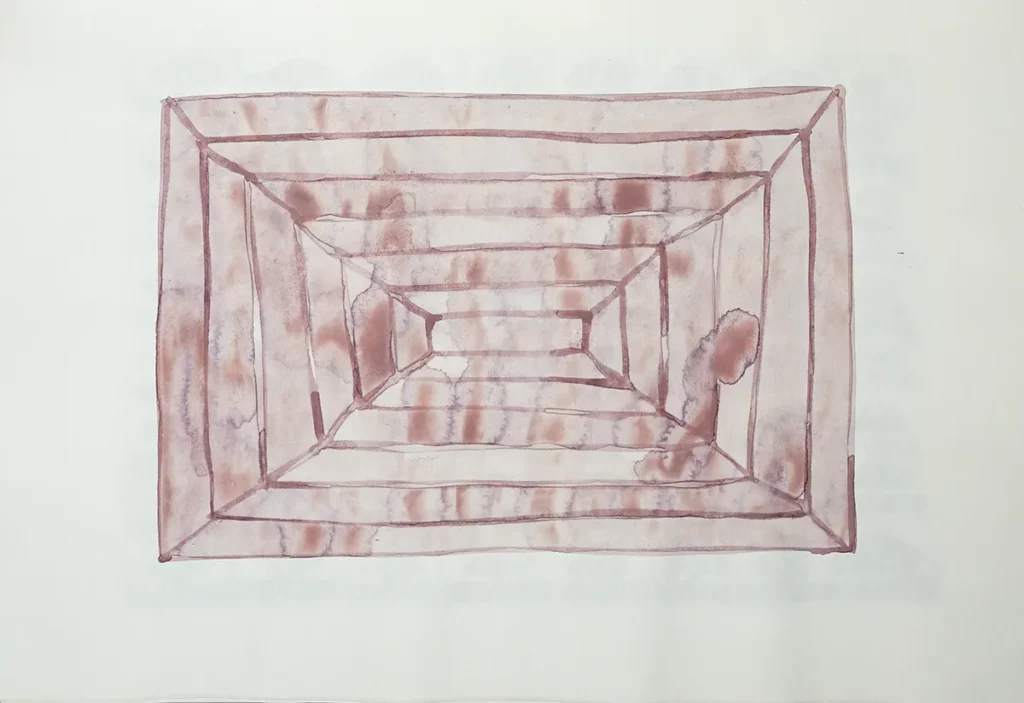
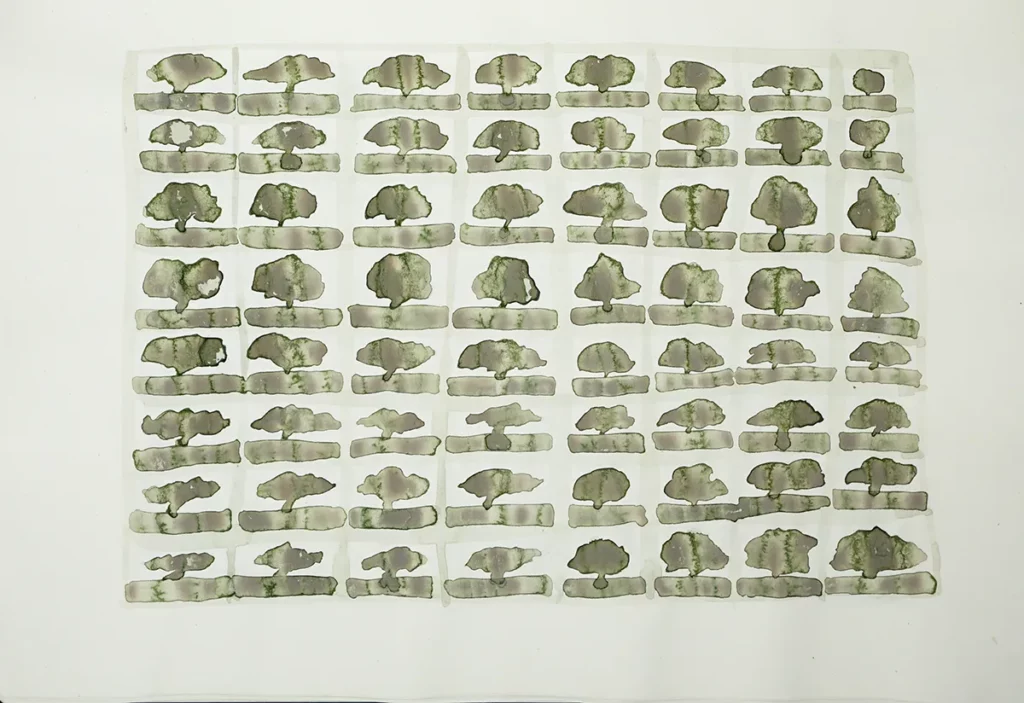
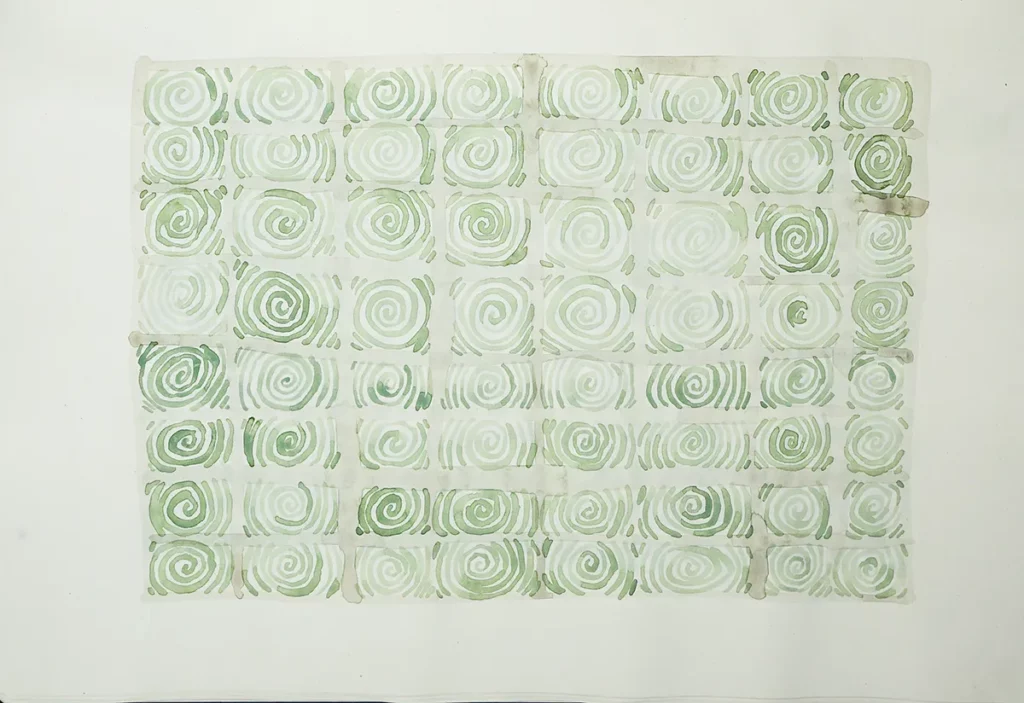
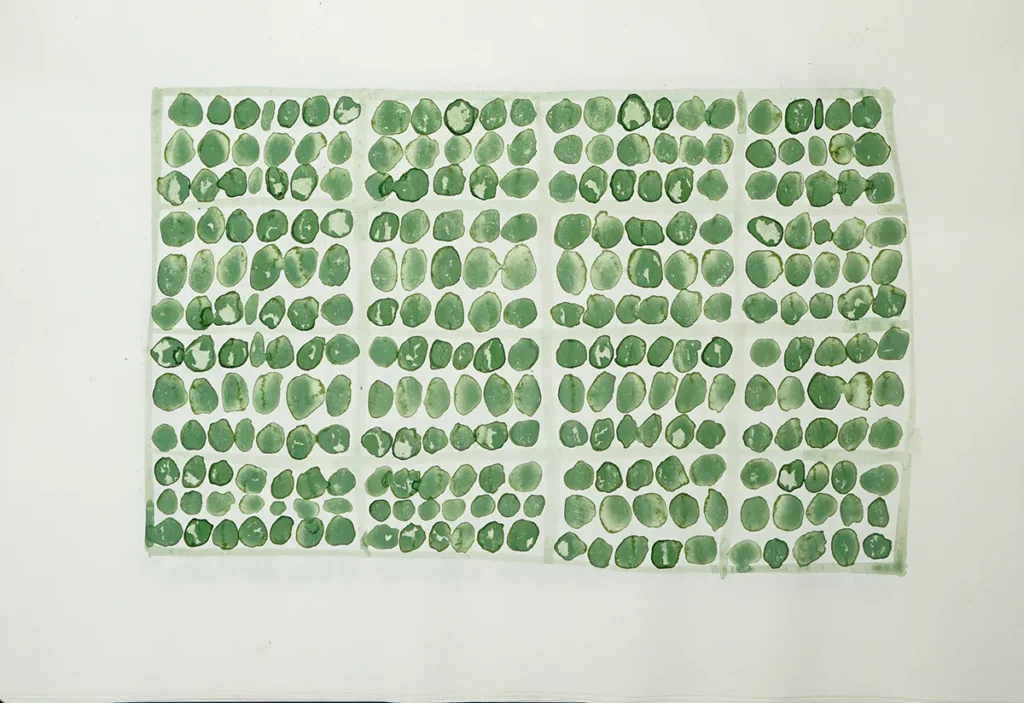
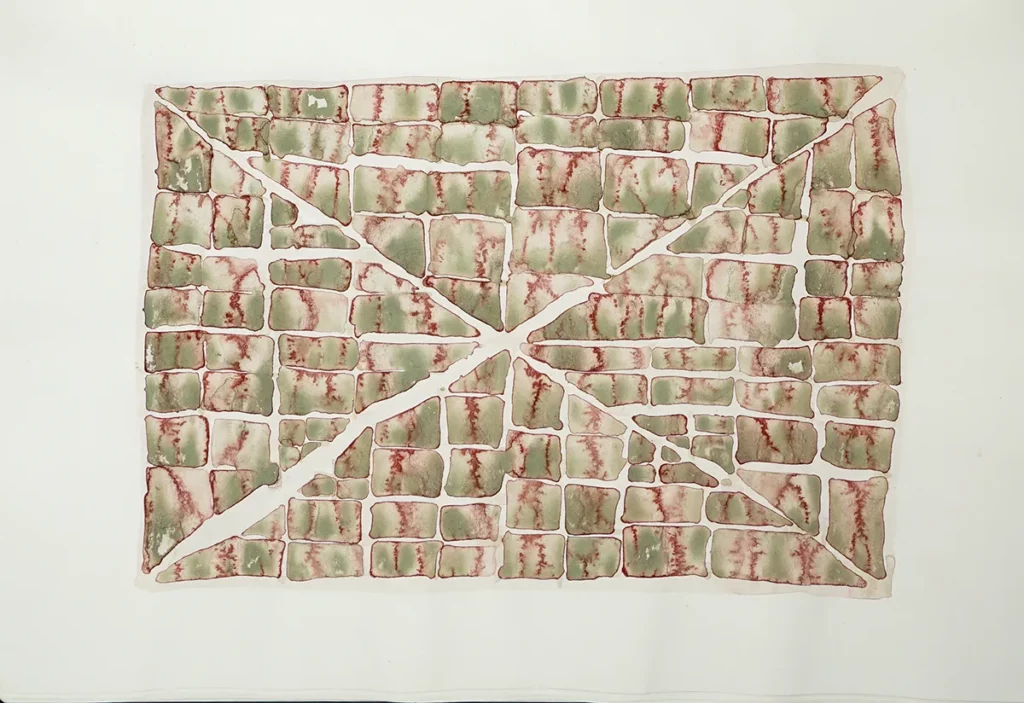
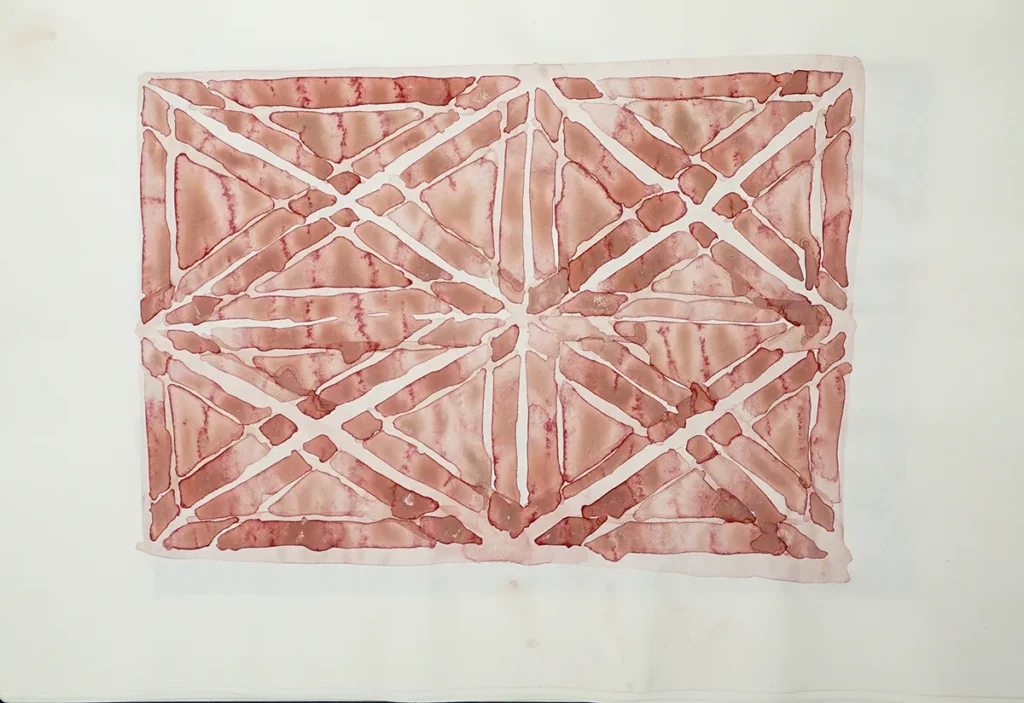
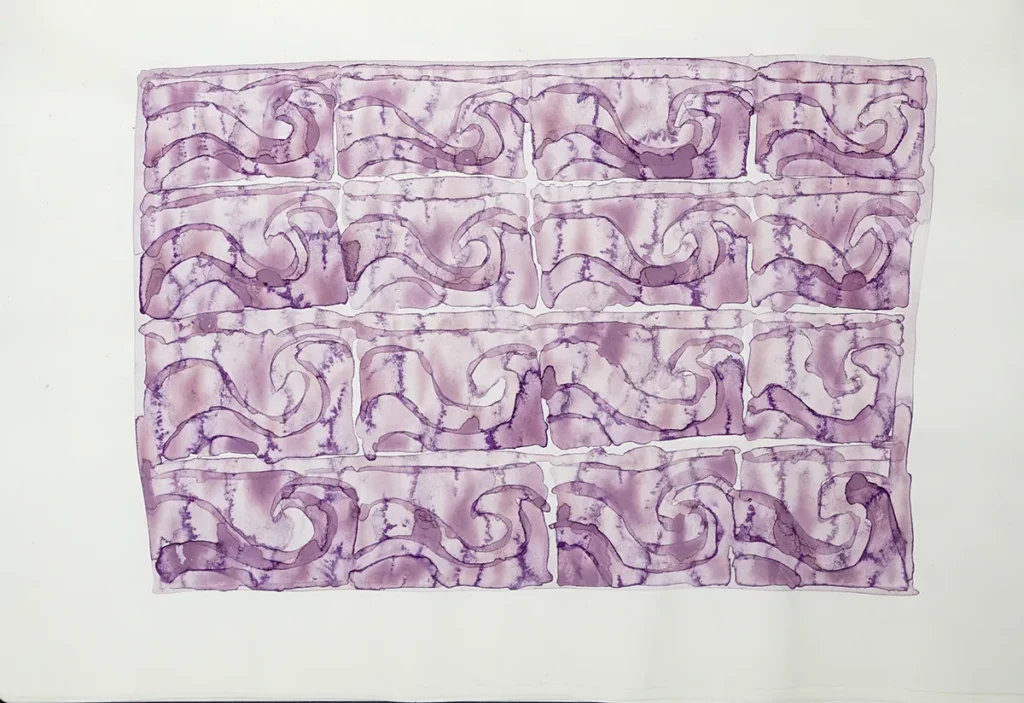
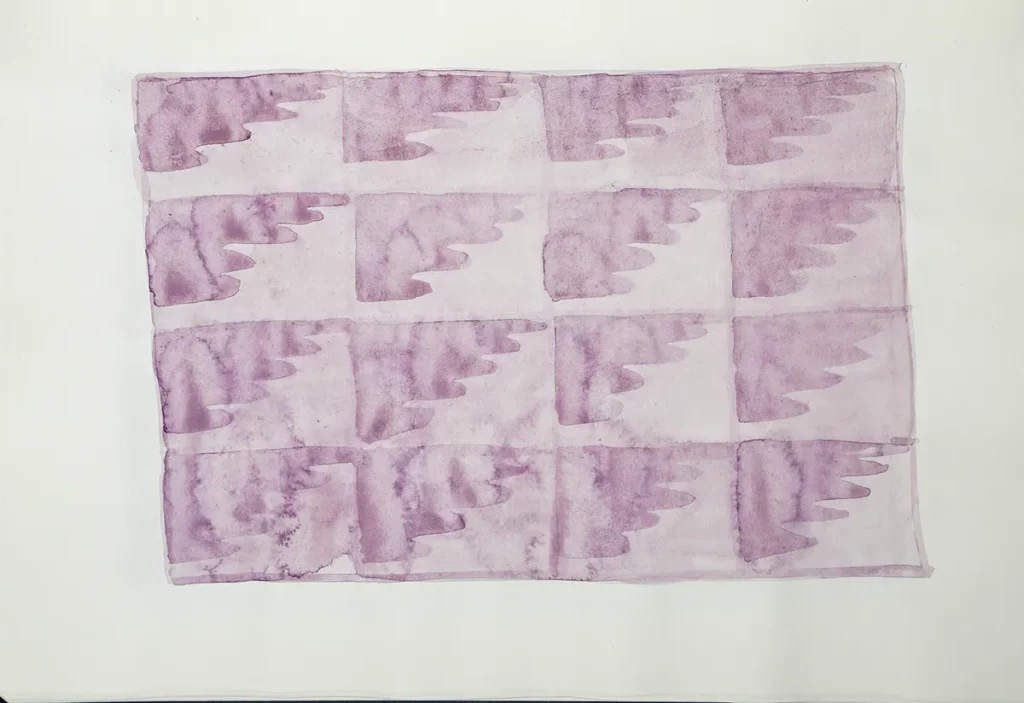
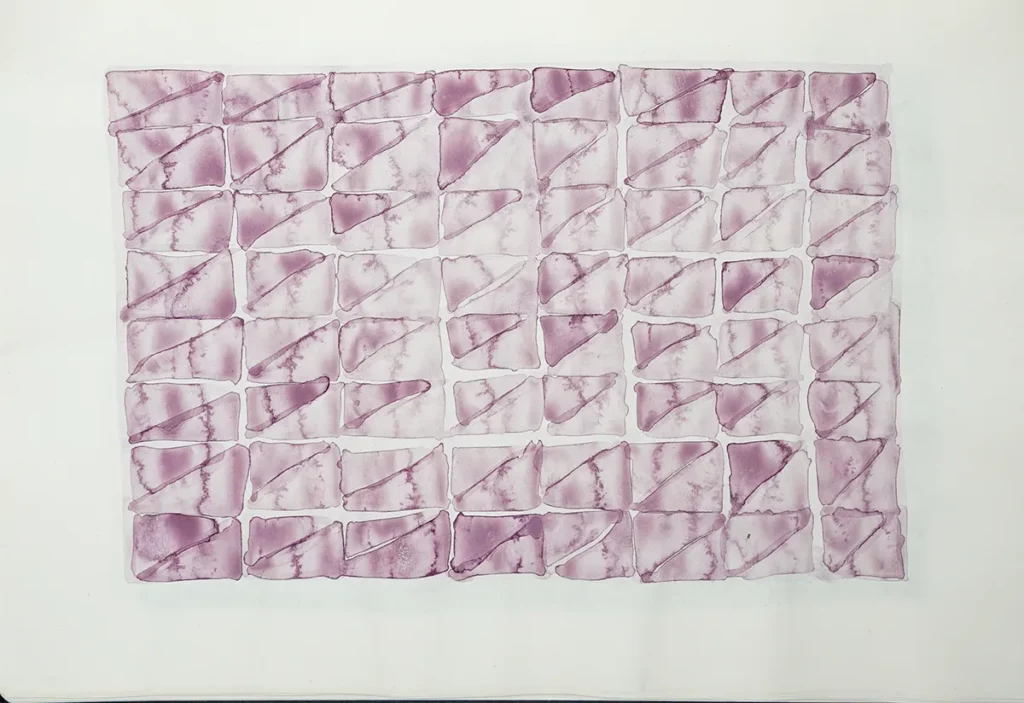
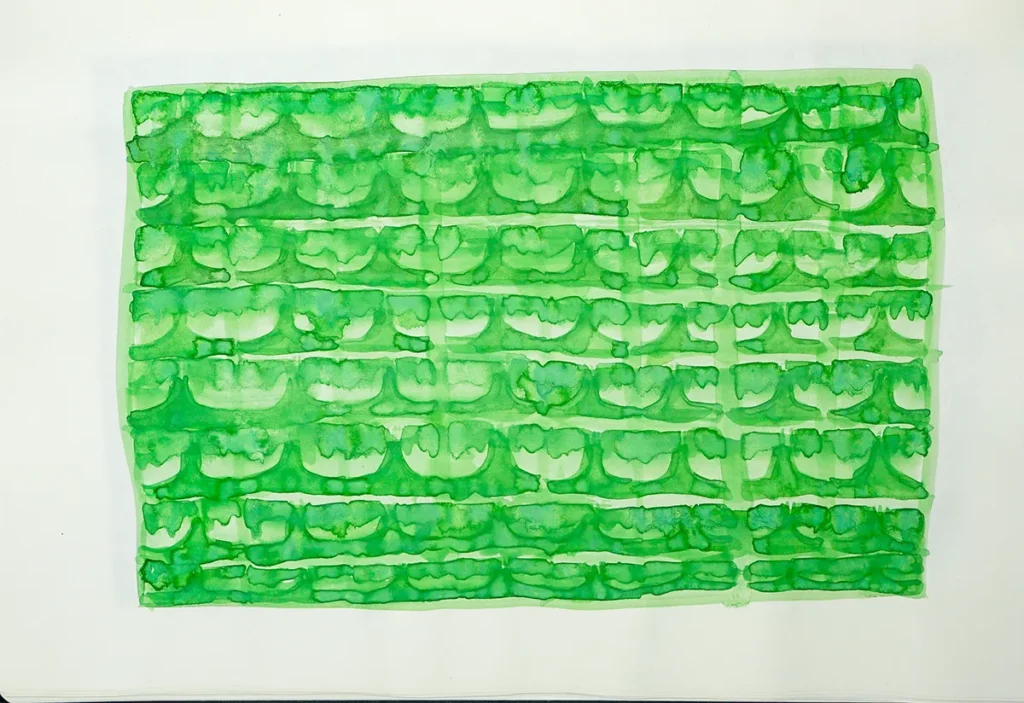
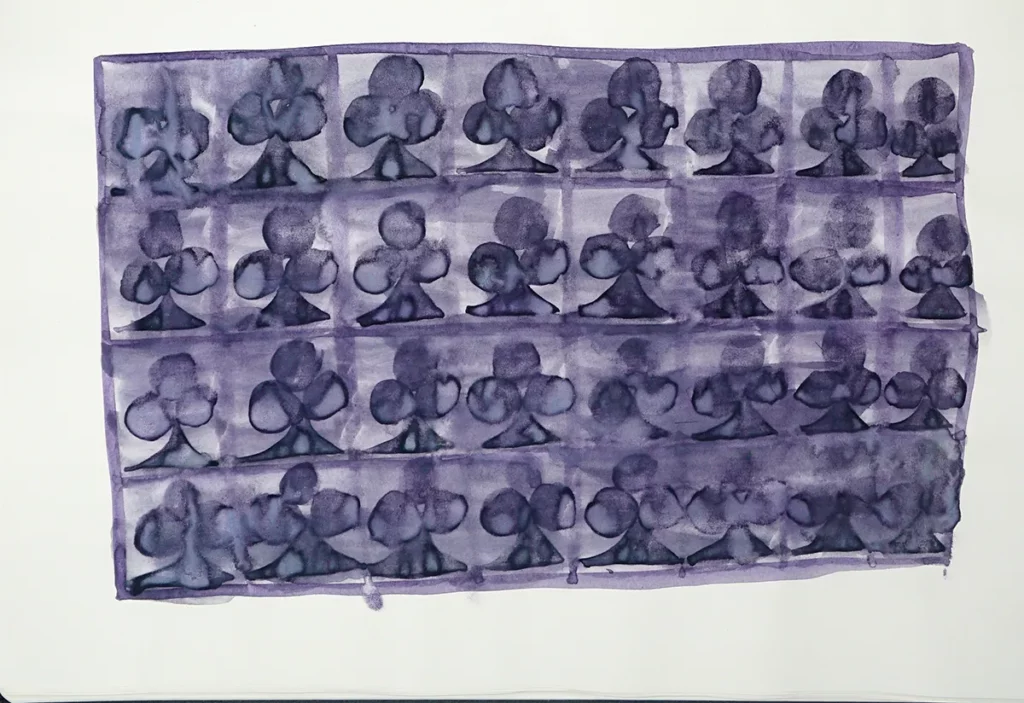
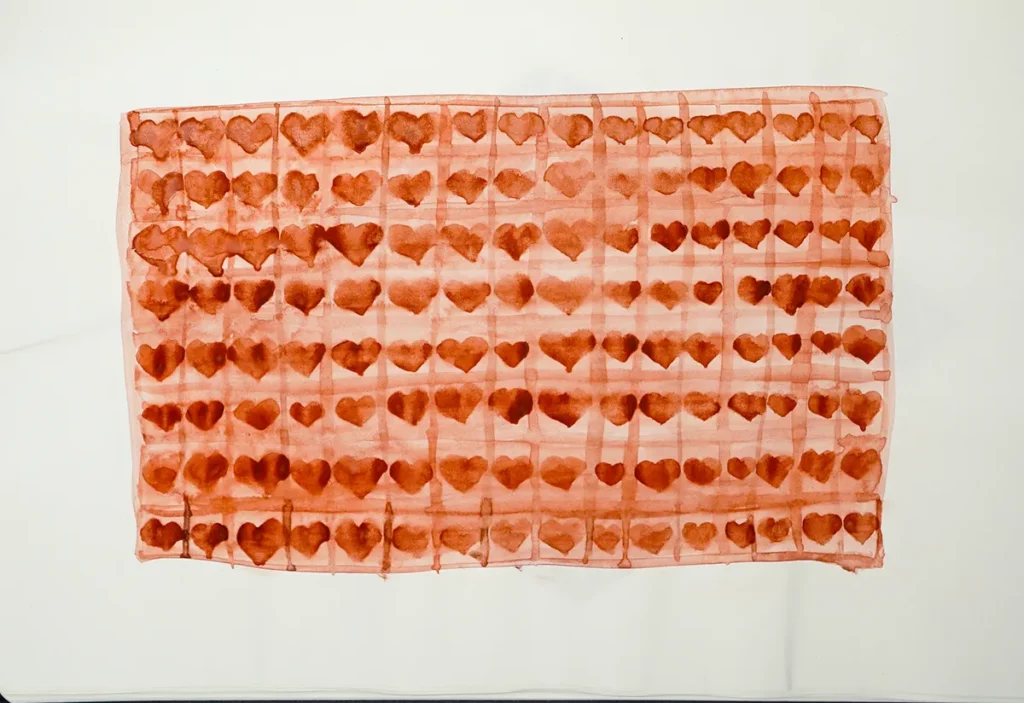
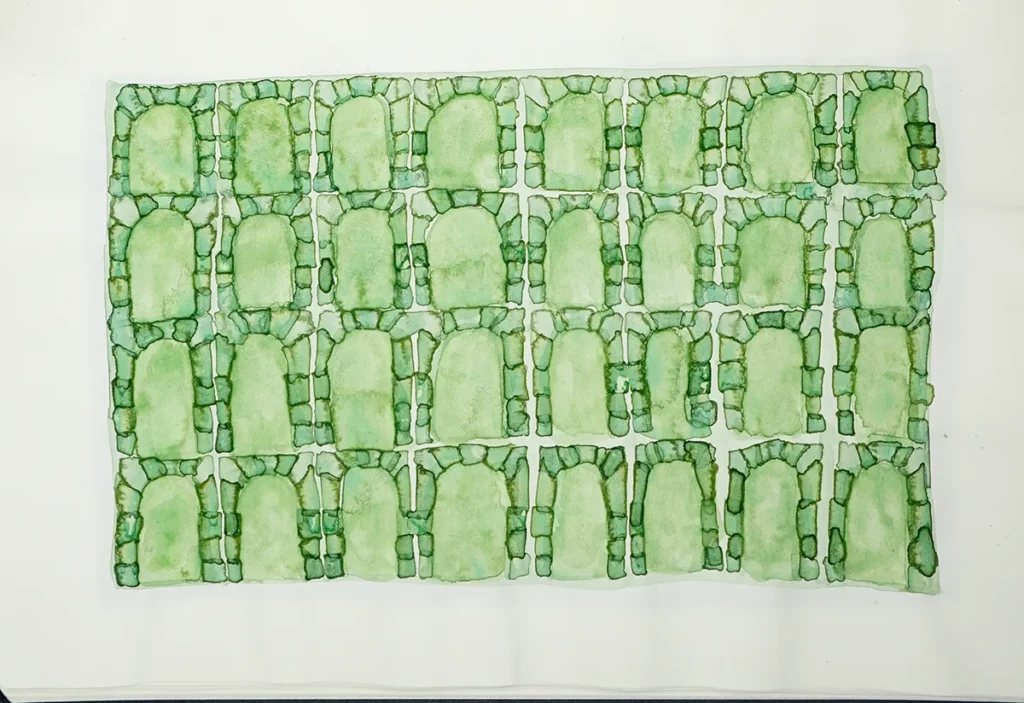
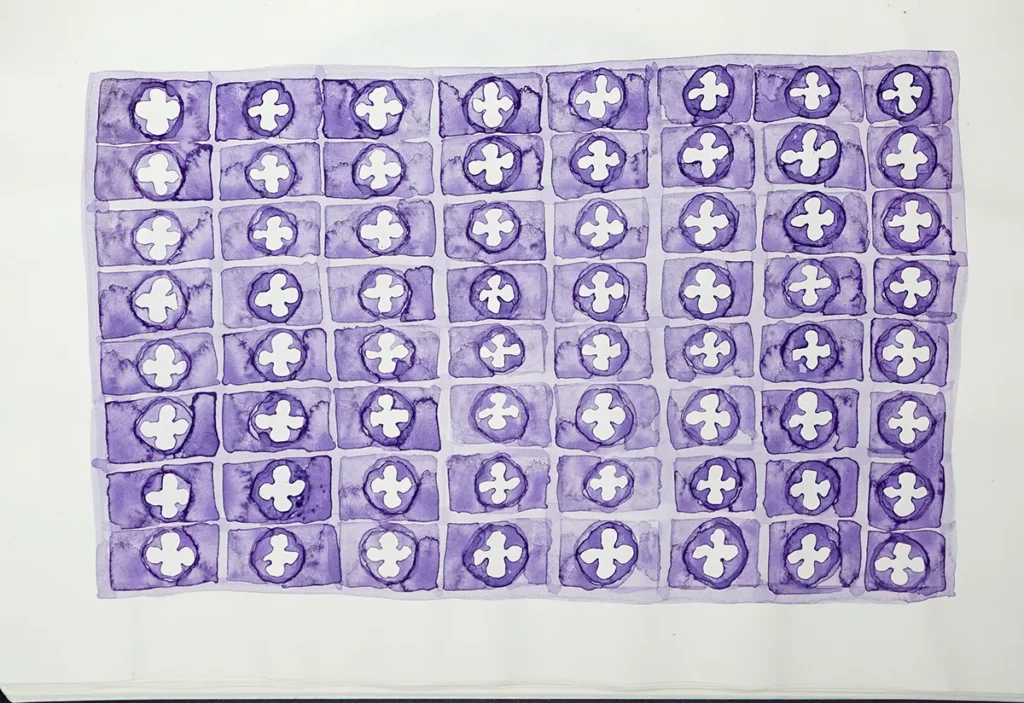
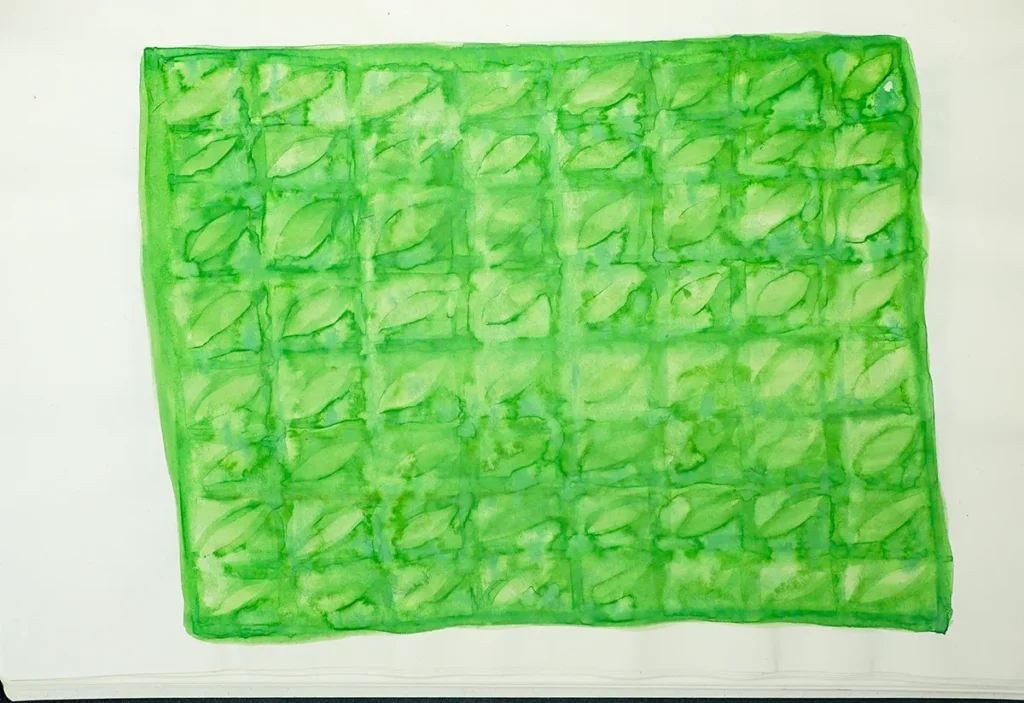
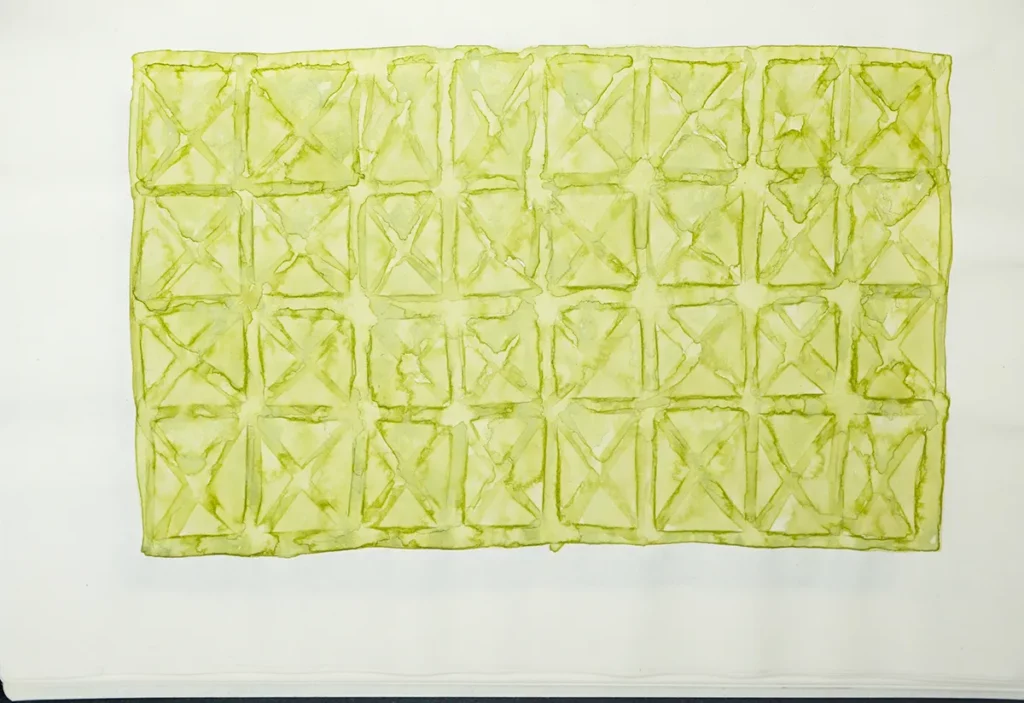
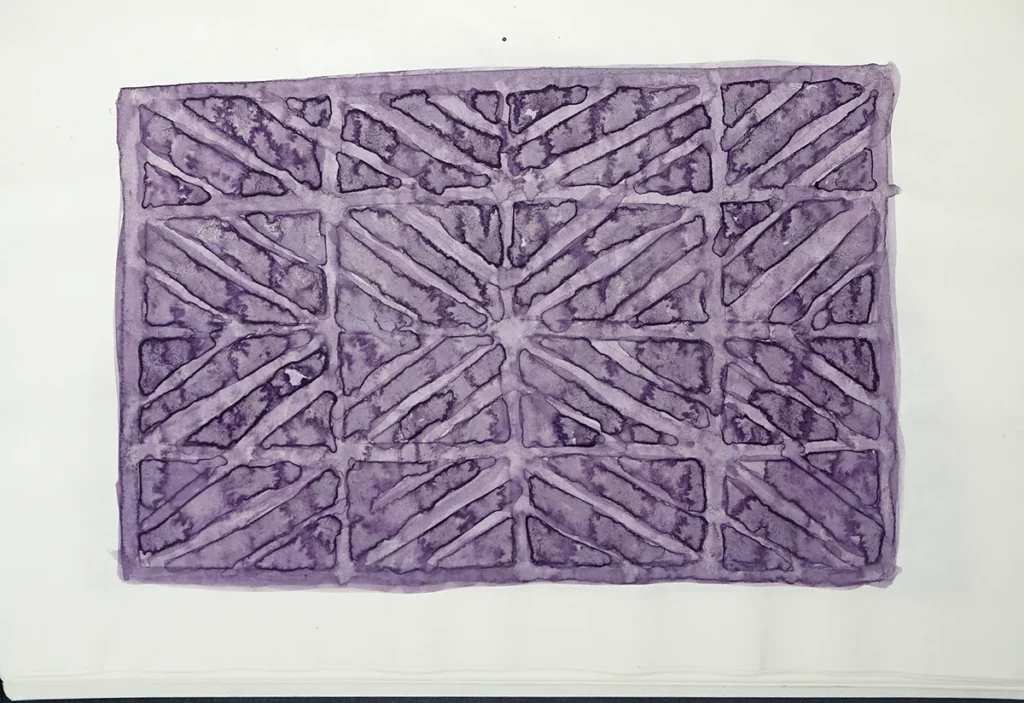
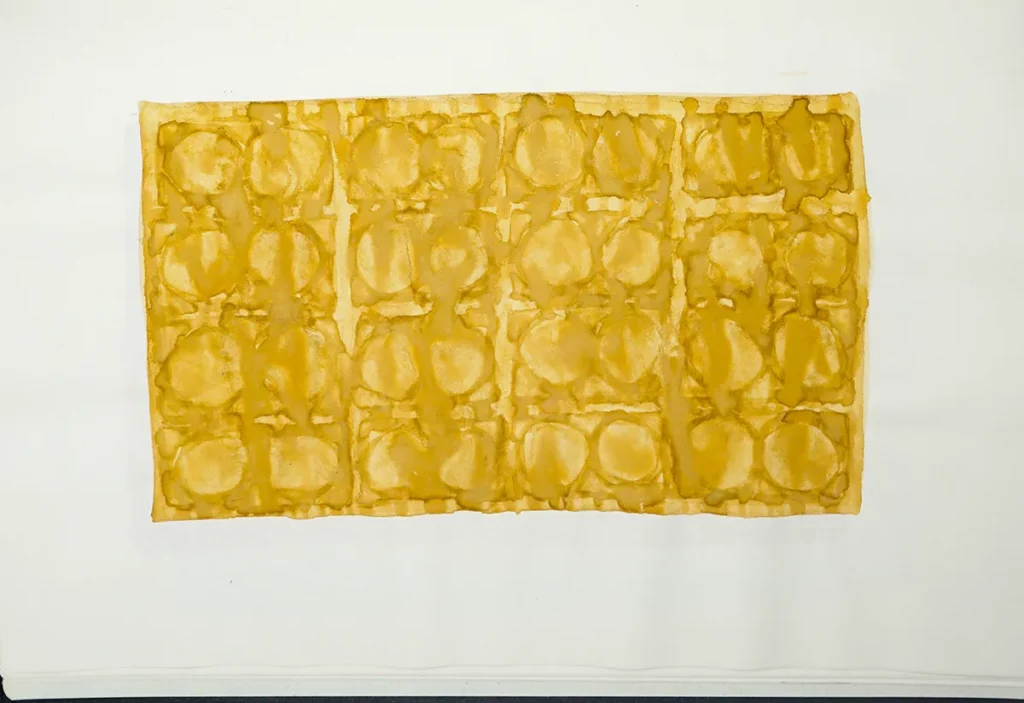
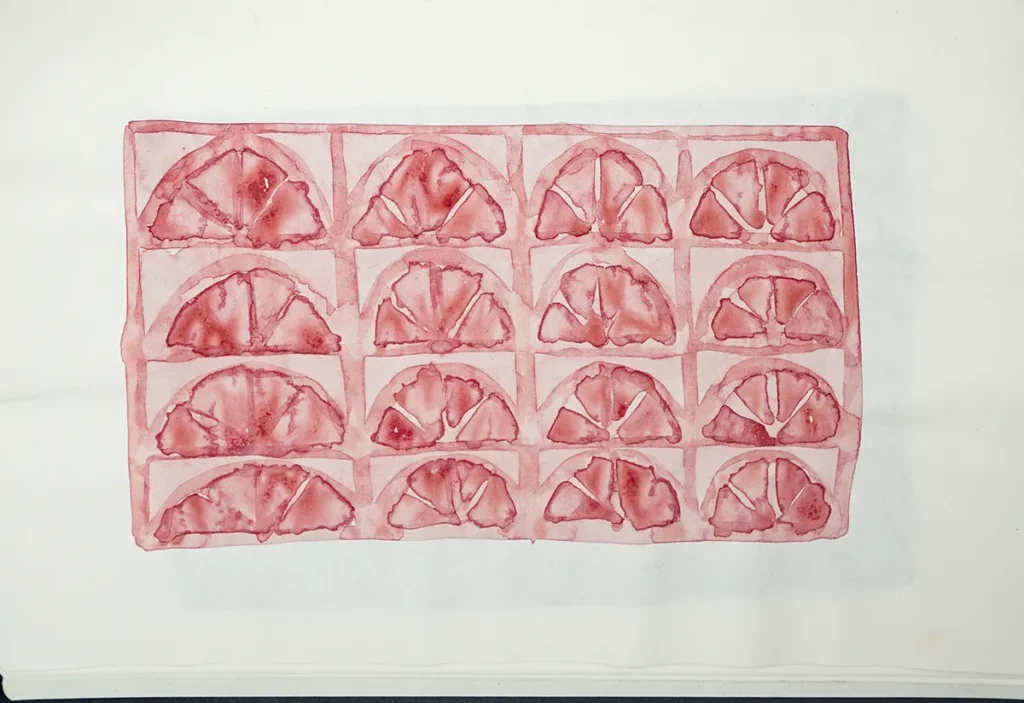
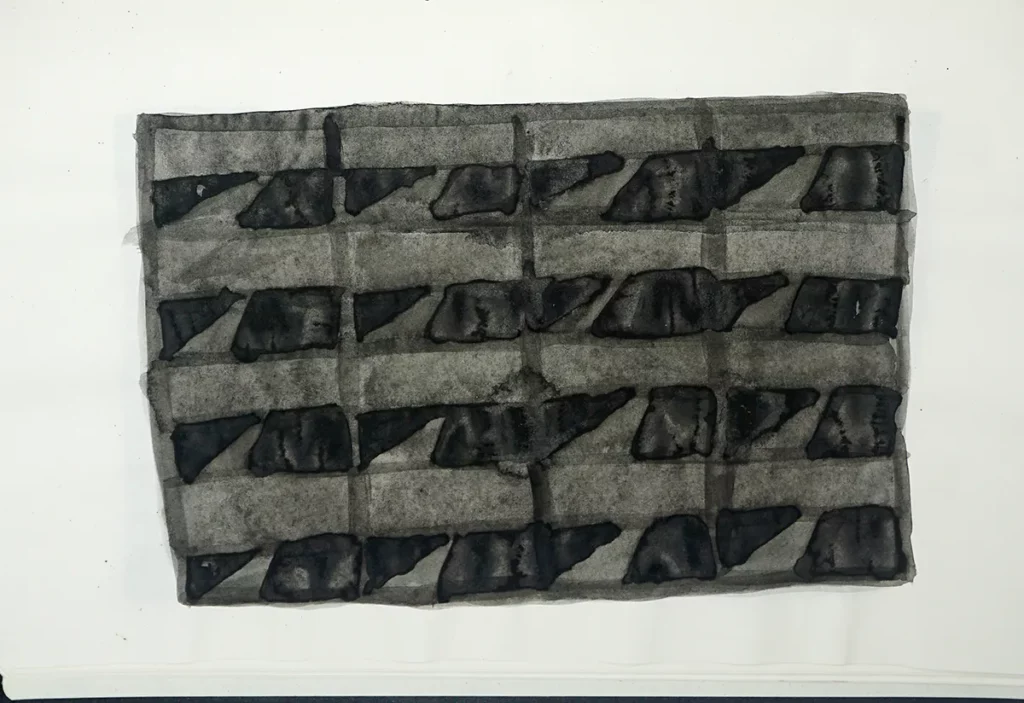
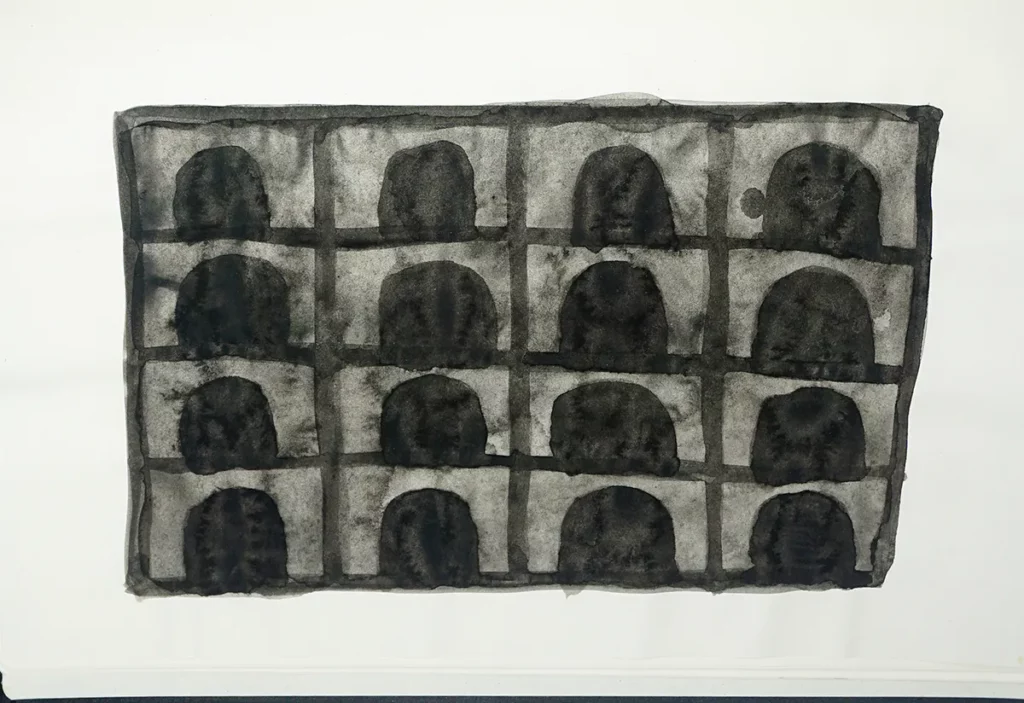
Pattern notebook
October-December 2017
Échelles
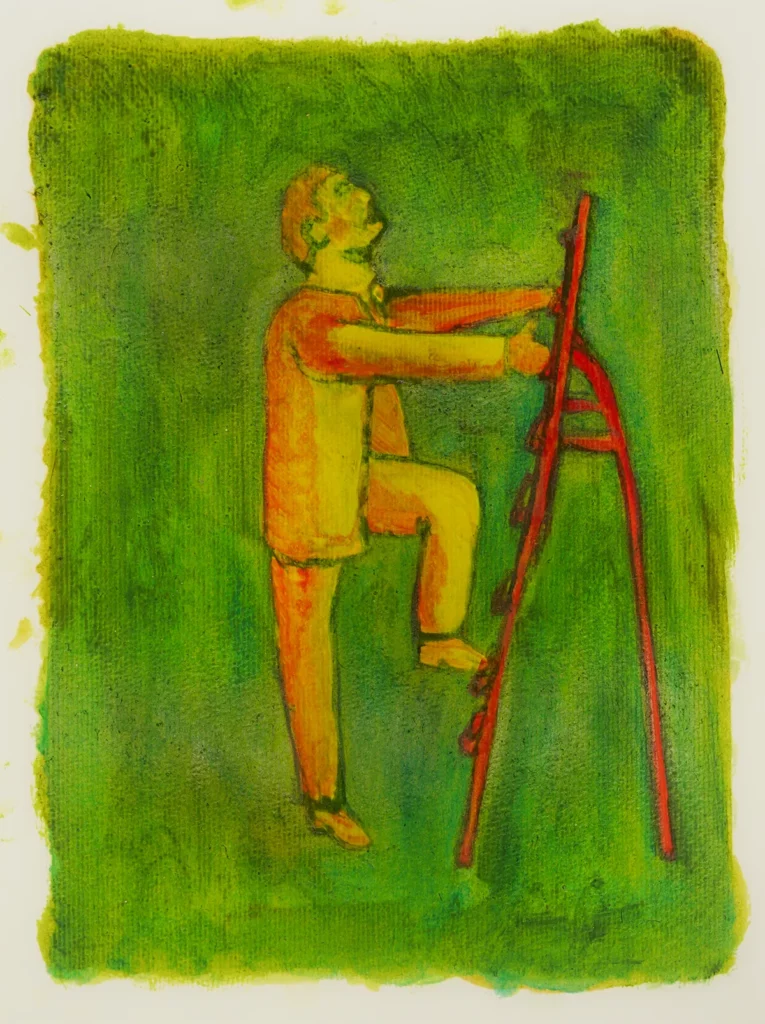
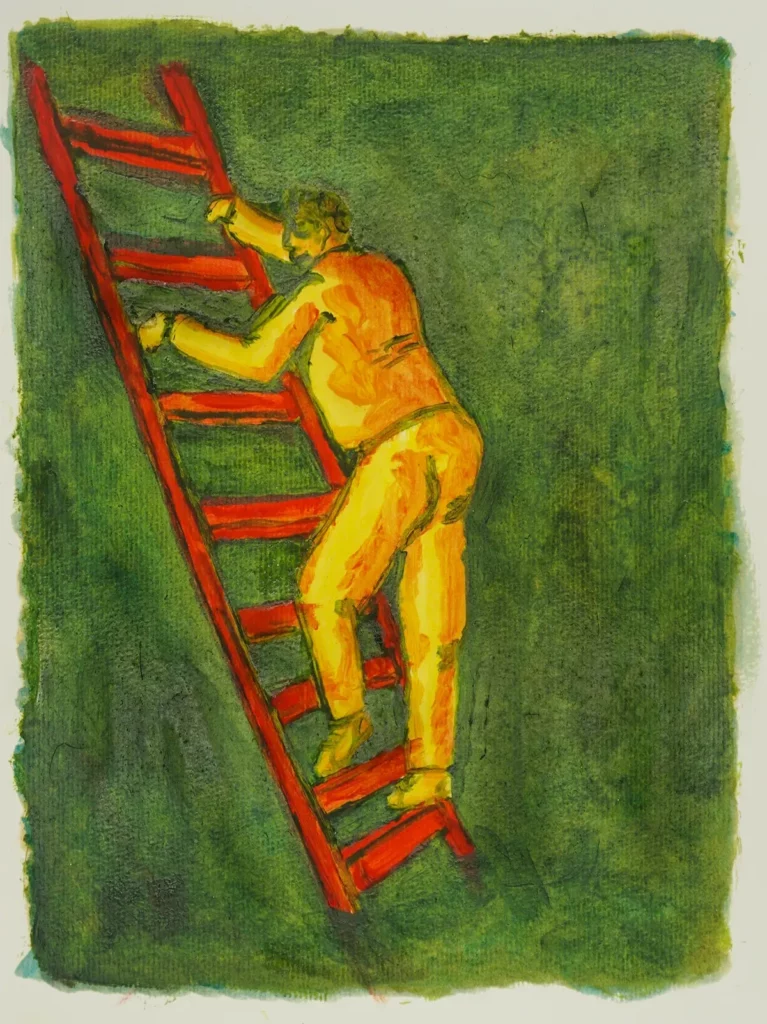
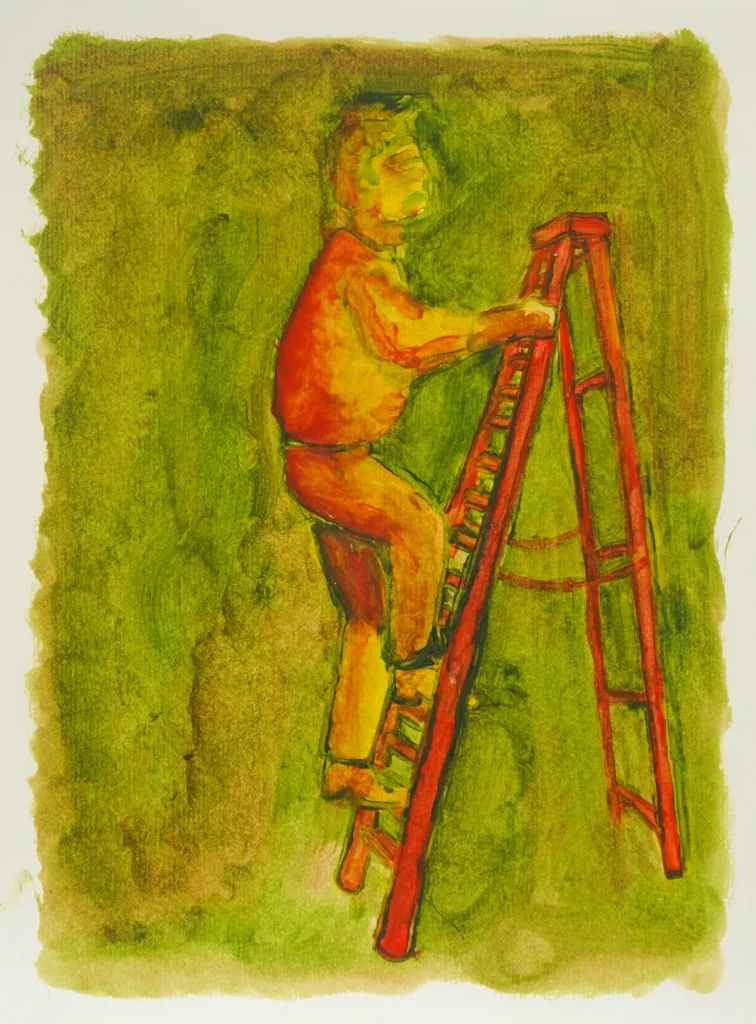
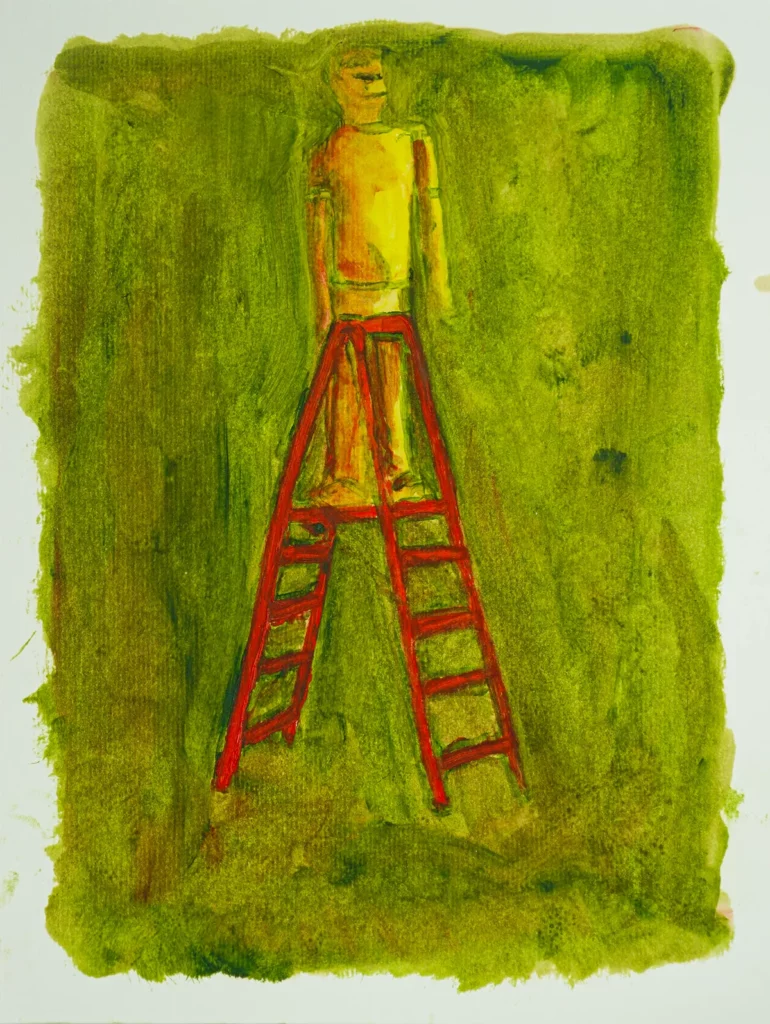
Échelles (x4)
2017
Oil on paper
32 × 24 cm
12.6 × 9.4 in
Grilles (x30)
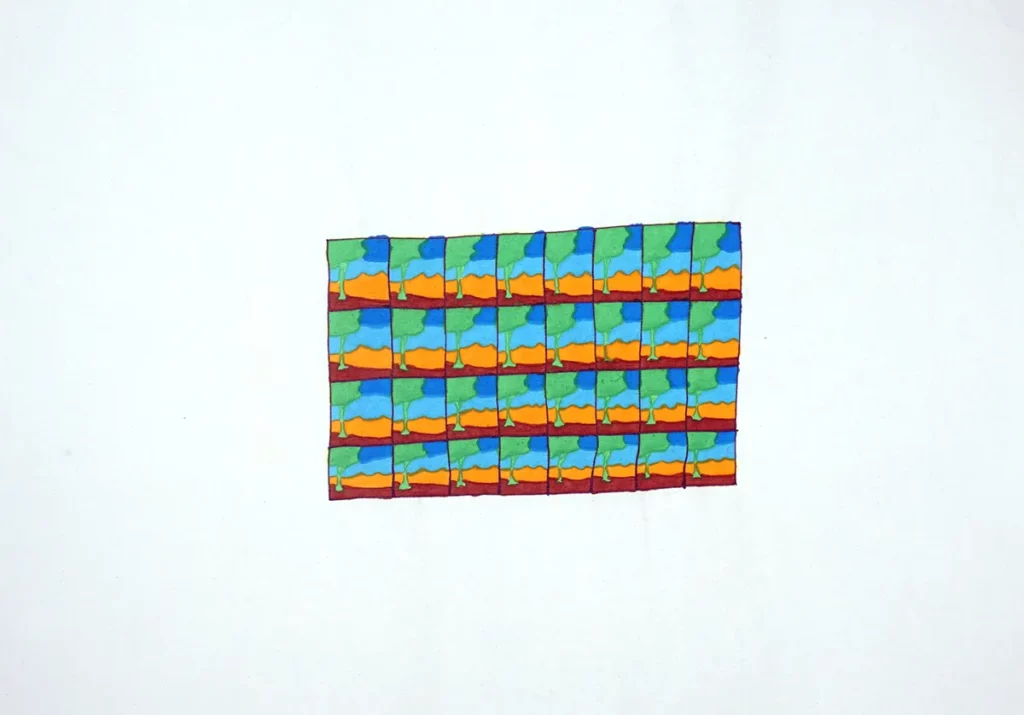
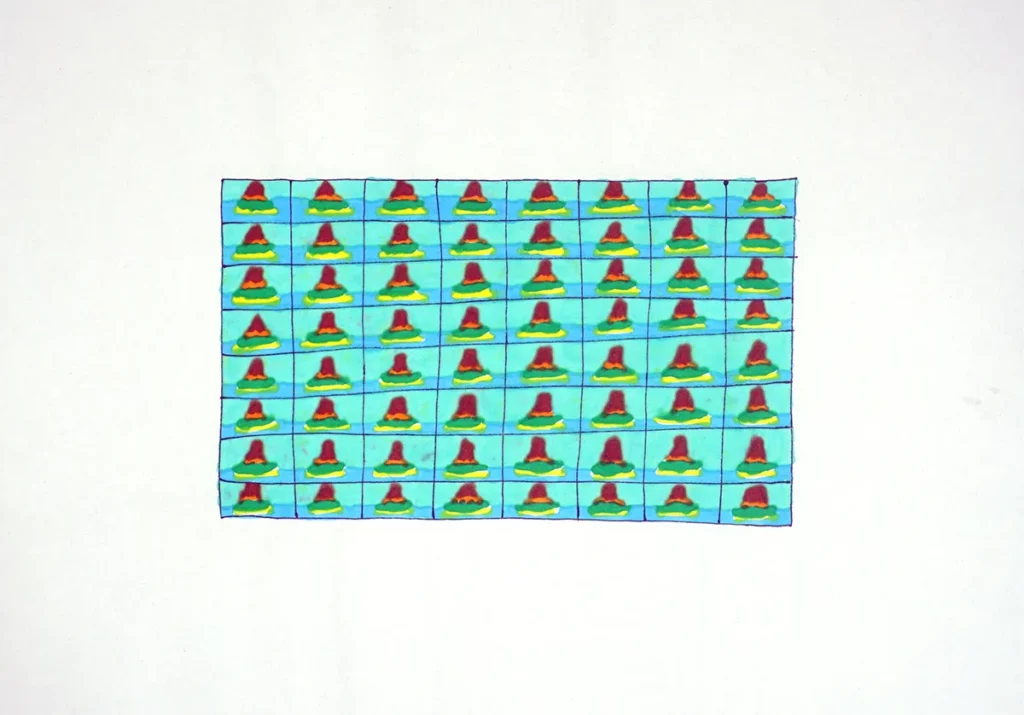
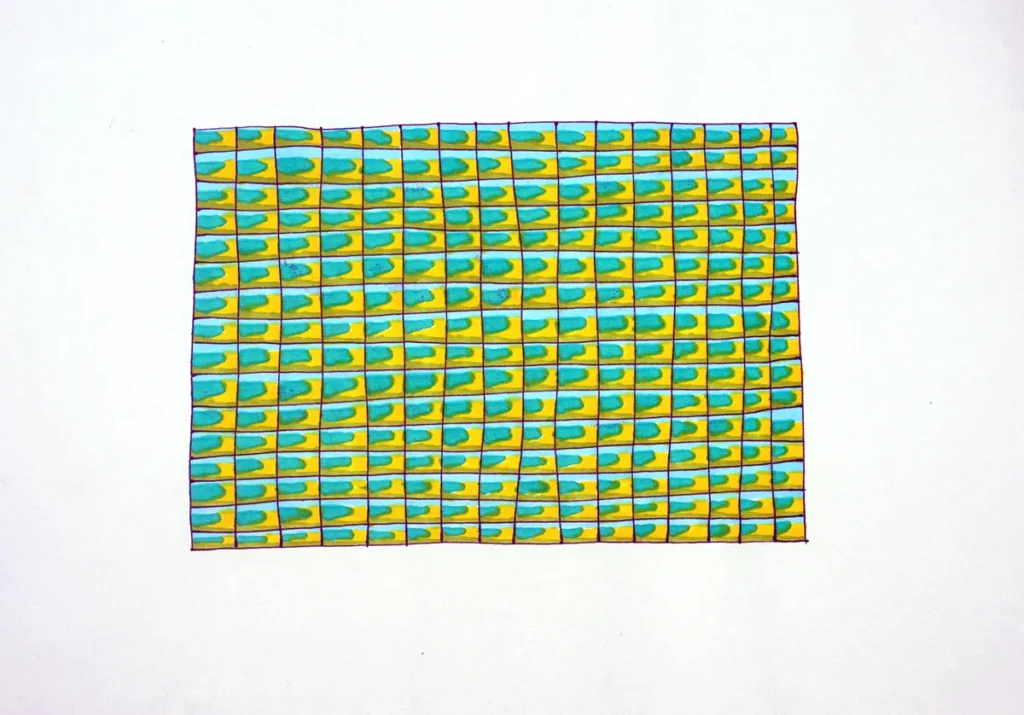
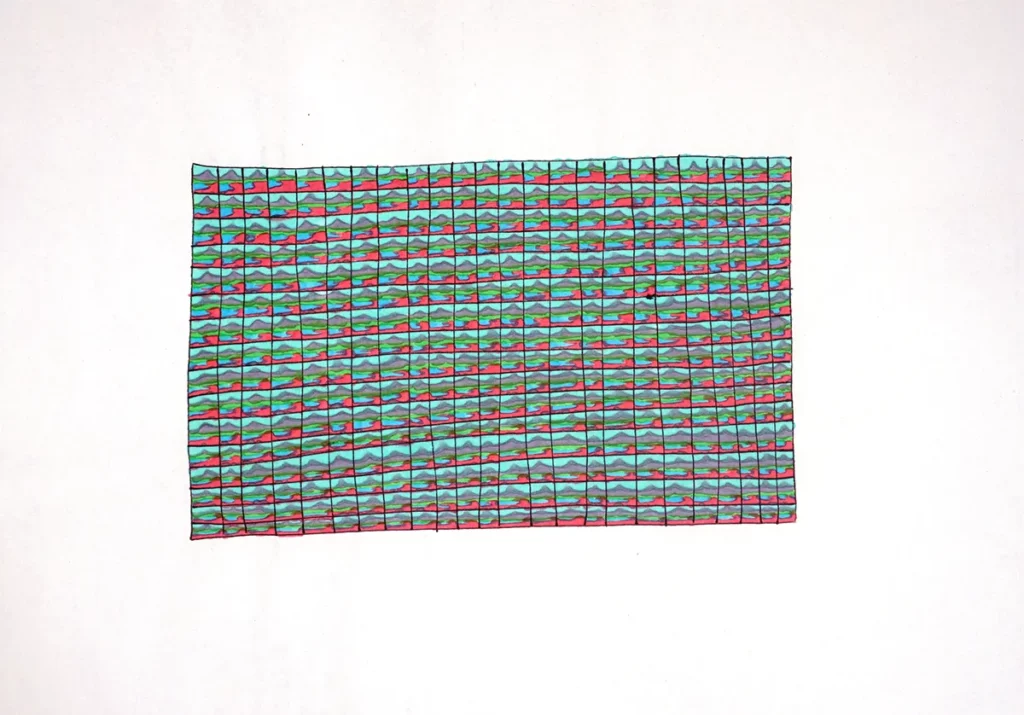
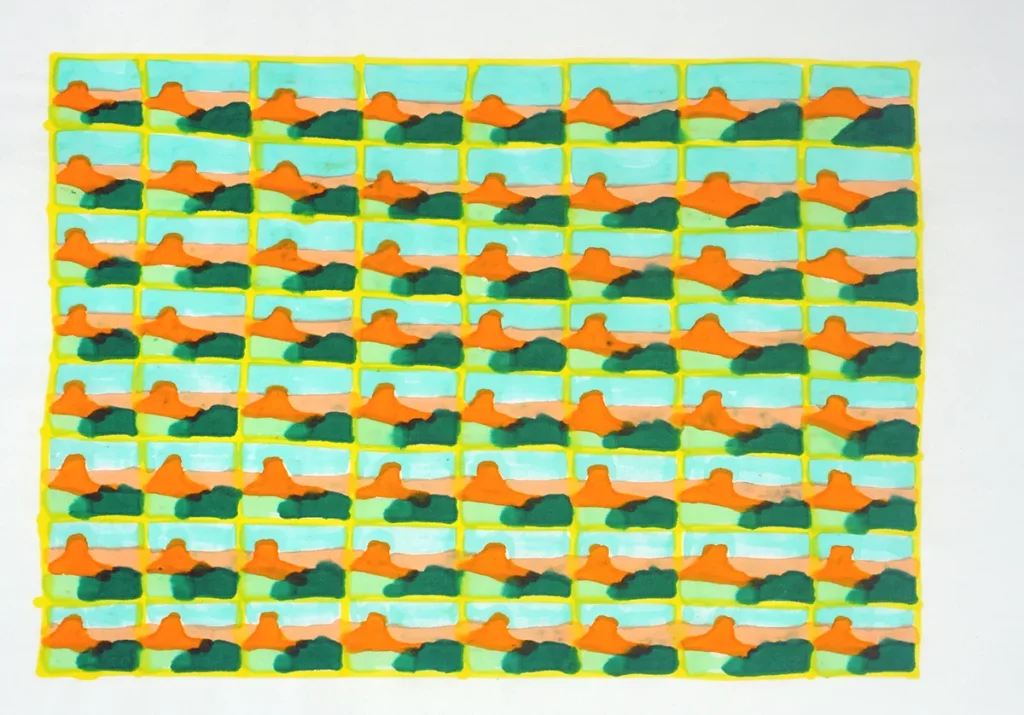
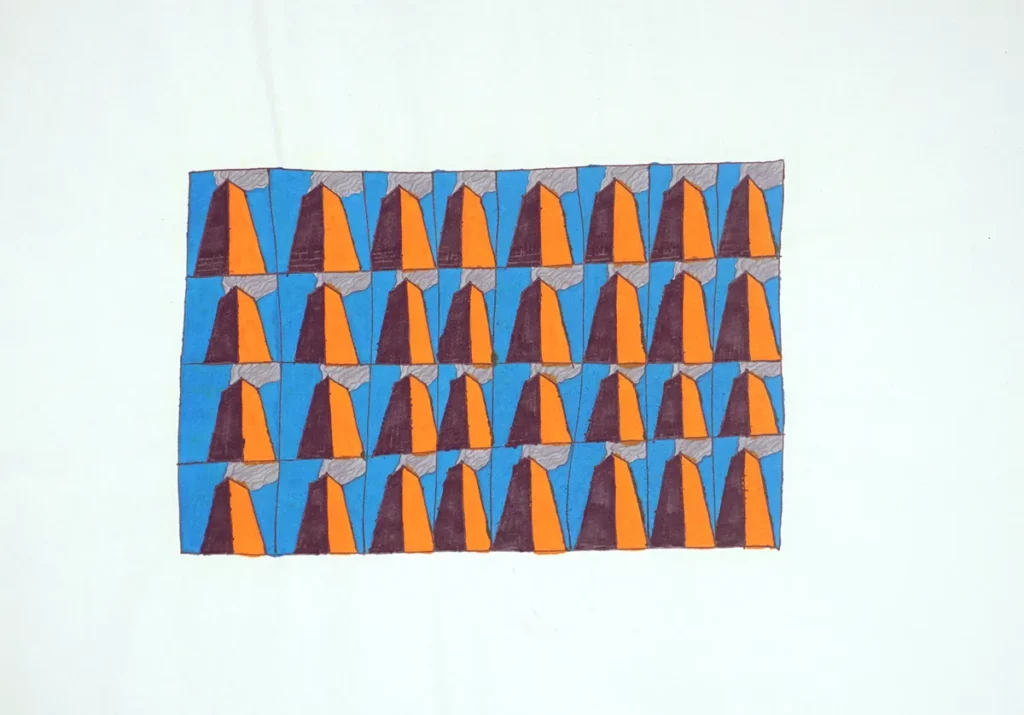
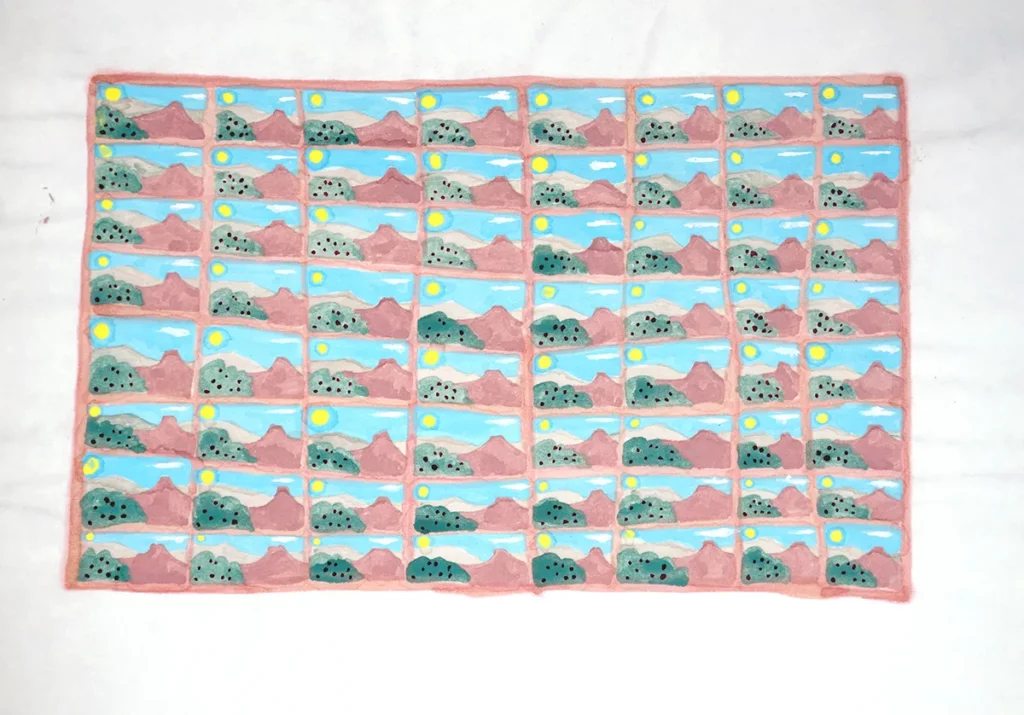
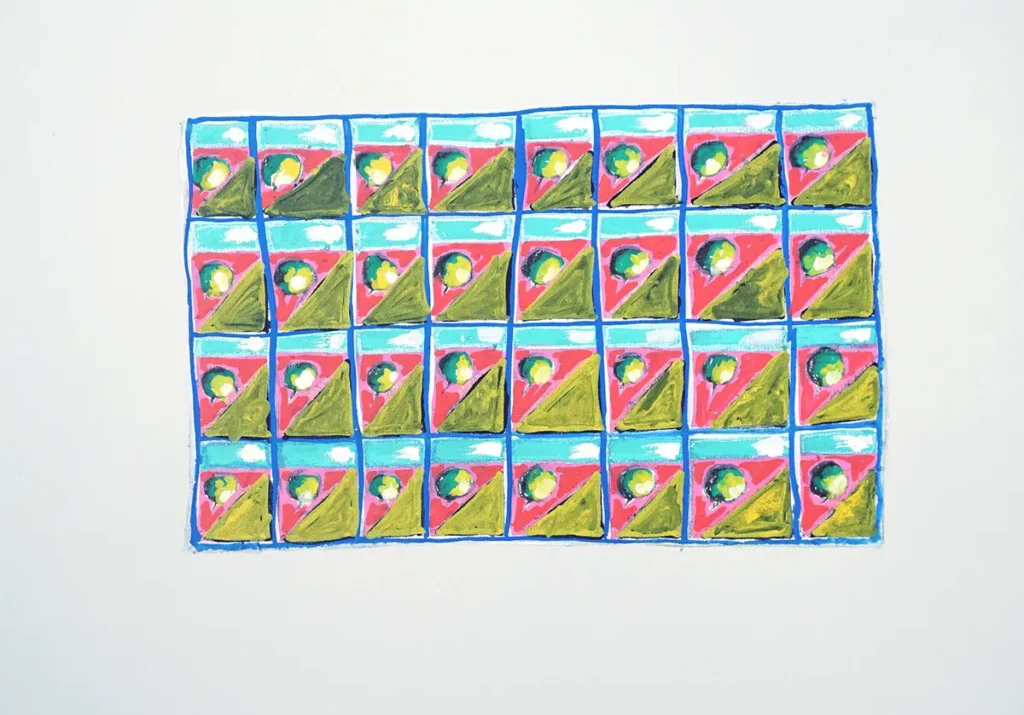
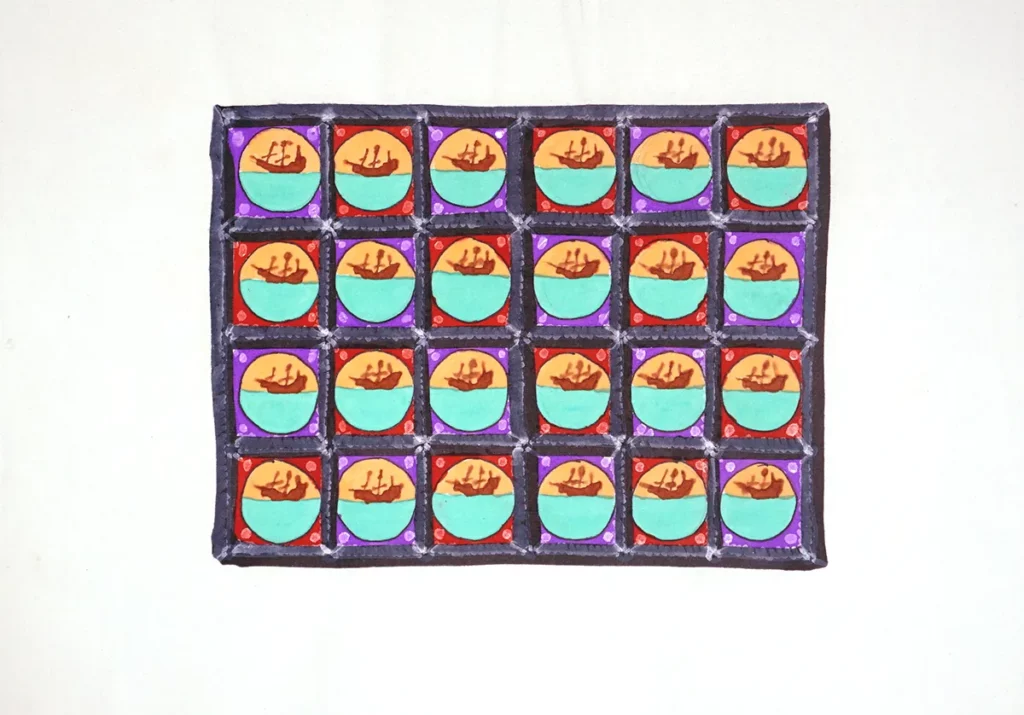
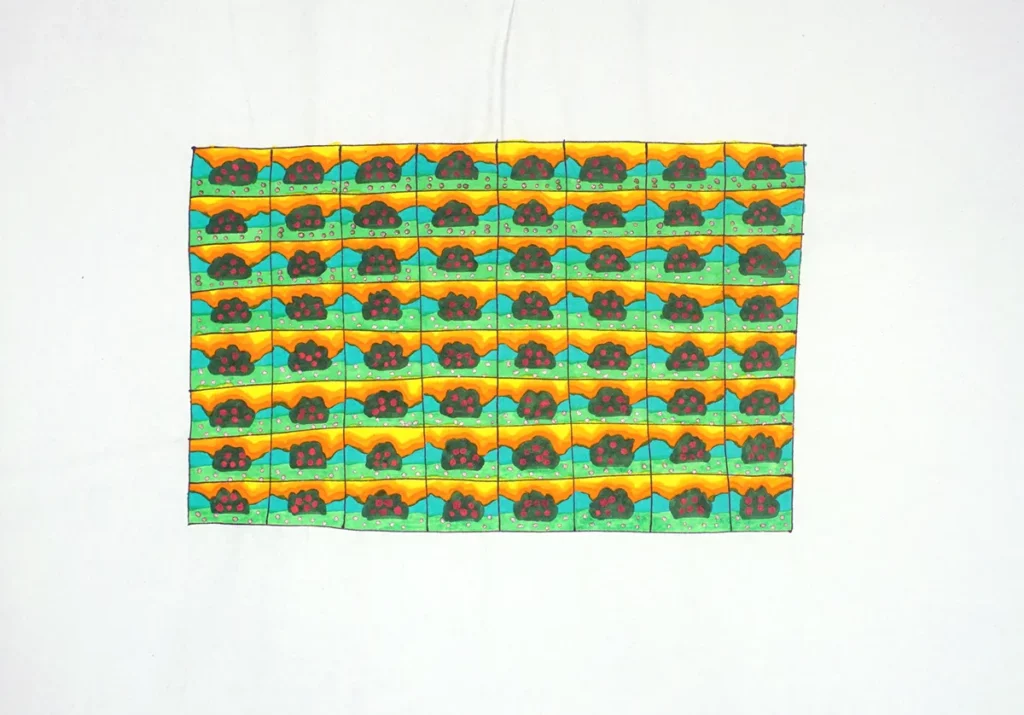
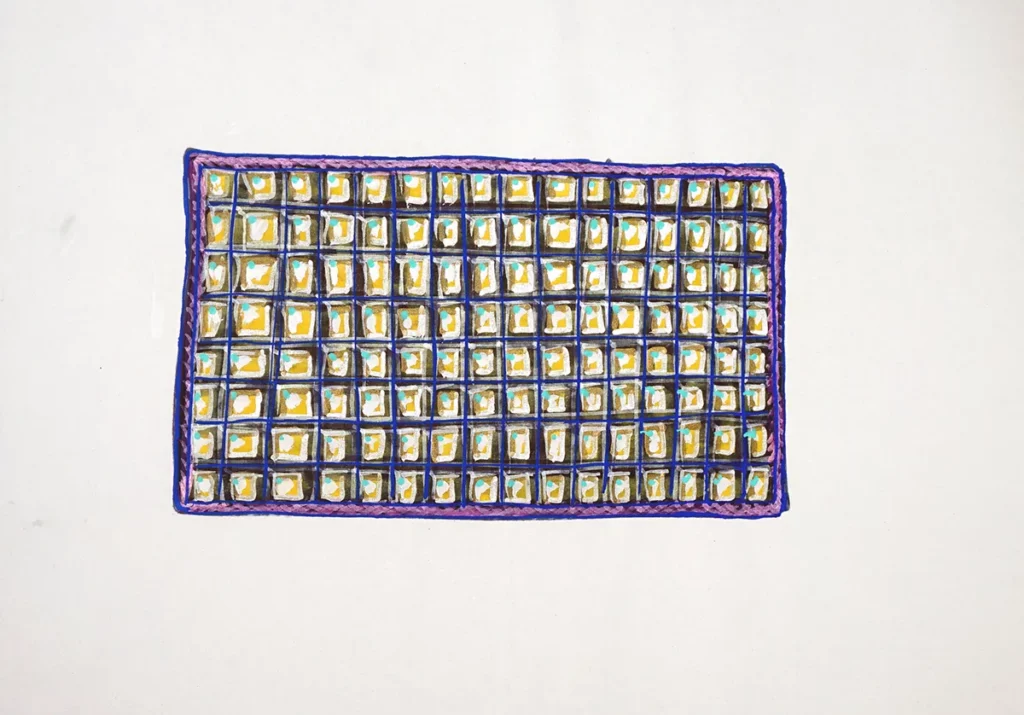
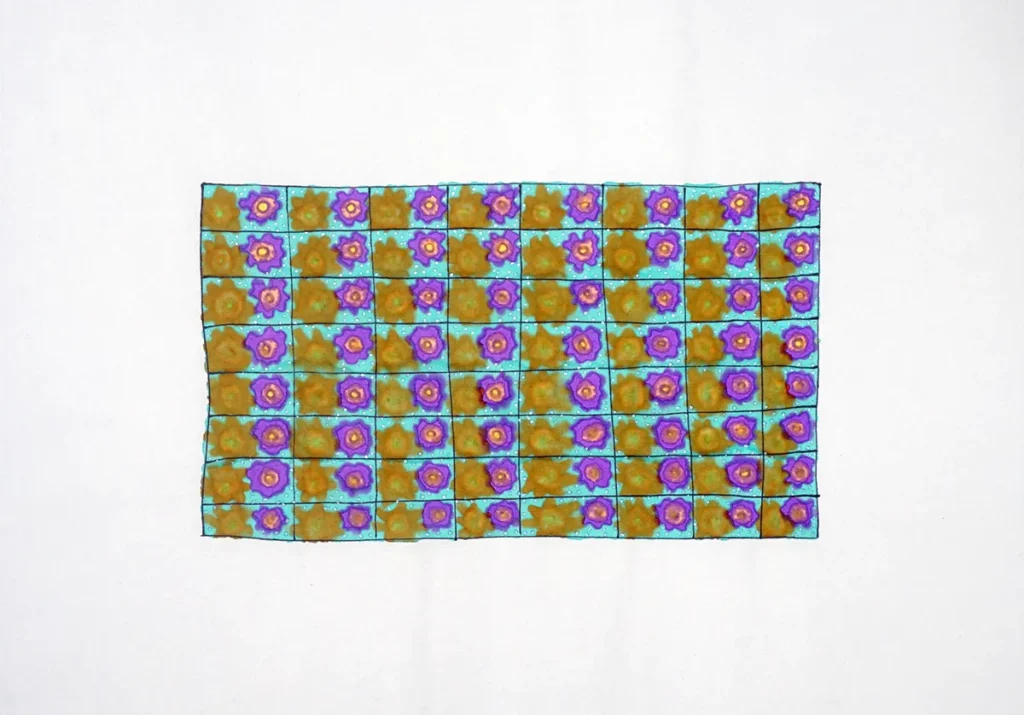
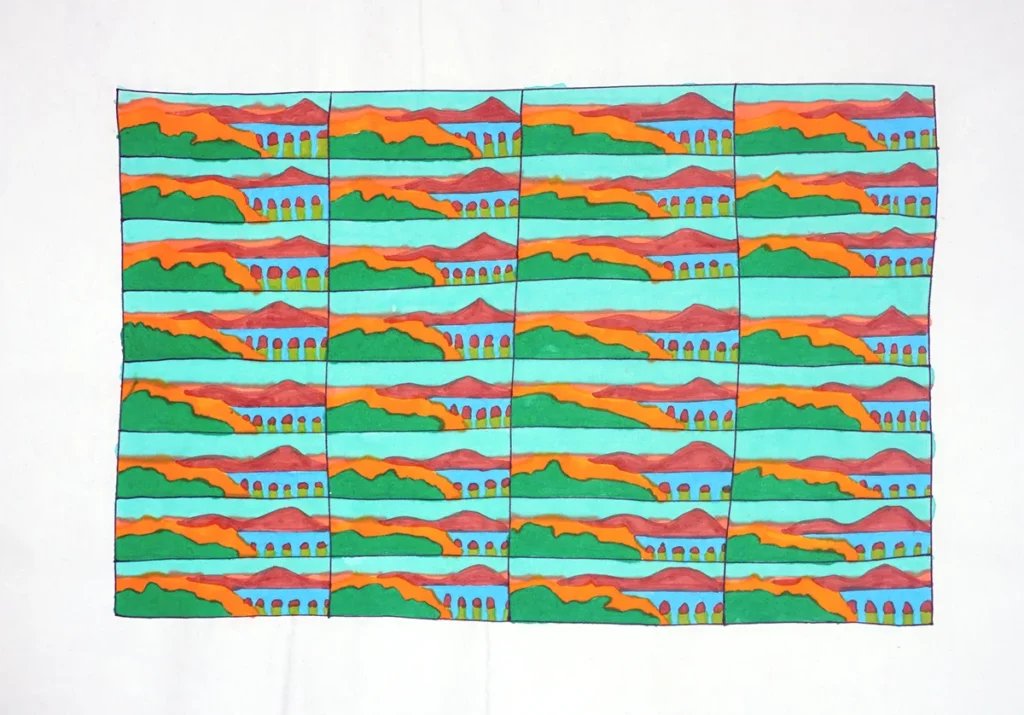
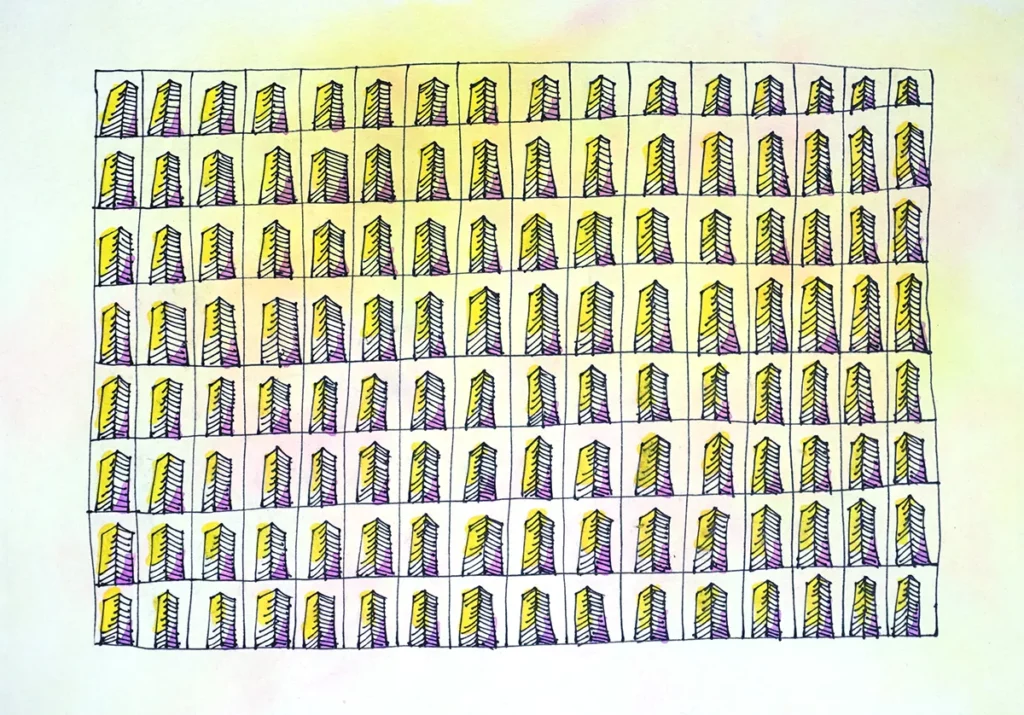
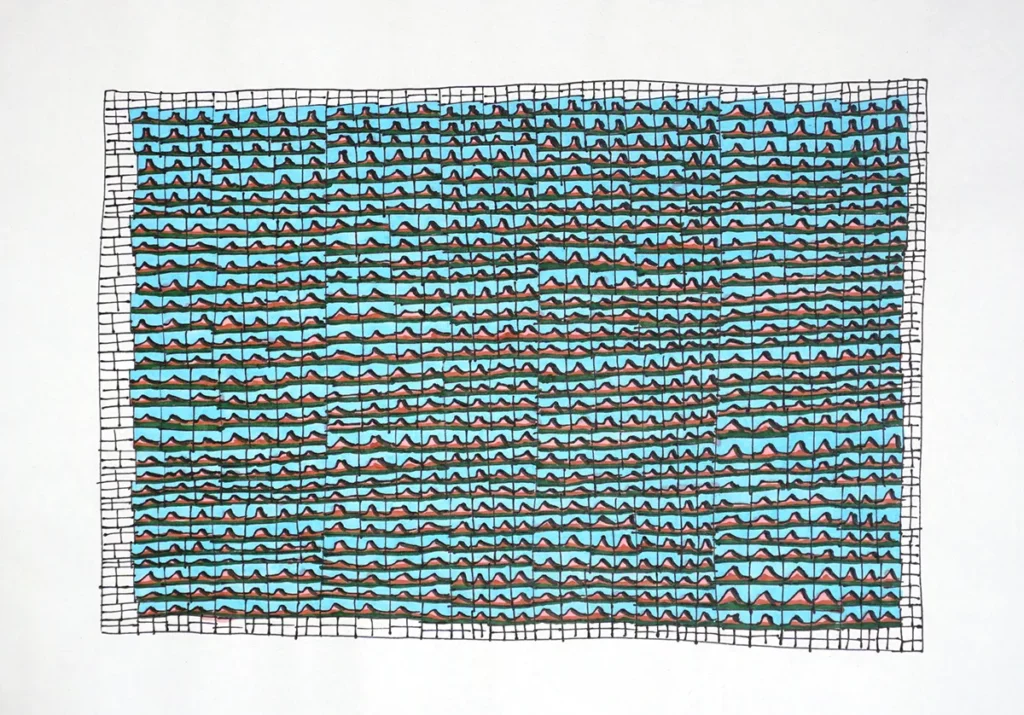
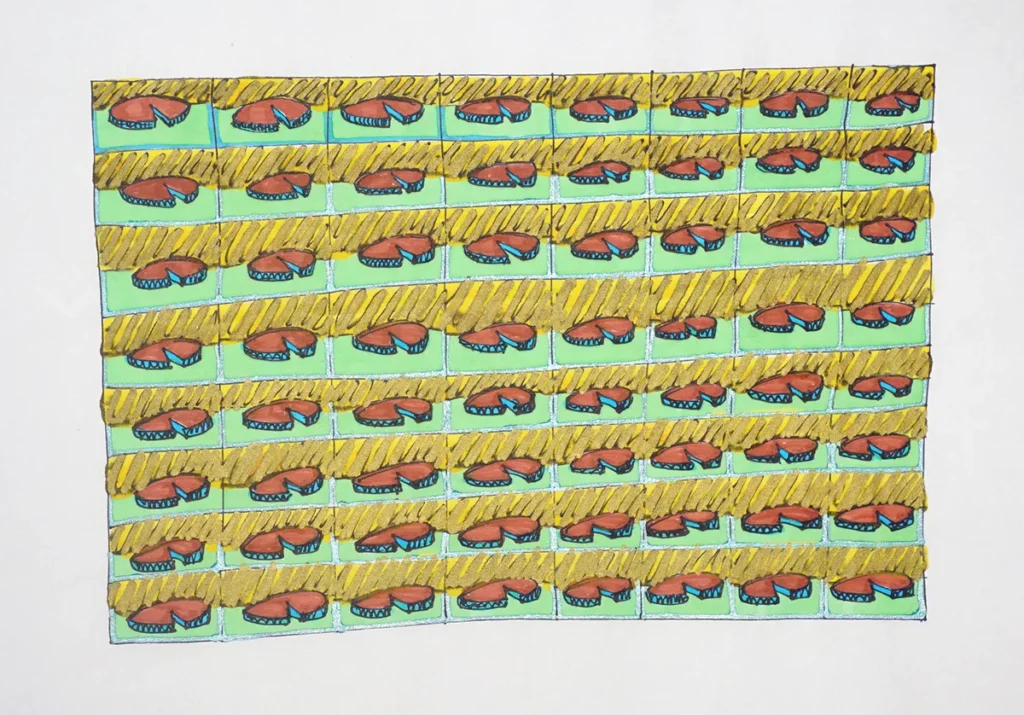
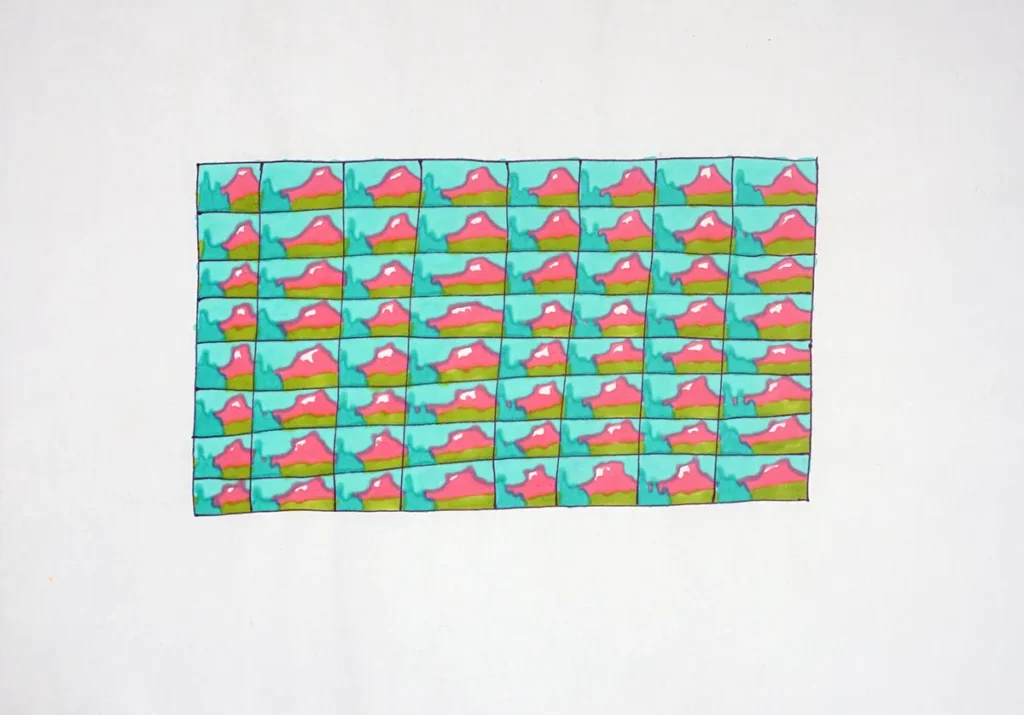
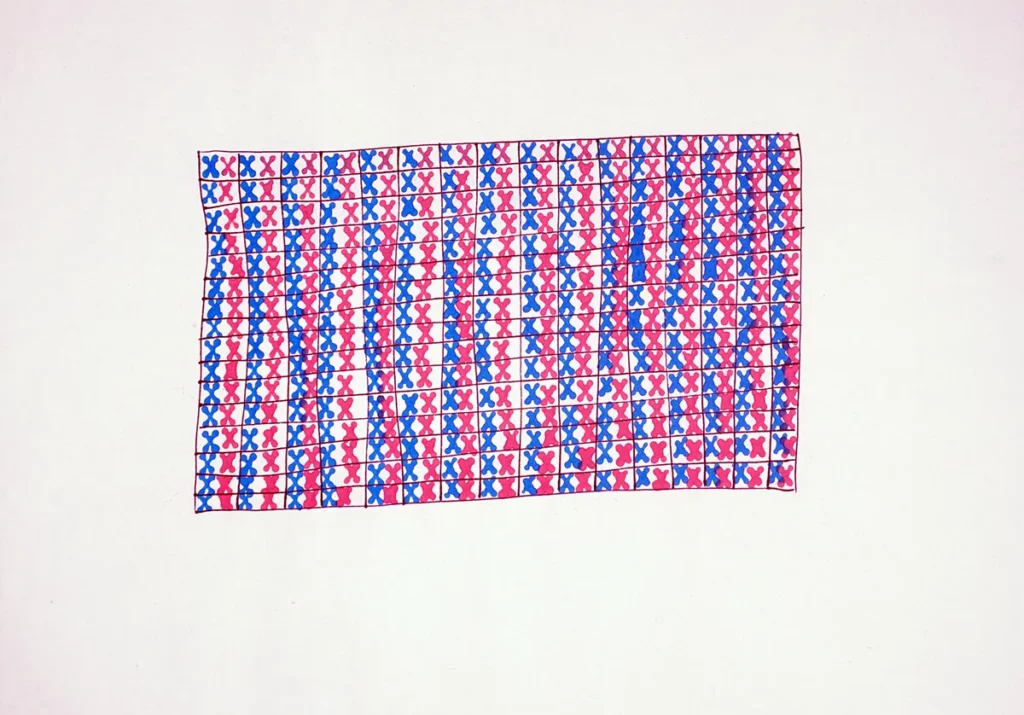
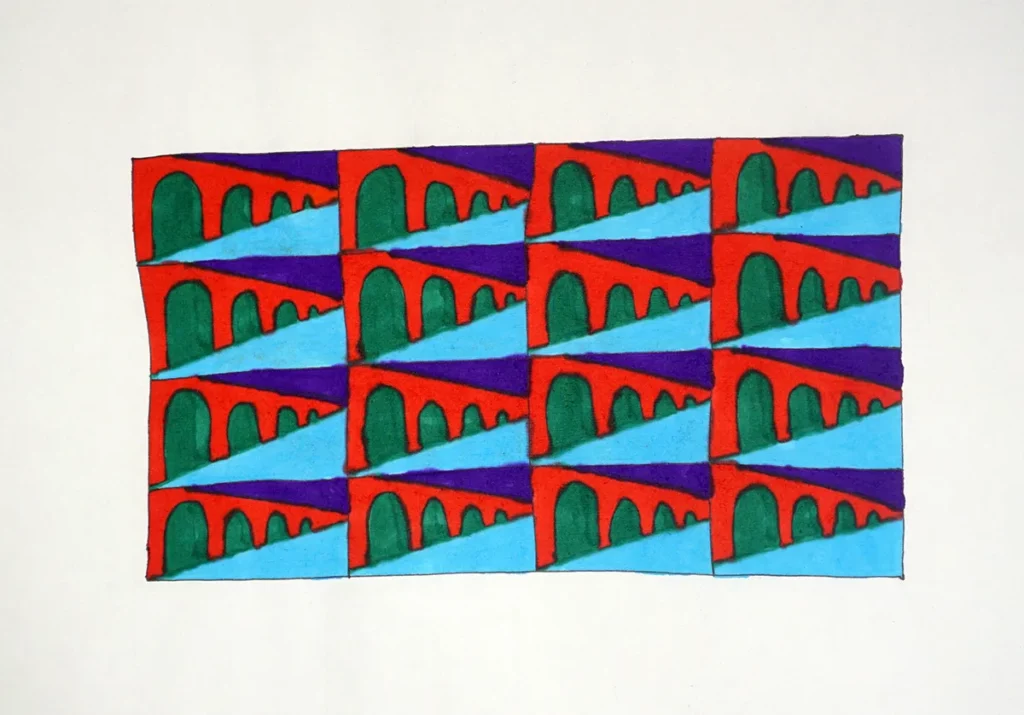
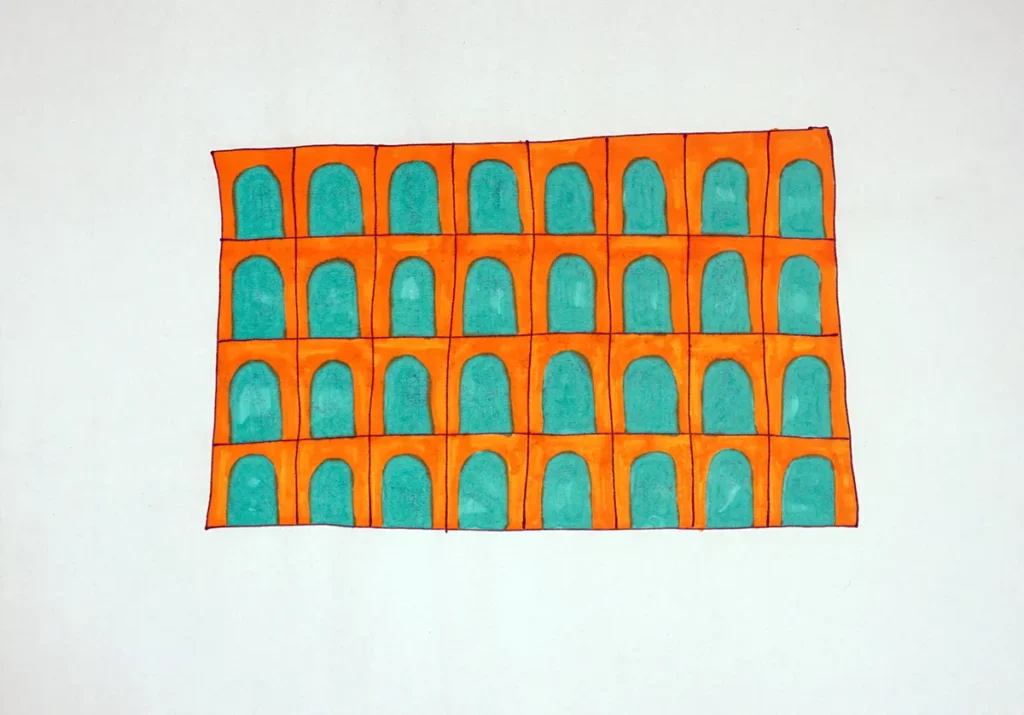
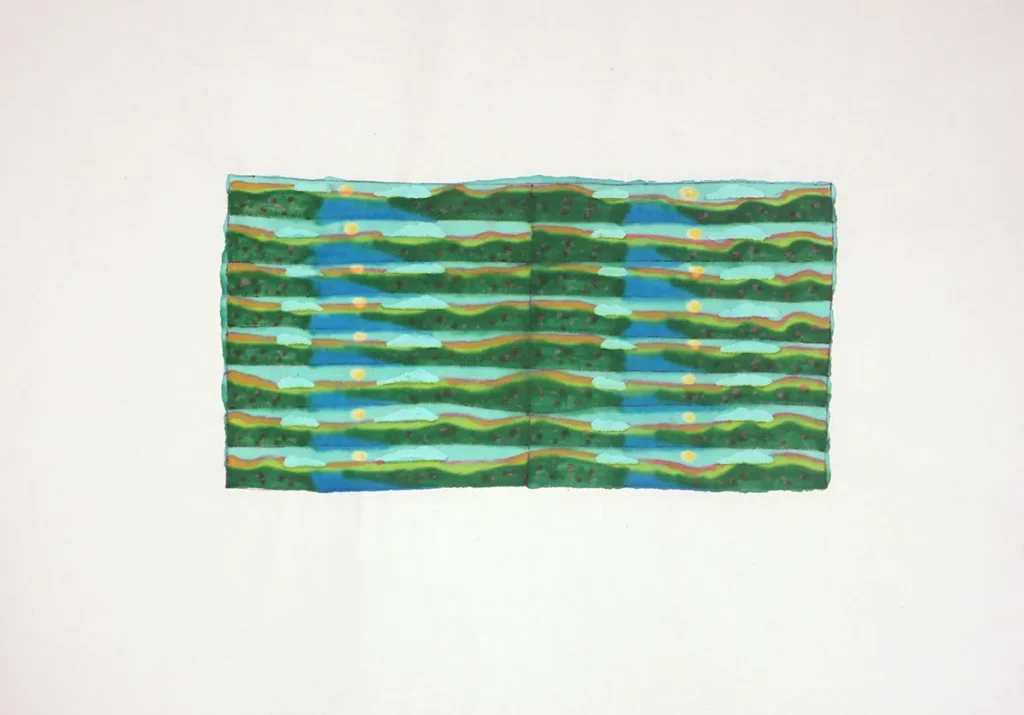
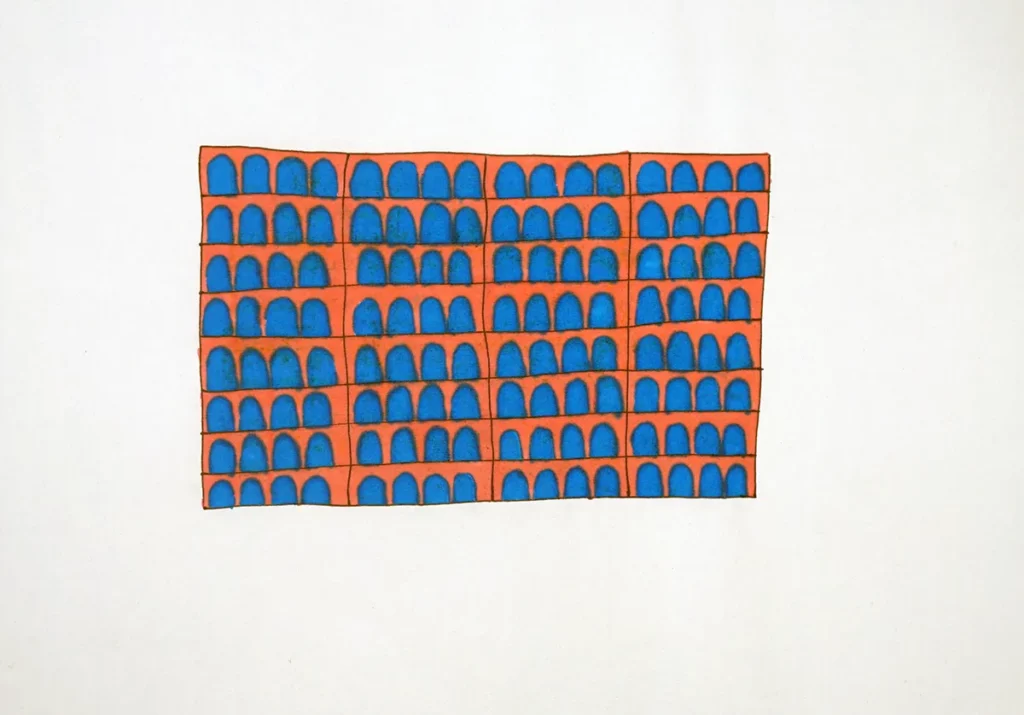
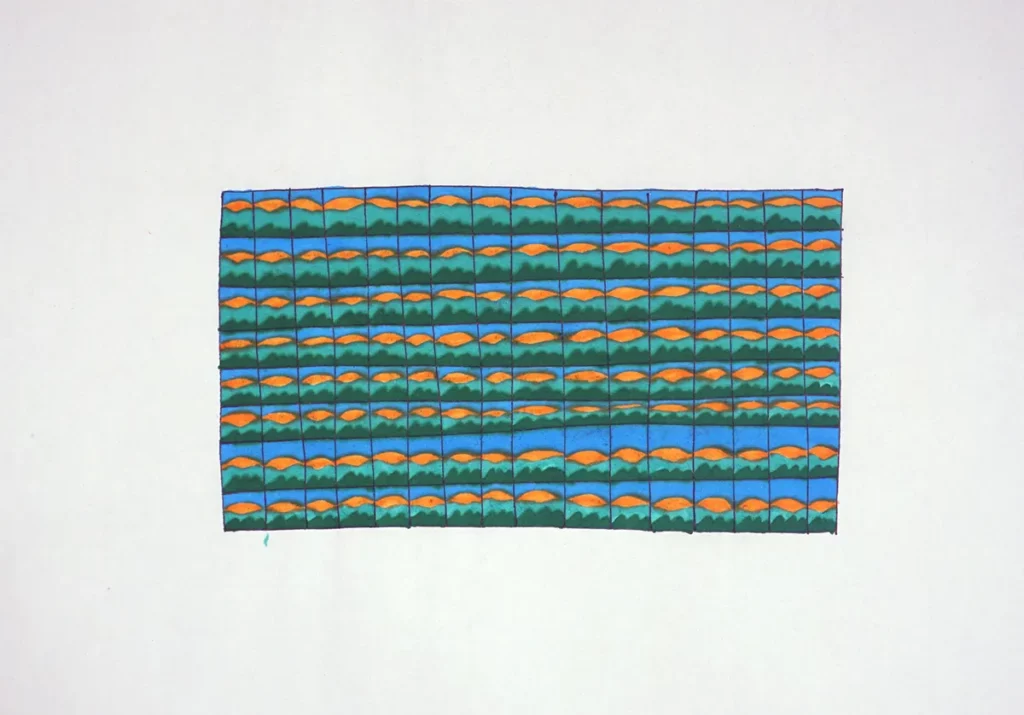
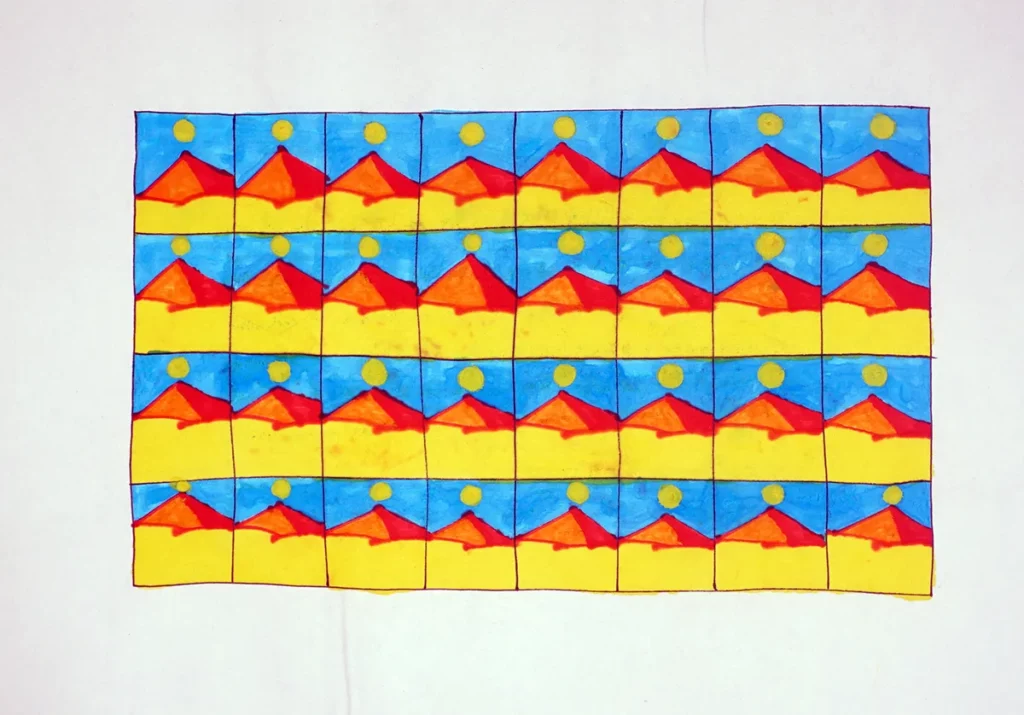
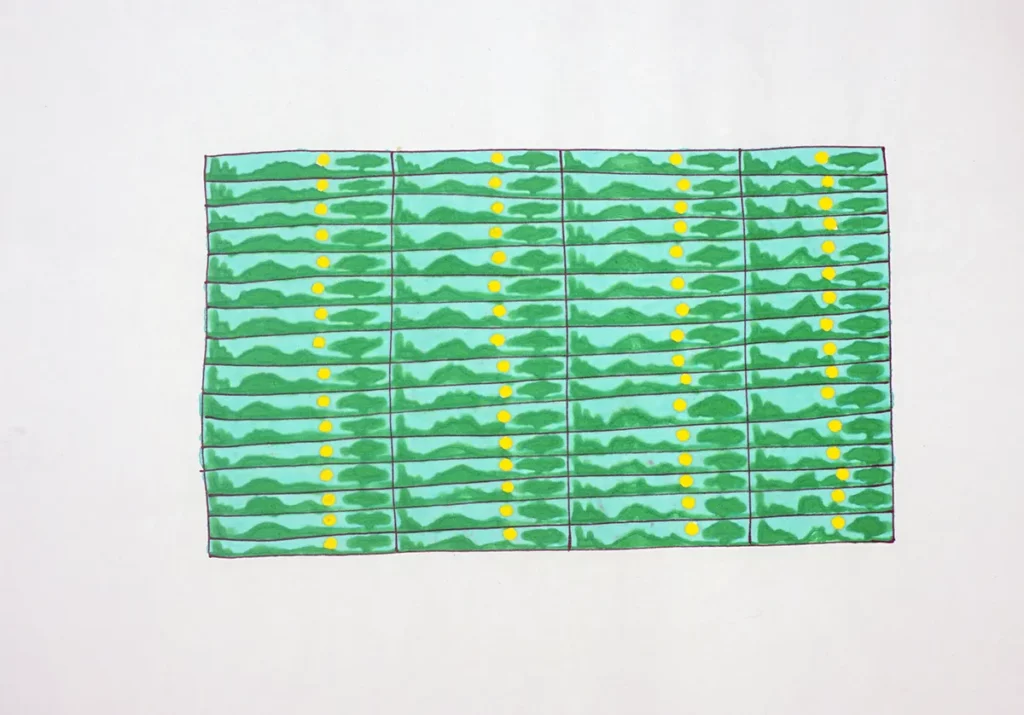
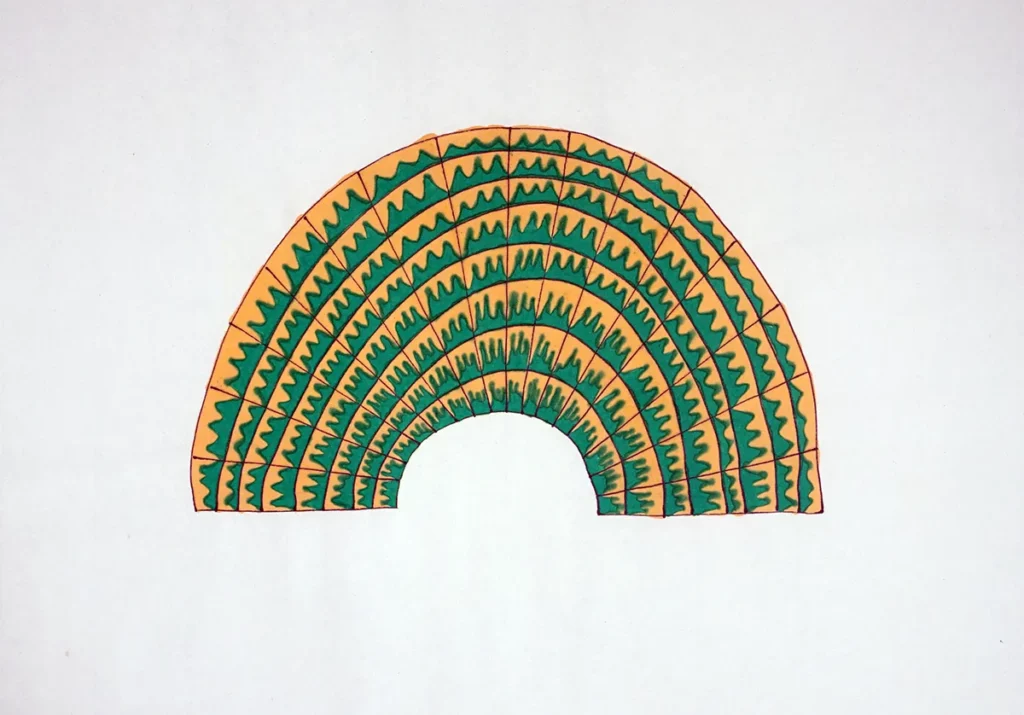
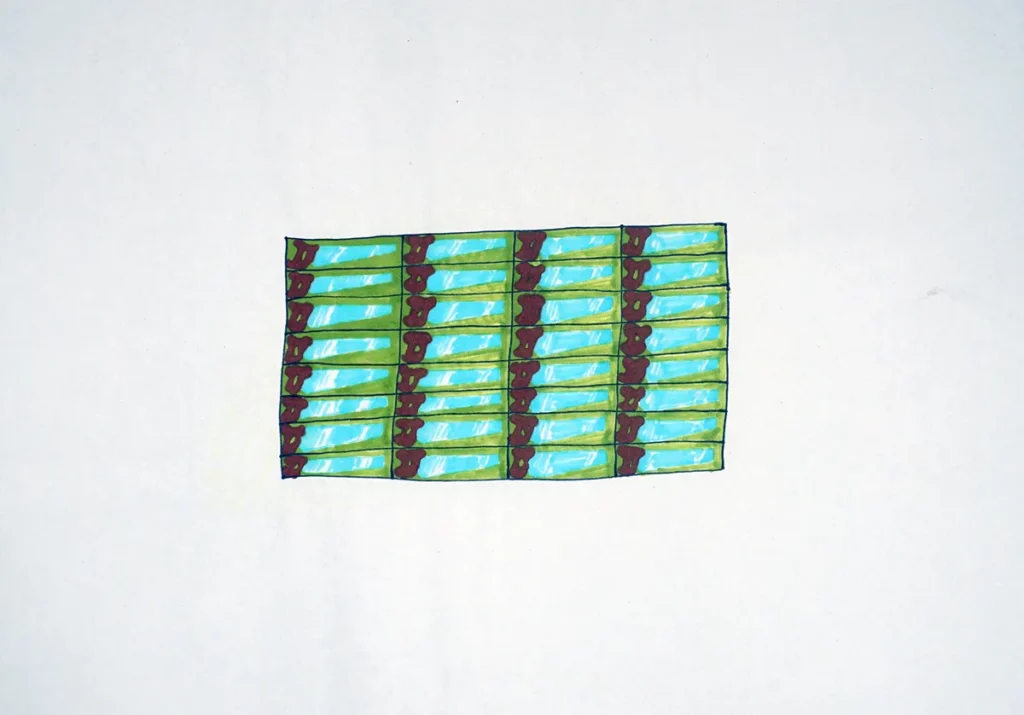
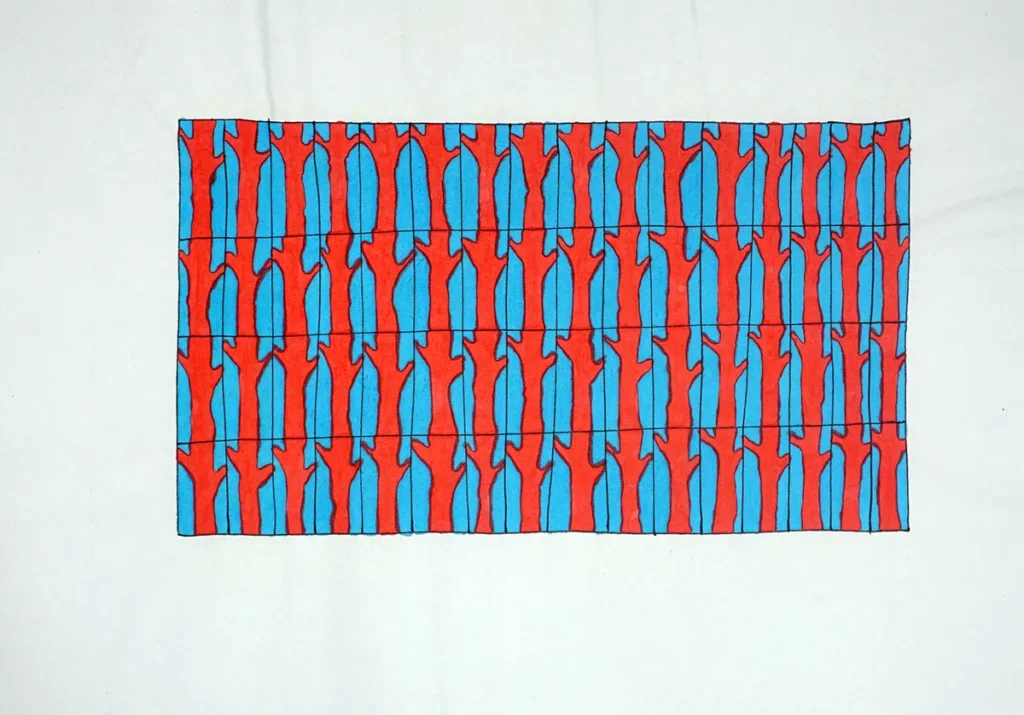
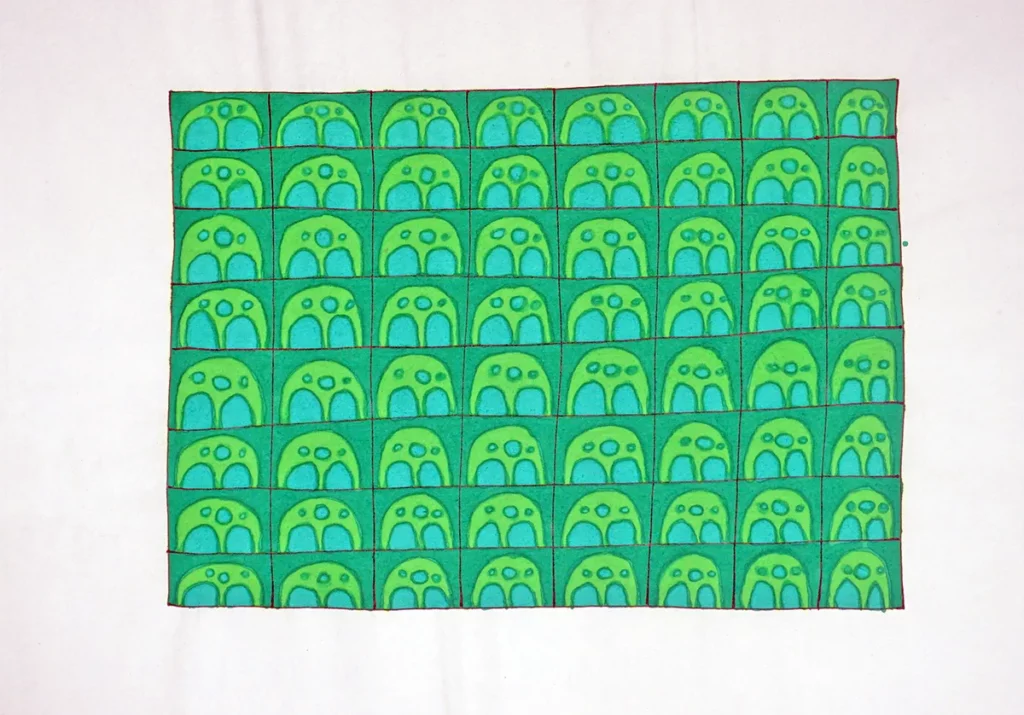
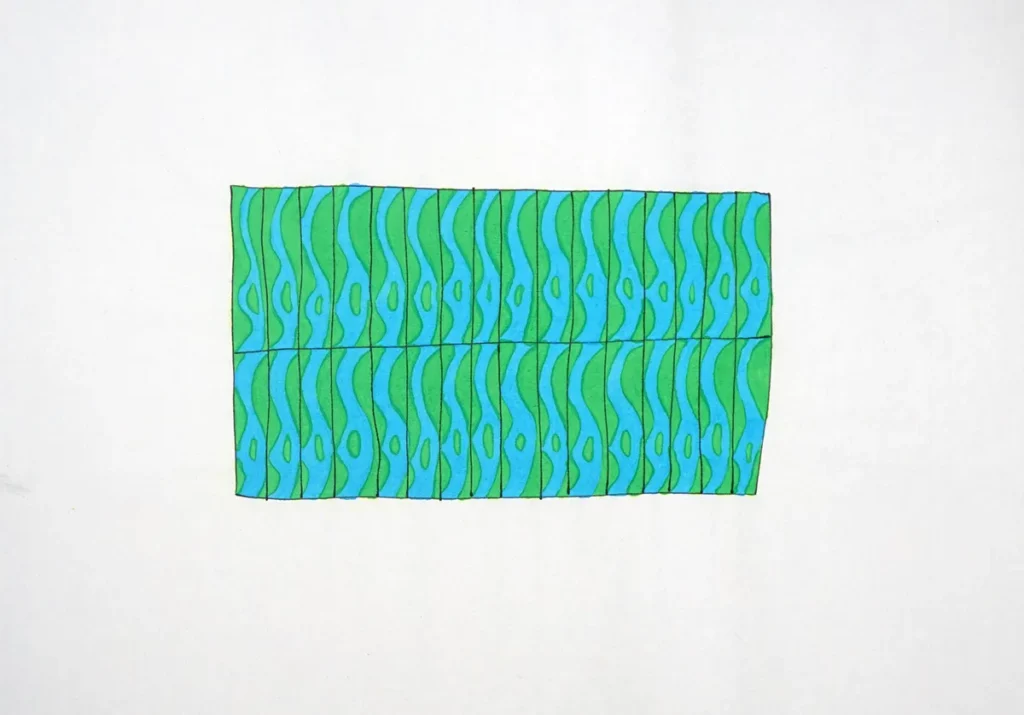
Grilles (x30)
2017
Pencil on paper
32 × 24 cm
12.6 × 9.4 in
Grilles Emojis(x10)
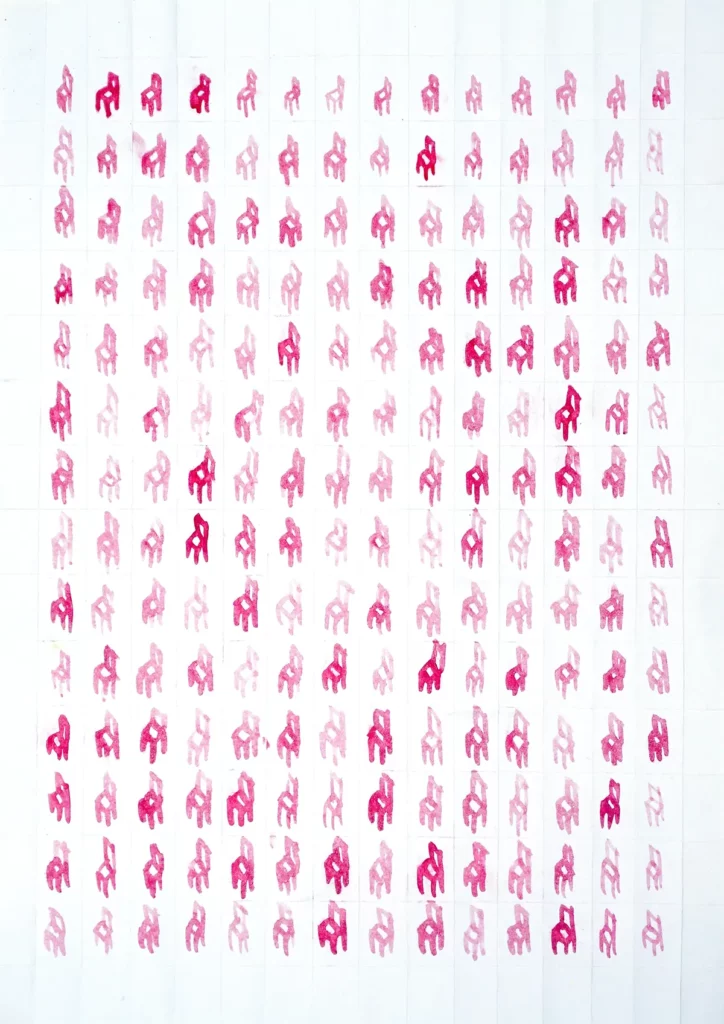
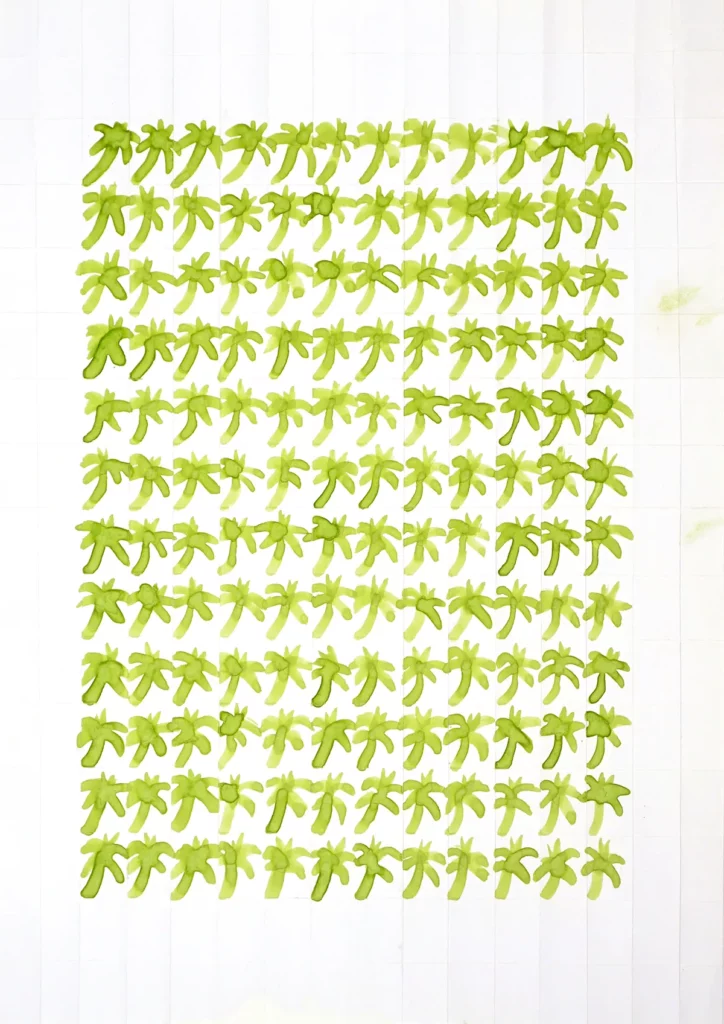
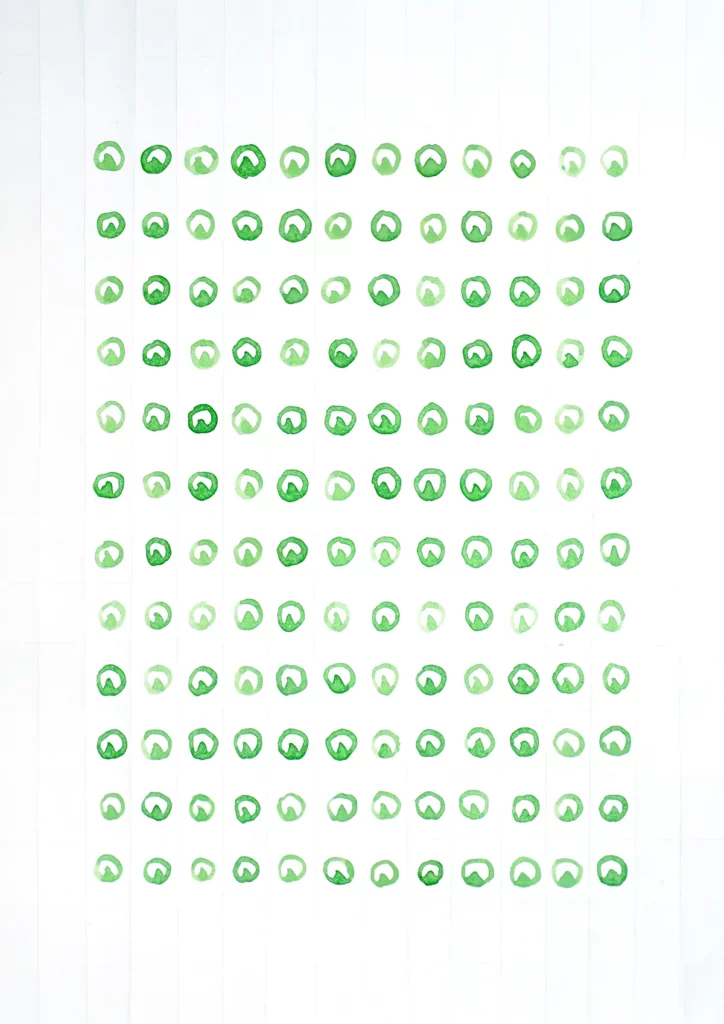
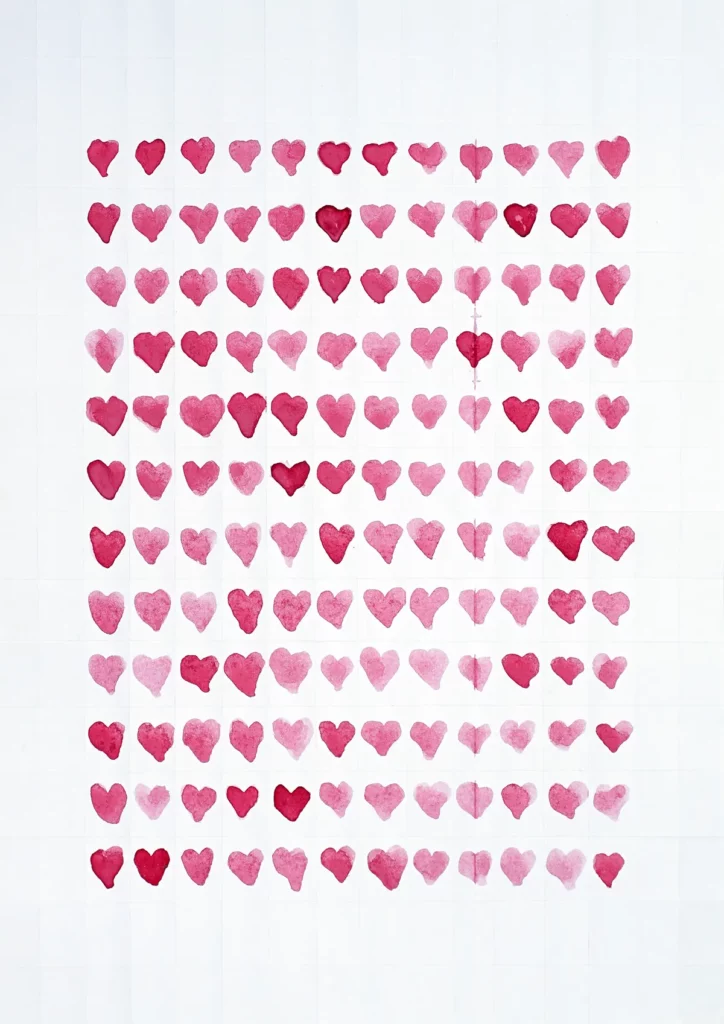
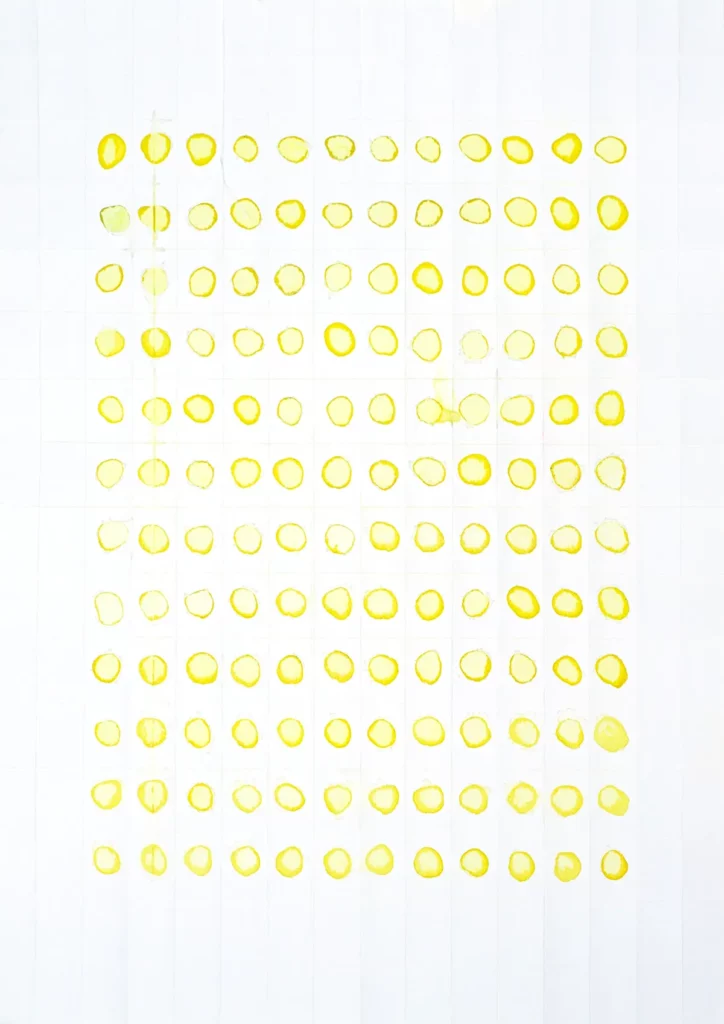
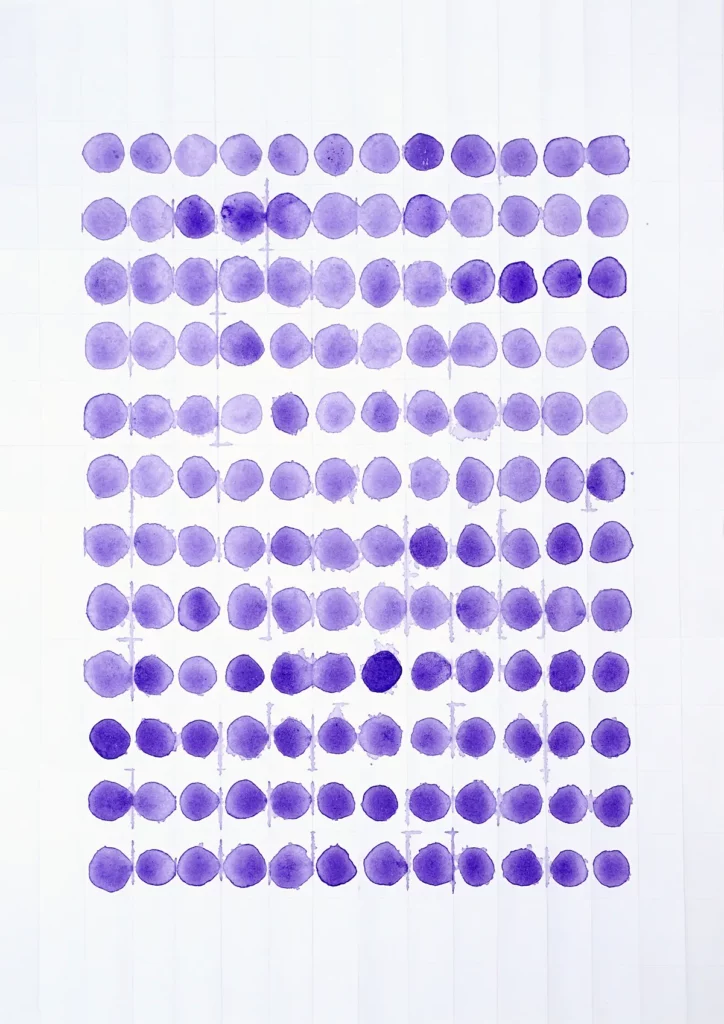
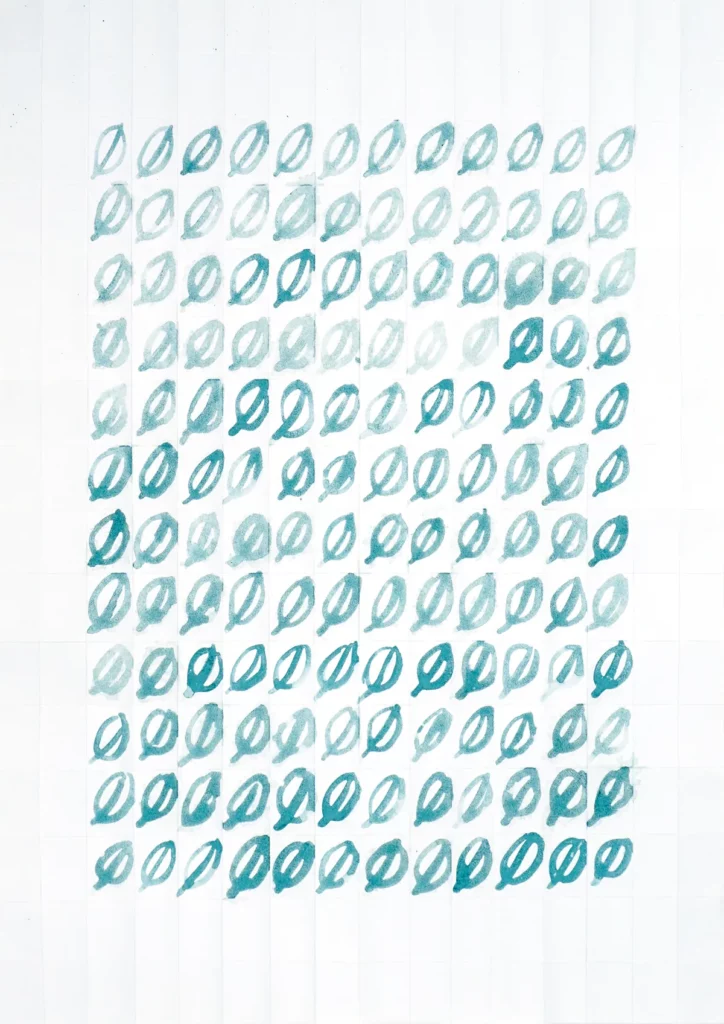
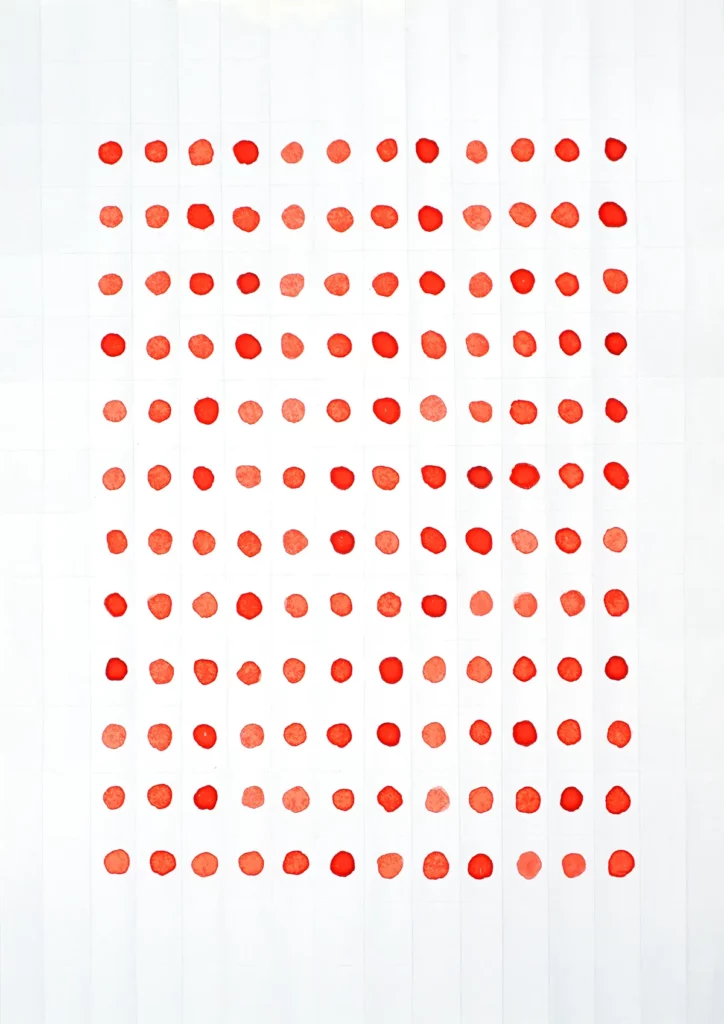
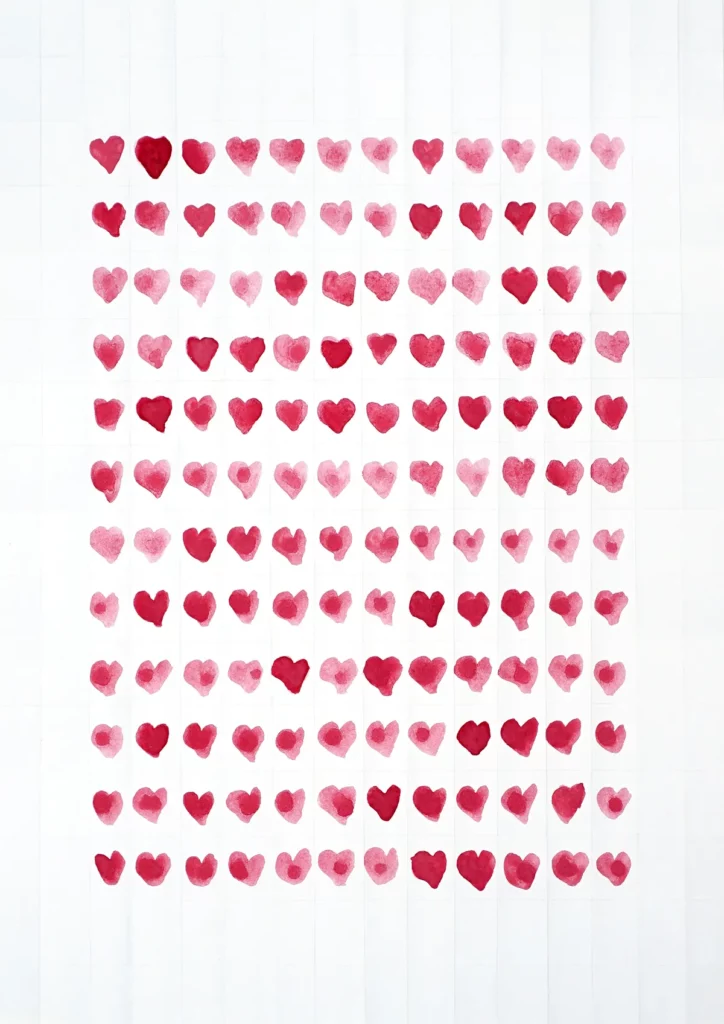
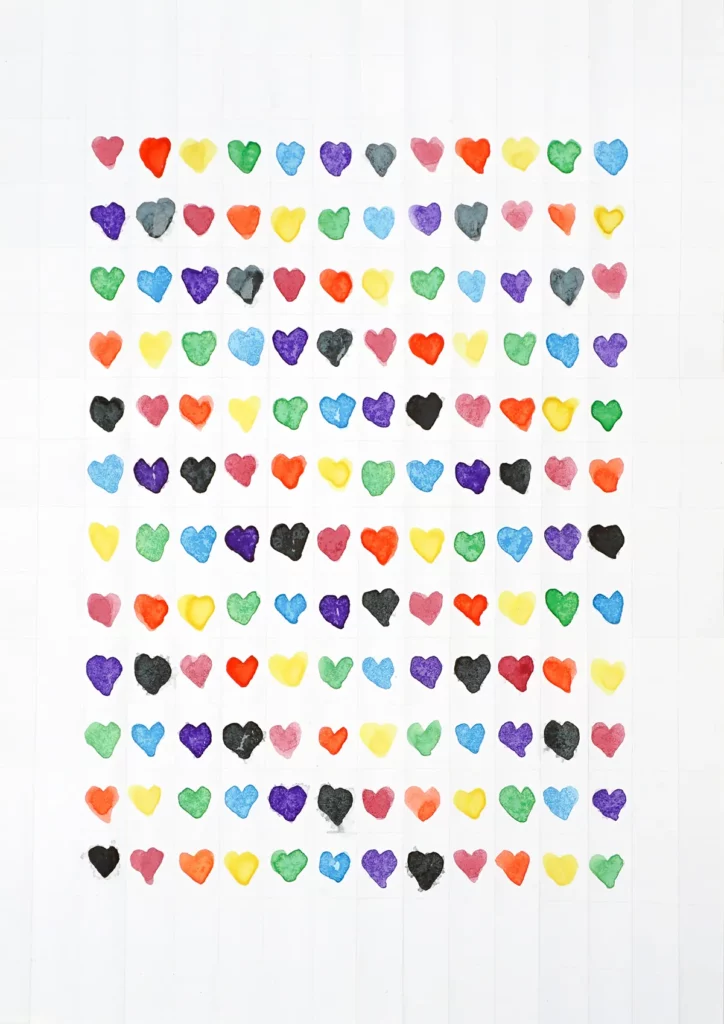
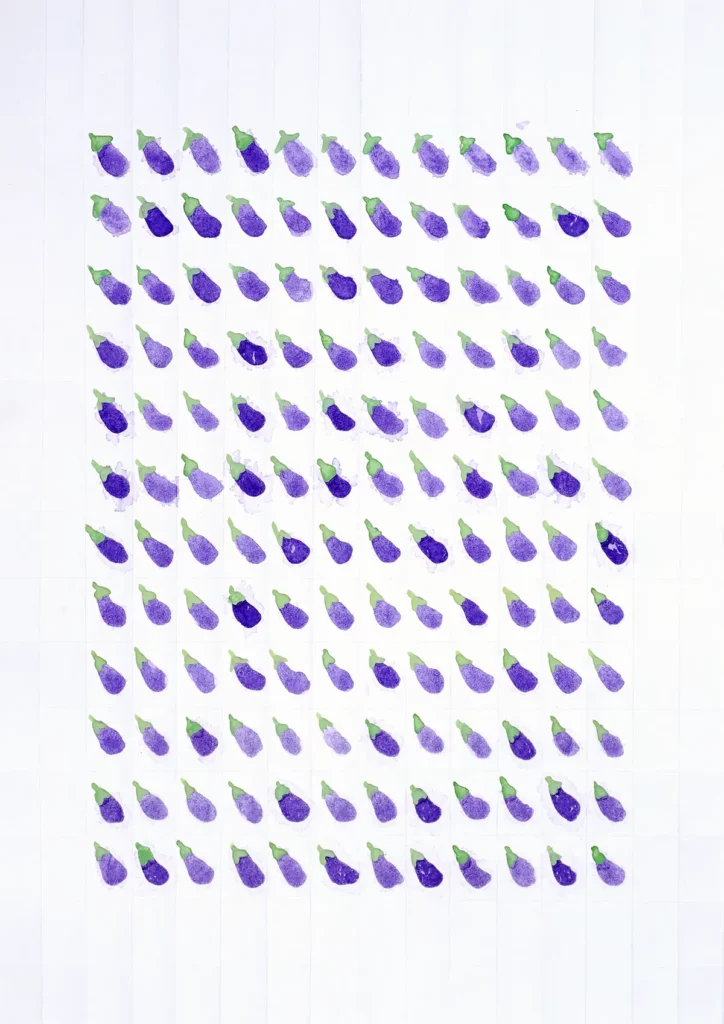
Grilles Emojis (x10)
2017
Watercolor on folded paper
21 x 29,7 Cm
8.3 x 11.7 in
Grilles pliées (x44)
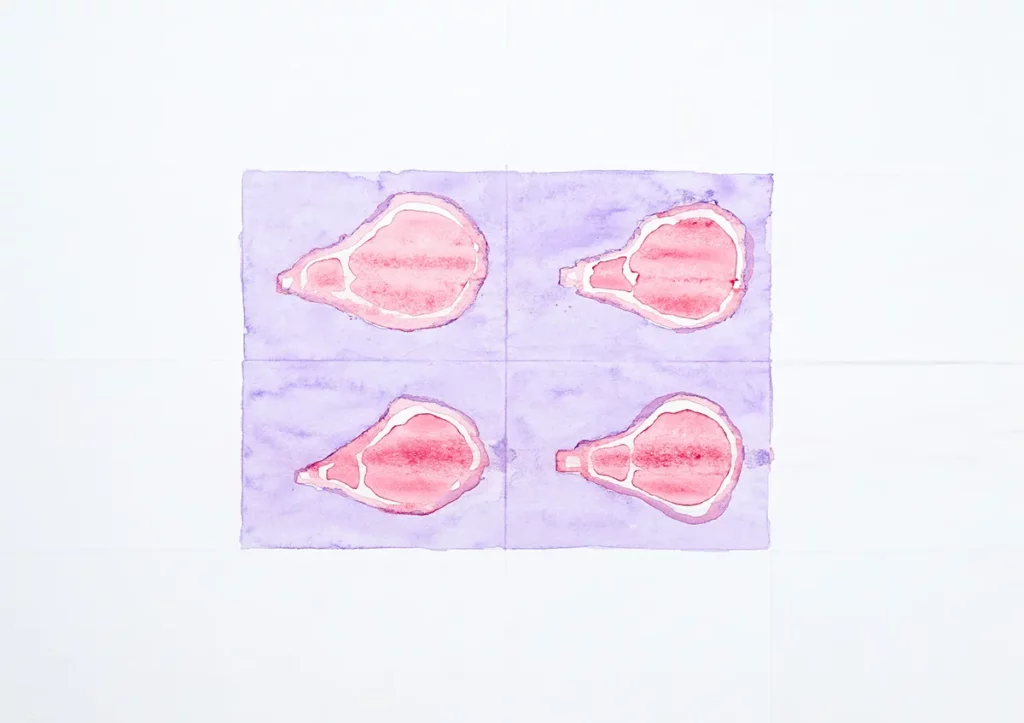
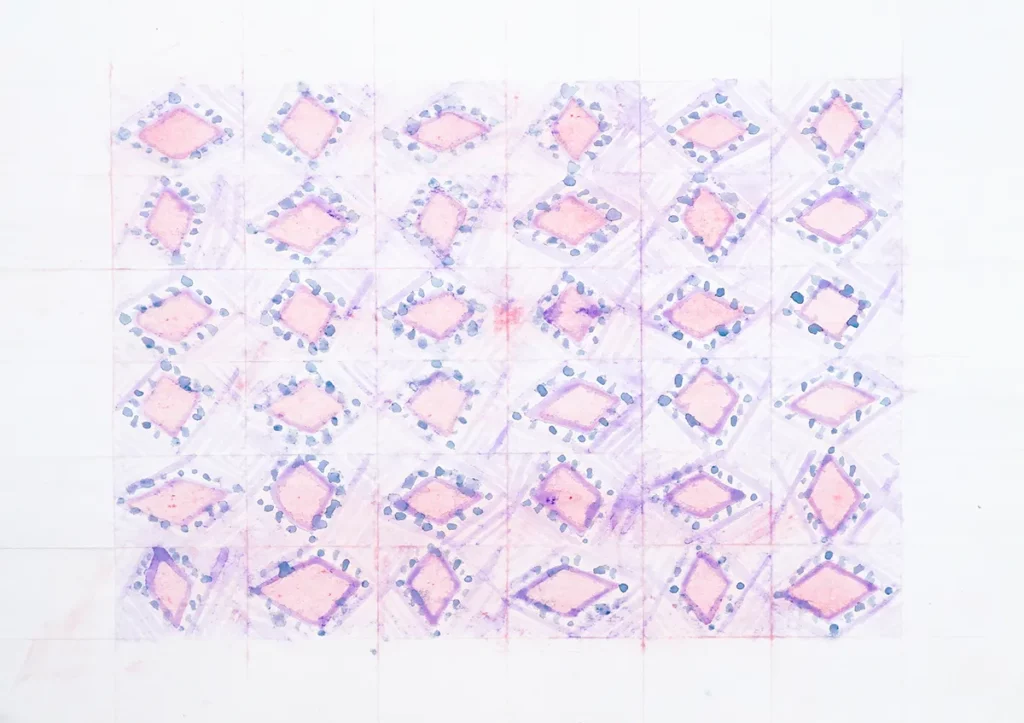
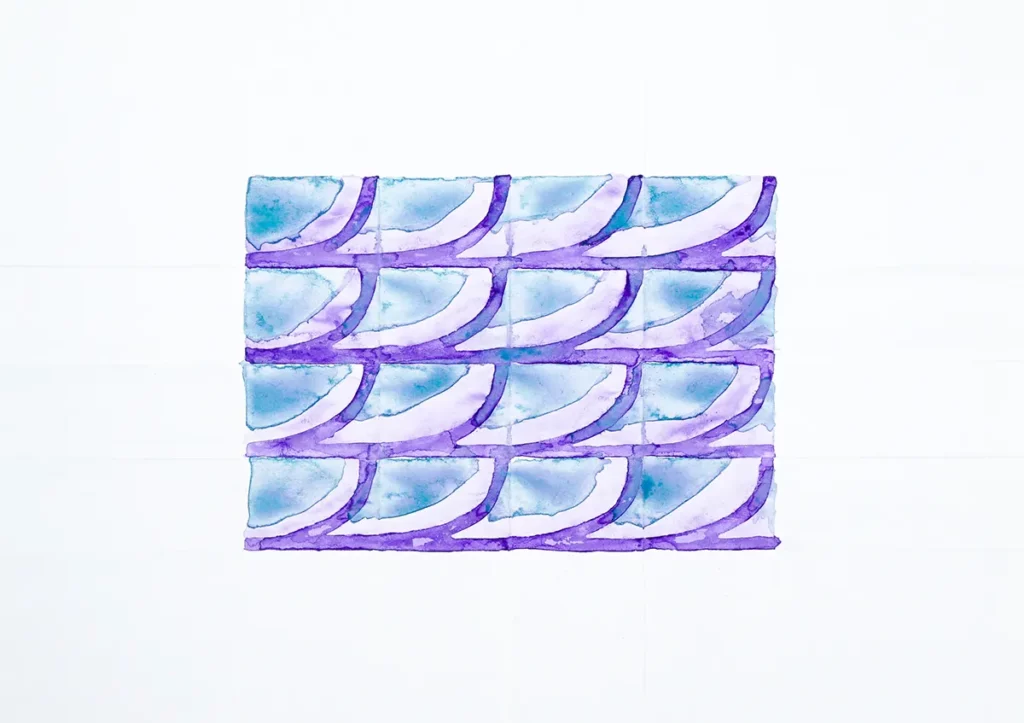
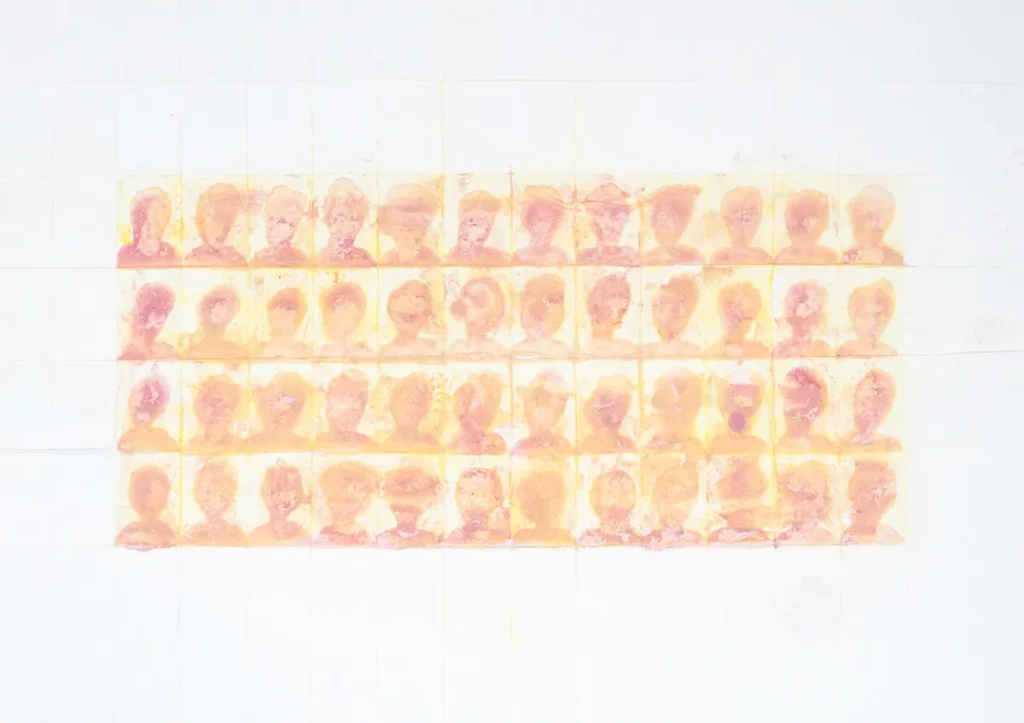
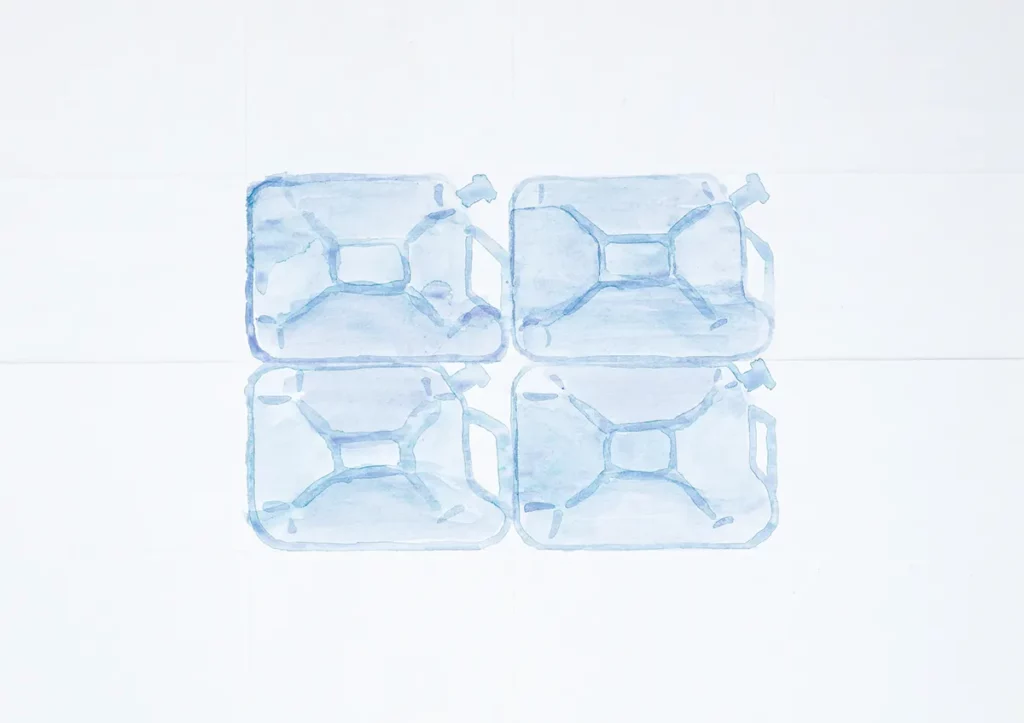
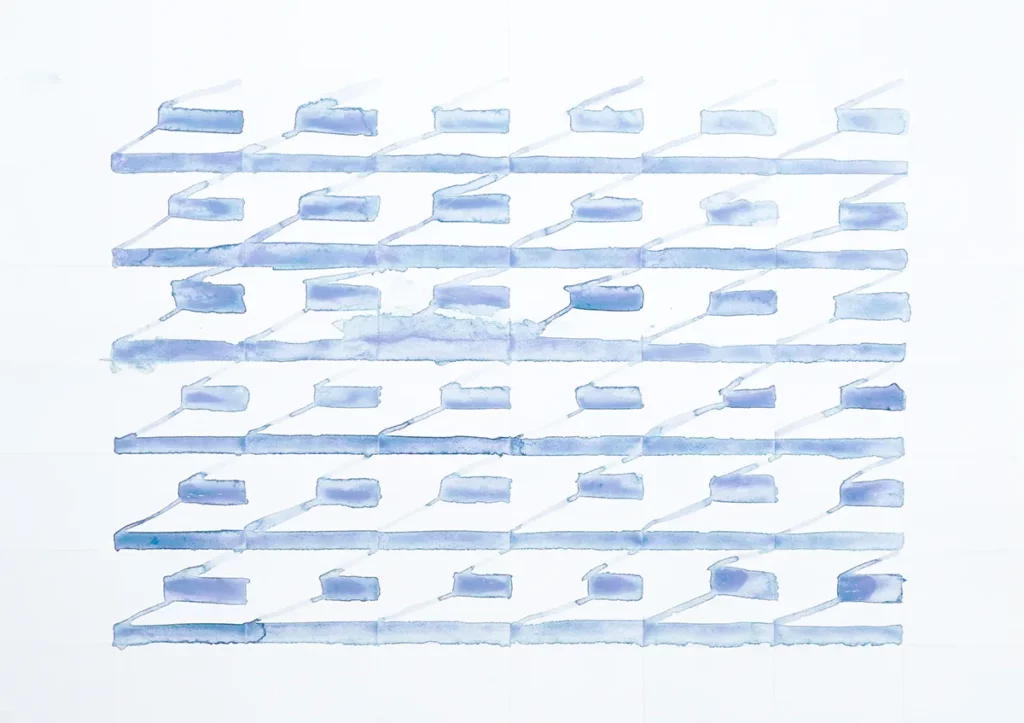
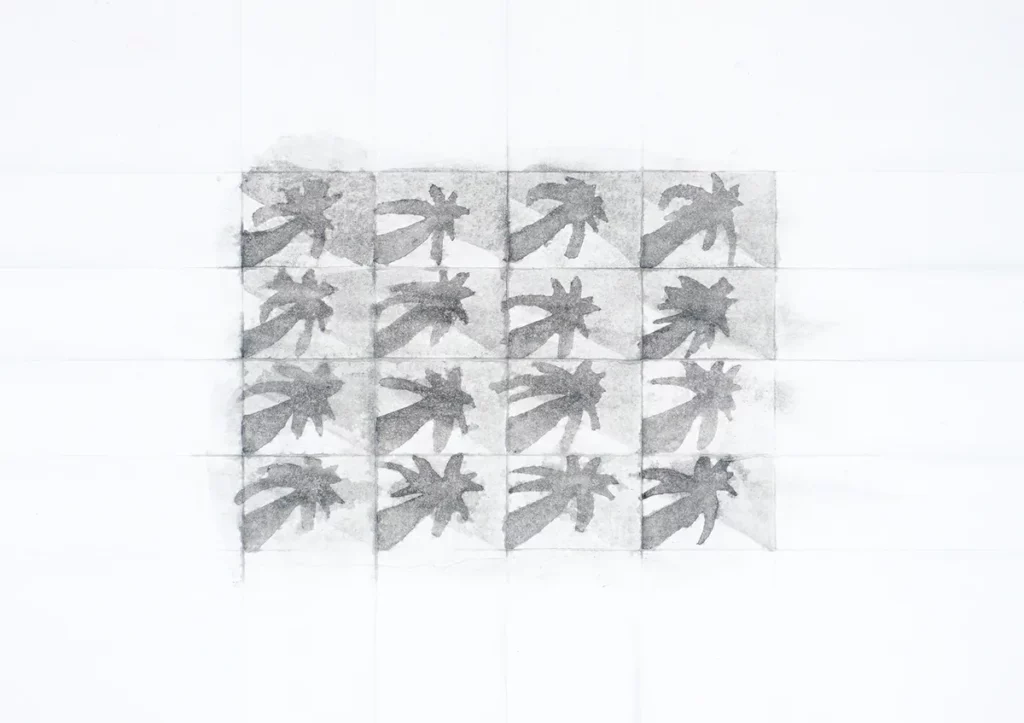
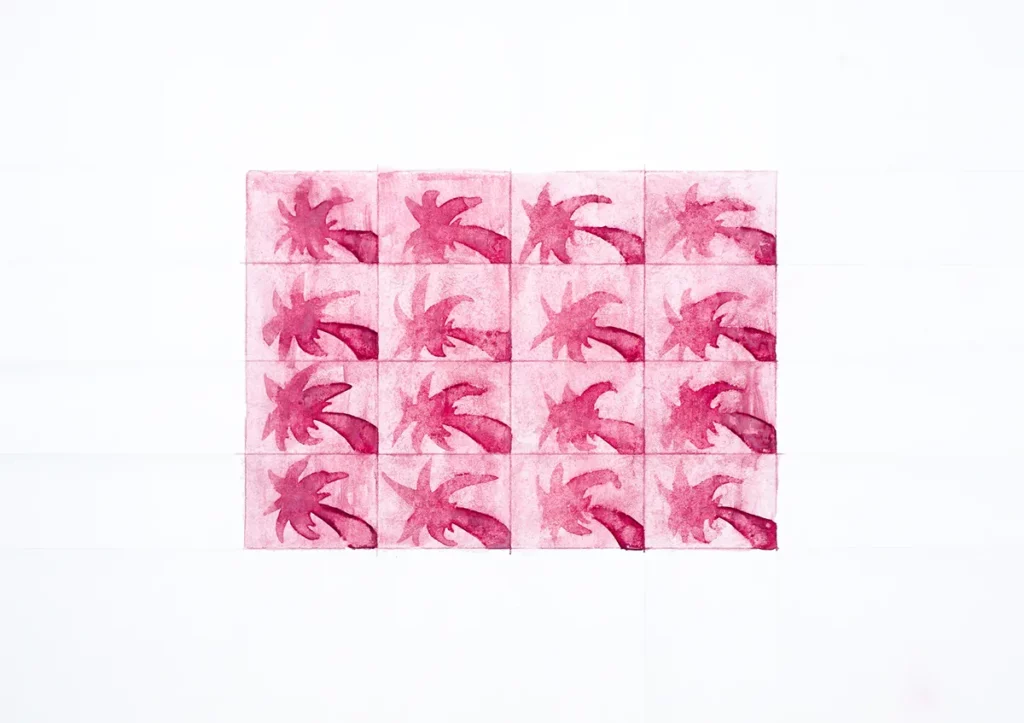
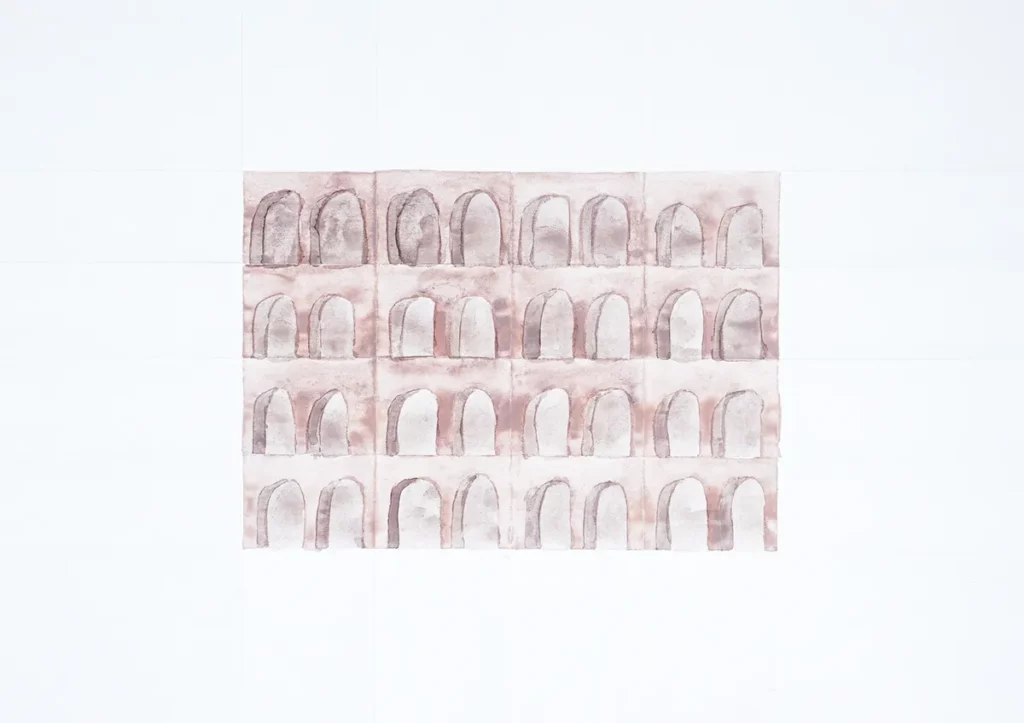
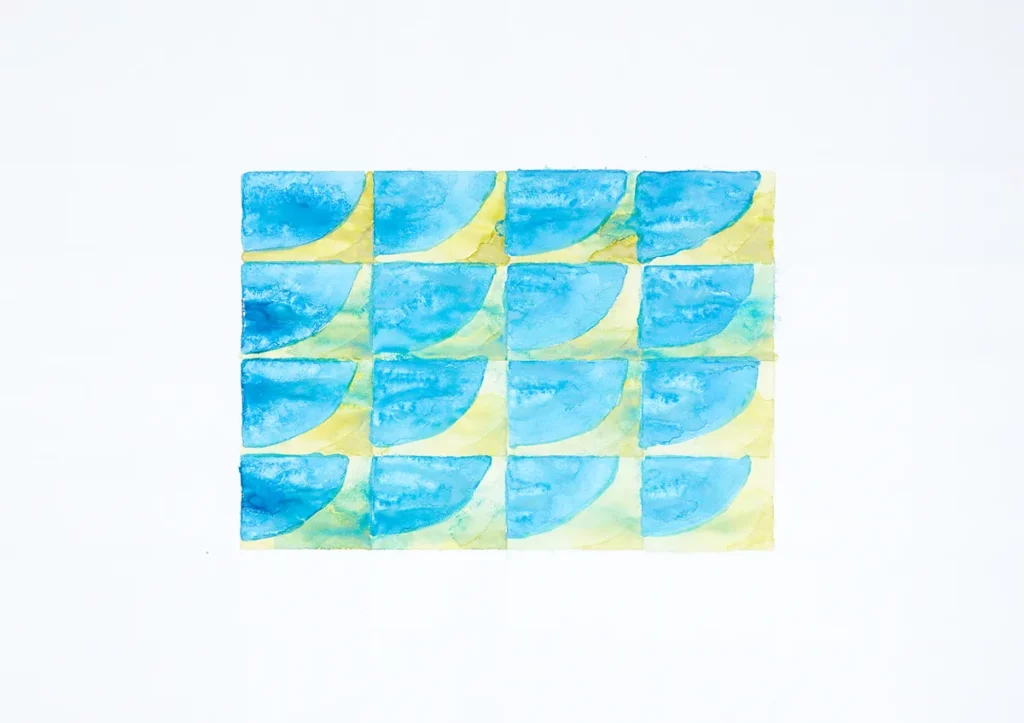
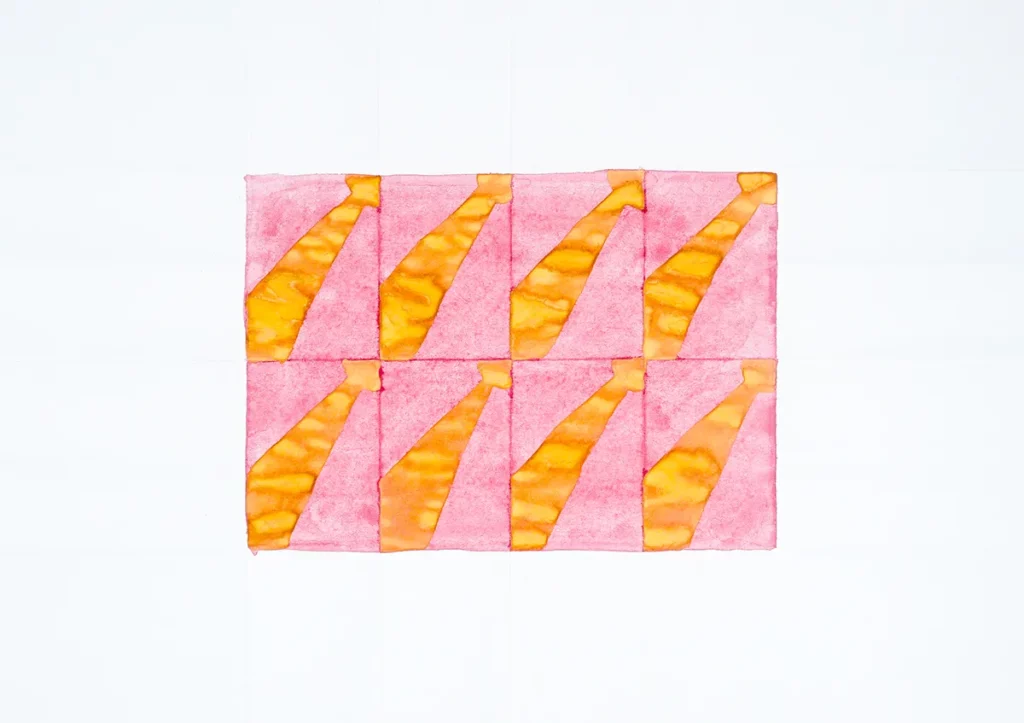
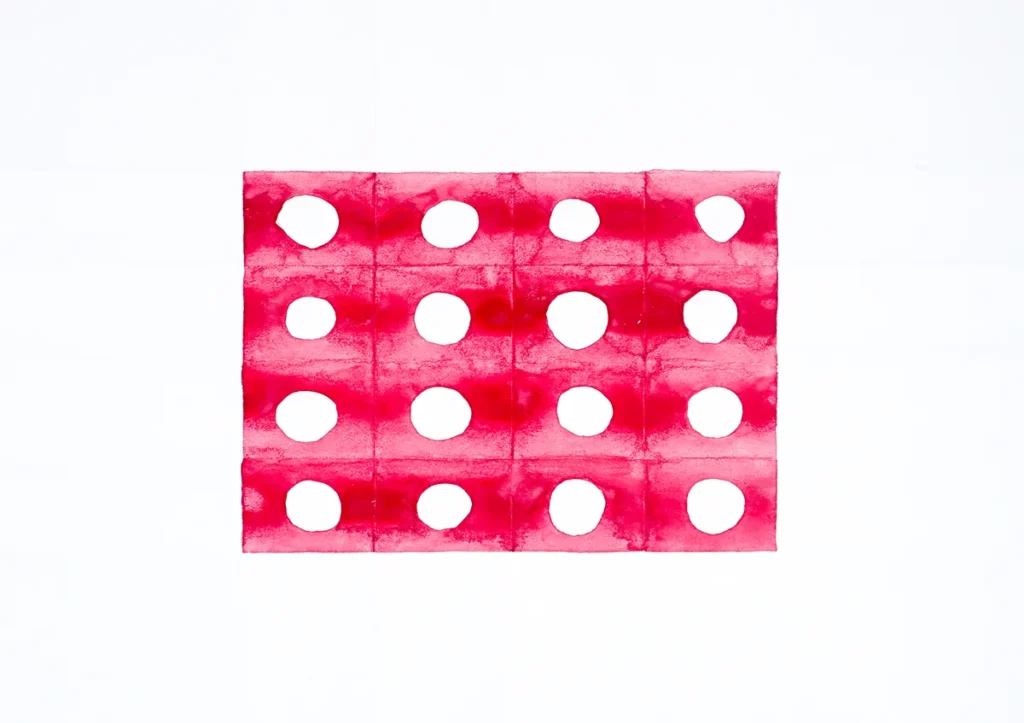
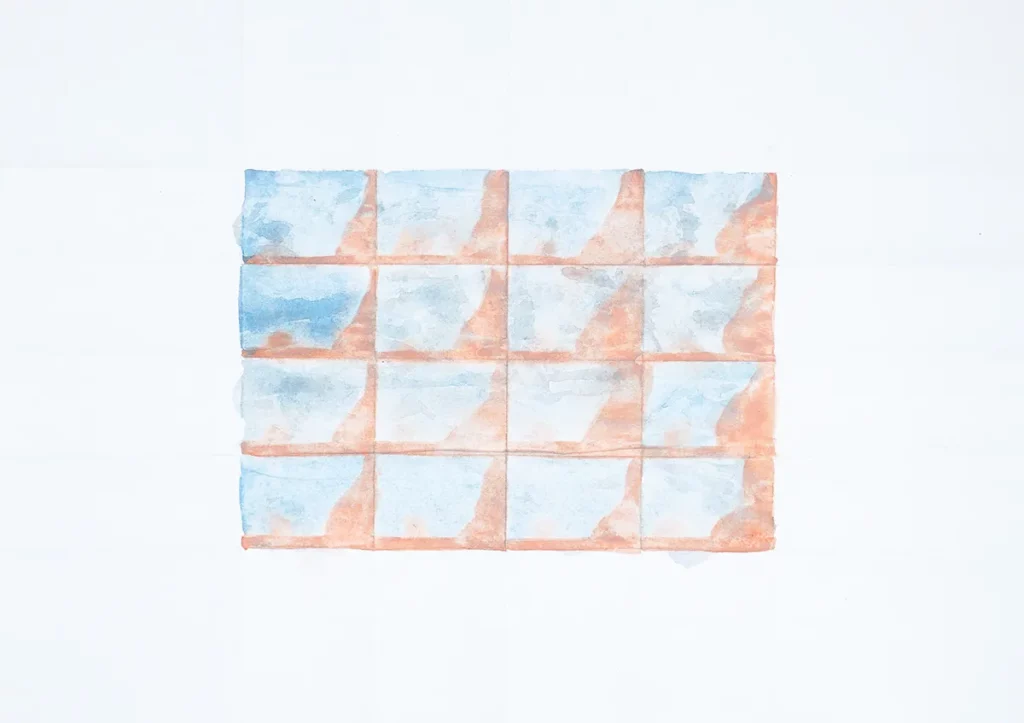
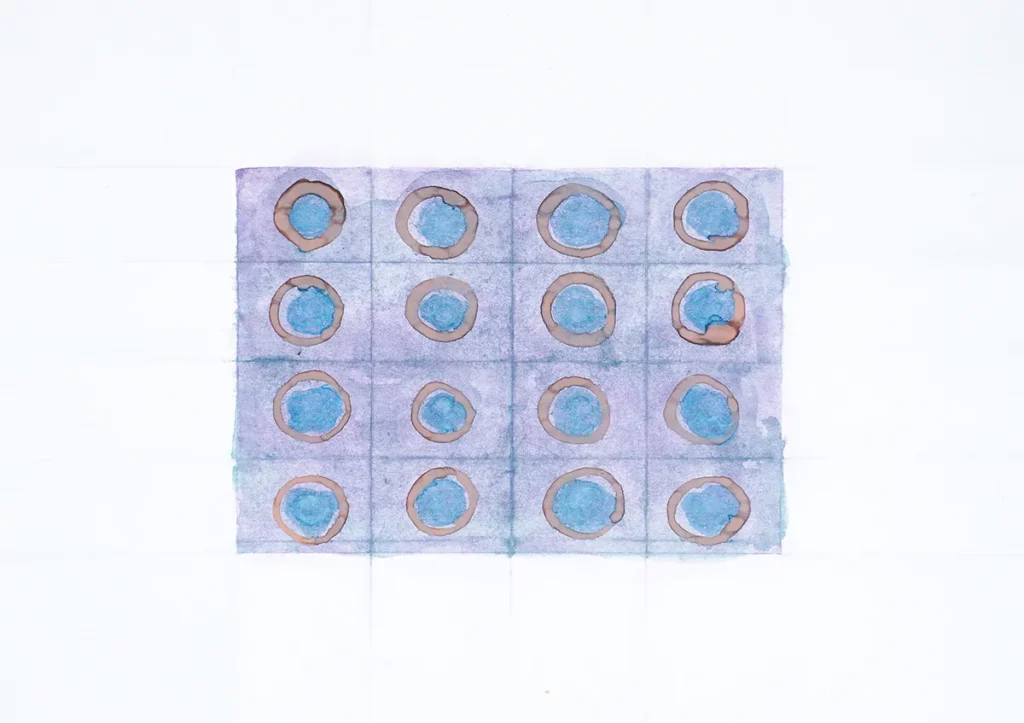
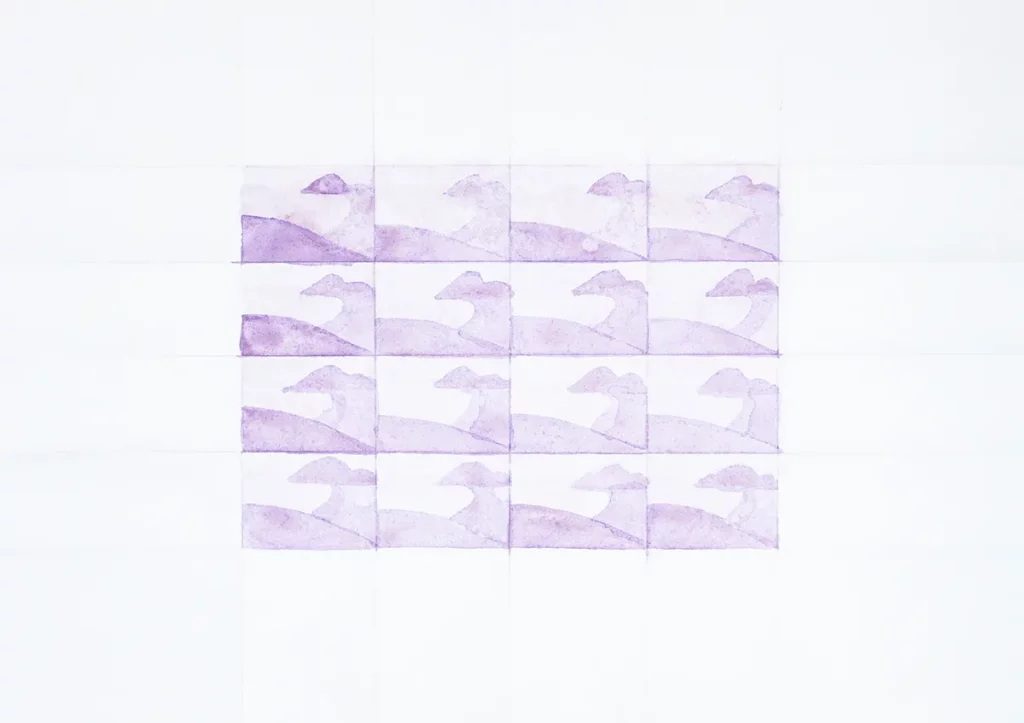
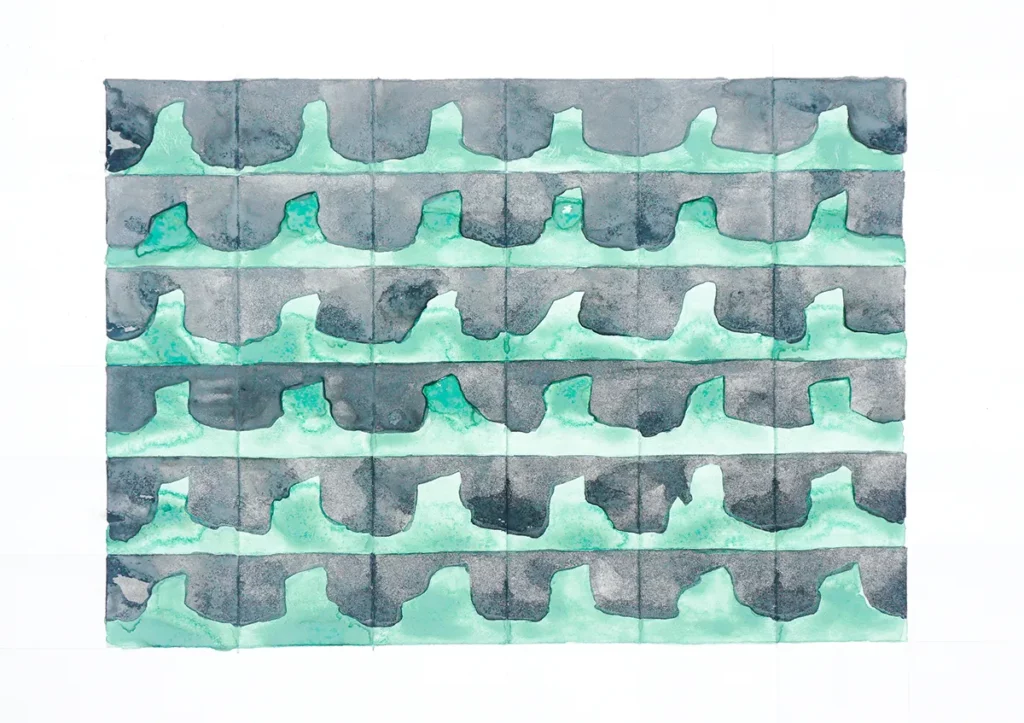
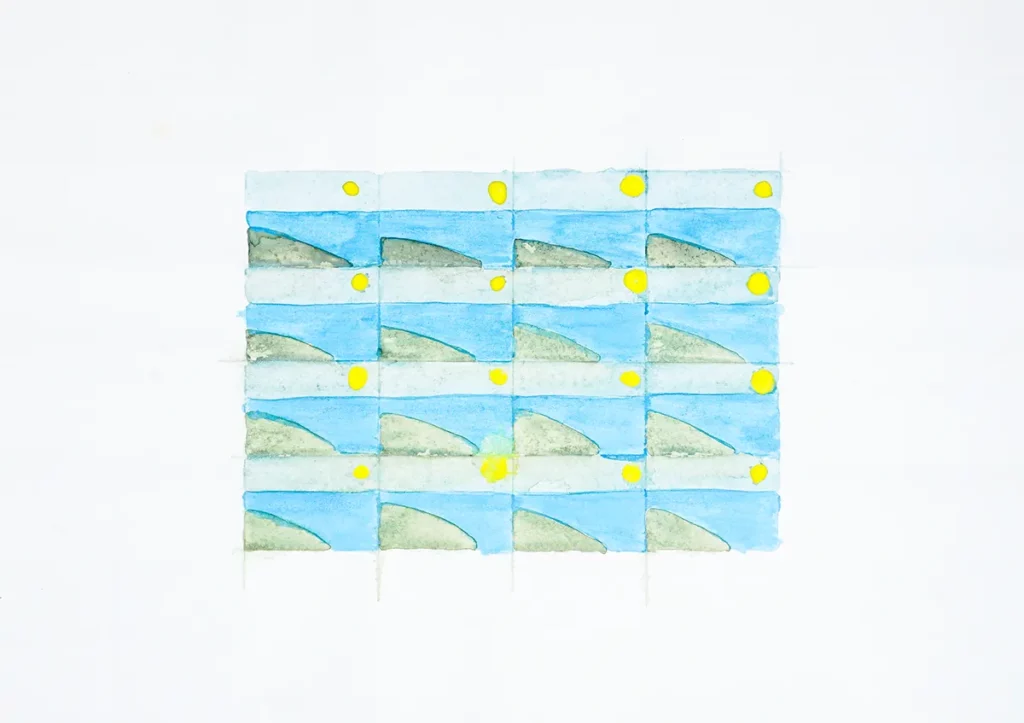
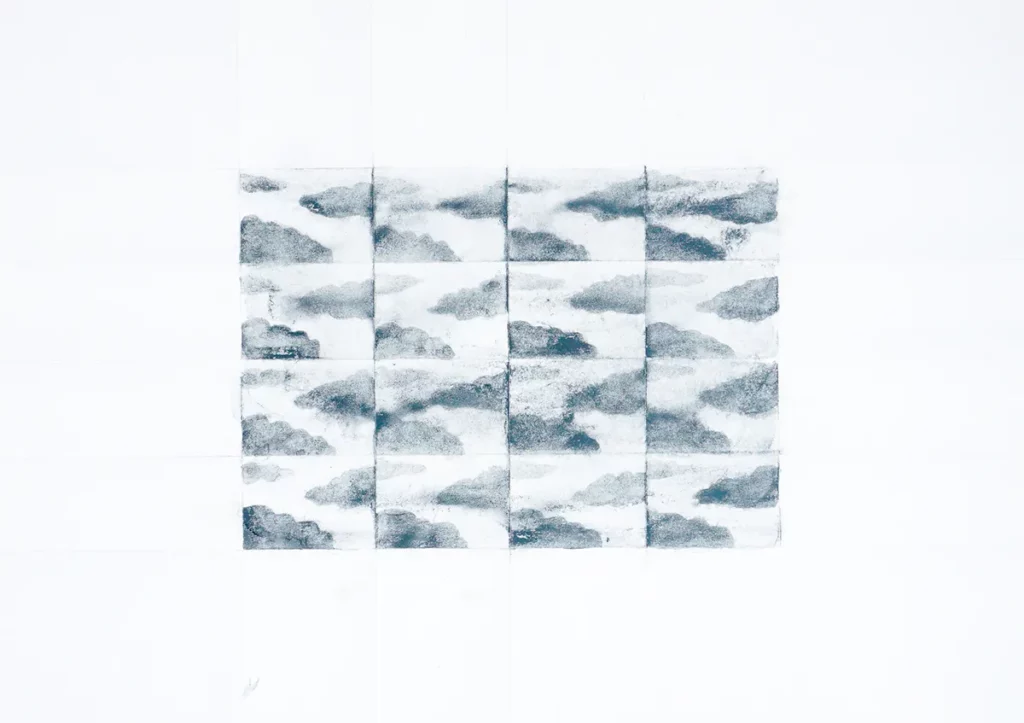
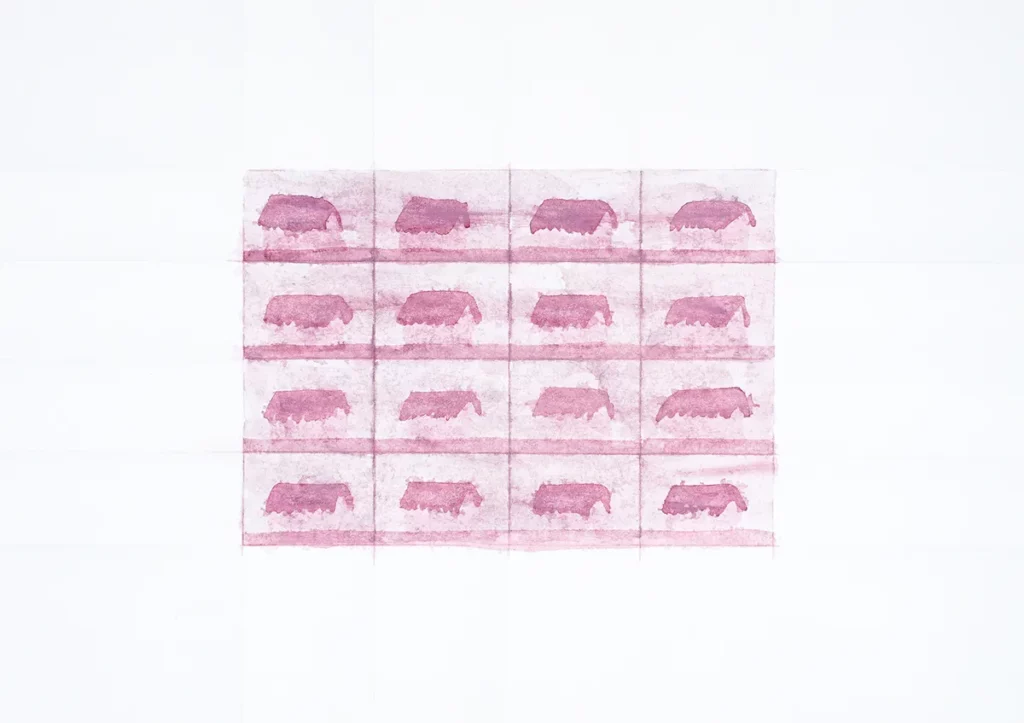
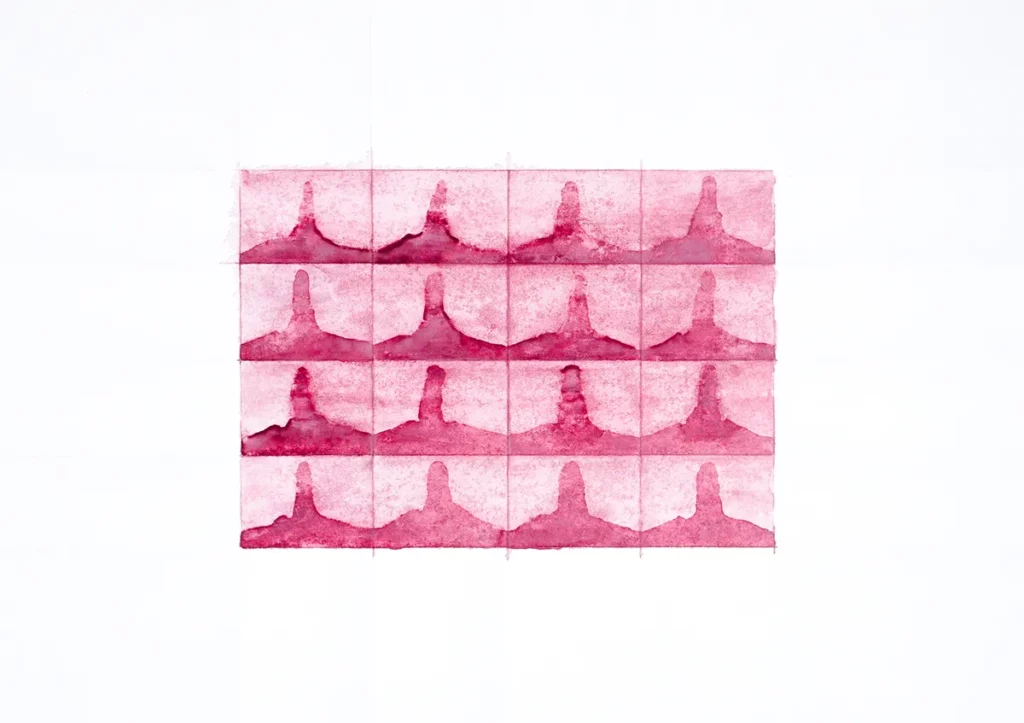
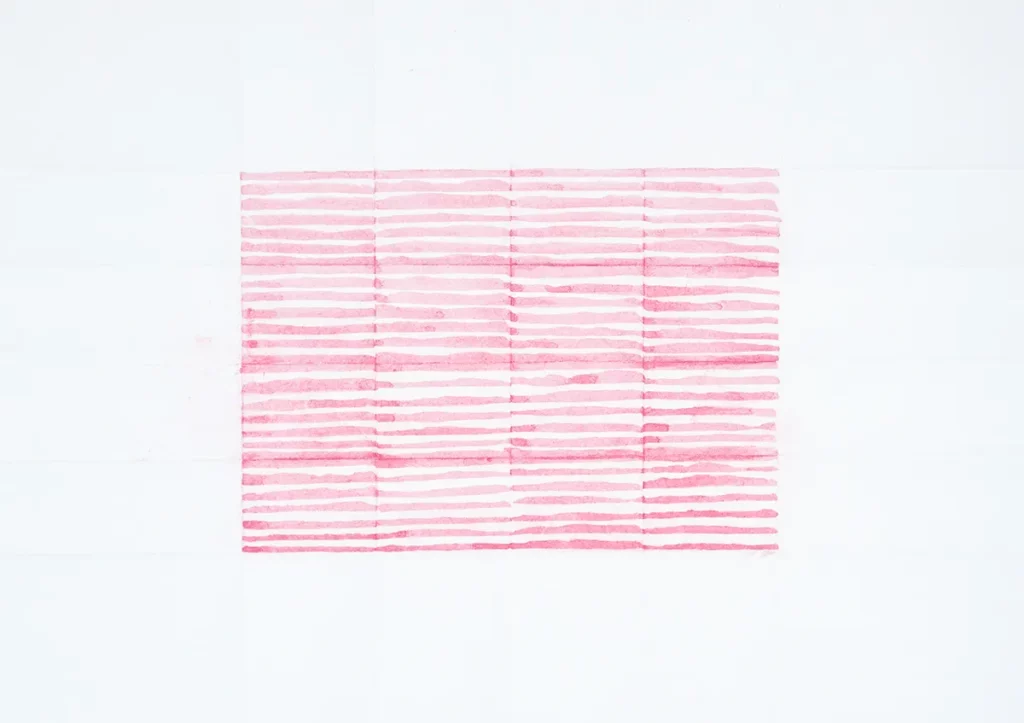
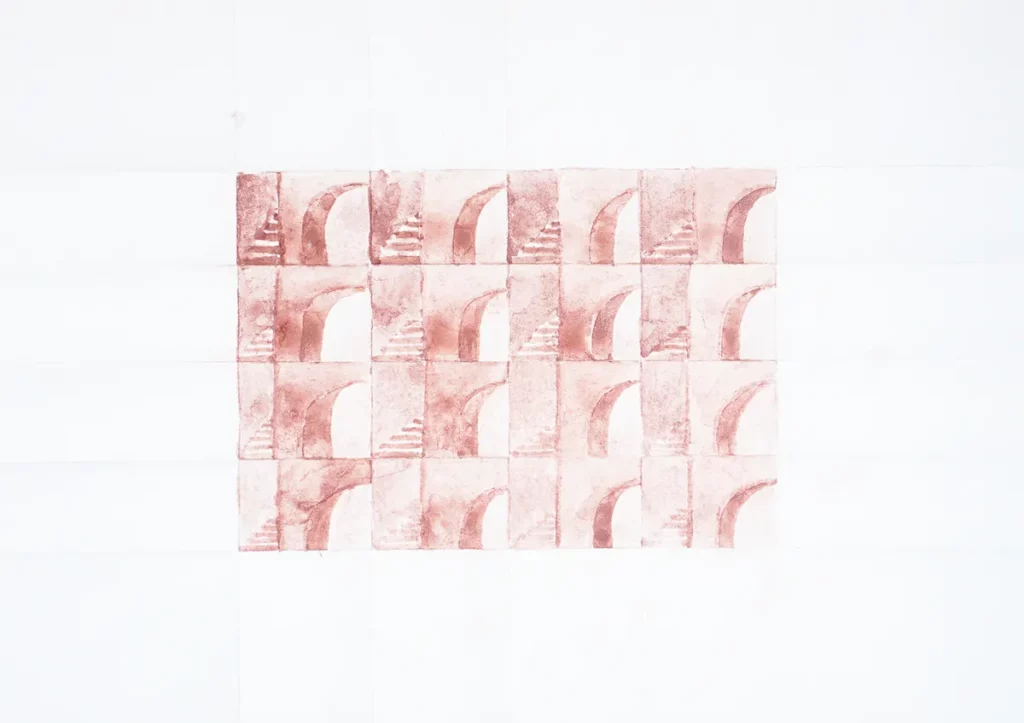
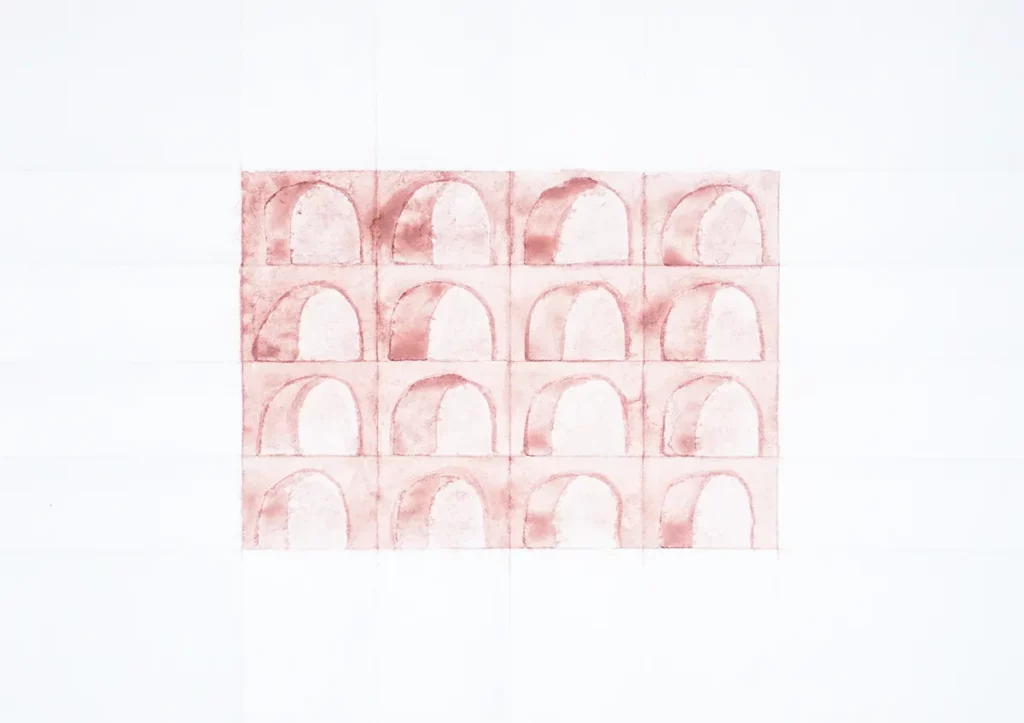
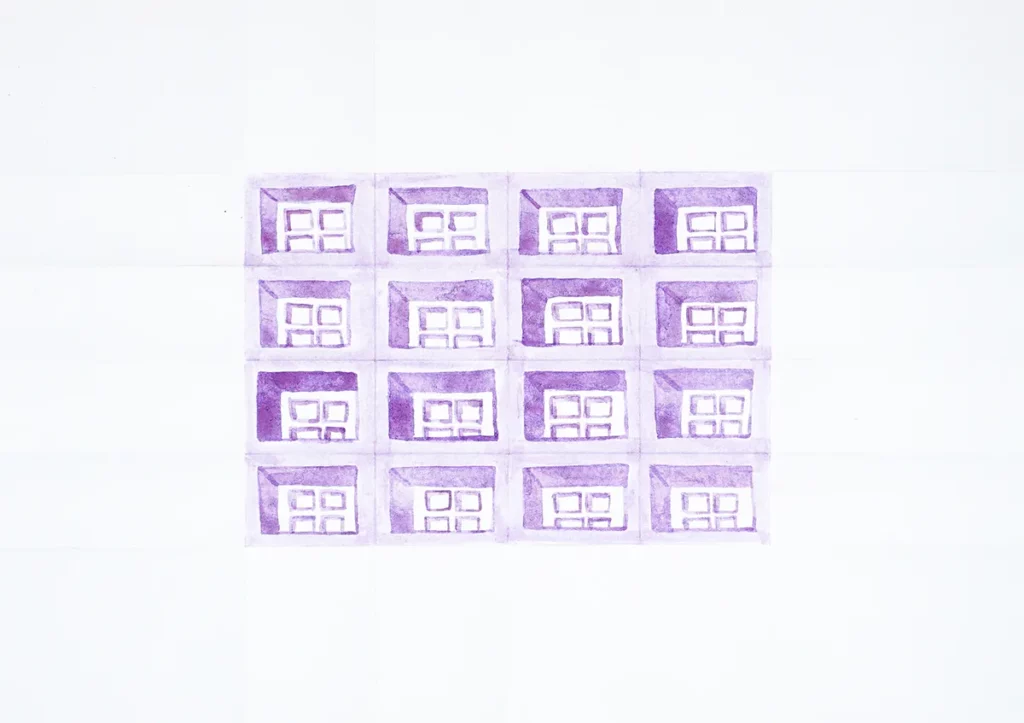
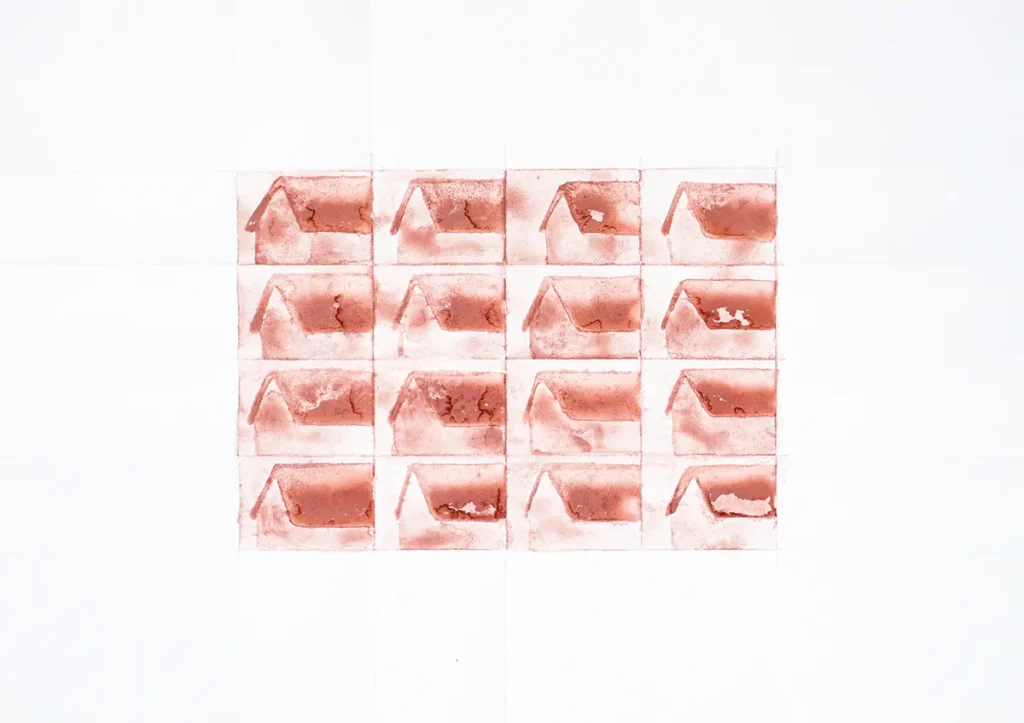
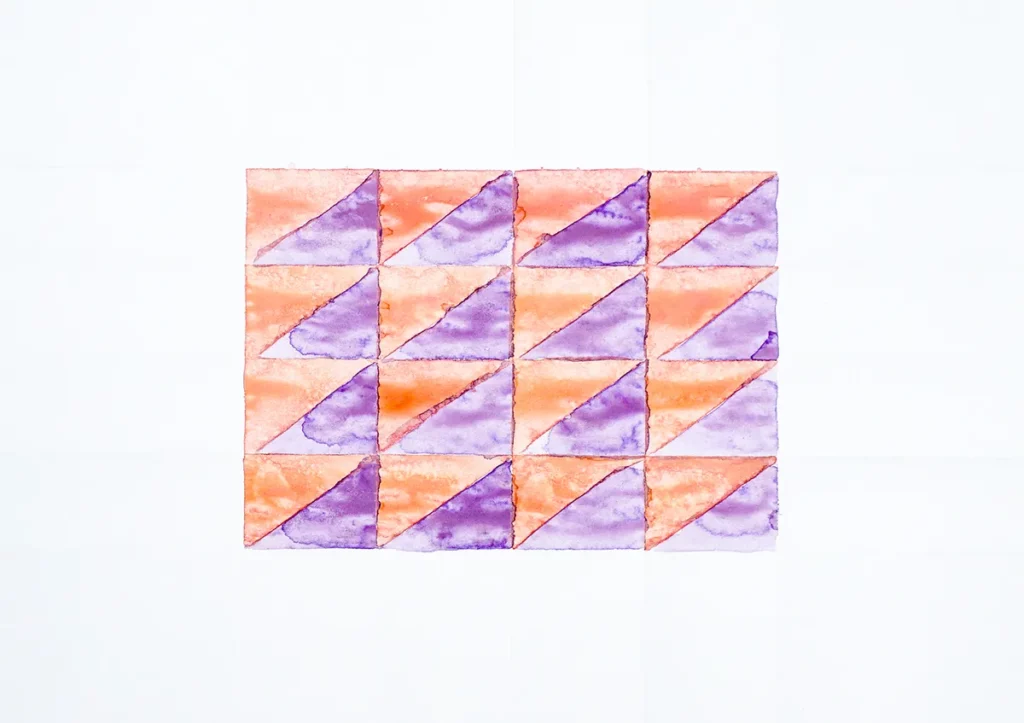
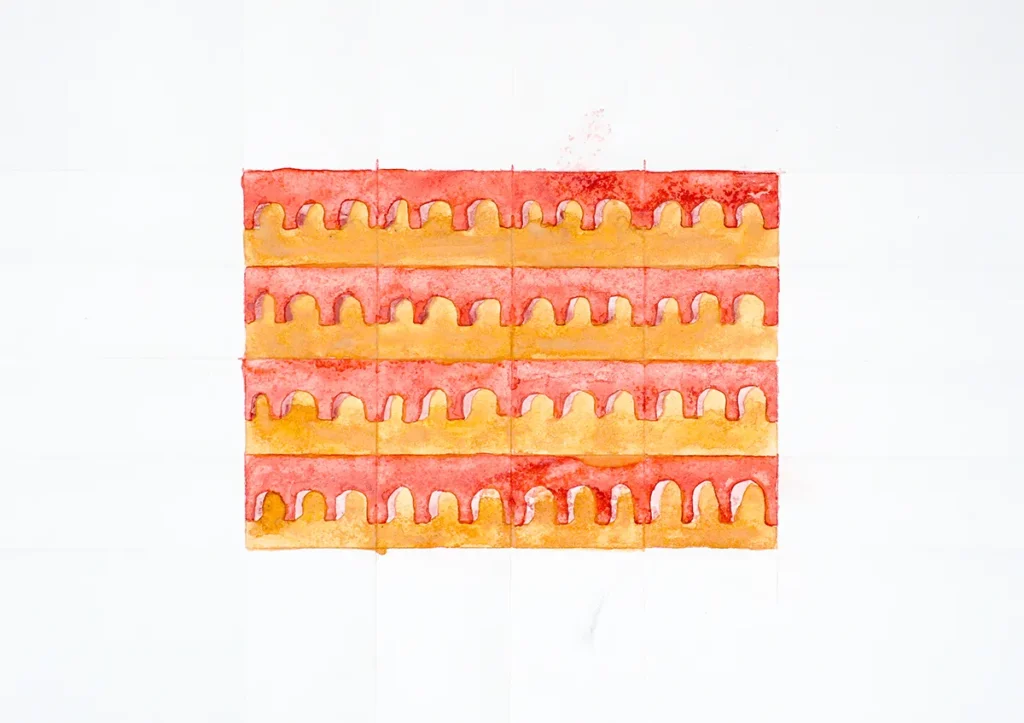
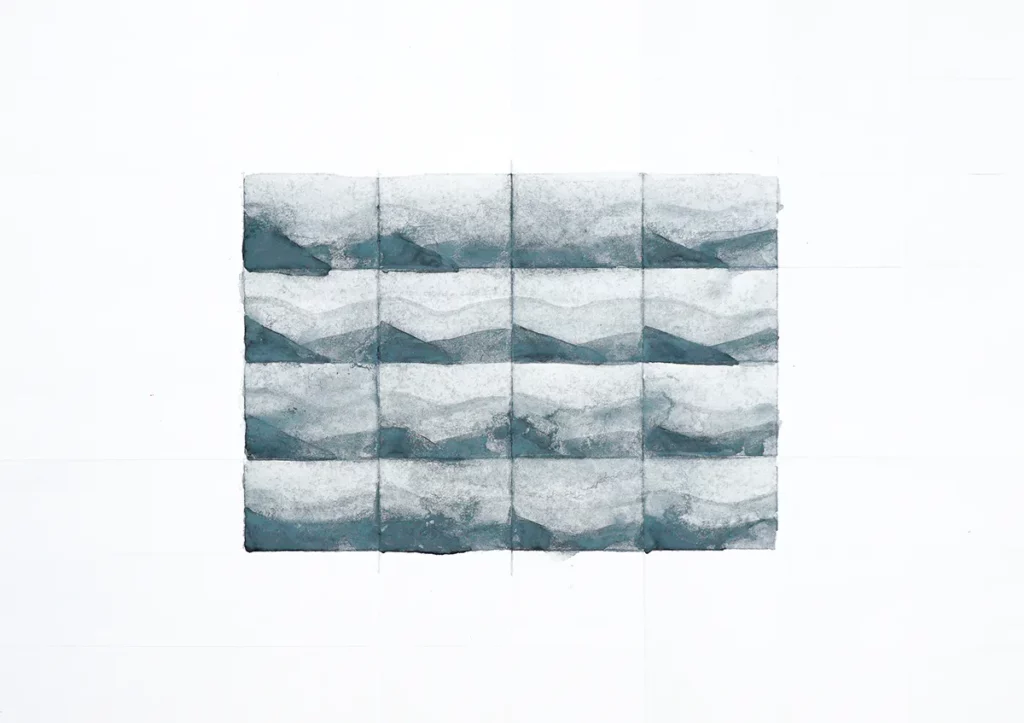
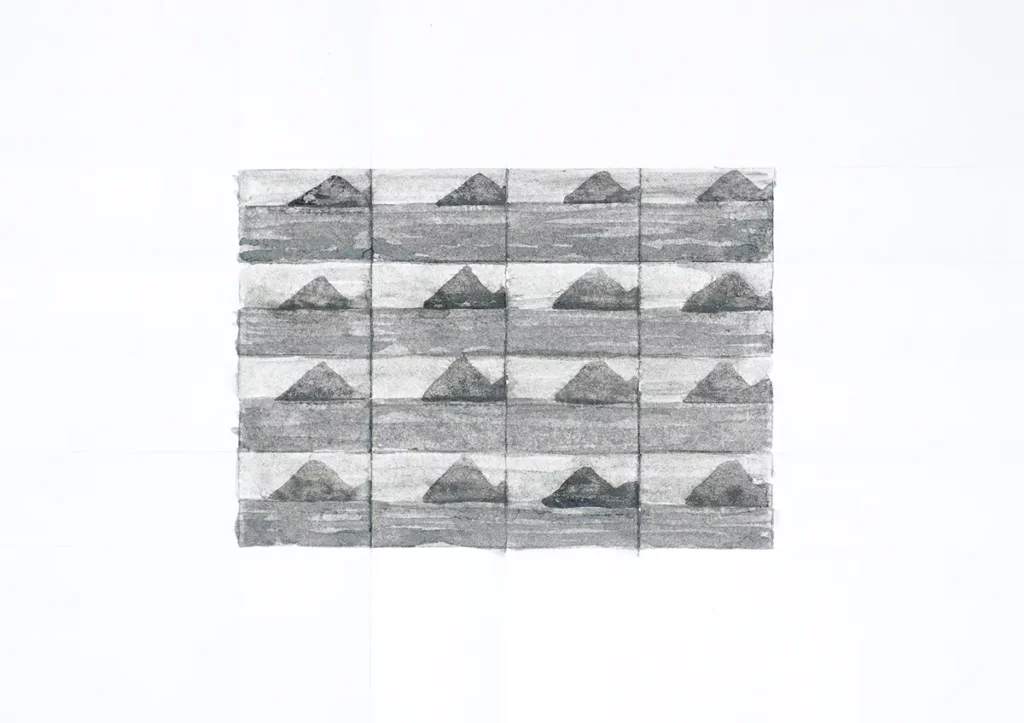
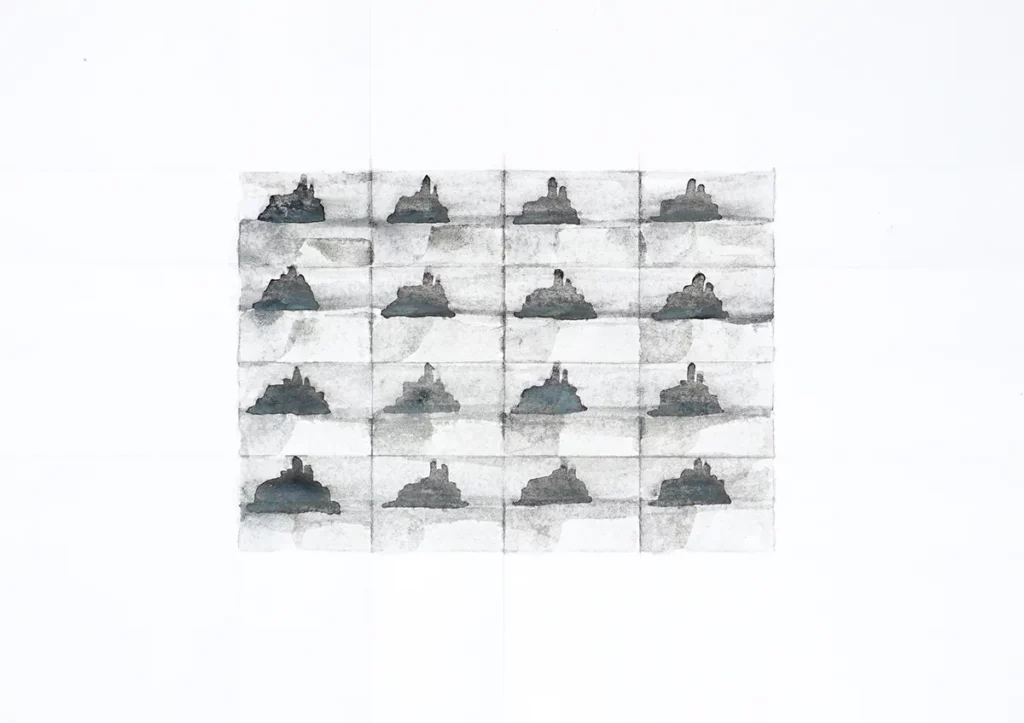
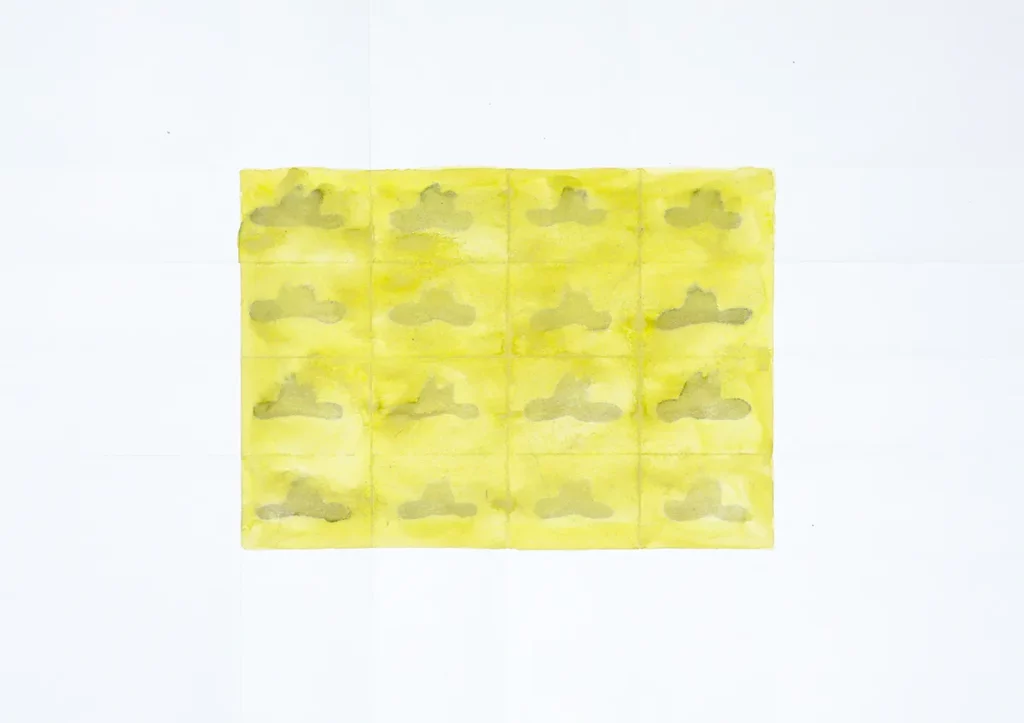
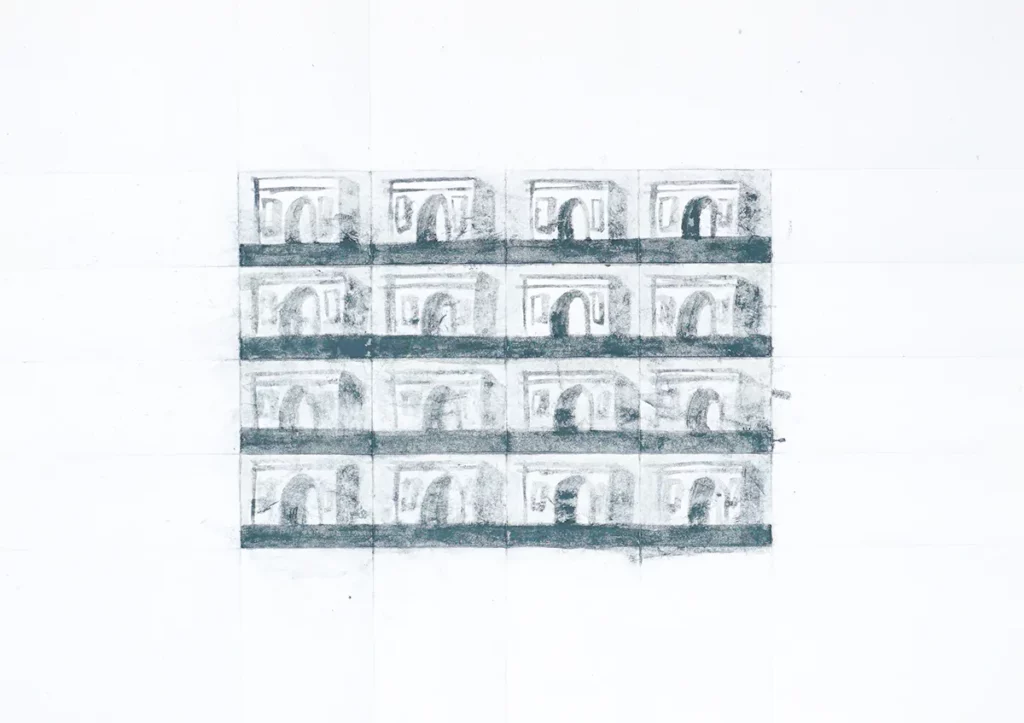
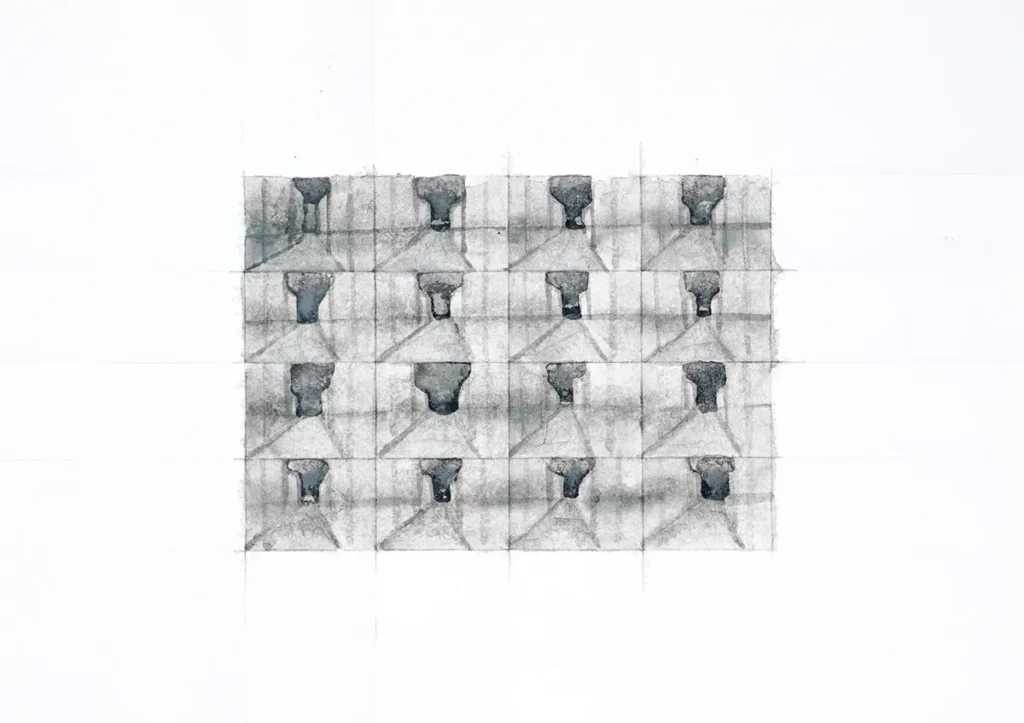
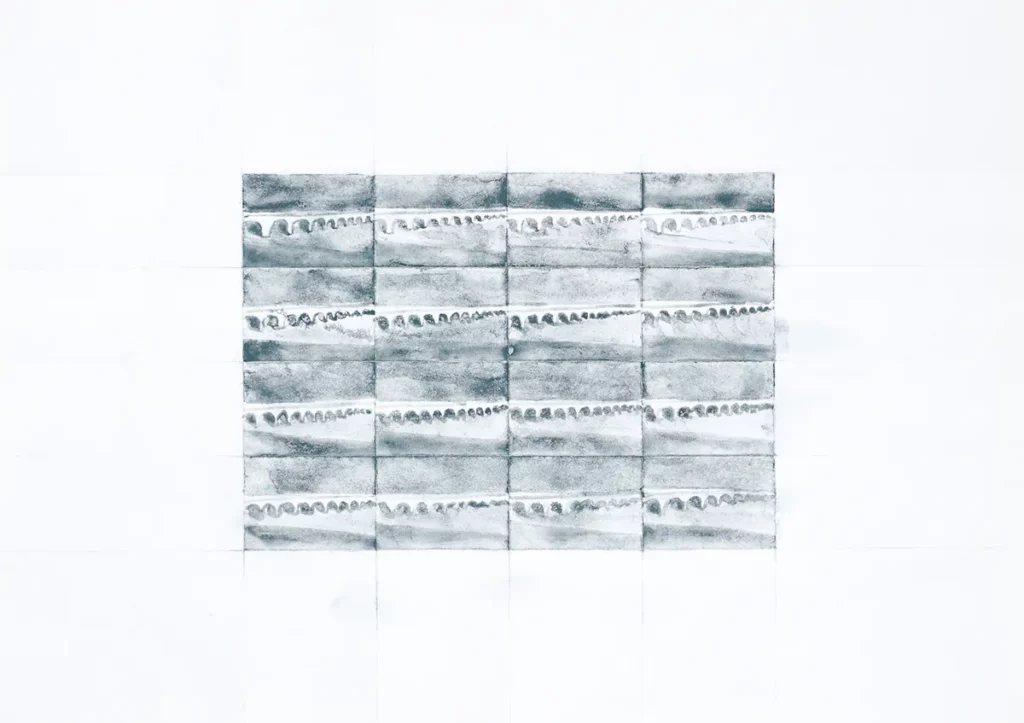
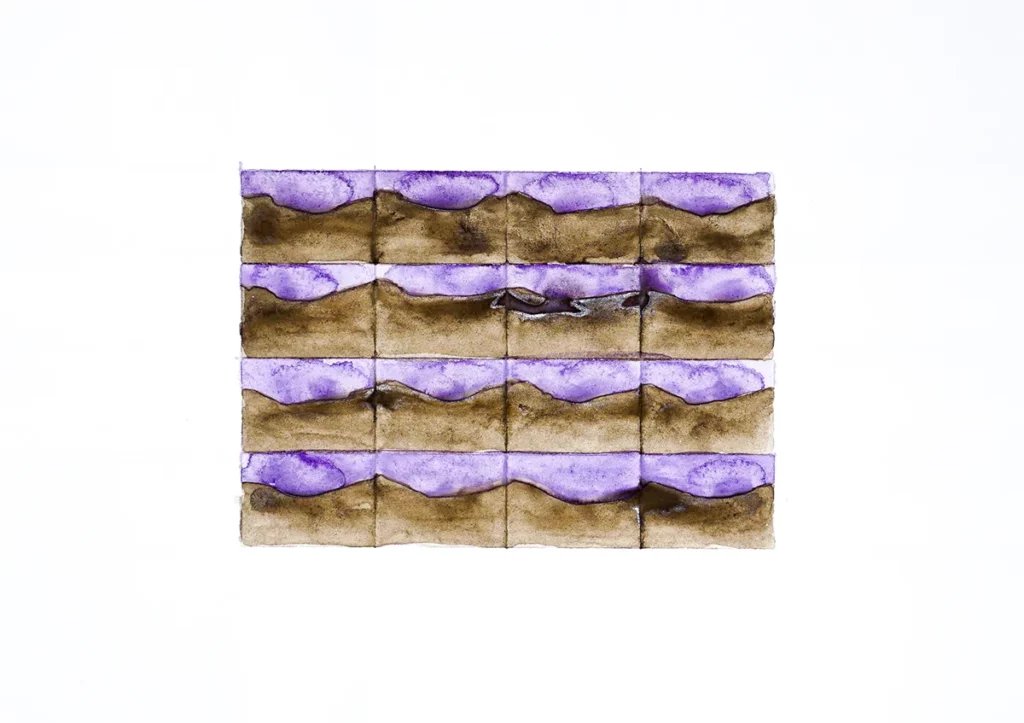
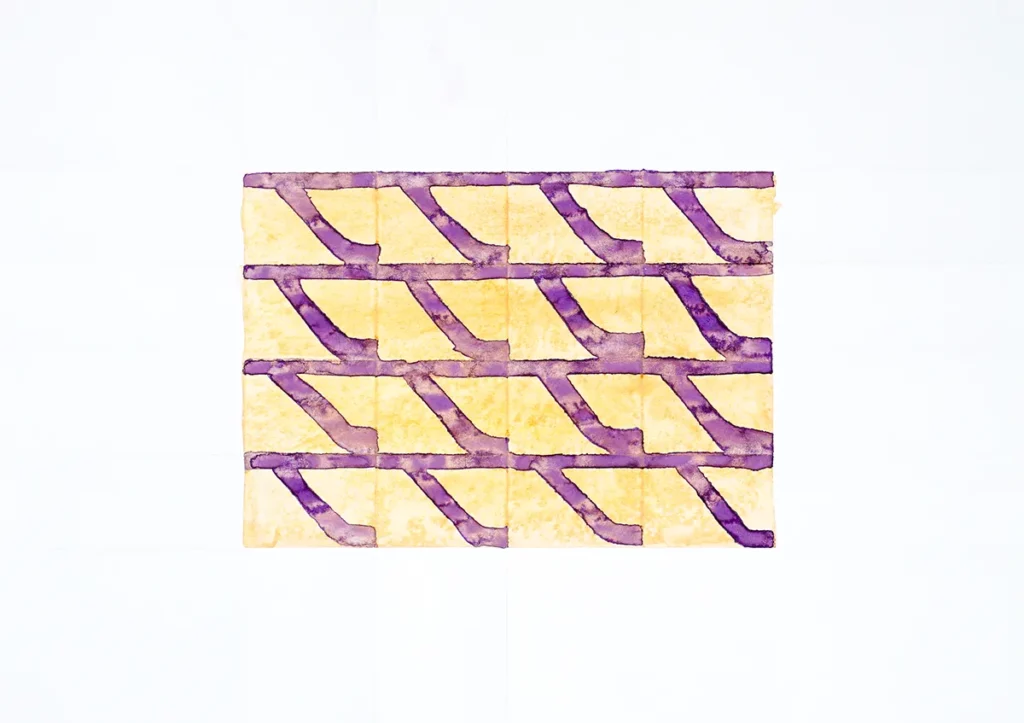
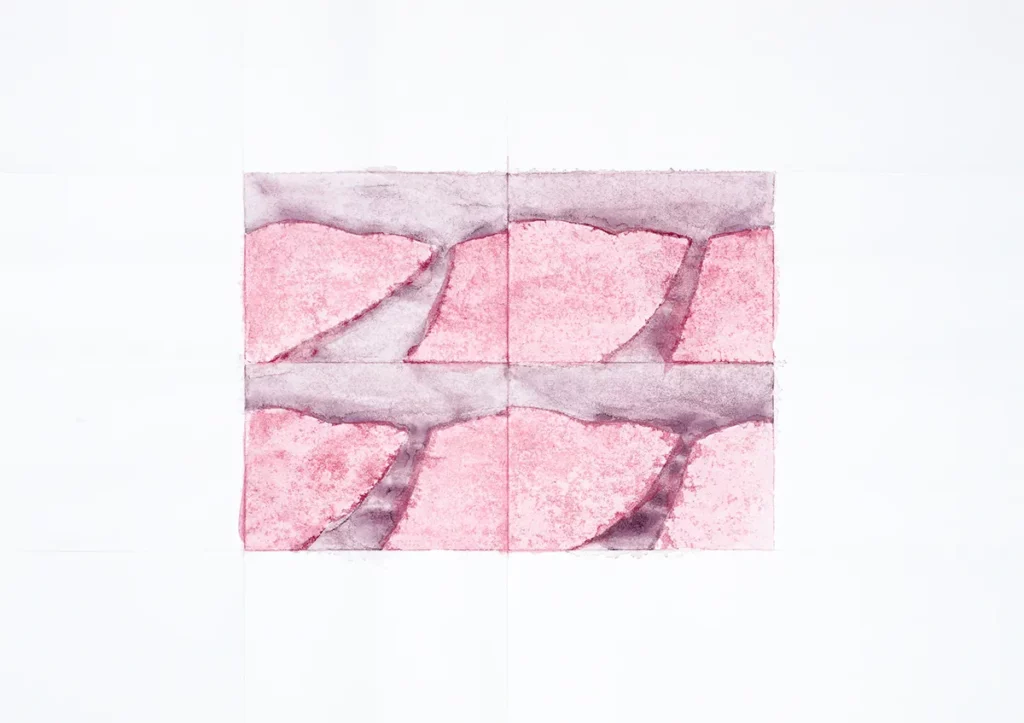
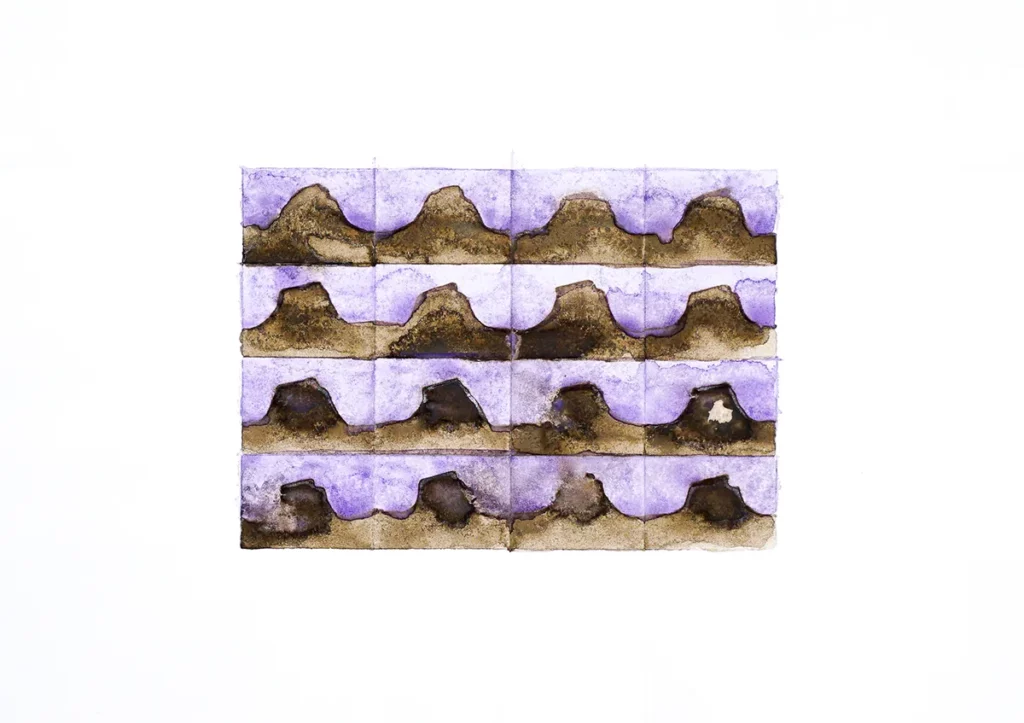
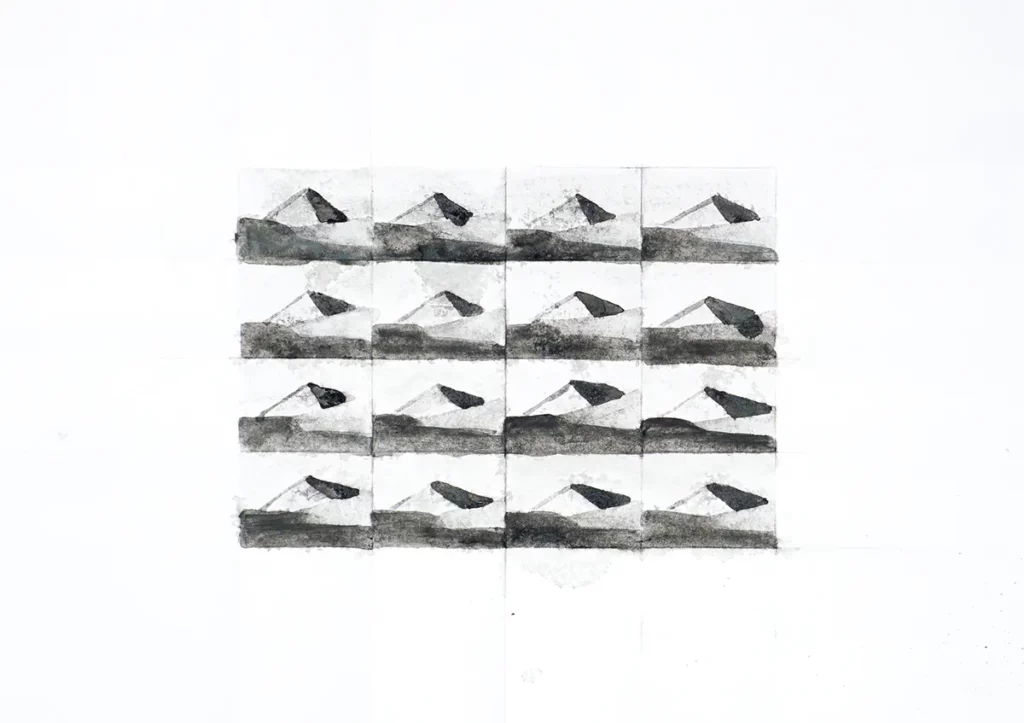
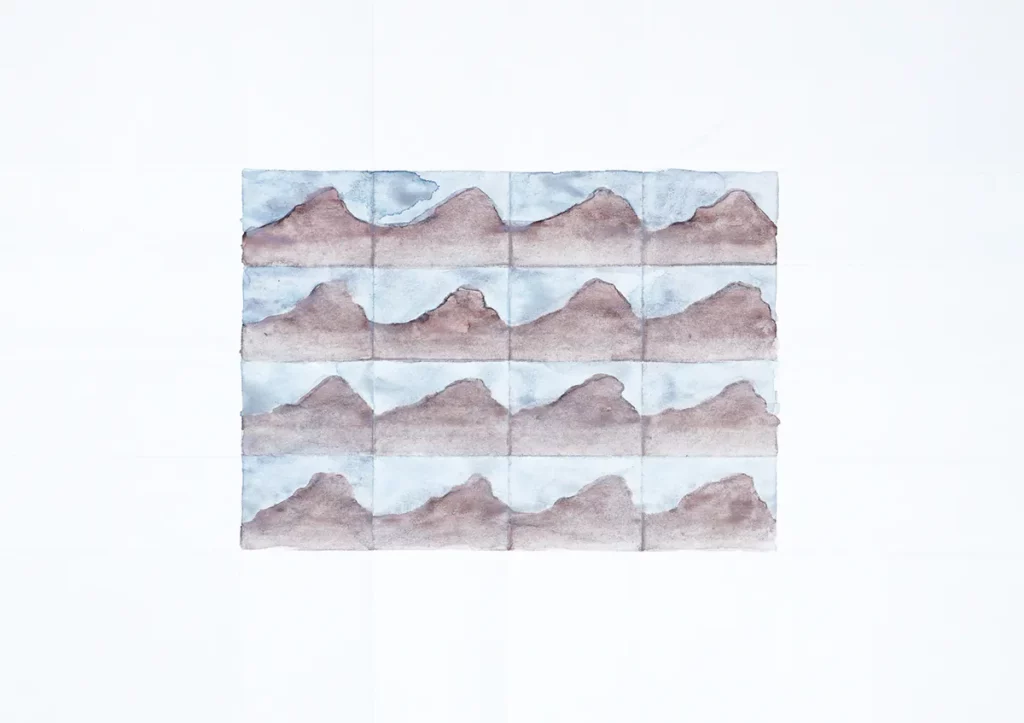
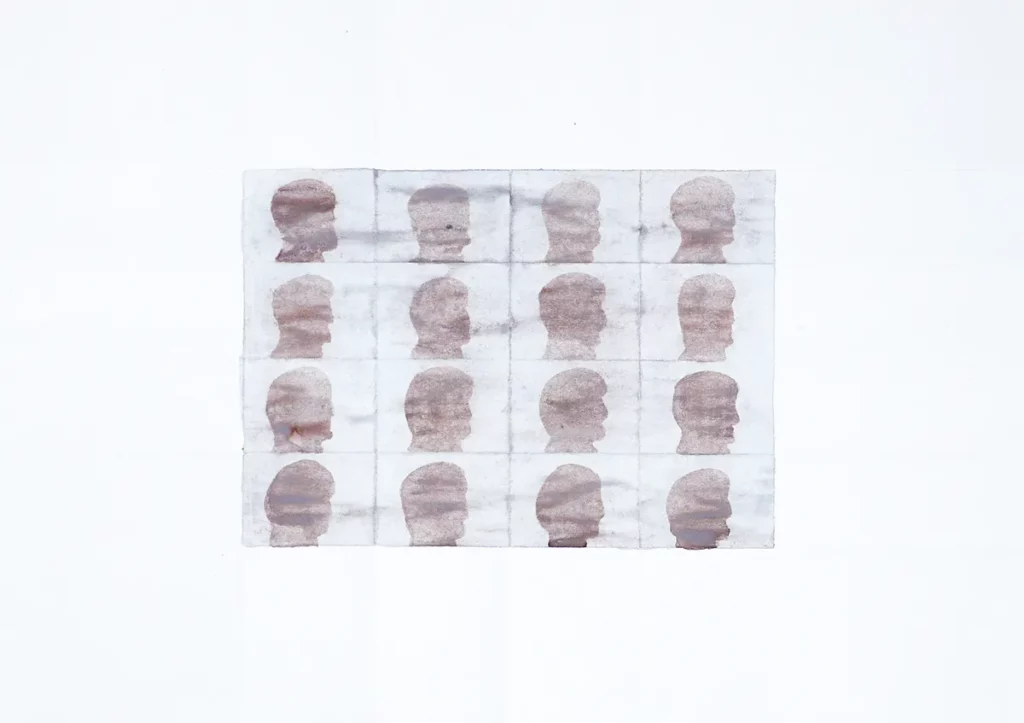
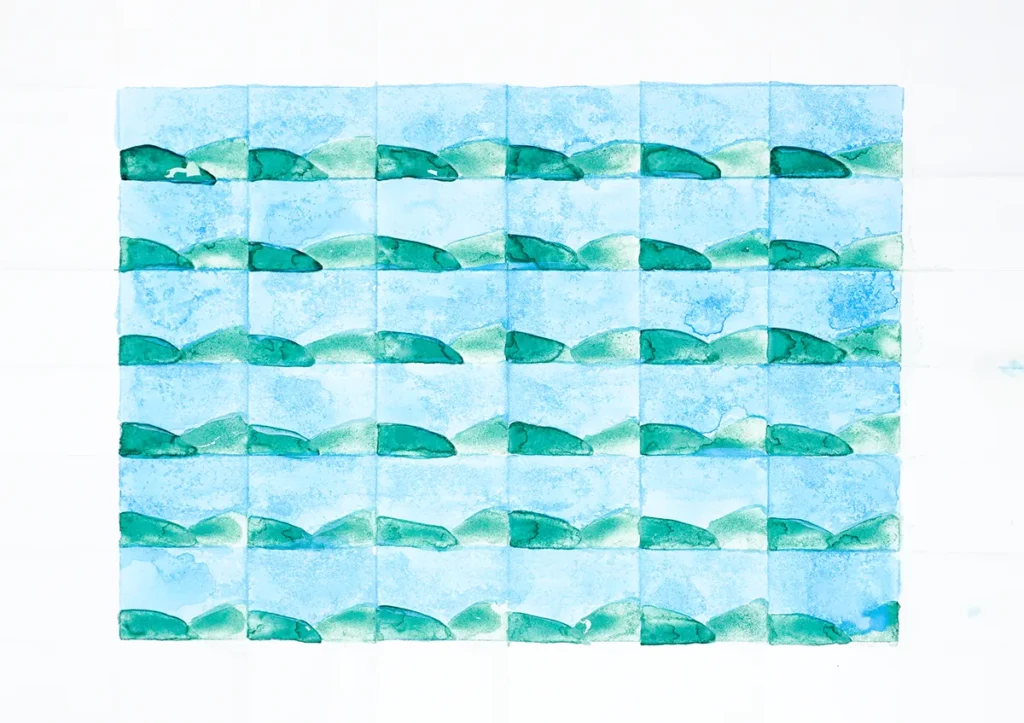
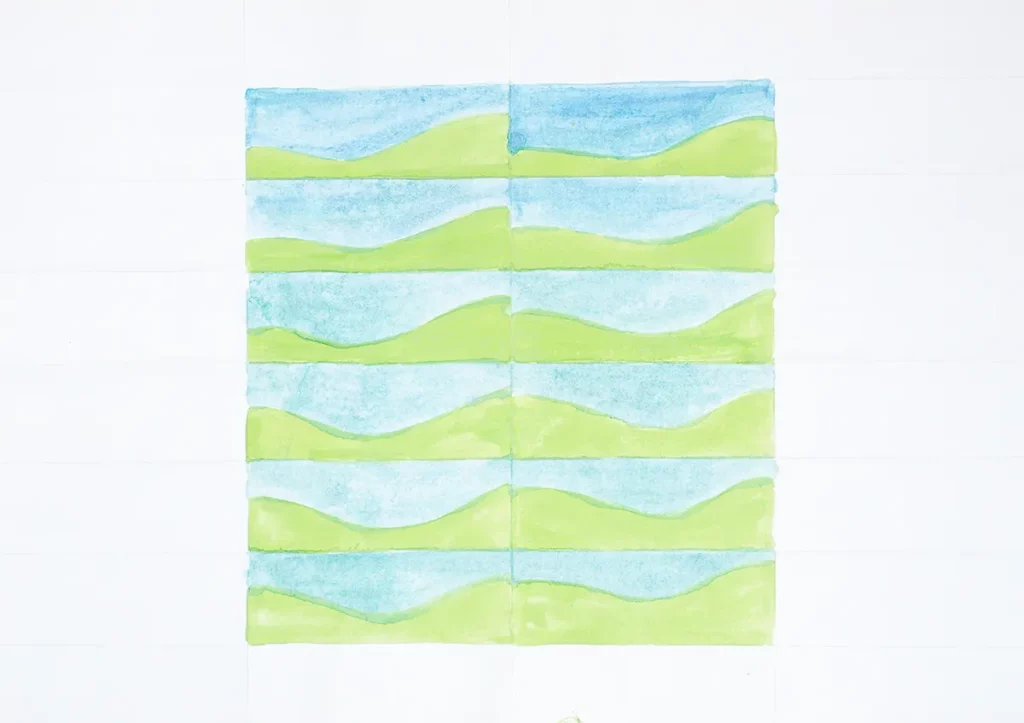
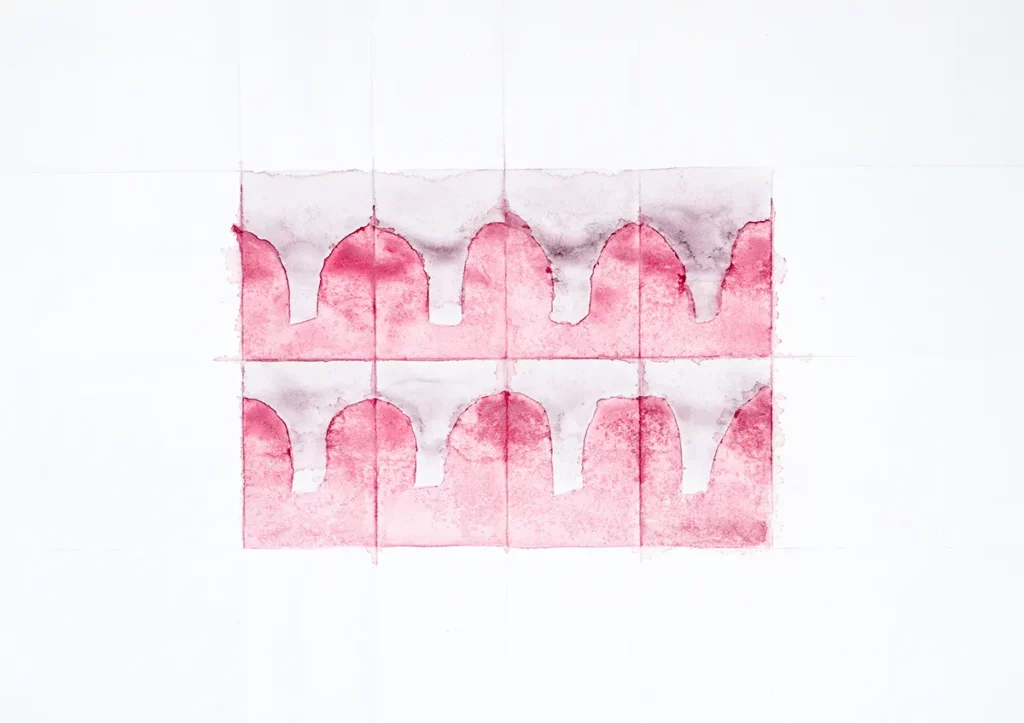
Grilles Pliées (x44)
2017
Watercolor on folded paper
21 x 29,7 Cm
8.3 x 11.7 in
2016
Paysages (x12)
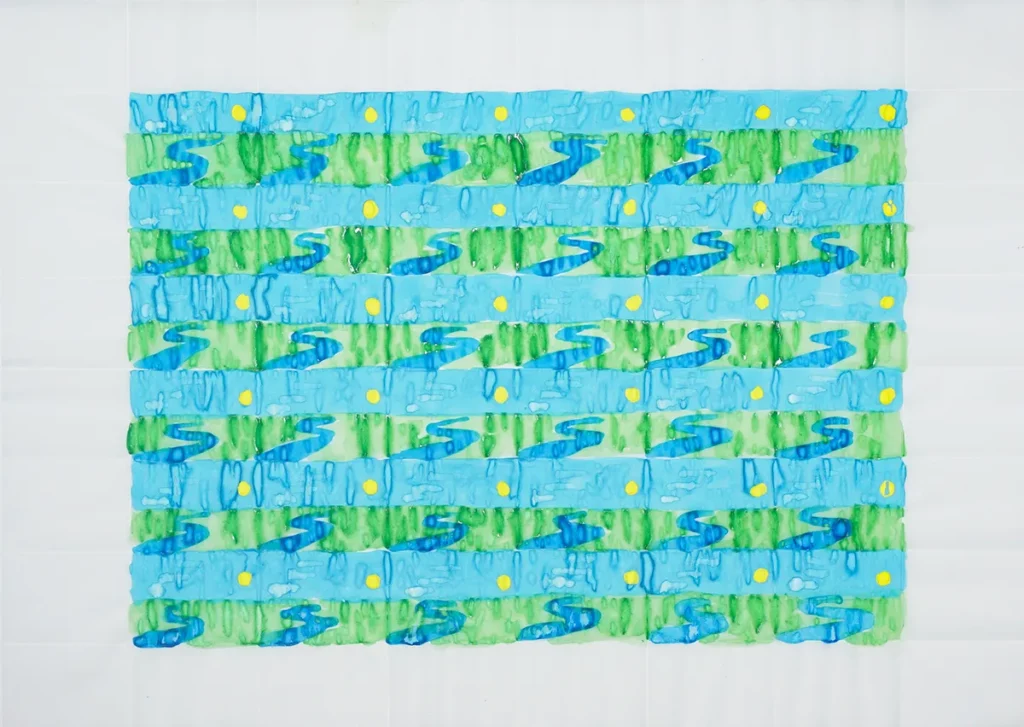
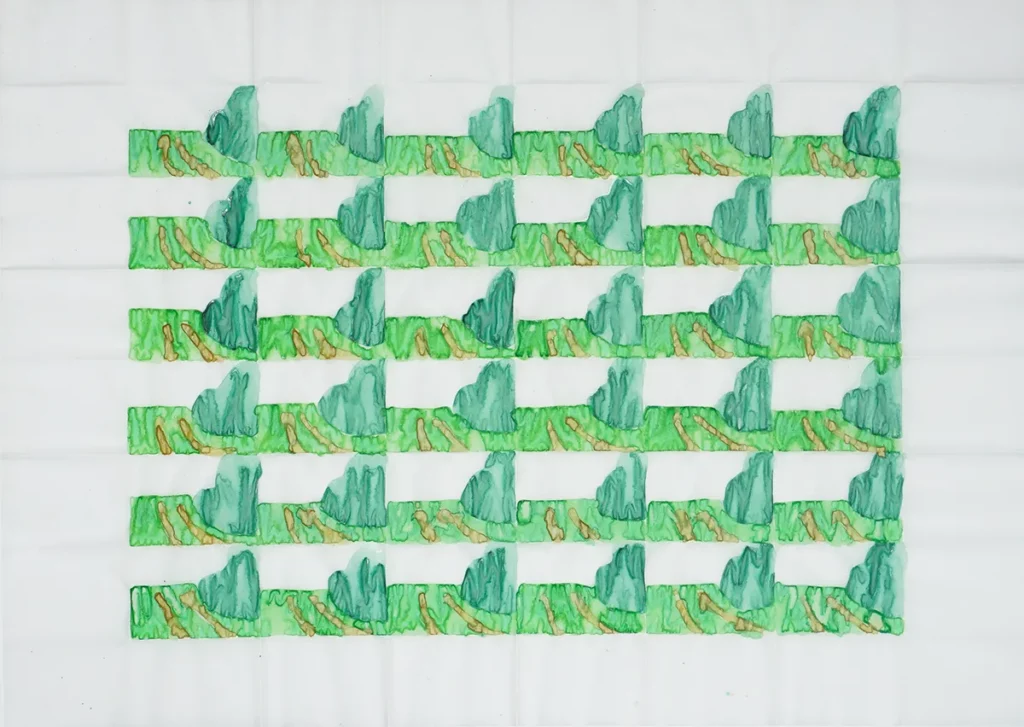
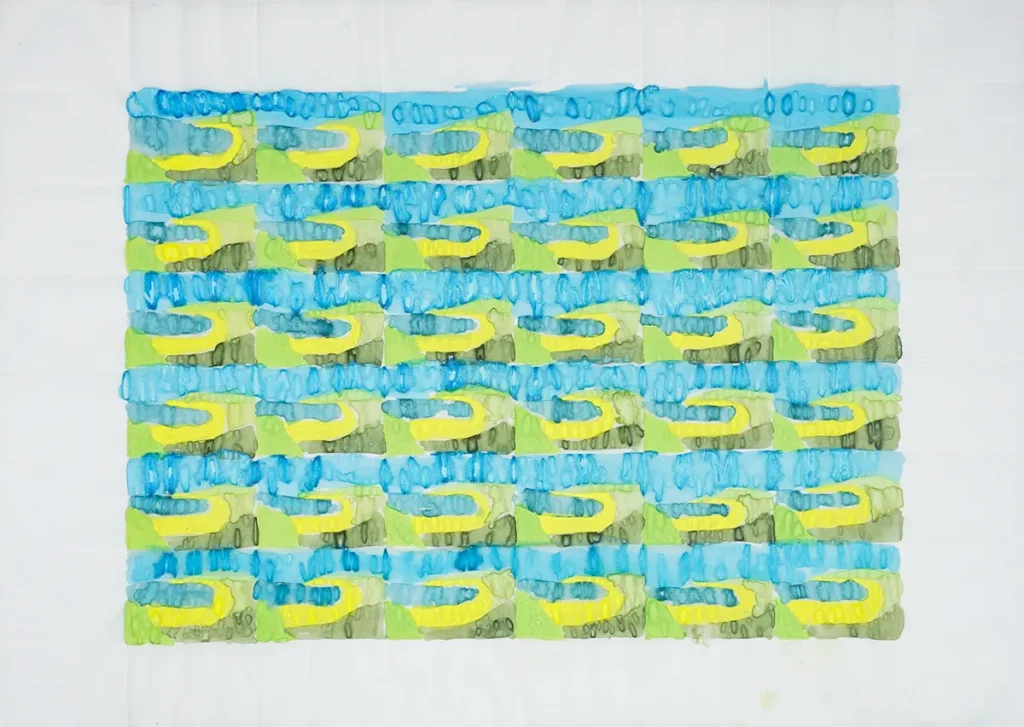
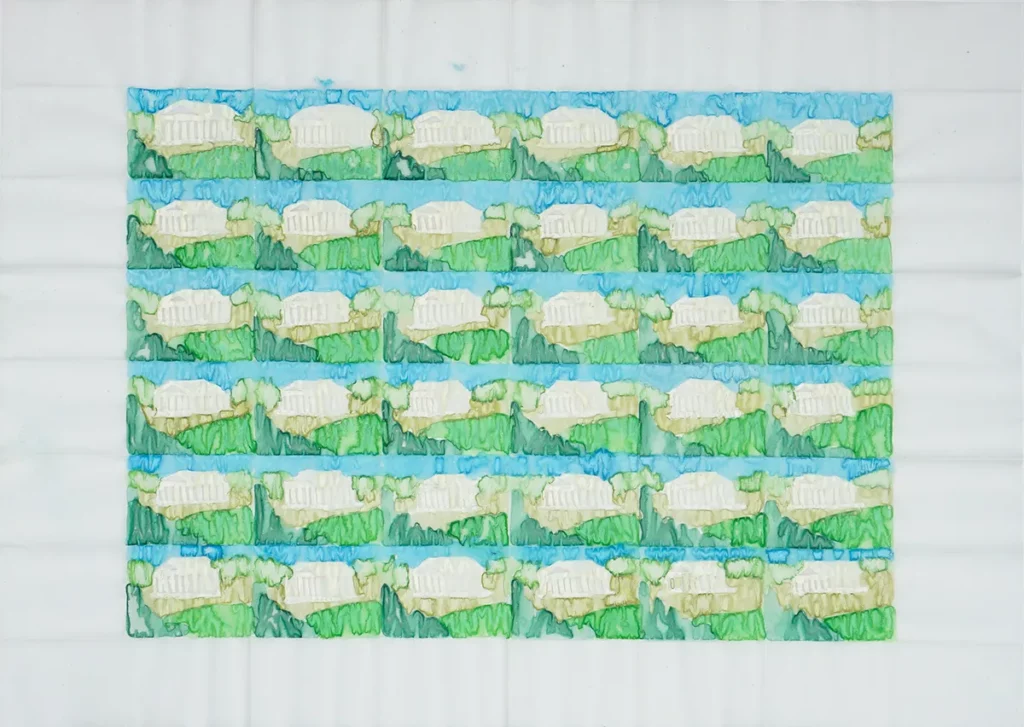
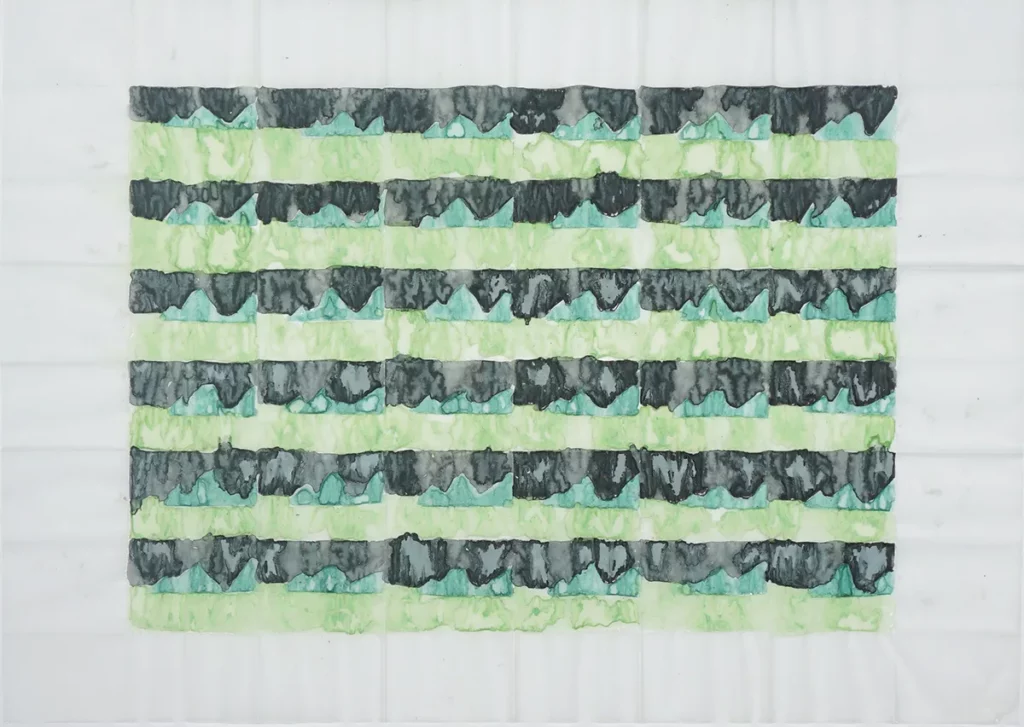
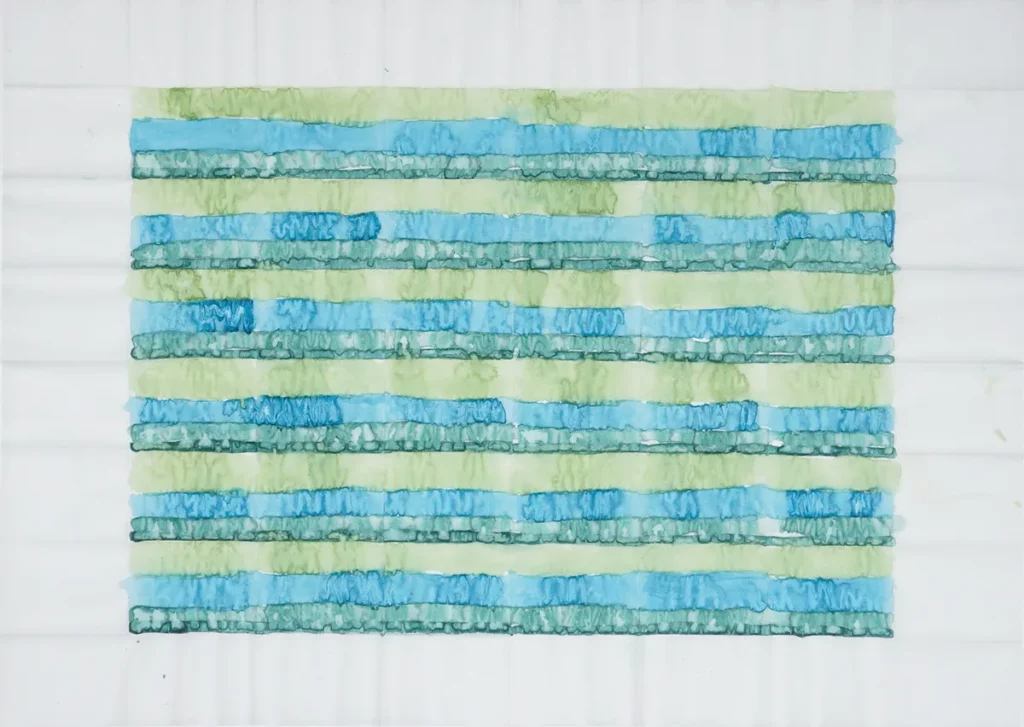
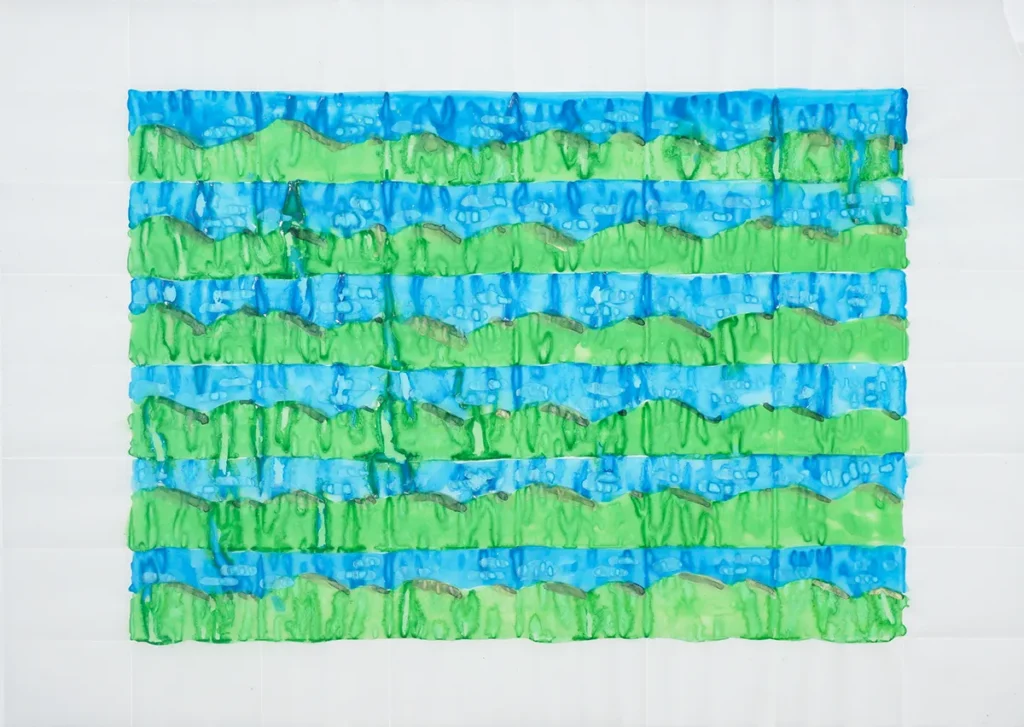
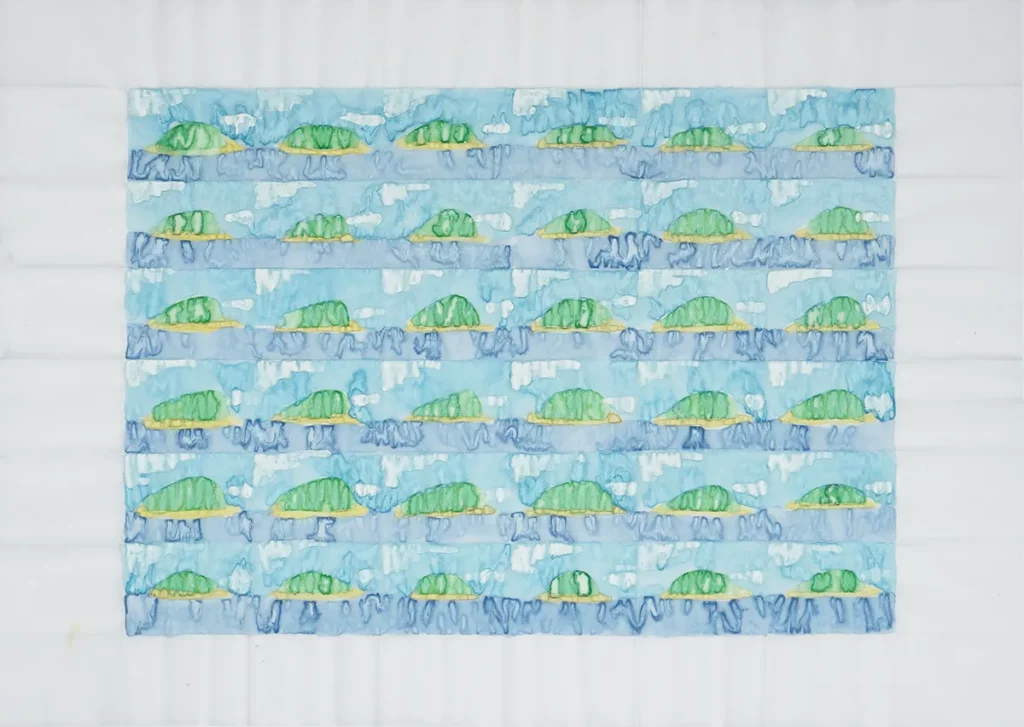
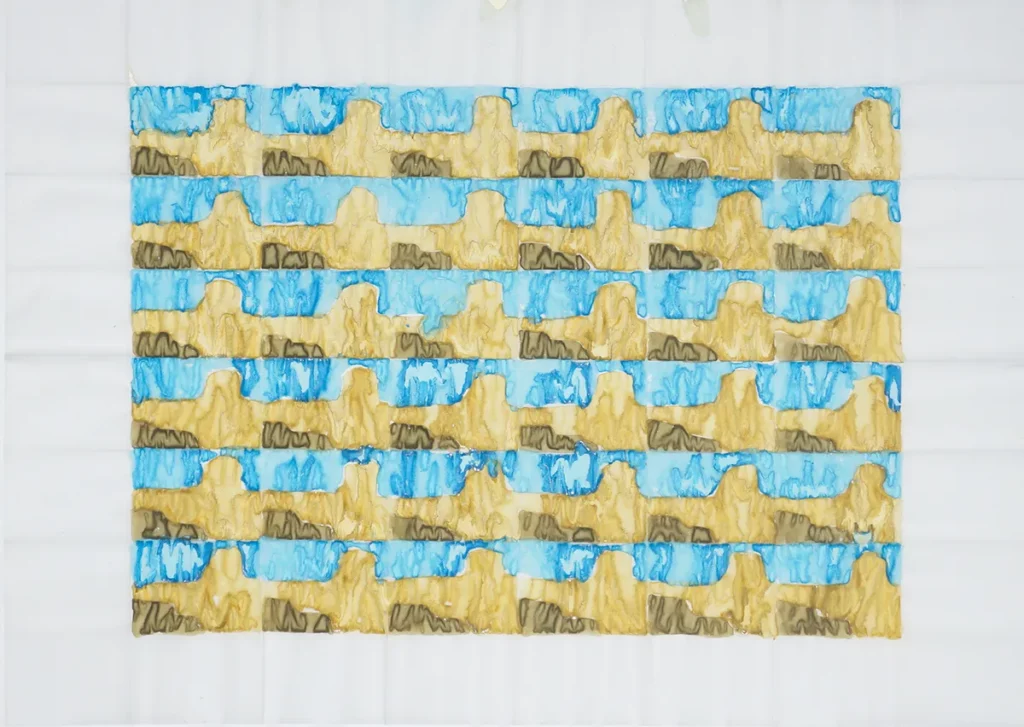
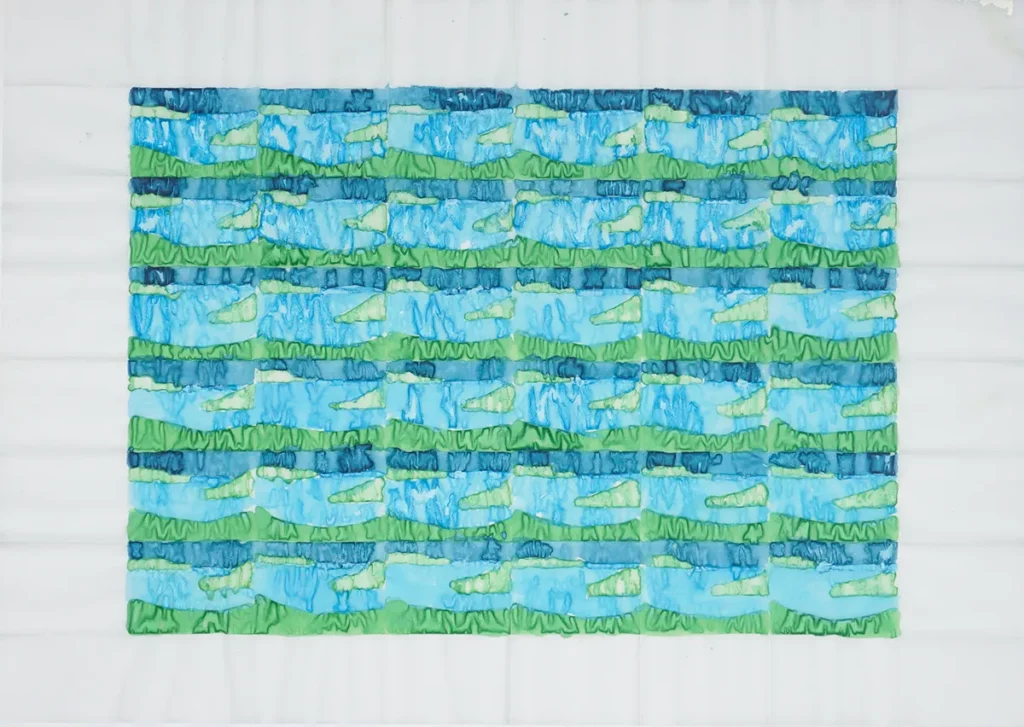
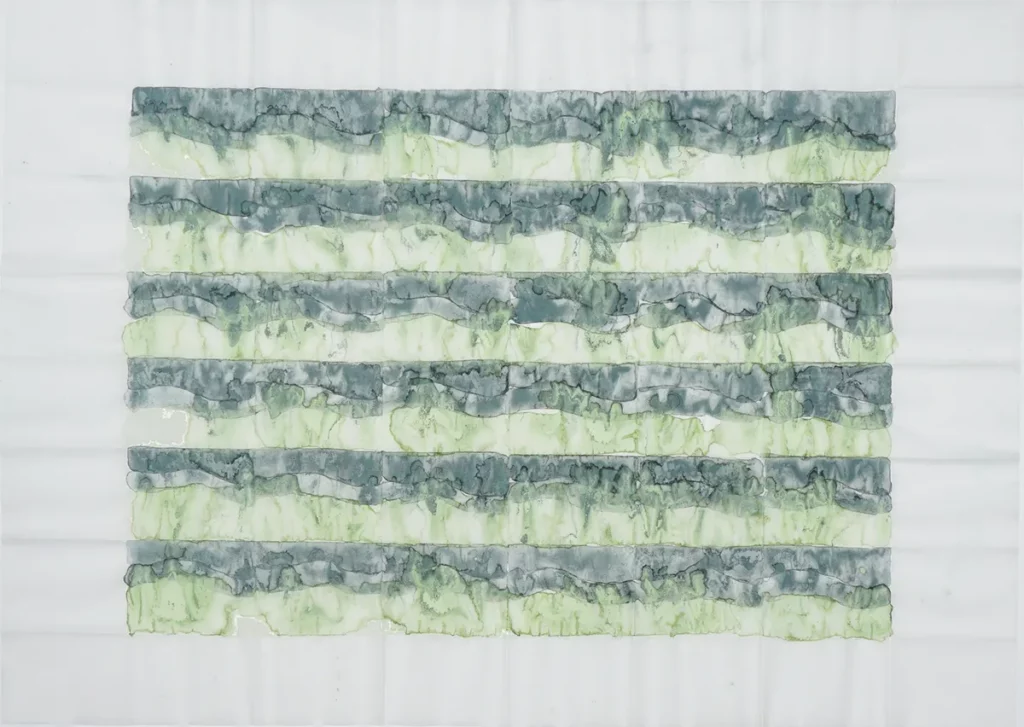
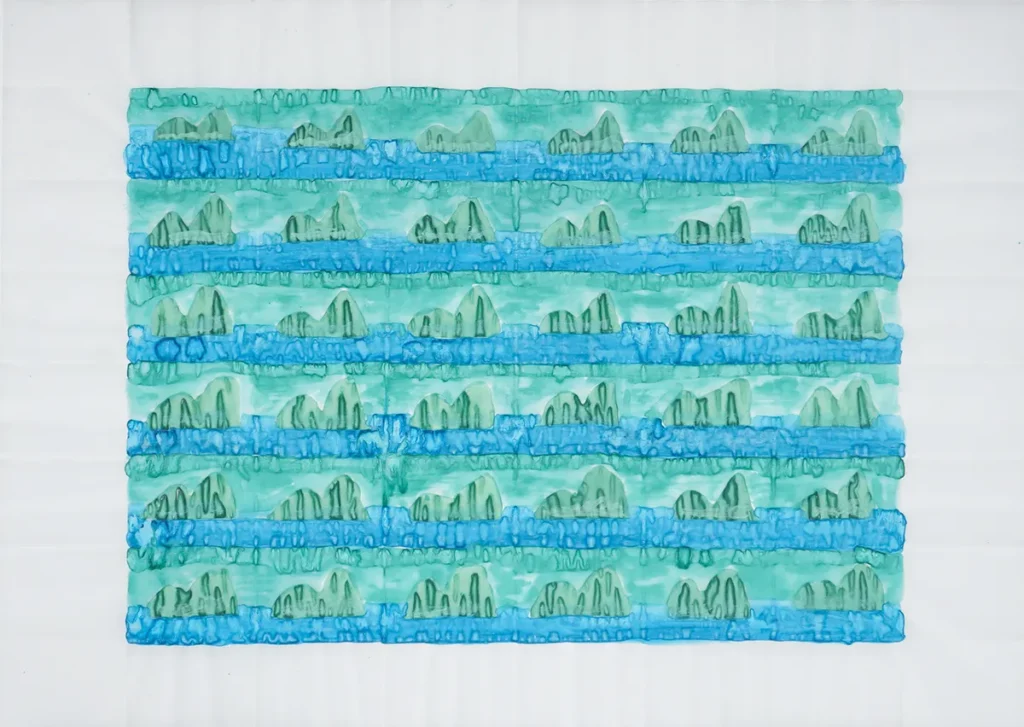
Paysages (x12)
2016
Watercolor on folded paper
29,7 × 21 cm
11.7 × 8.3 in
2015
Nus (x7)
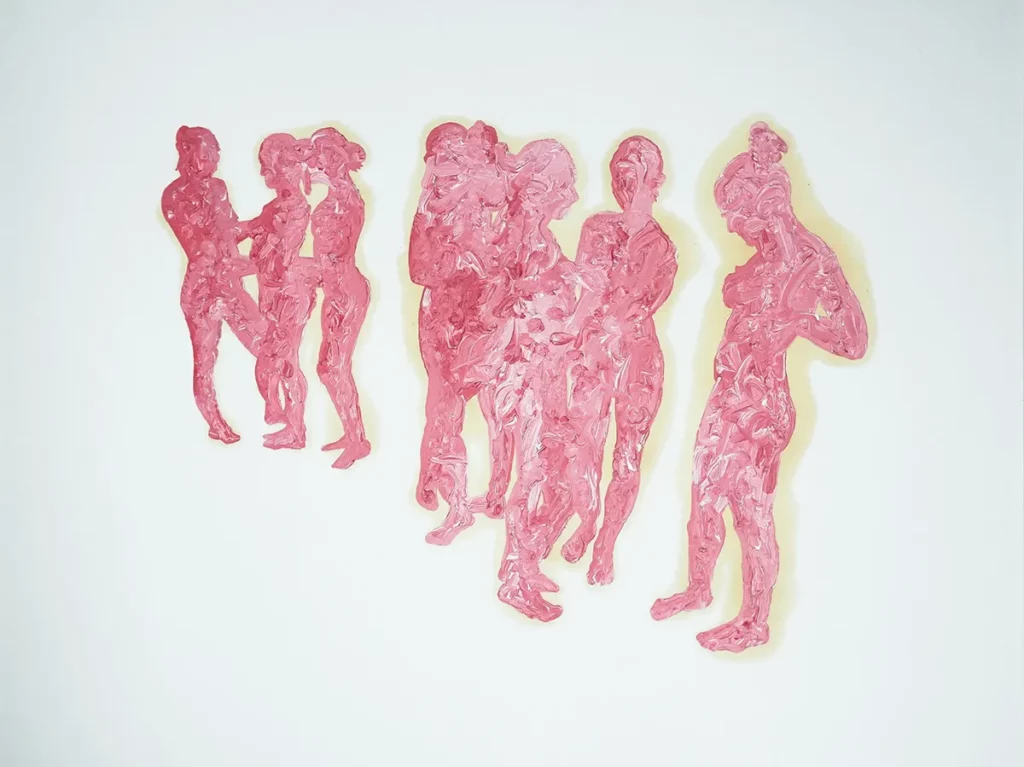
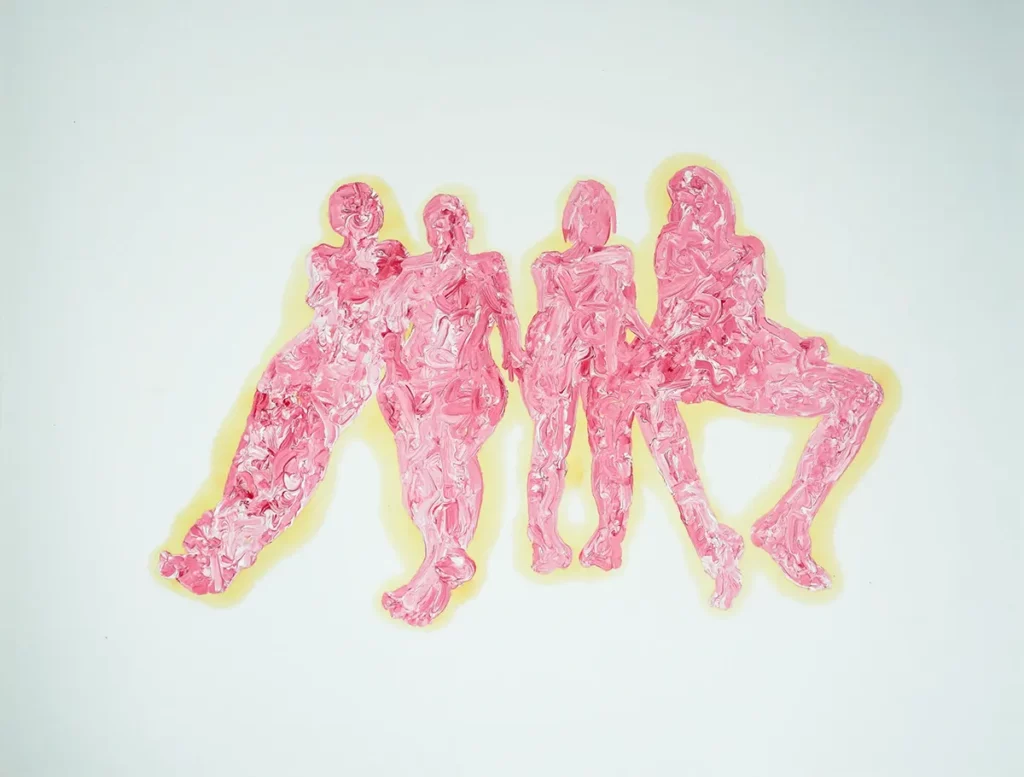
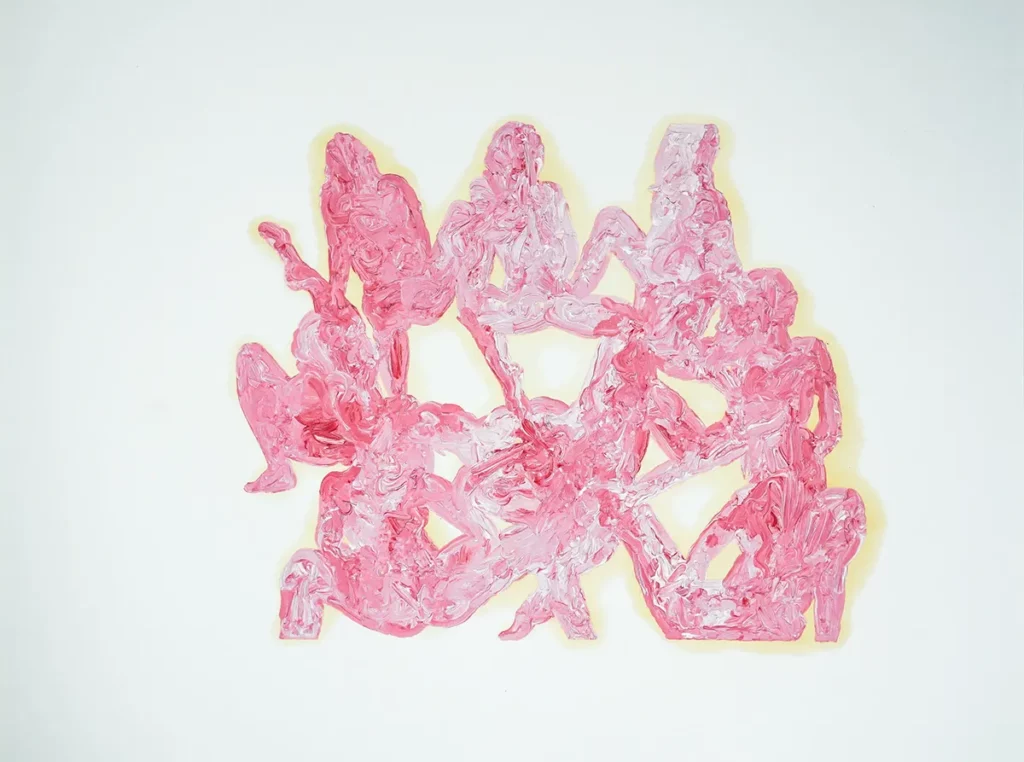
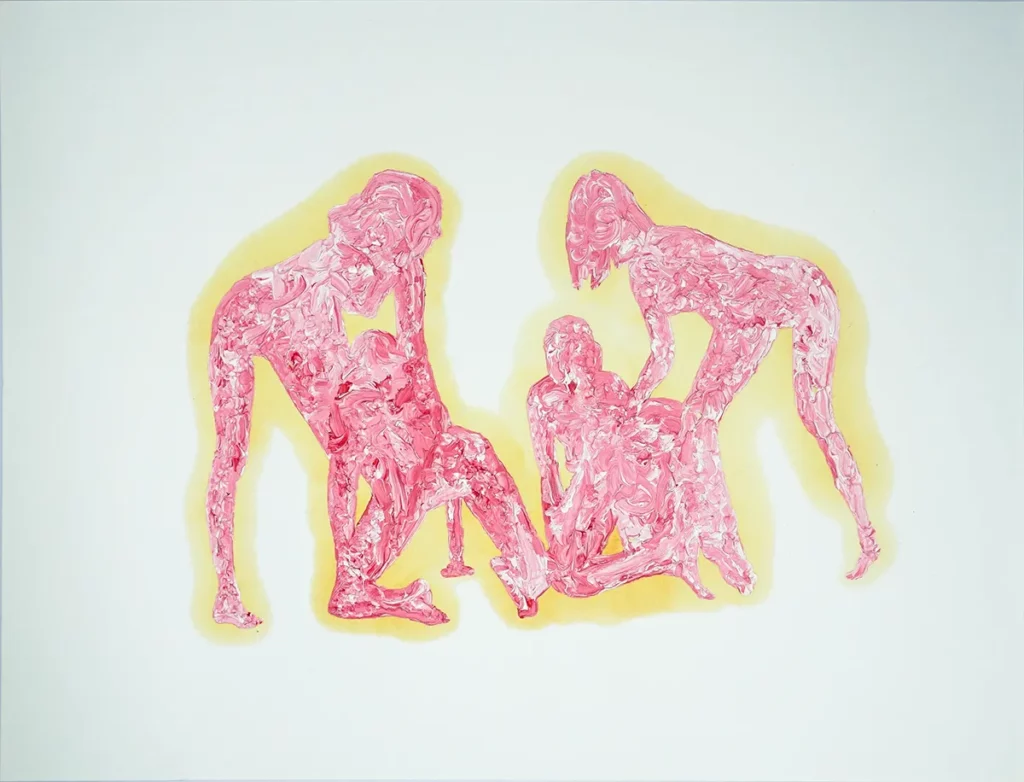
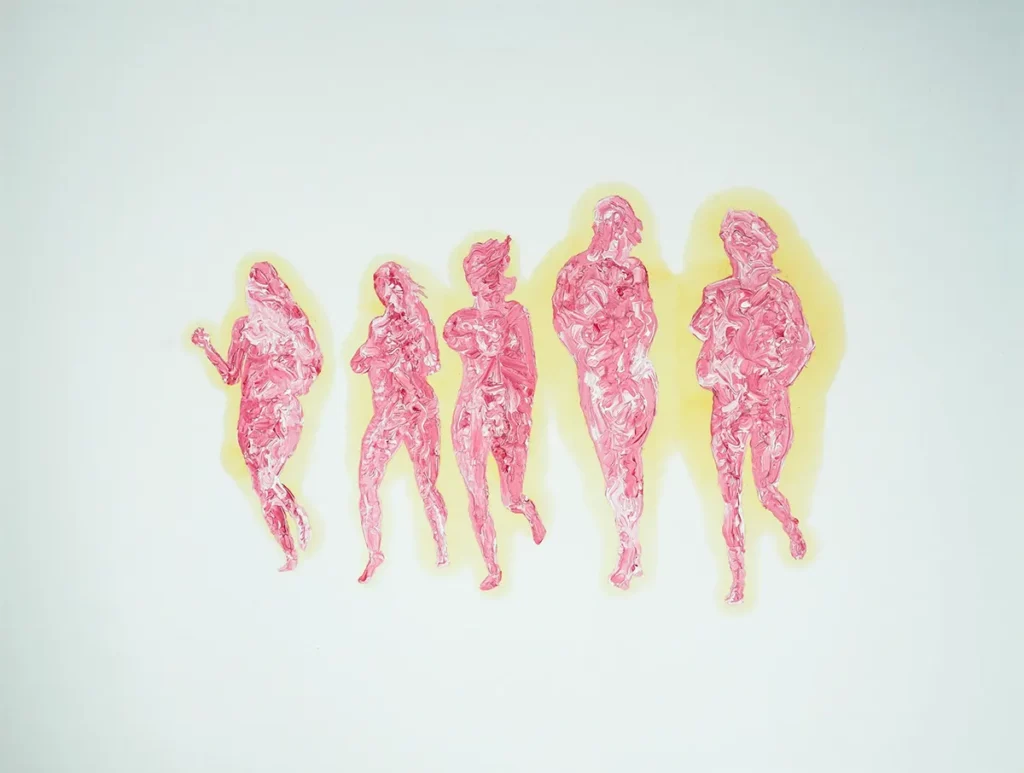
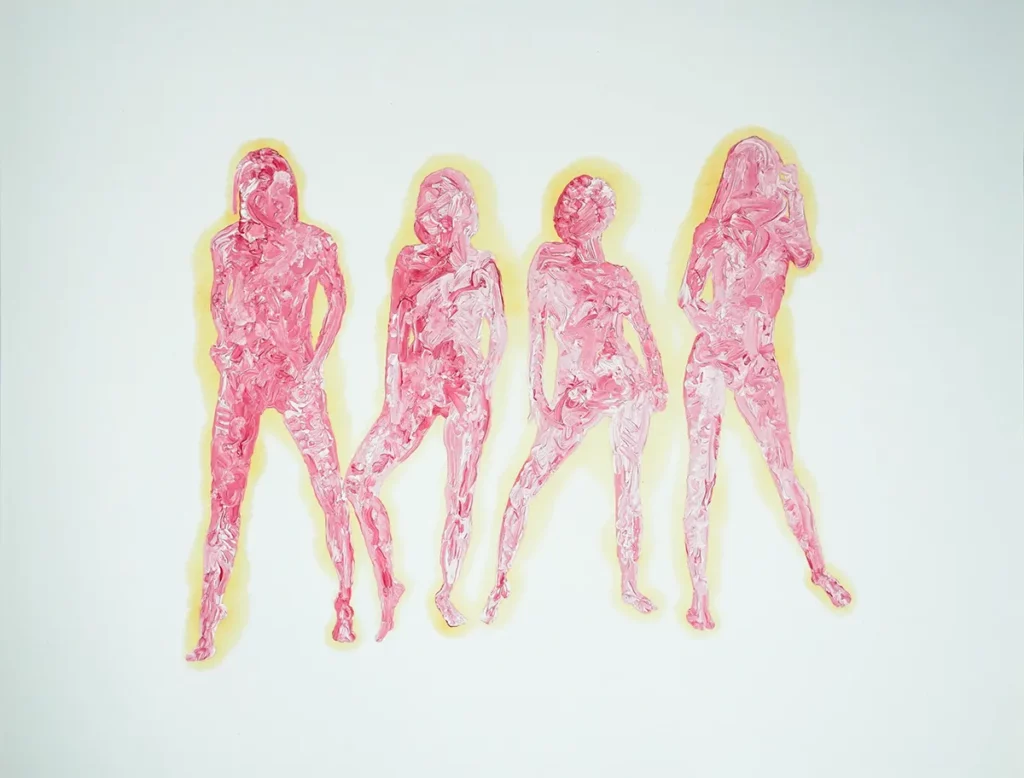
Nus (x7)
2015
Oil on paper
40 × 30 cm
15.8 × 11.8 in
2014
Fenêtres Brune
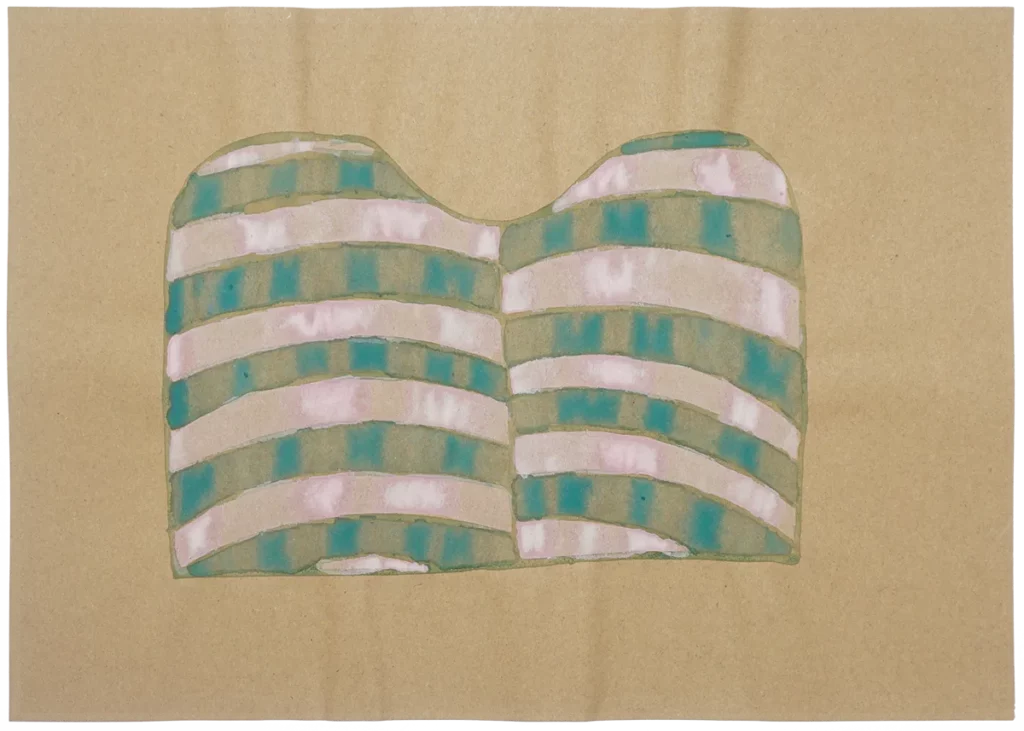
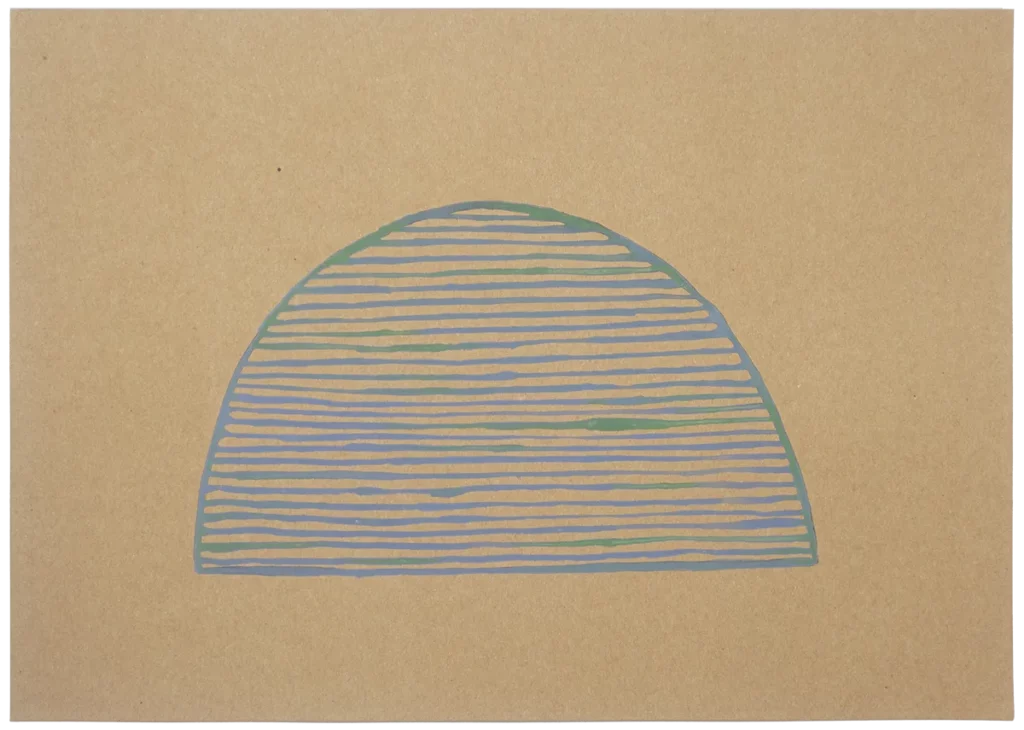
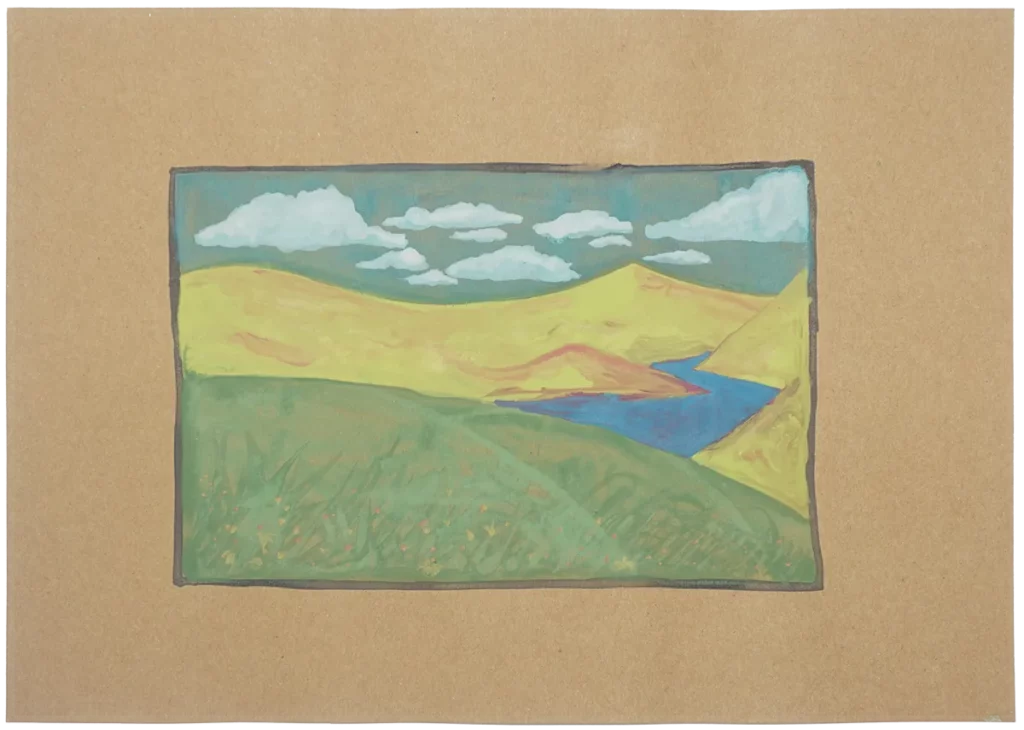
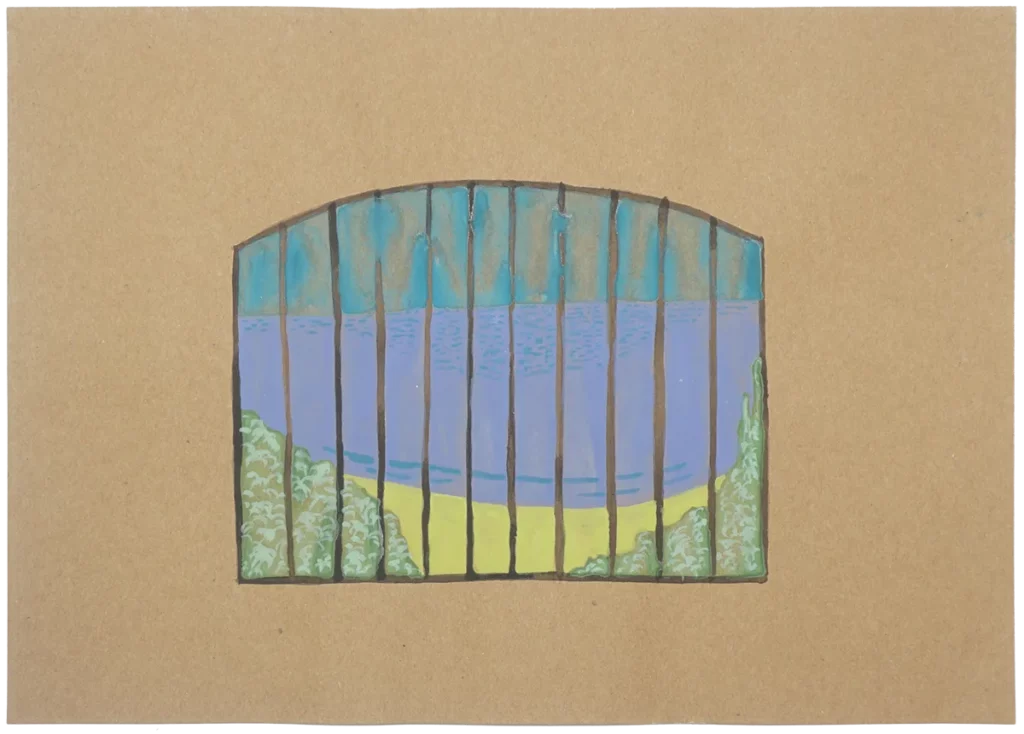
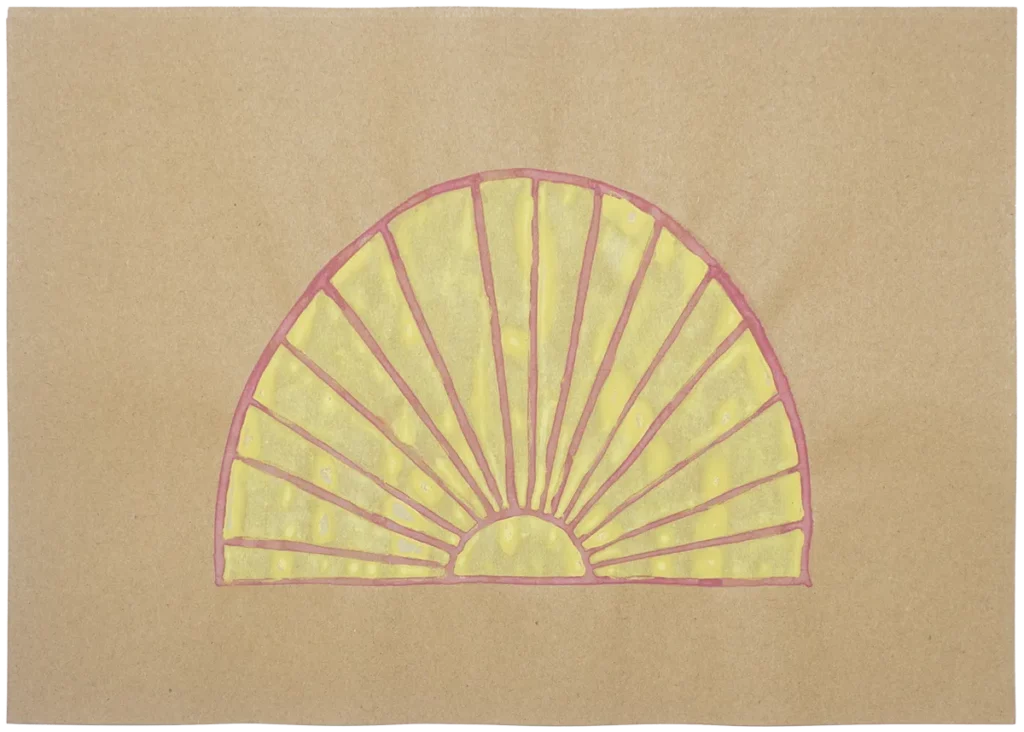
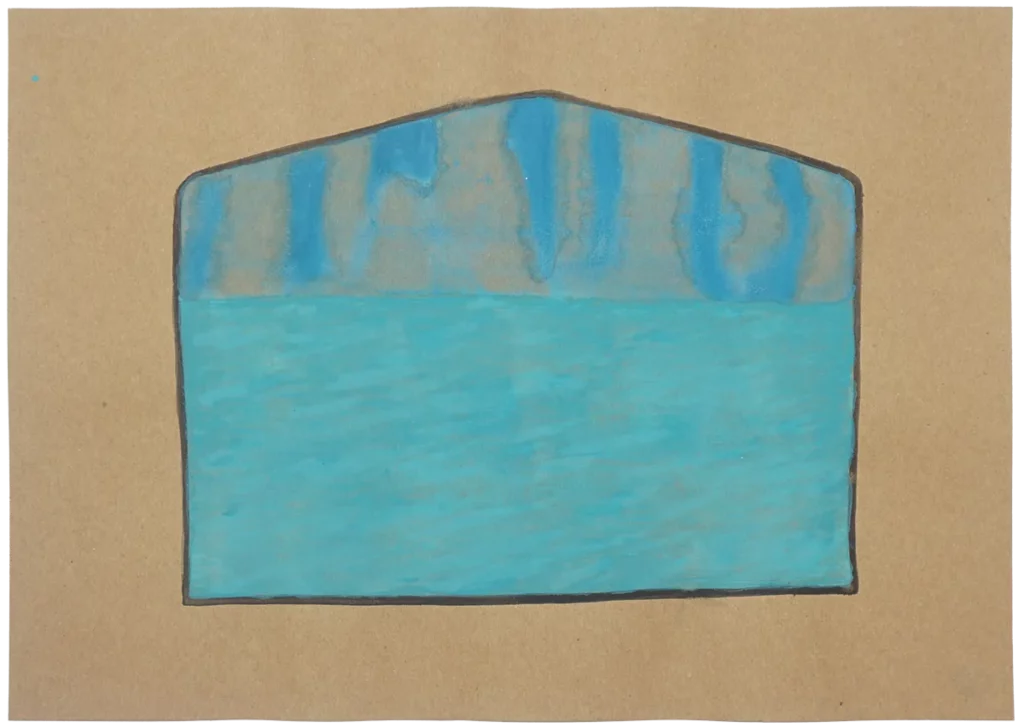
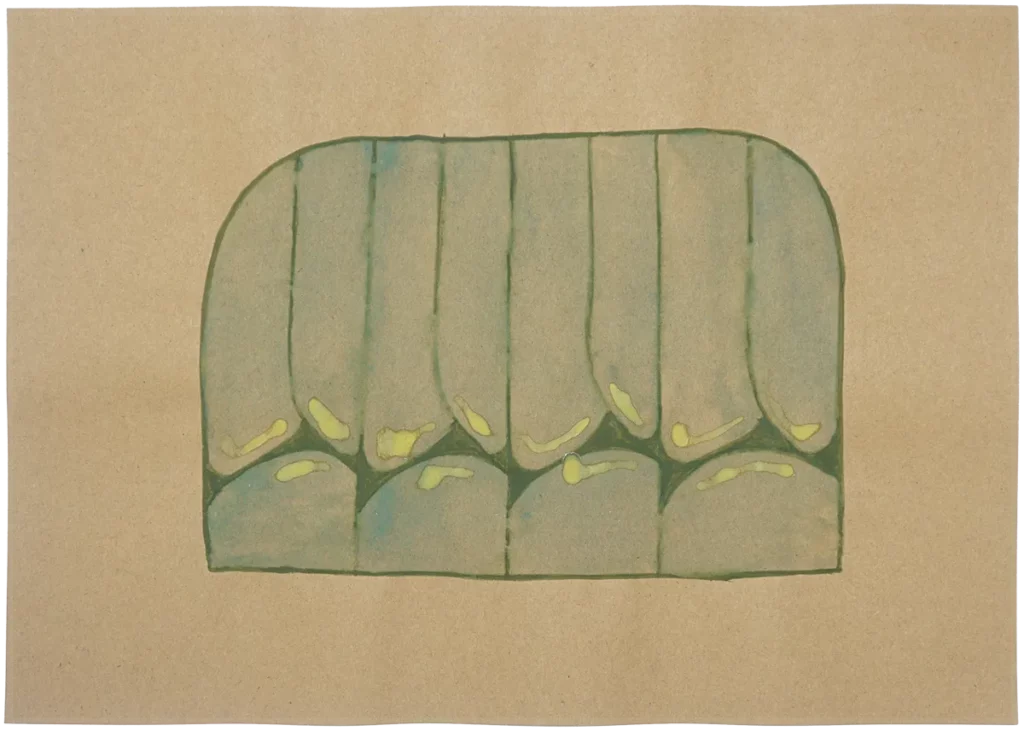
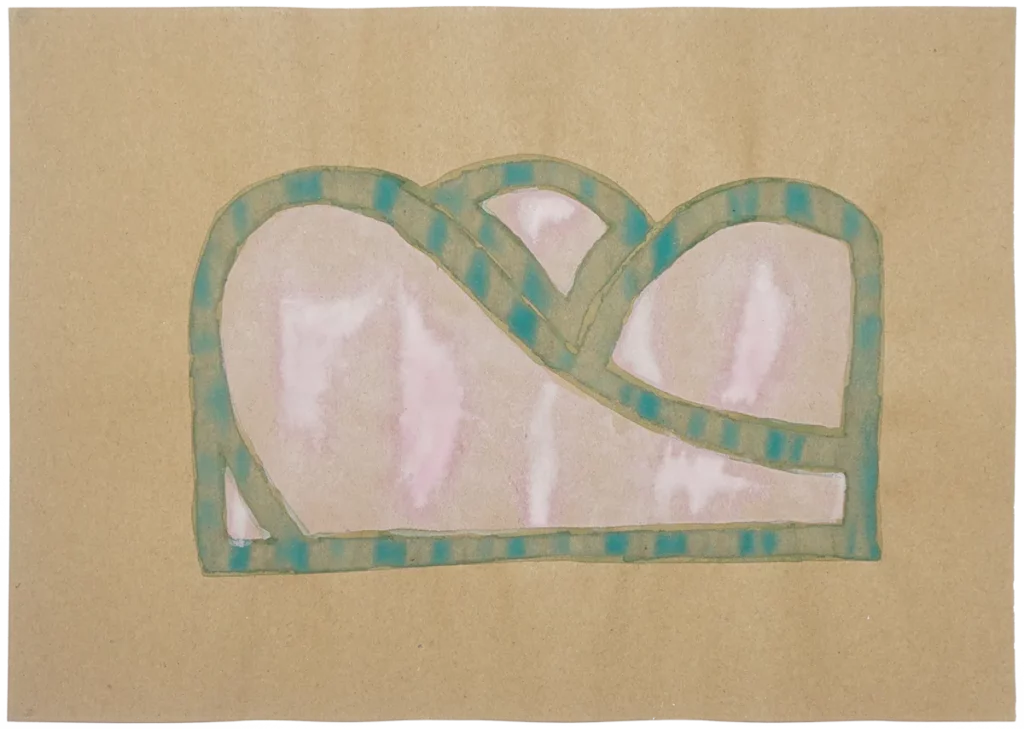
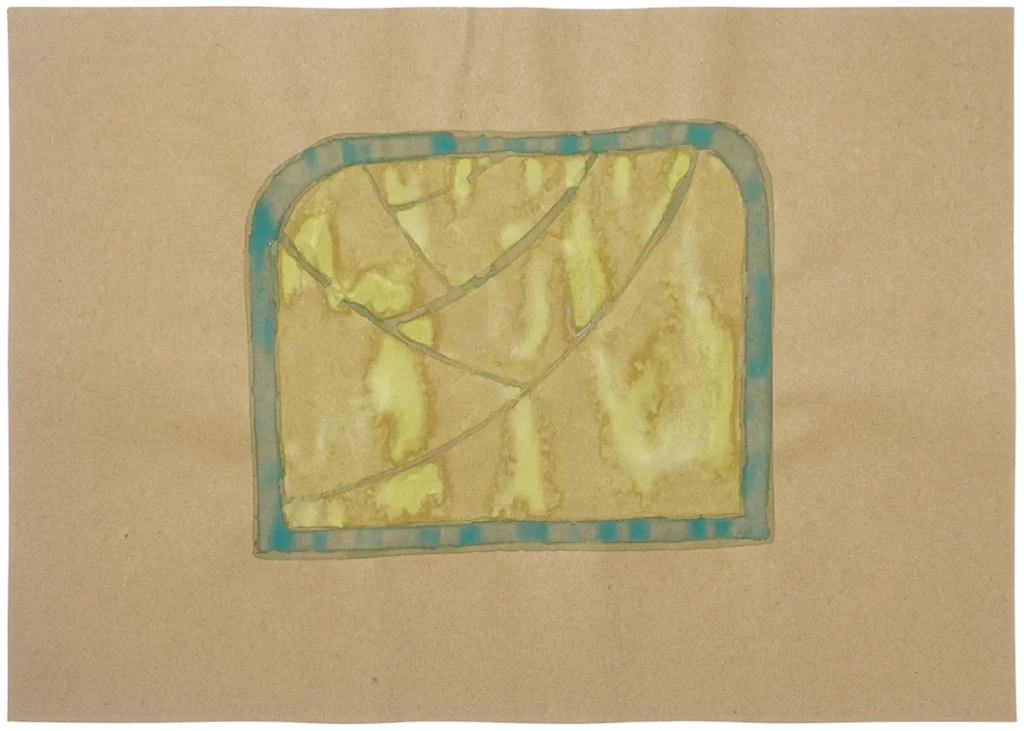
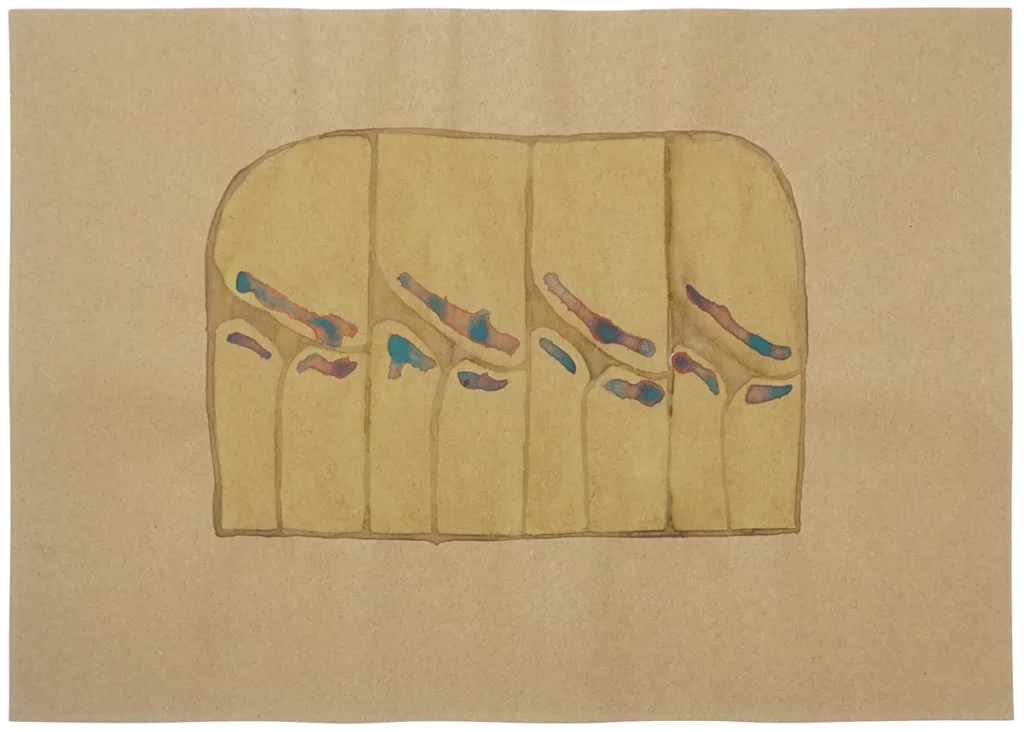
Fenêtres Brunes (x8)
2014
Watercolor on brown paper
29,7 × 21 cm
11.7 × 8.3 in
Insults (x8)
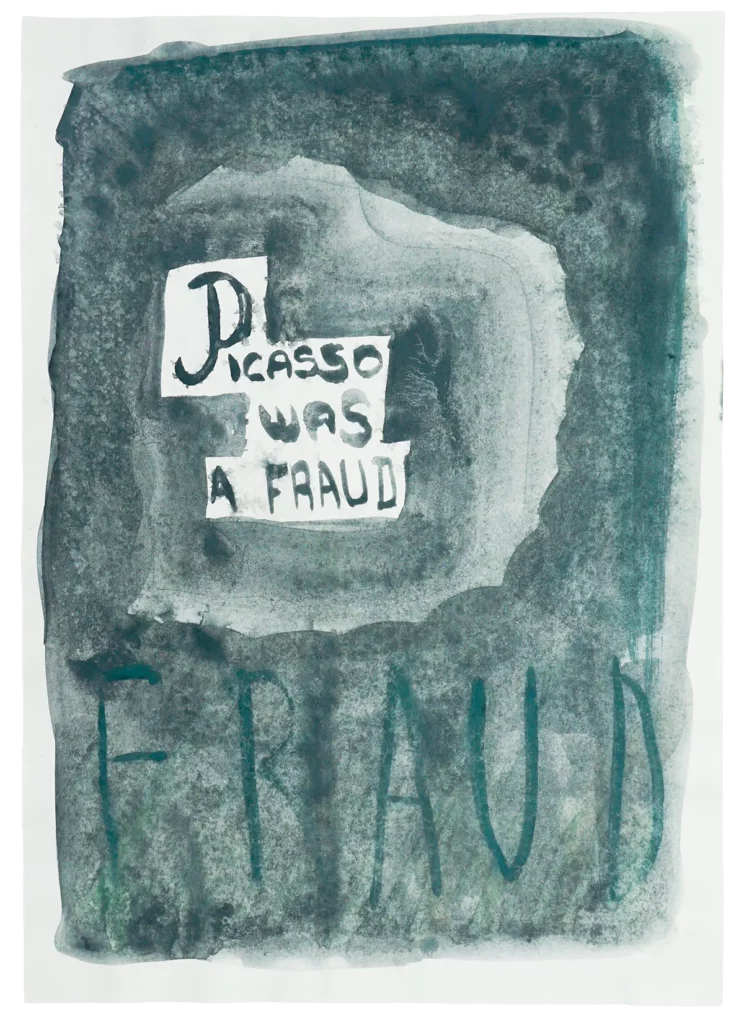
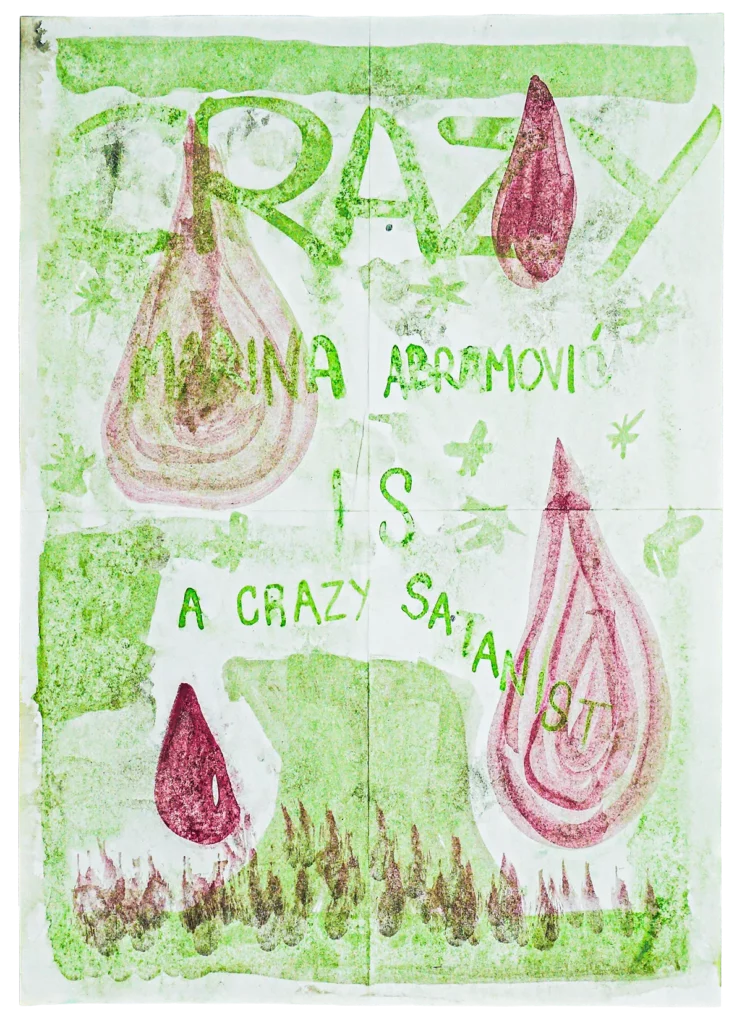
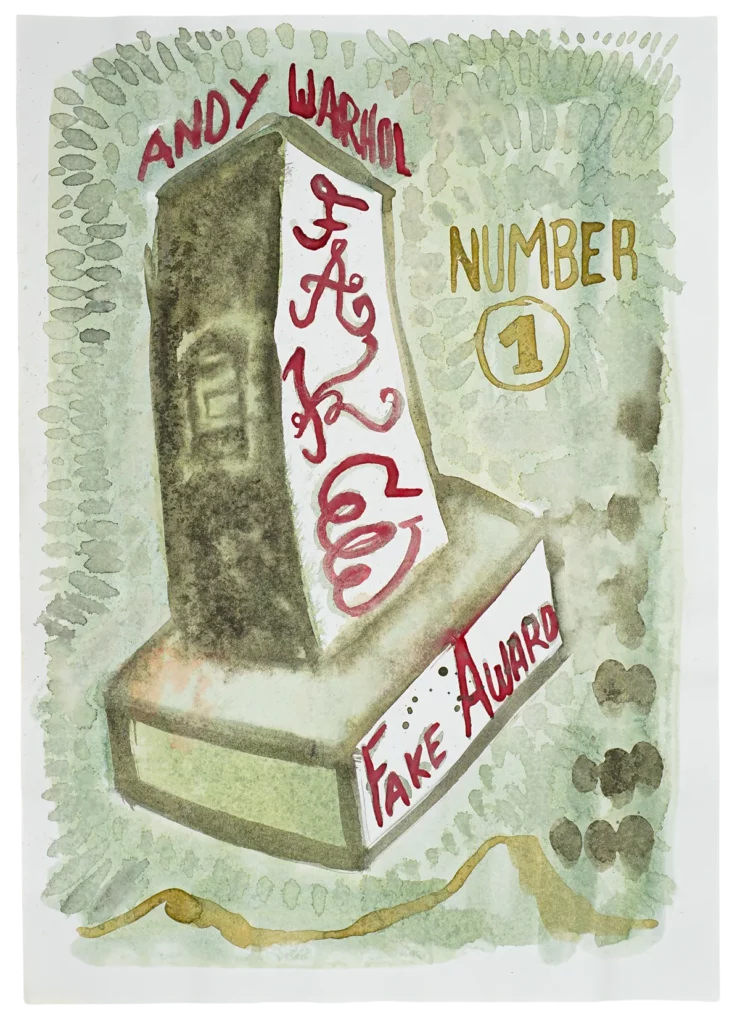
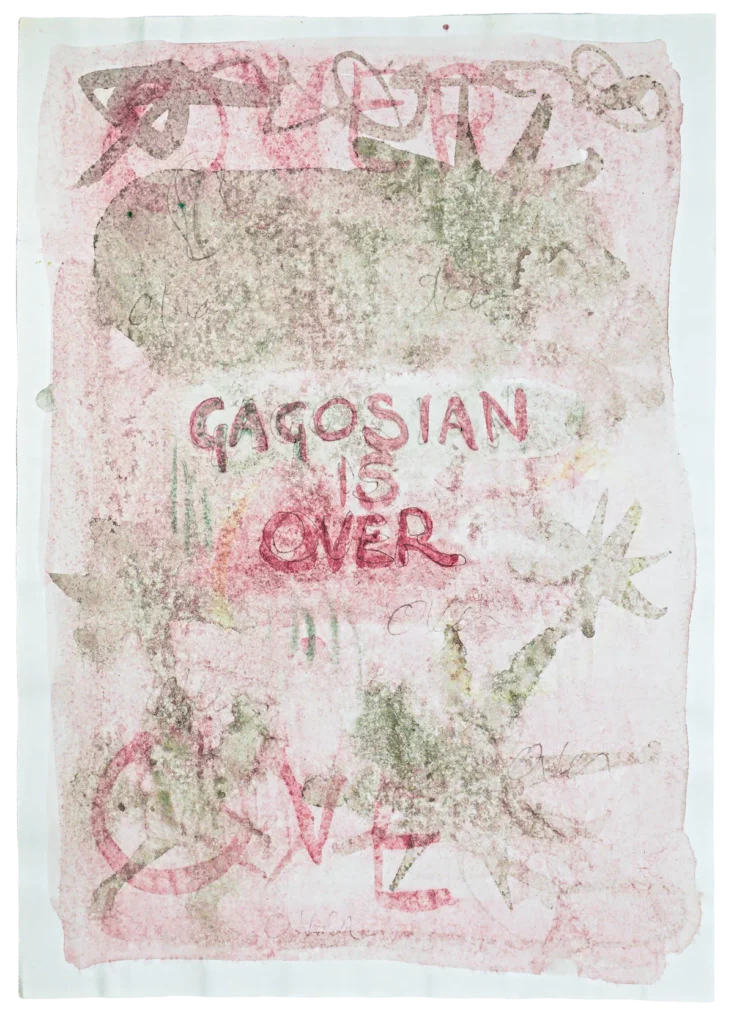
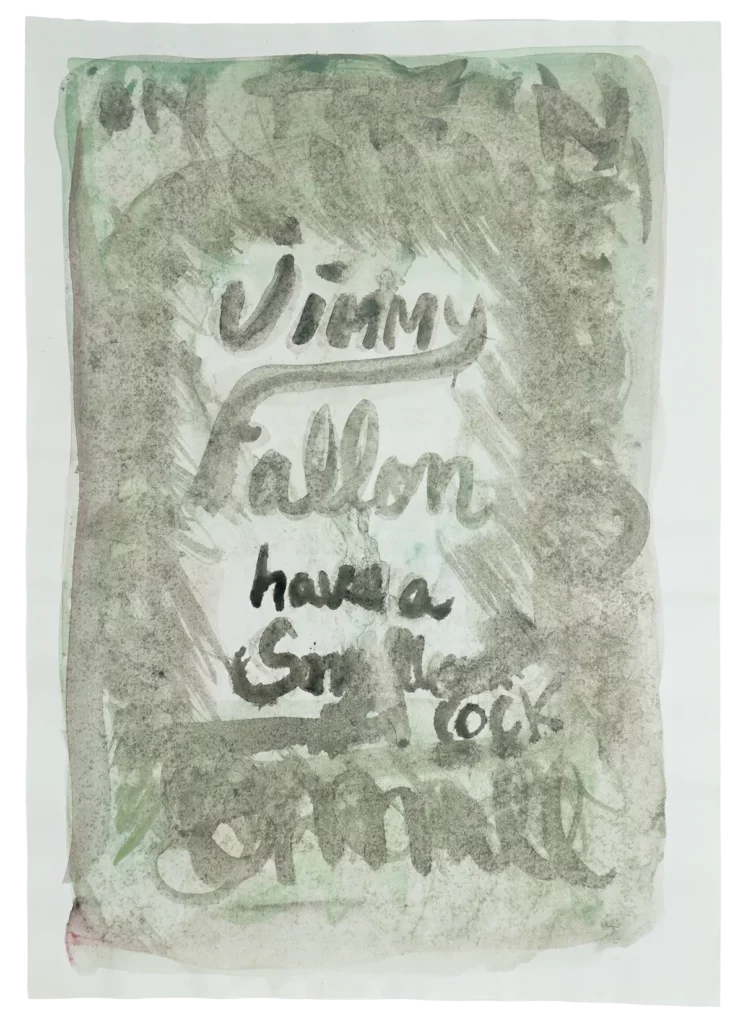
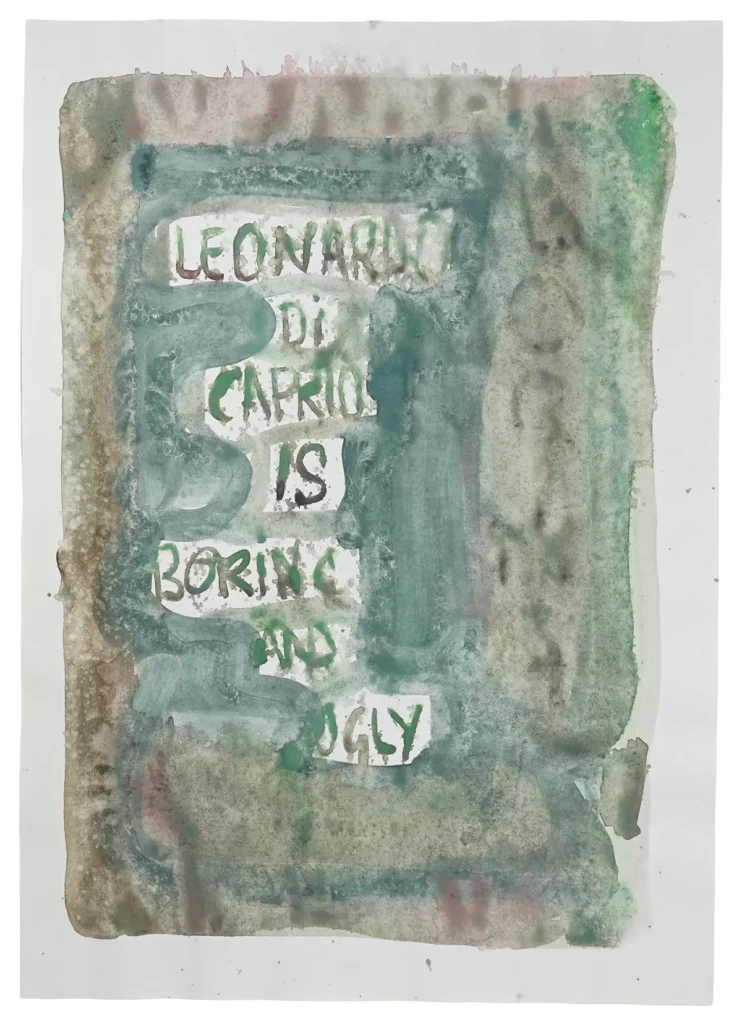
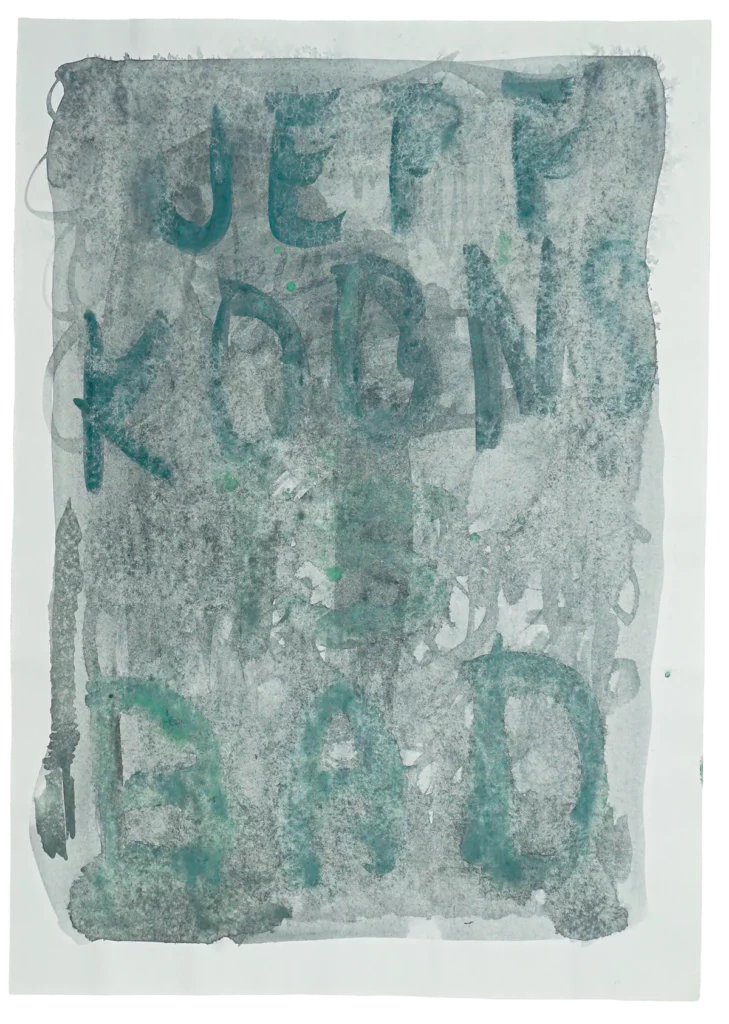
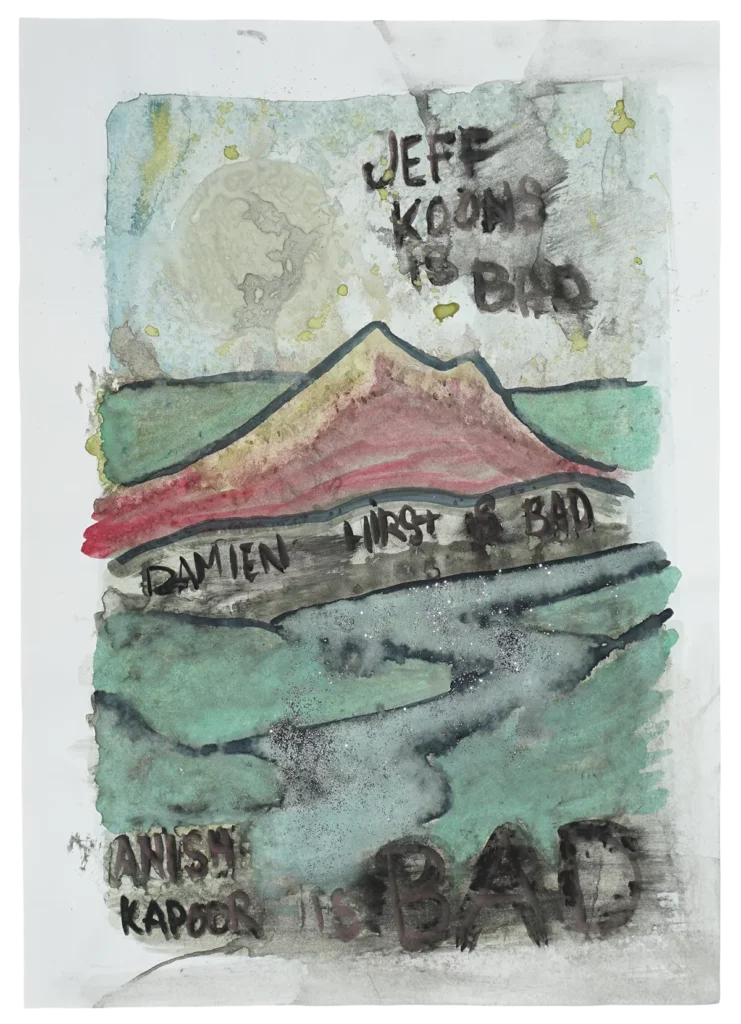
Insults (x8)
2014
Ink on paper
29,7 × 21 cm
11.7 × 8.3 inches
People & Politics
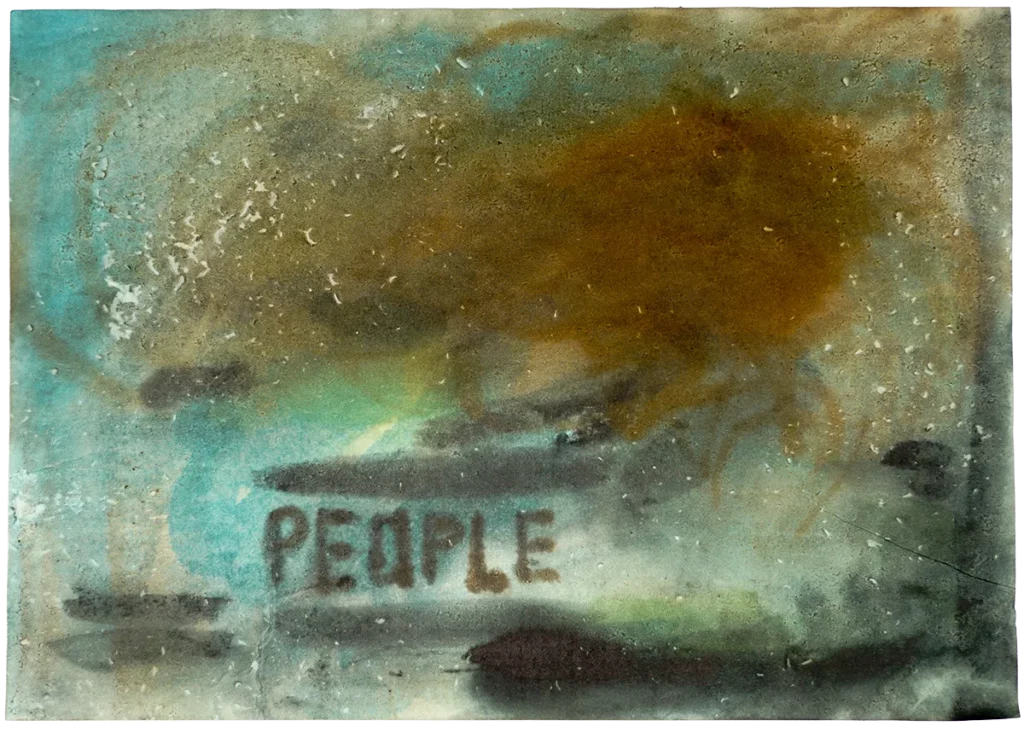
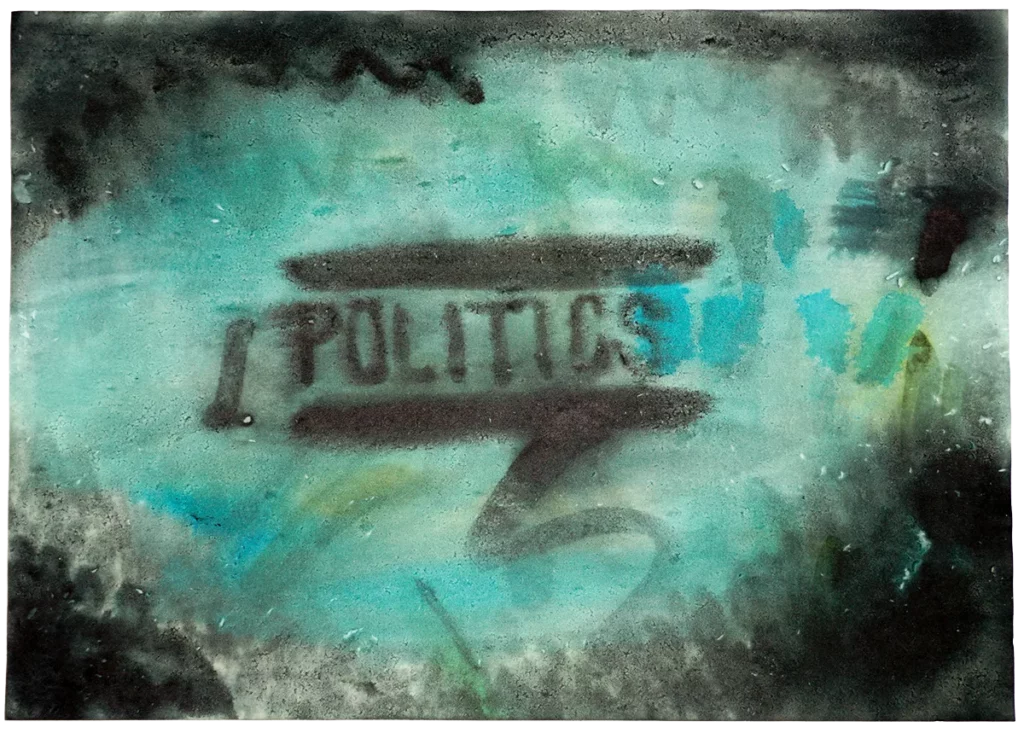
People & Politics
2014
Ink on paper
29,7 × 21 cm
11.7 × 8.3 inches
Dating, 1 & 2
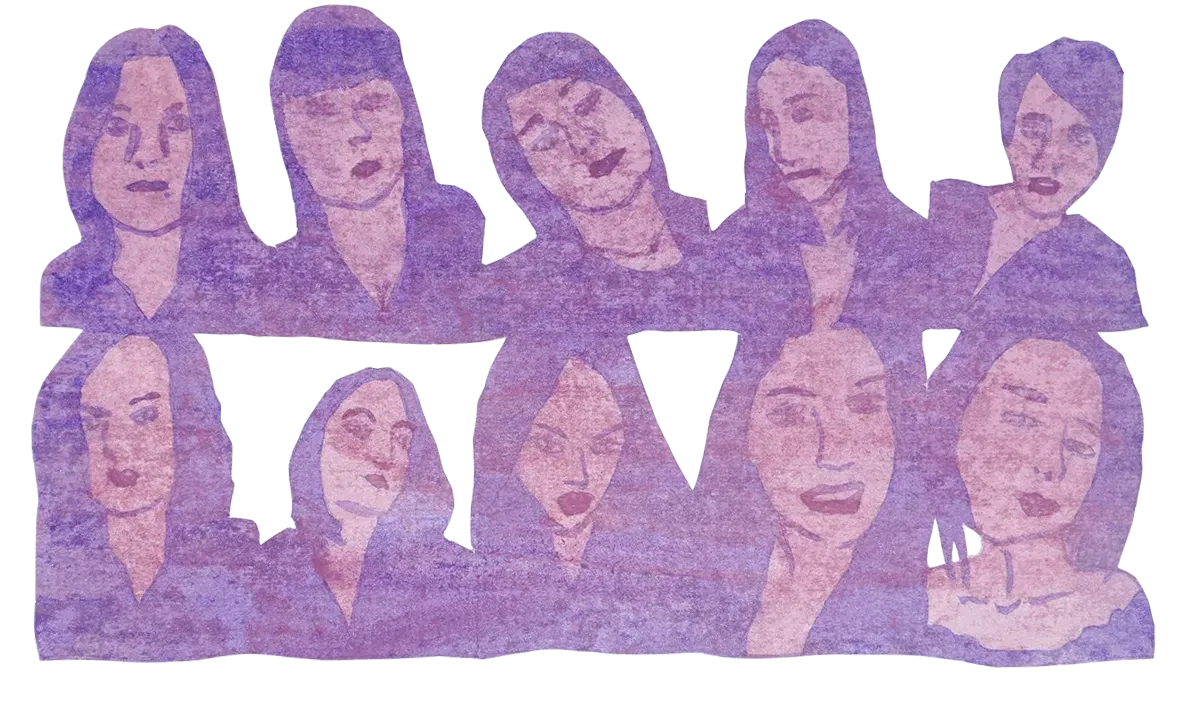
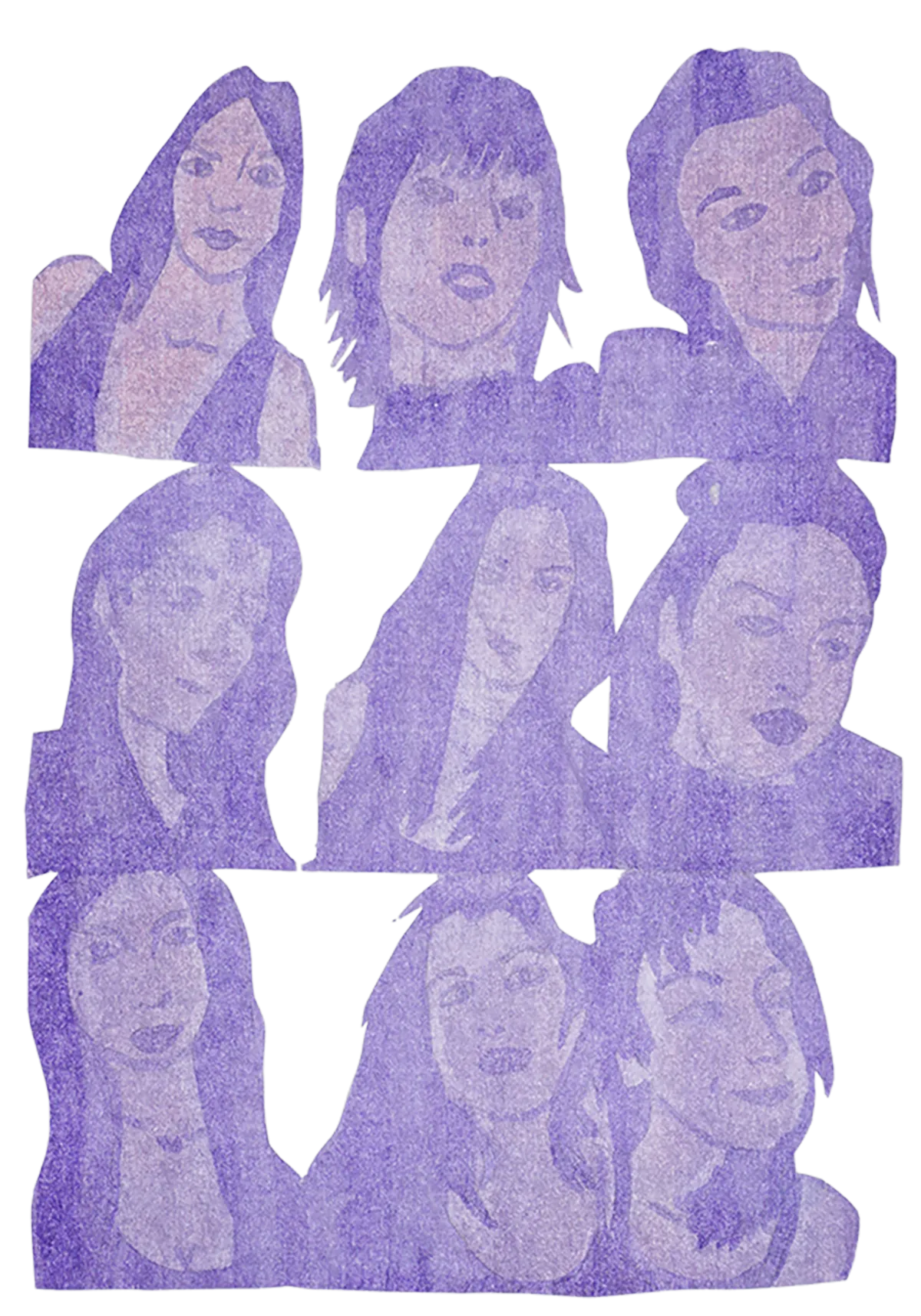
Dating, 1 & 2
2014
Ink on cut paper
29,7 × 21 cm
11.7 × 8.3 inches
2012
Joie Seule
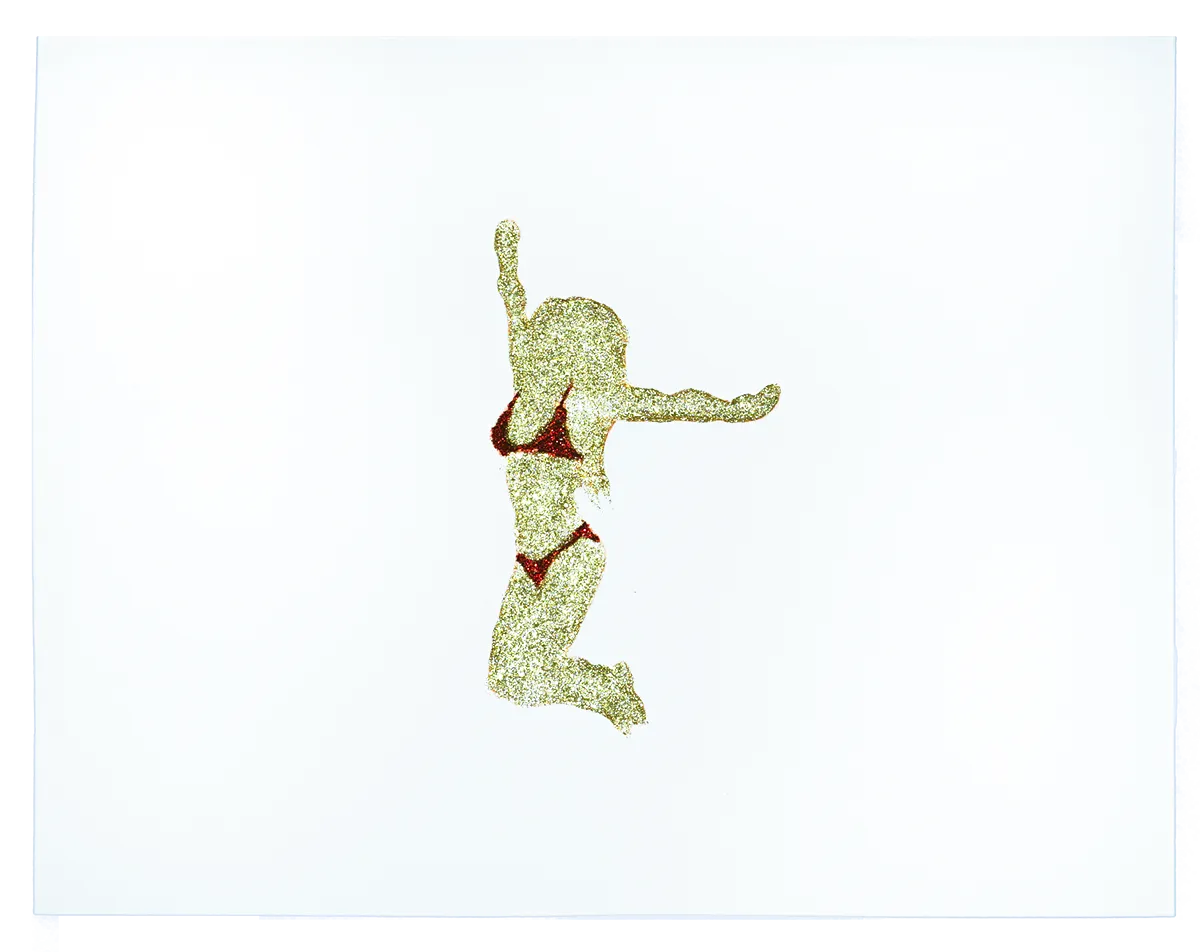
Joie Seule
2012
Glitter on paper
29,7 × 23 cm
11.7 × 9.1 in
Joie
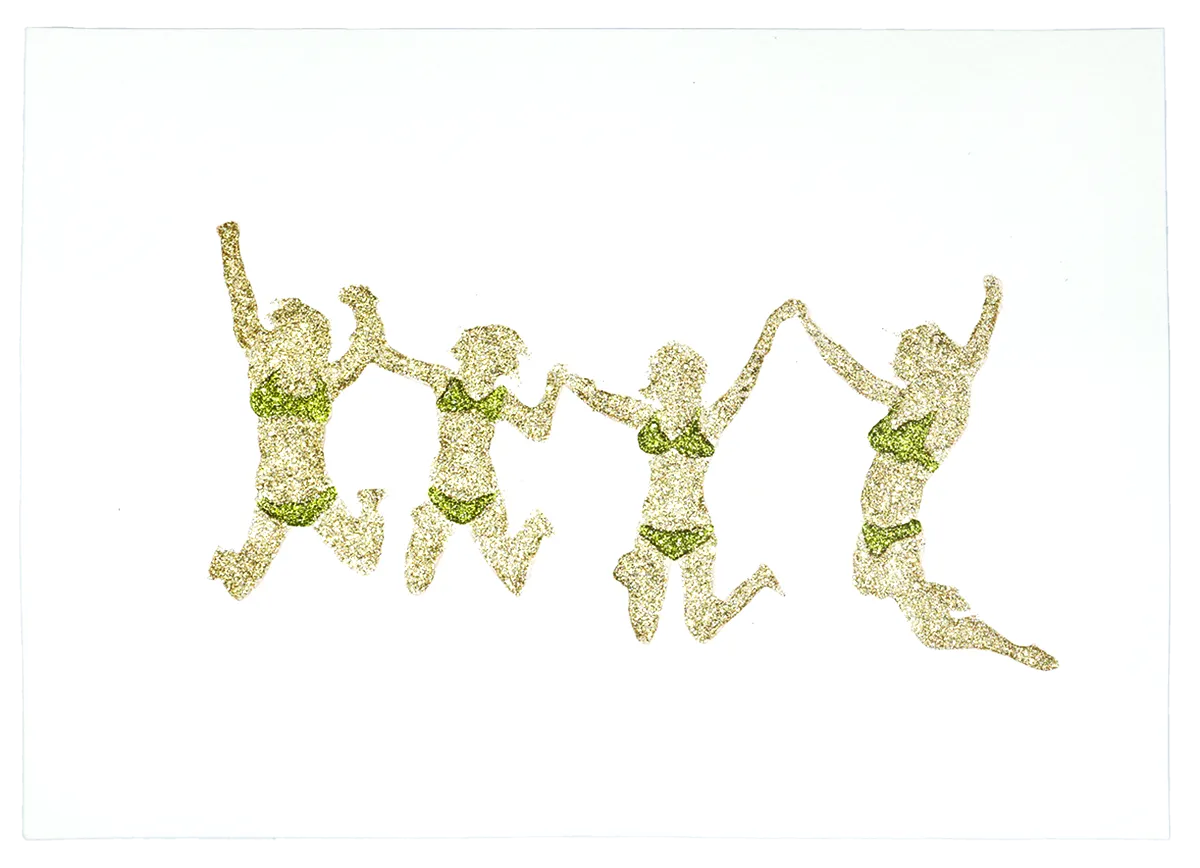
Joie
2012
Glitter on paper
23 × 32,5 cm
9.1 × 12.8 inc
2011
Spires
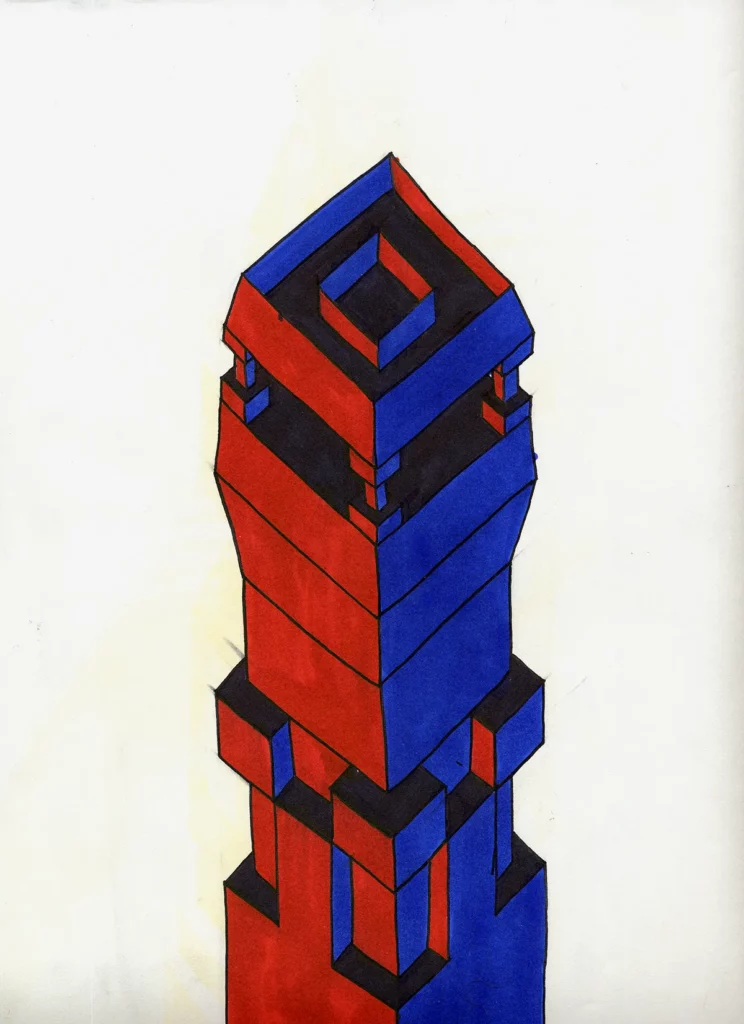
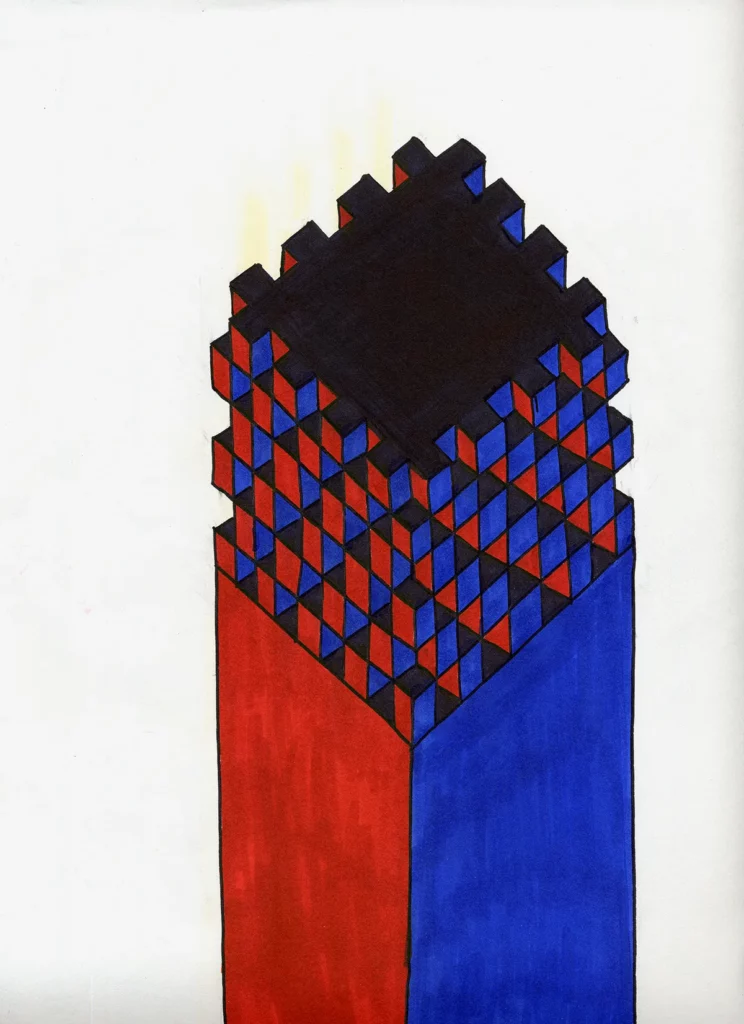
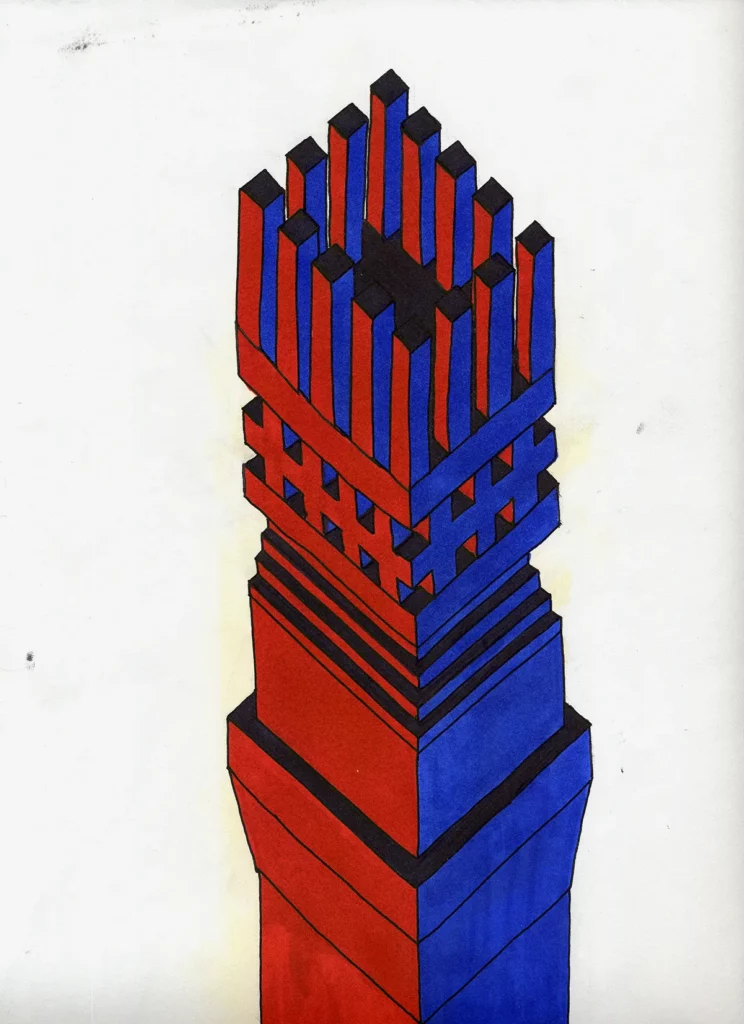
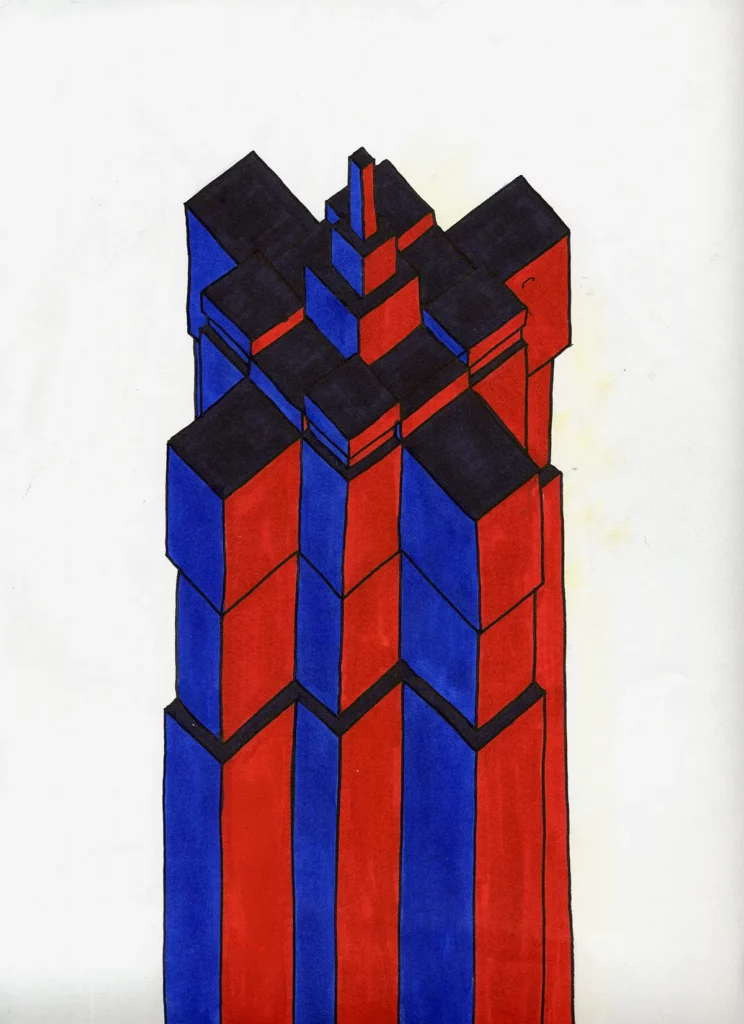
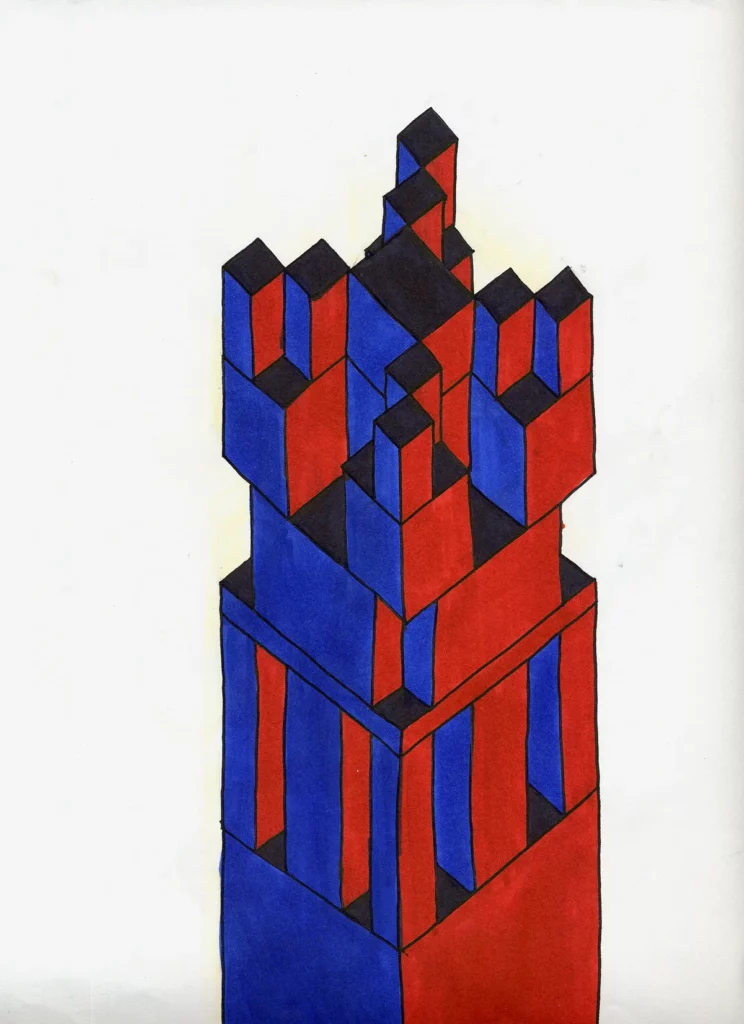
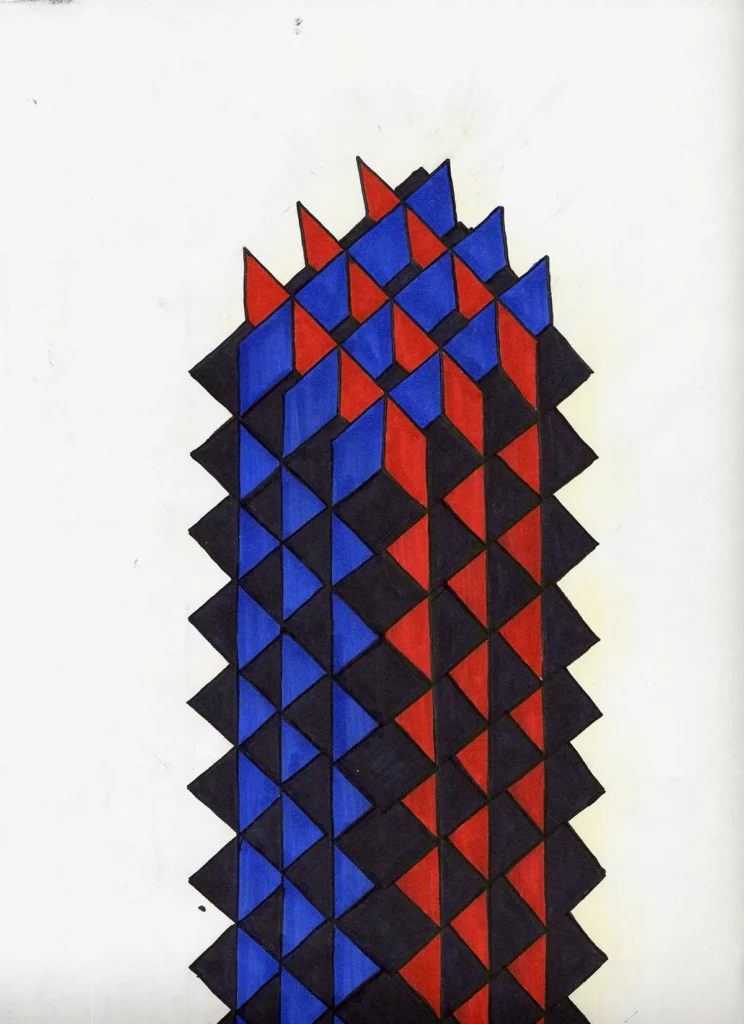
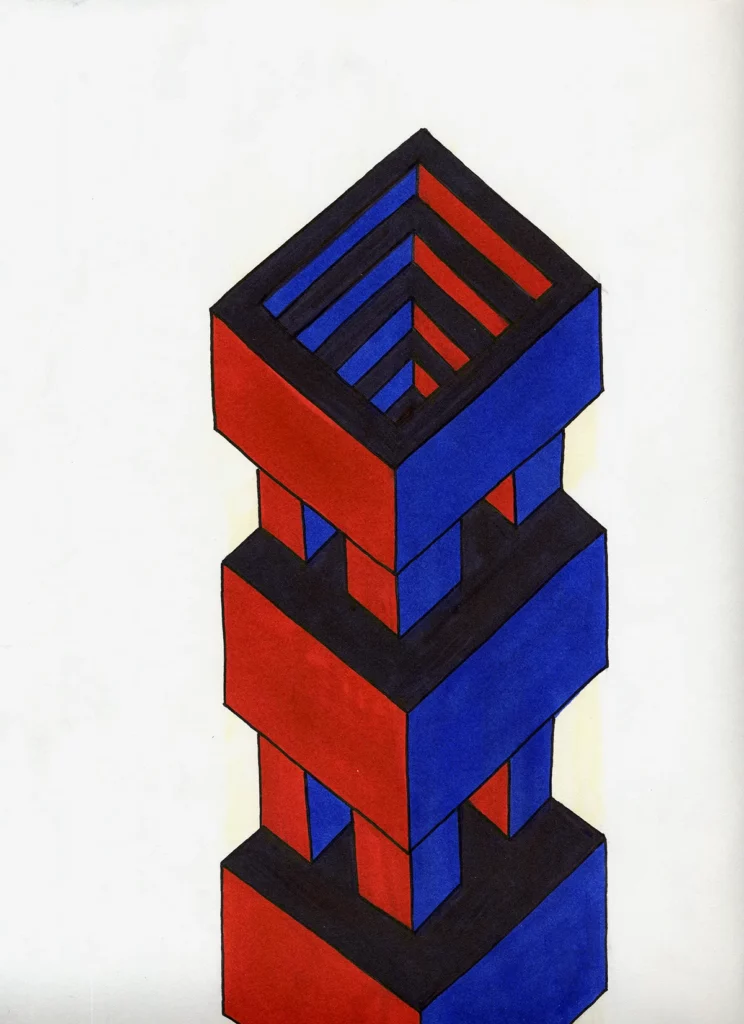
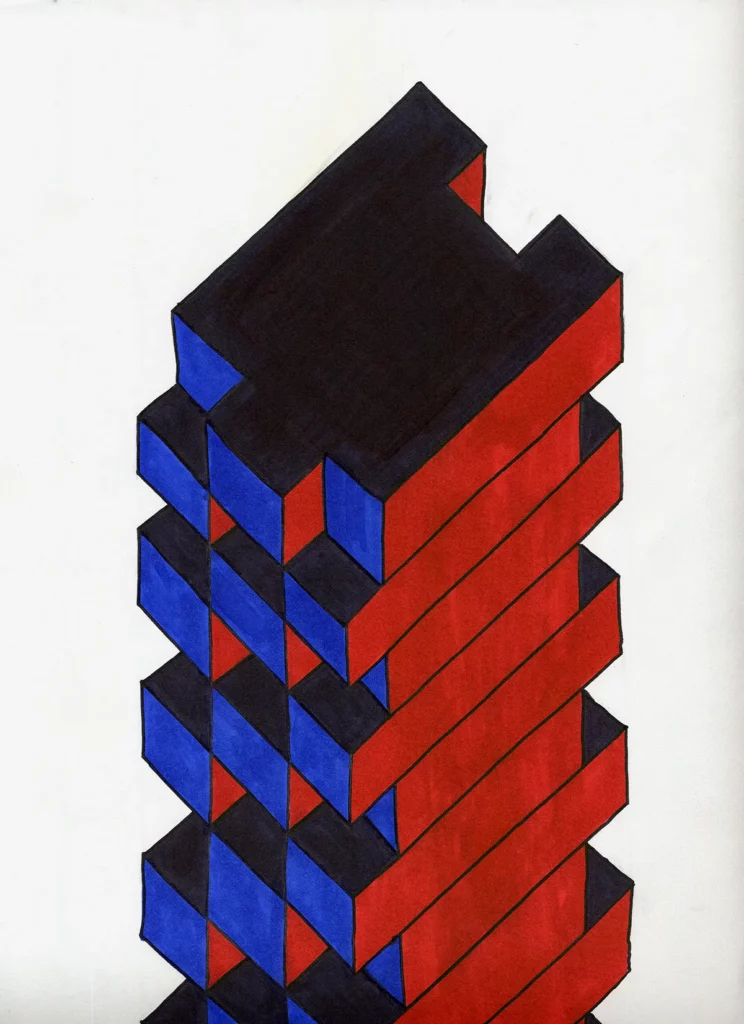
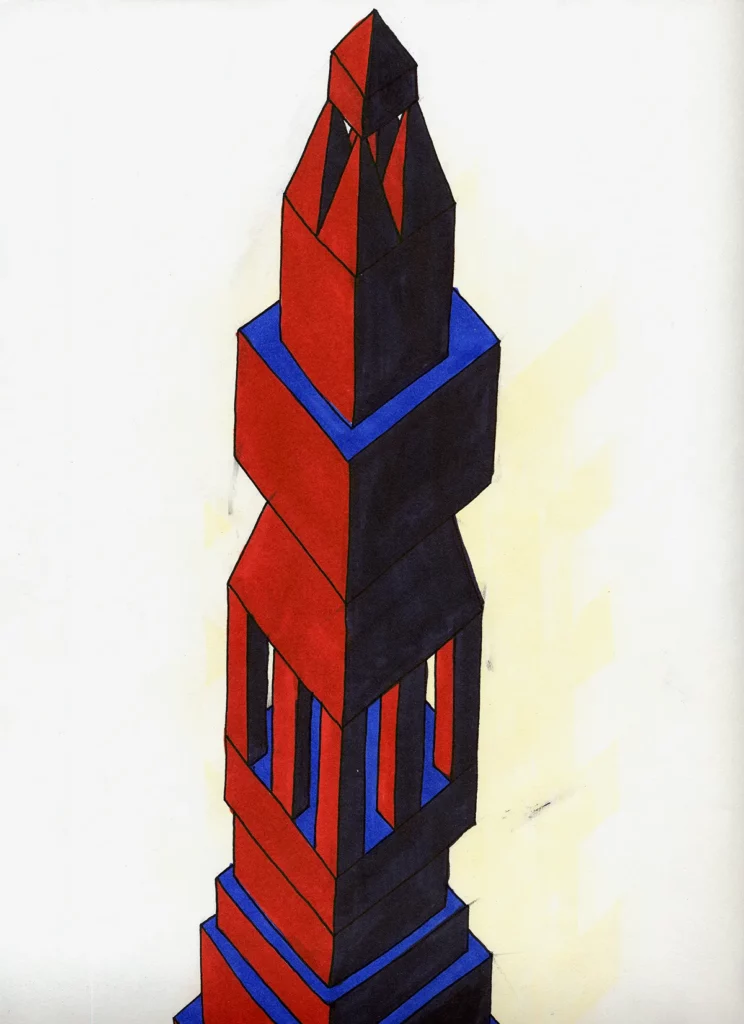
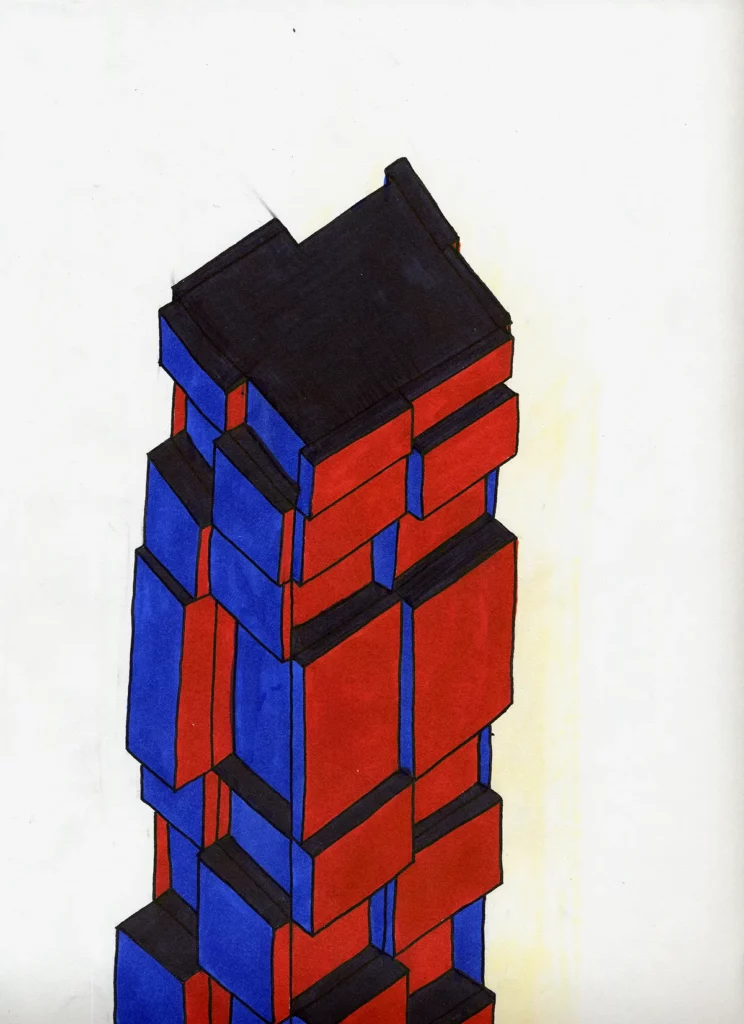
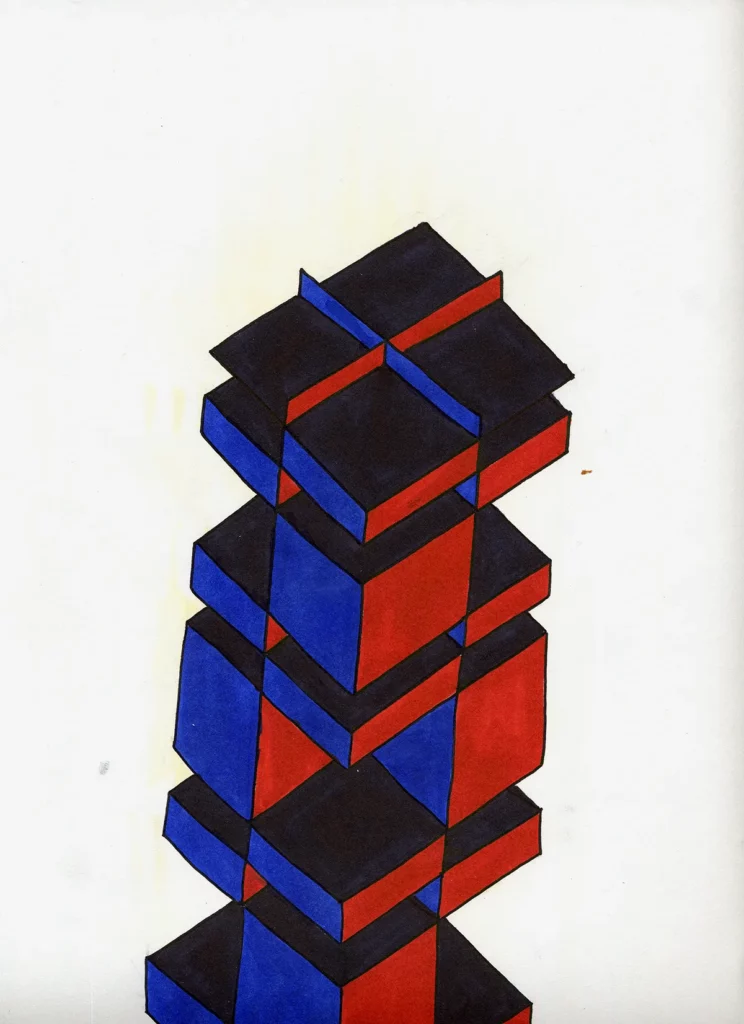
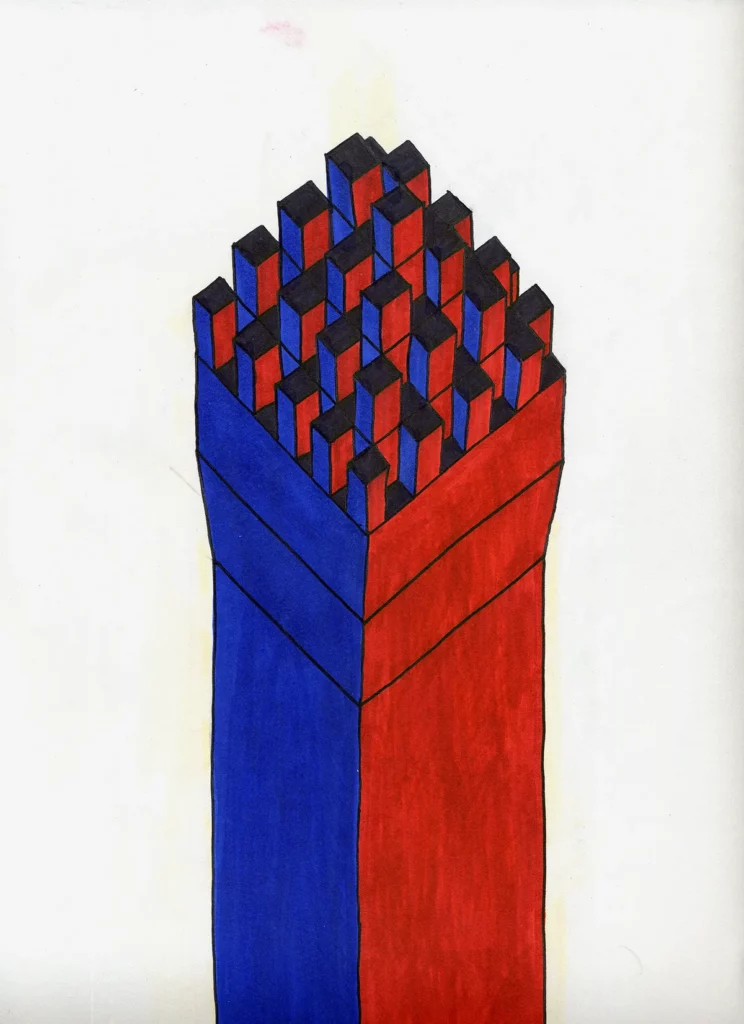
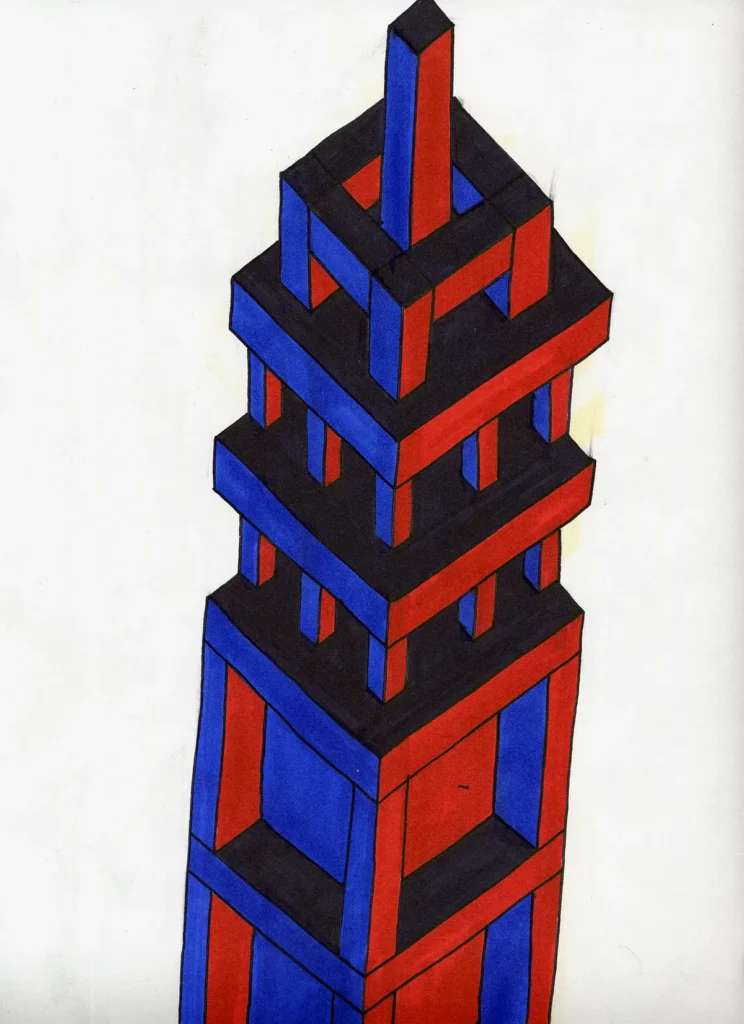
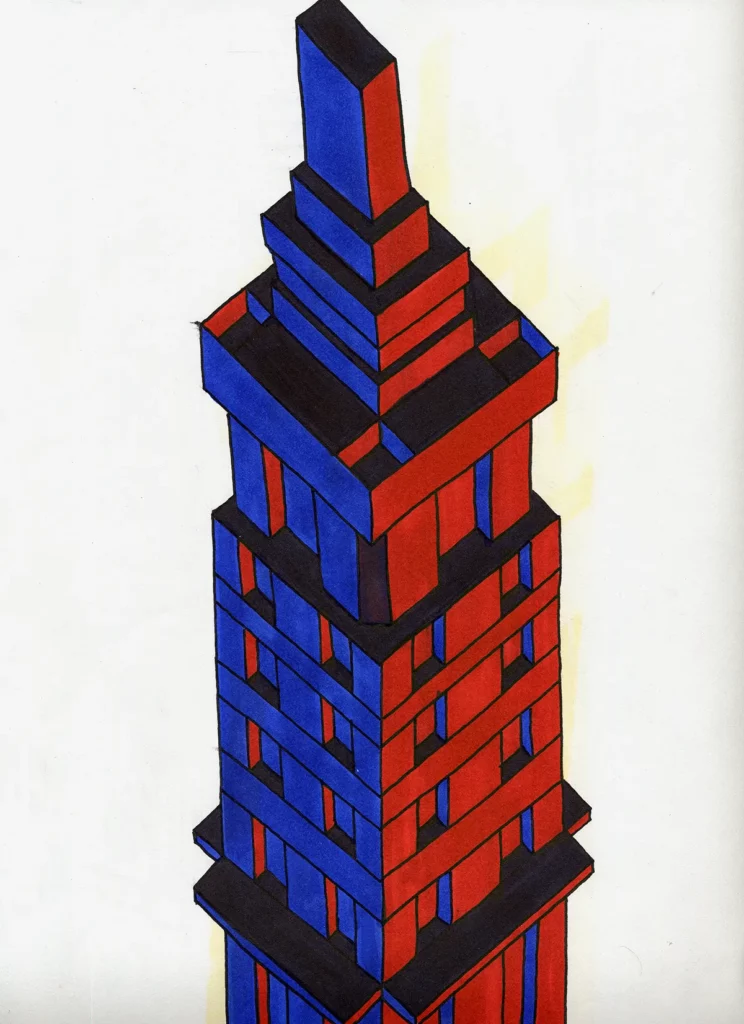
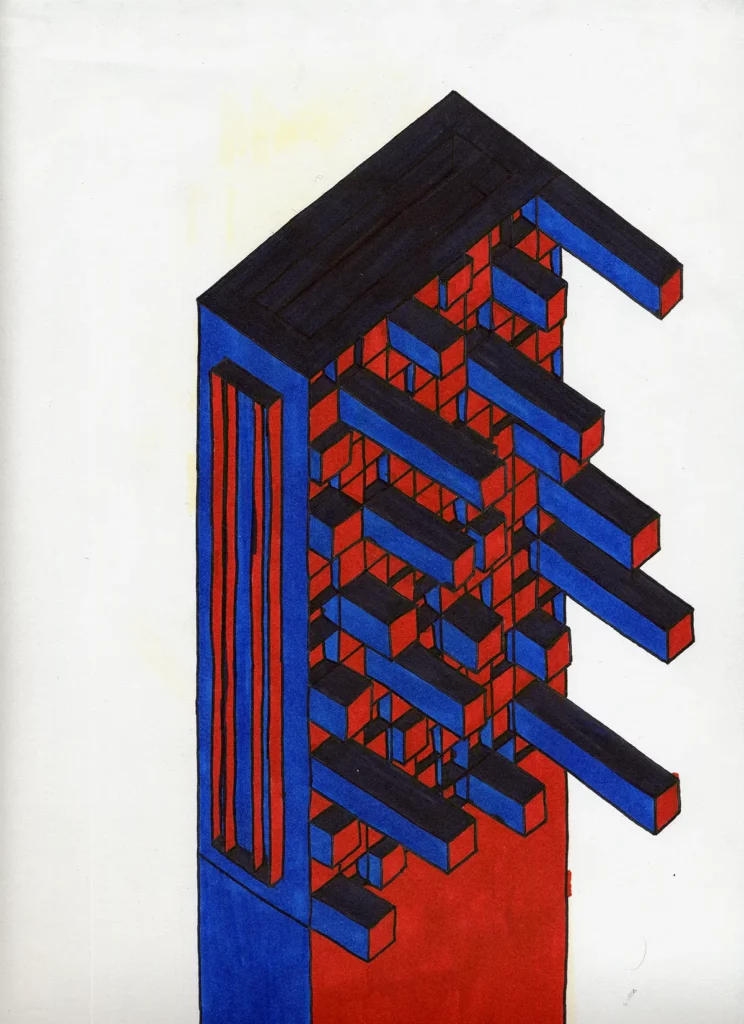
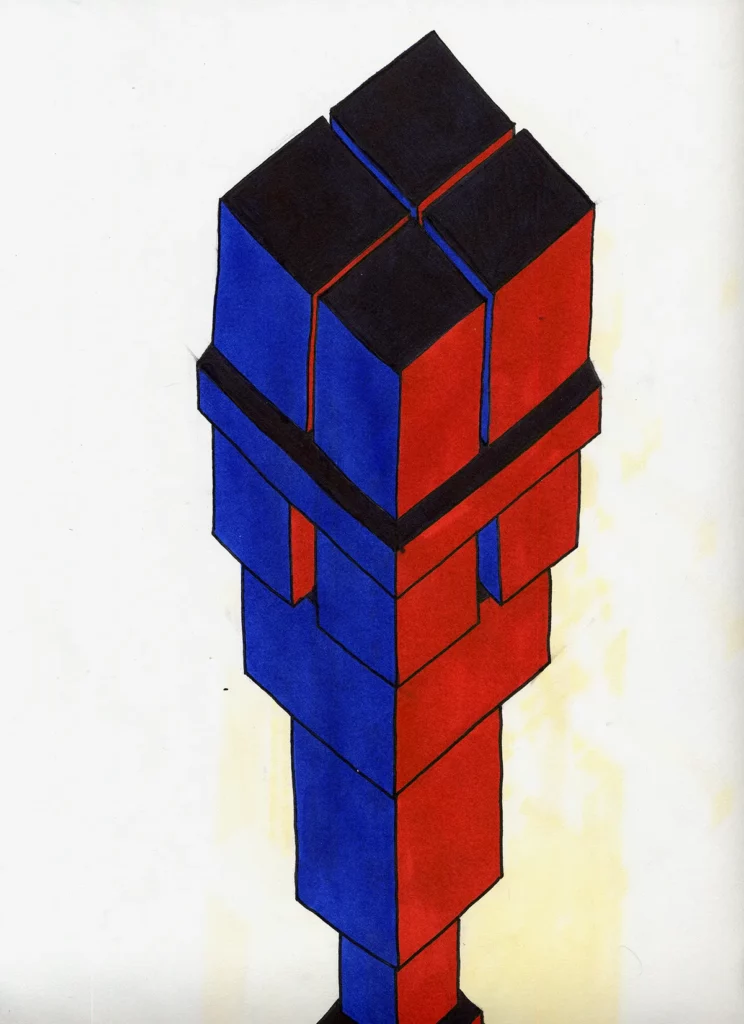
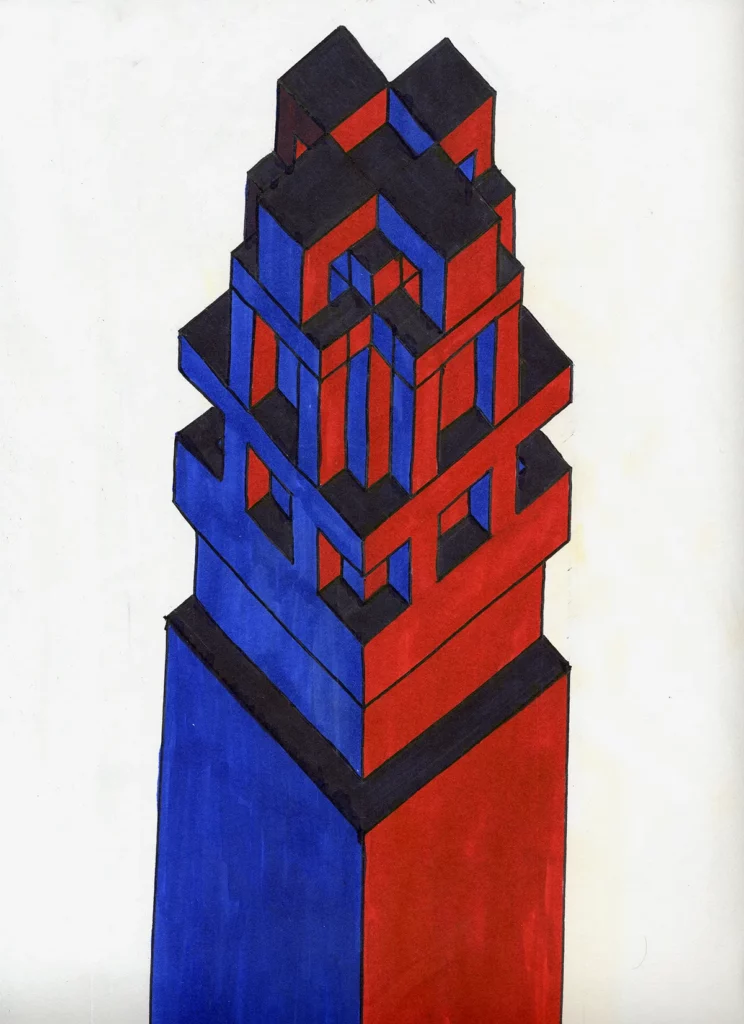
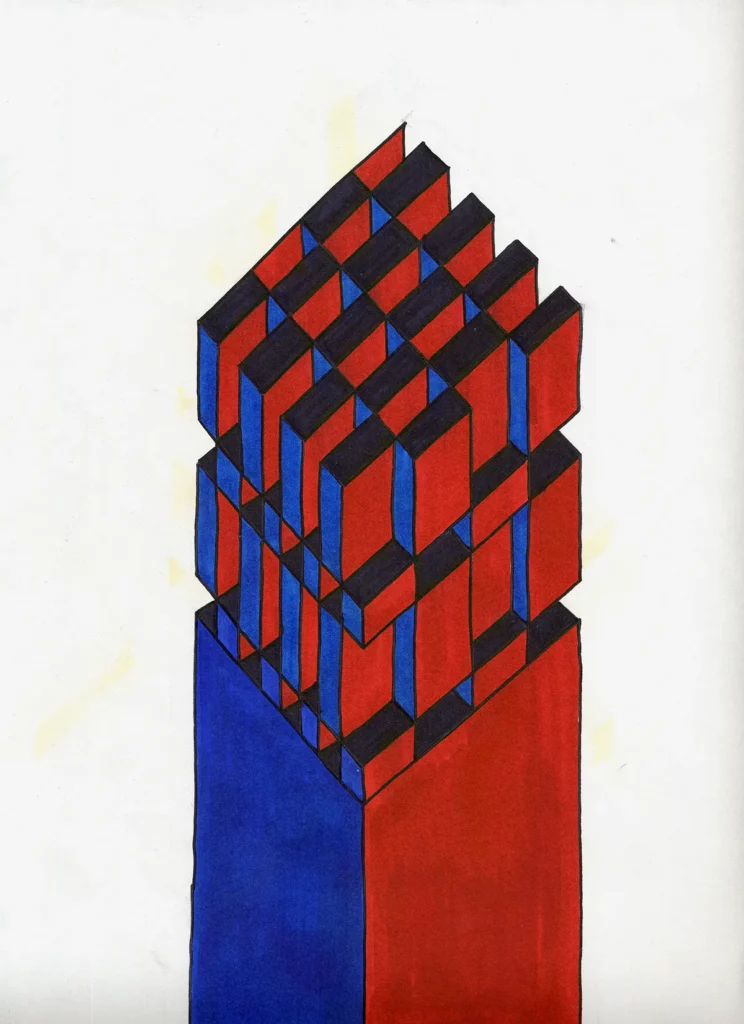
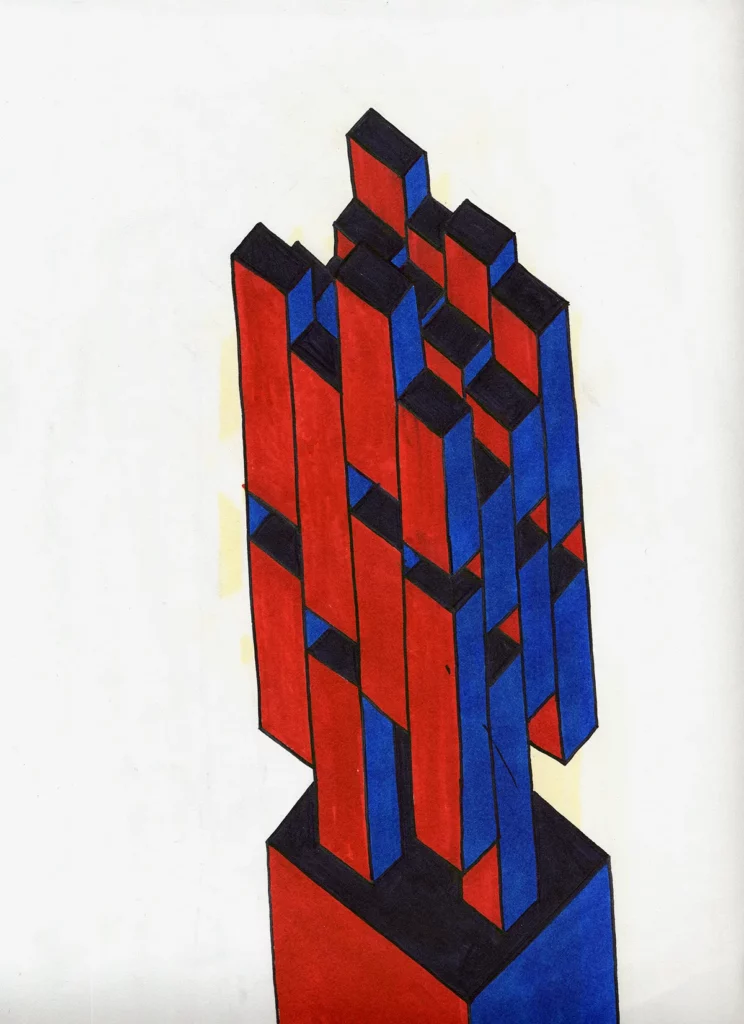
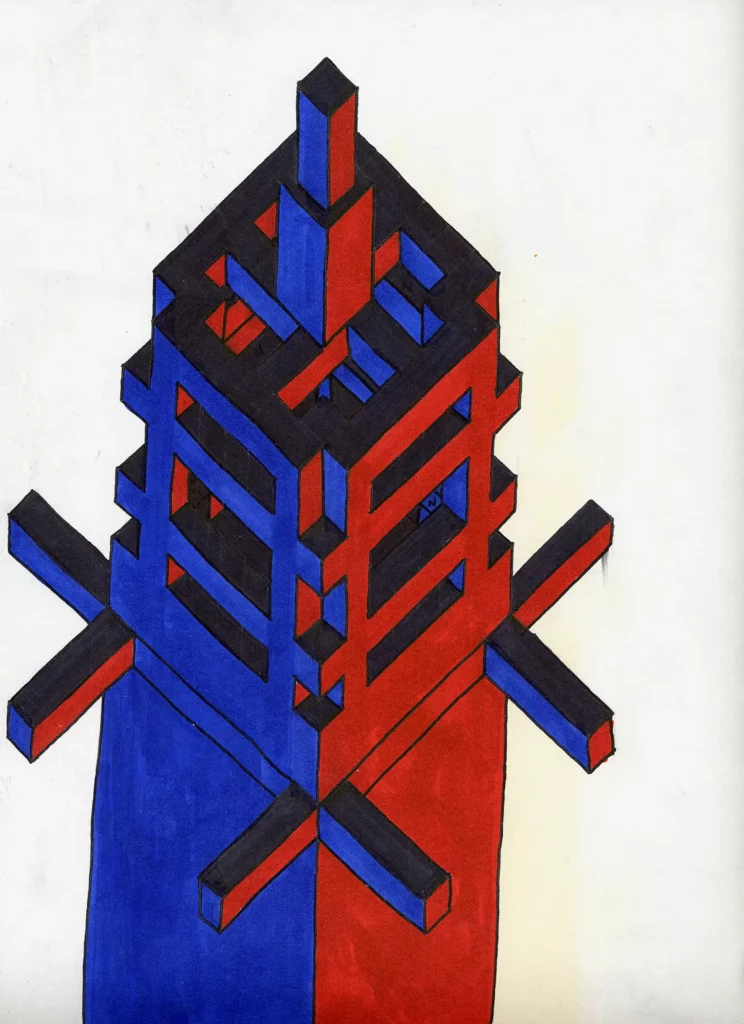
Spires
2011
Ink on paper
32 x 24 cm
12.5 × 9.5 in
performances
(2005 – 2012)
Too many images
A few anonymous, motionless bodies, a lamp, a white room, fifteen minutes… Olivier Lecreux’s work is deliberately simple and stripped down; a drastic focus on a limited number of elements, a harsh and ascetic grammar that reveals a universe oscillating between tragedy, gravity, and the burlesque. With intentionally limited means, he creates images (his performances) that are as excessive in their subject matter as in their dynamics.
Like the Baroque artists, we are relentless image-makers; yet secretly, we are iconoclasts. Ultimately, we are faced with a paradox: we produce images in which there is nothing to see. Building on this observation, and considering that there are already too many images in the world, he proposes performances aimed at “doing more than the image itself,” at bringing the viewer inside the image. He seeks to capture both the real and what blocks access to it. His work lies between the constructed image and the experience that is in the process of creating it. He stages the bodies of others—bodies that, by nature, are the site onto which all imaginaries are projected. The body as a readable surface of a system of signs and sensations.
“They keep admiring themselves, and that’s all.”
Journey to the End of the Night, Céline
Like a sculptor of living matter, he positions his performers, instructing them to stand silently without communicating with the audience. But this “crowd” of performers, however consenting, is it not still manipulable? By placing himself in the position of a despot, he observes a society in which each individual seeks to avoid thinking and prefers ready-made ideas always available at hand. A society where no one stands up against the imposture of those in power or the ever-increasing hold of law over passion and enthusiasm.
During the performance Papoux, four figures move around a microphone stand under harsh lighting. None stops, none steps into the light, none takes the floor…
Olivier Lecreux cannot oppose an environment that contains him; he attempts instead to master it and thus enables the construction of representations grounded in a realistic understanding of the possibilities and impossibilities inscribed in that reality. His response is a form of symbolic counter-violence against the “inert violence” of economic, political, and media powers.
His work is traversed by multiple references; it operates through layers of superimposition: contemporary events, personal history, and that of his performers. In Rires, the triumph of reality TV and sitcoms as a generalised anaesthetising and stupefying principle becomes the object of interrogation, while the ironic power of the performance Moustiques draws its foundation and effectiveness from a dispositif that produces its effect beyond immediate references.
Lecreux’s art assumes an awareness of average (standardised, consensual) behavioural states, from which the postures of his “extras” are derived. Cailloux stages seven performers throwing stones at a wall, but without conviction. In this comfortable world, who can or wants to stand up and throw stones at the face of the world? Revolt? Rebellion? An acculturated gesture of intifada?
The pose
Through these performative setups, Olivier Lecreux creates a space that respects and activates perceptual movements in a more amplified way than in ordinary life.
He provides the viewer with a space in which to move, to decide whether or not to look at what is being presented. He also gives them time to do so. This shared working space also becomes a duration: a spatio-temporal frame for constituting the presence of his performers.
Couteaux stages two rows of performers facing each other, armed with knives. At the end of this corridor, two spotlights create an unsettling chiaroscuro. “Do I pass or do I not pass?” It is up to the viewer to decide whether to experience the situation or merely represent it mentally. This long, immobile movement ultimately leads to something deeply meaningful.
He alternates the predictable and the indefinite, the pleasure of anticipation—the scene unfolds slowly before our eyes, yet almost nothing happens—and that of closure—the performance lasts (only) fifteen minutes; that of strangeness (darkness, harsh lighting, threatening shadows) and that of recognition (his performers are dressed like everyone else).
Lecreux practices performance somewhat like a filmmaker: strong staging and strong emotional content. But his medium allows him to escape genre constraints, to explore fragments of fiction outside narrative logic, and to construct a specific temporality and space.
He seems to appropriate cinematic codes (the knife: Hitchcock’s quintessential object) only to subtly destabilise them through excess (the number of performers neutralises the serial killer figure, who usually acts alone). Yet he is not engaged in a cinematic approach. Rather, he seeks to measure the body in relation to its own space. In the video La Collection (summer 2003), he films women from his balcony, unseen. He frames their bodies within their own movement. He attempts to capture an “objective gait,” a form of objective subjectivity where things are as little influenced as possible, almost untouched.
Unlike cinema, which requires heavy mechanical and technical means to produce an image, performance is simple, economical, and direct. Lecreux develops a project whose reality would fail in a large-scale form and which can only unfold in intimacy.
The disturbance
He adopts codes without claiming to destroy them, but rather disrupts them. He mimics the gestures of the exhibition visitor (Exposer-poser). He engages a certain mode of perception in order to shift it toward ambiguity, equivocation, and imbalance.
Bataillon traps the human within what it most often looks at: twenty-five performers stand within a white frame, the frame of the painting, of art itself. He summons ready-made images and gives them a second-degree beauty in which the original image is neither negated nor preserved, but destabilised (Gym: a mixture of gymnastic movements and gestures such as the Nazi salute, Christ on the cross…).
The instability of signs produces disturbance: no stable reference remains. For Lecreux, it is a matter of opposing equivocal truths to the arrogance of normative systems and dominant thinking. No unilateralism.
He does not hesitate to make signs of submission or alienation appear in his performances (groups performing identical gestures, automatic laughter, closed faces, prostration), but destabilises them in turn as soon as they risk becoming fixed, through irony or derision.
Opposed to all emphasis, his themes oscillate between tragedy, gravity, and the burlesque. He casts a disenchanted gaze on the world, seeing a crowd resigned to enslavement as long as it can contemplate its own condition with an aesthetic gaze. His art is to be found neither in strategies of combat nor in cynical acceptance of the spectacle’s logic, but rather in a way of generating shifts, slippages, and uncertainties.
Bertrand Charles
commissions
Height performances were created between 2006 and 2012 in art centres in France and abroad.
Blondes and Brunettes Glory Holes, 2011 & 2012
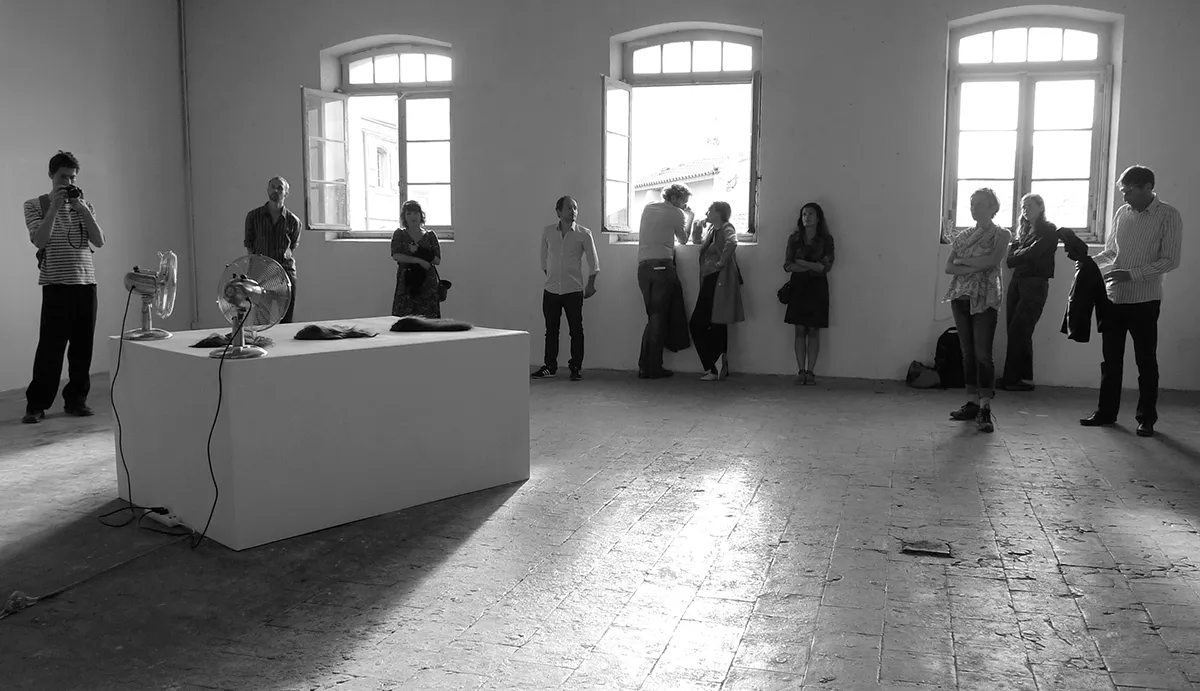
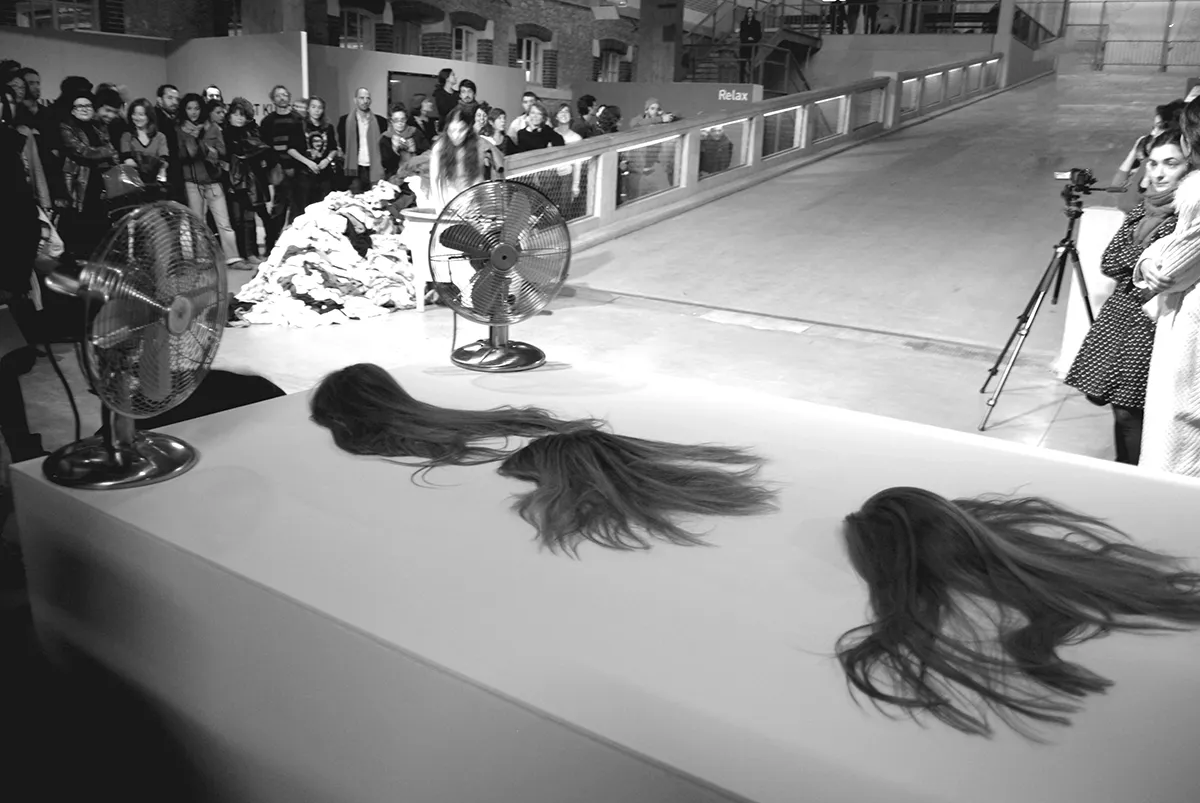
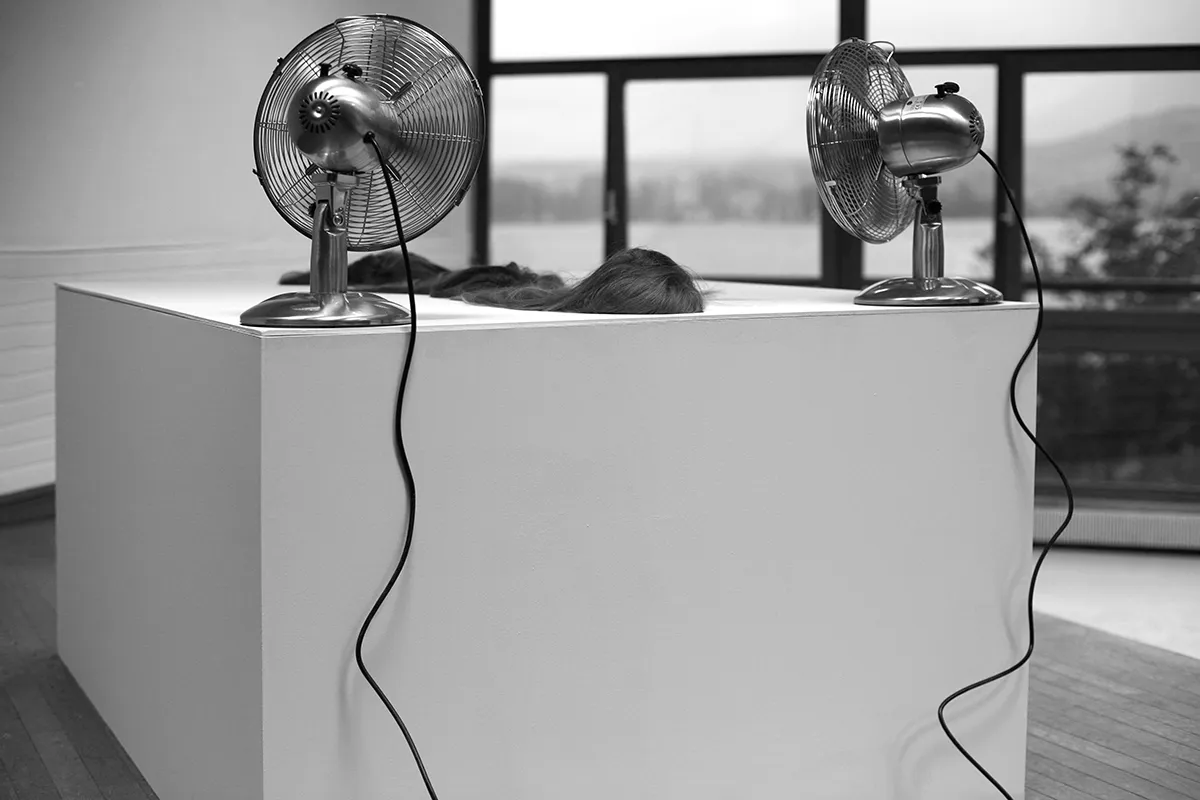
Once the audience has entered the room, I appear with three women, each with the same hair colour. I lead them into a wooden box whose upper surface is removable. On this surface, there are three openings through which they place their heads. I cover and spread their hair across the surface, then activate two fans that gently make the hair vibrate.
The performance lasts 30 minutes. I then reopen the box, release the women, and we leave the space together.
The first presentation took place in Annecy, in summer 2011, during the Summer Lake residency at the École d’Art d’Annecy. (3)
The second took place at Le 104, in Paris, in winter 2011. (2)
The third, a brunette version, took place in Marseille, in June 2012. (1)
Trophies, 2009
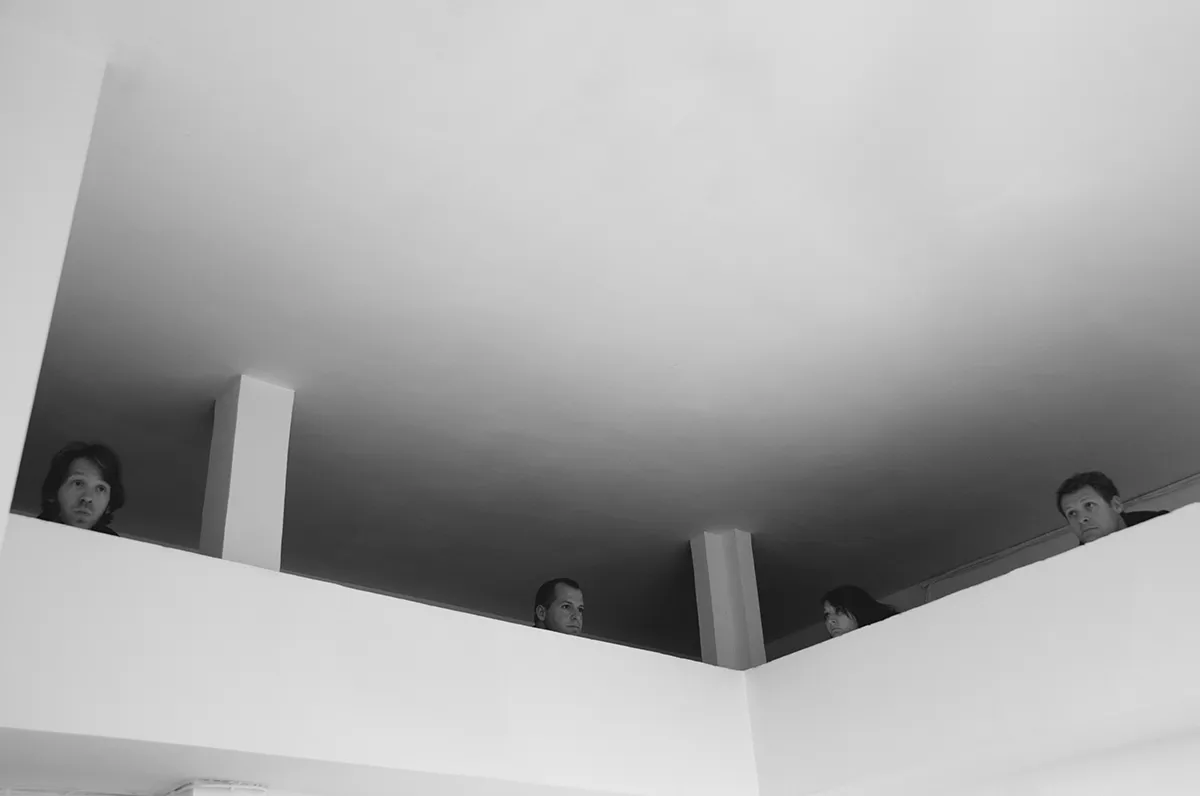
The performance took place in Brussels, in April 2012, during the exhibition Angle Mort. I placed four performers on a mezzanine overlooking a room. Only their faces were visible, while the rest of their bodies remained set back from view. The performance unfolded throughout the exhibition opening.
Pit, 2009
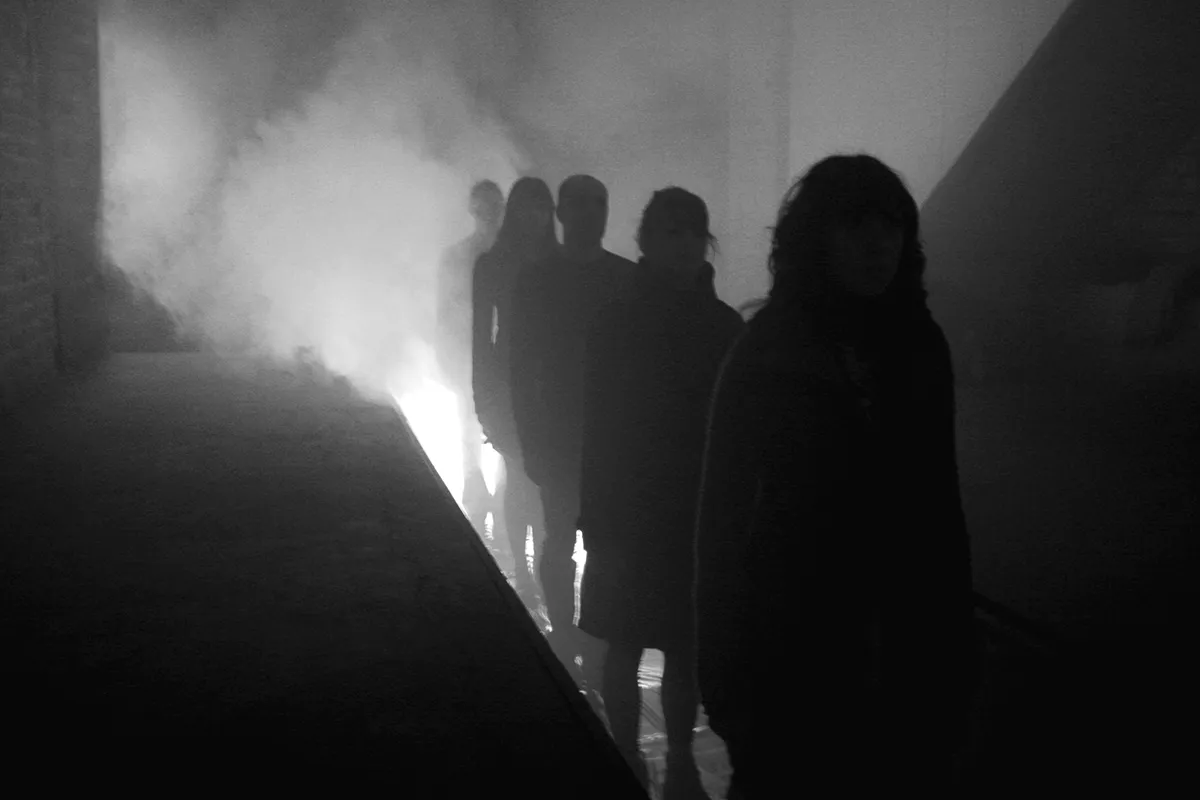
For the opening of an exhibition in Vézelay, in May 2009, I positioned six performers in a former garage space, using the inspection pit used for vehicle repairs. Surrounded by smoke and light, the audience could move around these performers, who remained motionless. The performance lasted 30 minutes.
Raft, 2009
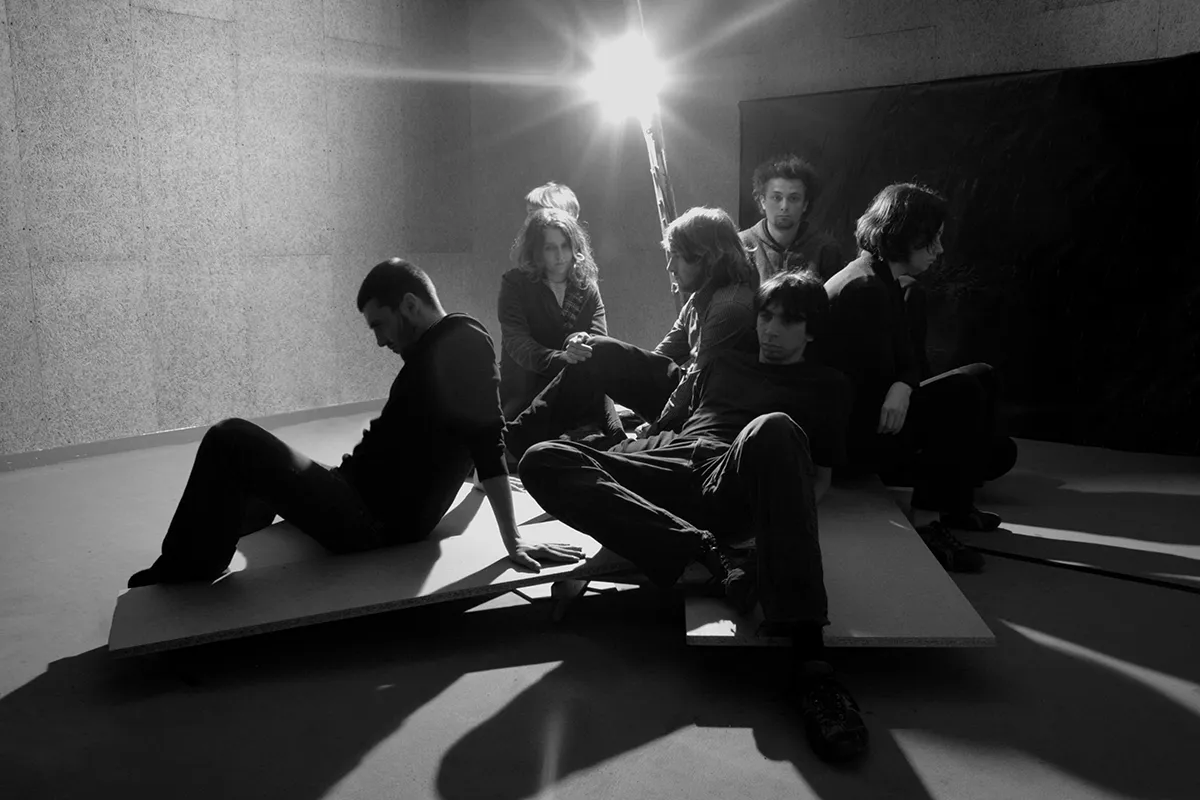
For the Band’Image festival in Bourges, in May 2019, I made a minimal reconstruction of The Raft of the Medusa with seven performers. The performance lasted 30 minutes and was presented in four separate sessions.
The audience was always smaller in number than the performers.
Trailer, 2008
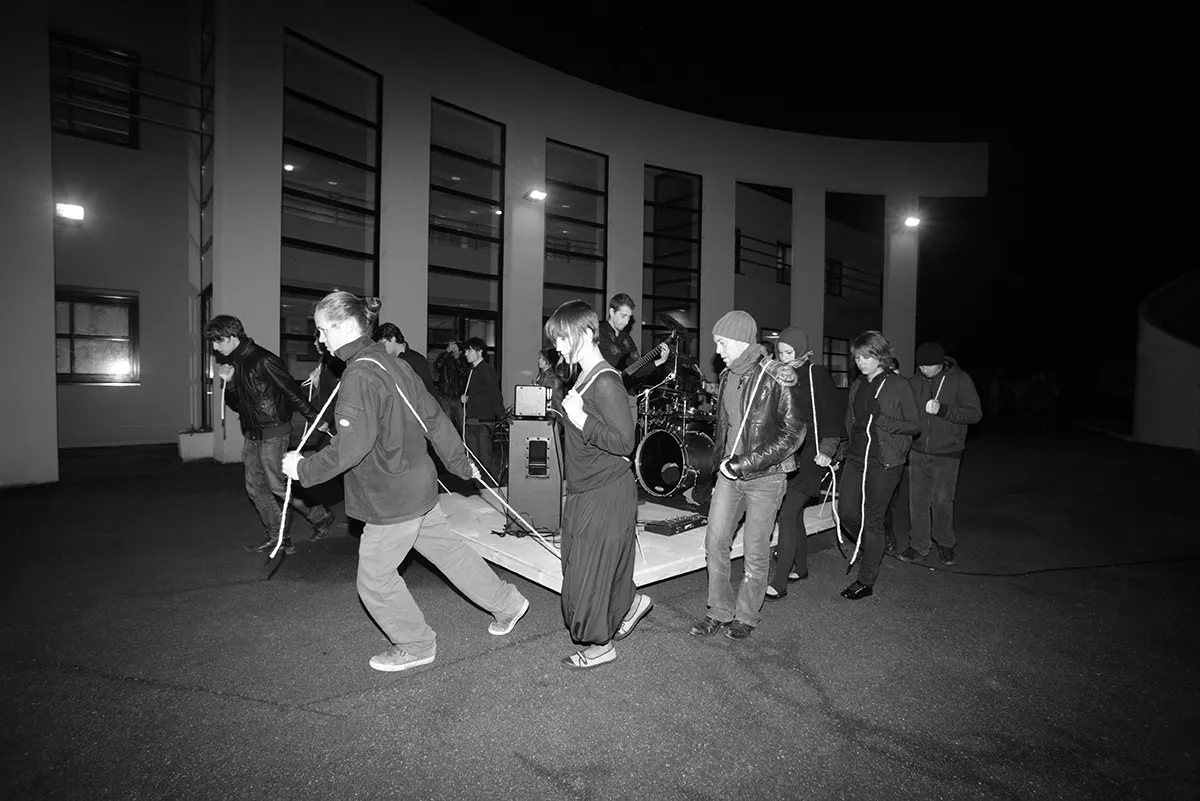
For the opening of an exhibition at the Atheneum in Dijon, in October 2008, I hired a math rock band who stood on a platform with their instruments. This platform was pulled by twelve performers, who moved the trailer in front of the art centre, during the opening.
Phantom, 2008
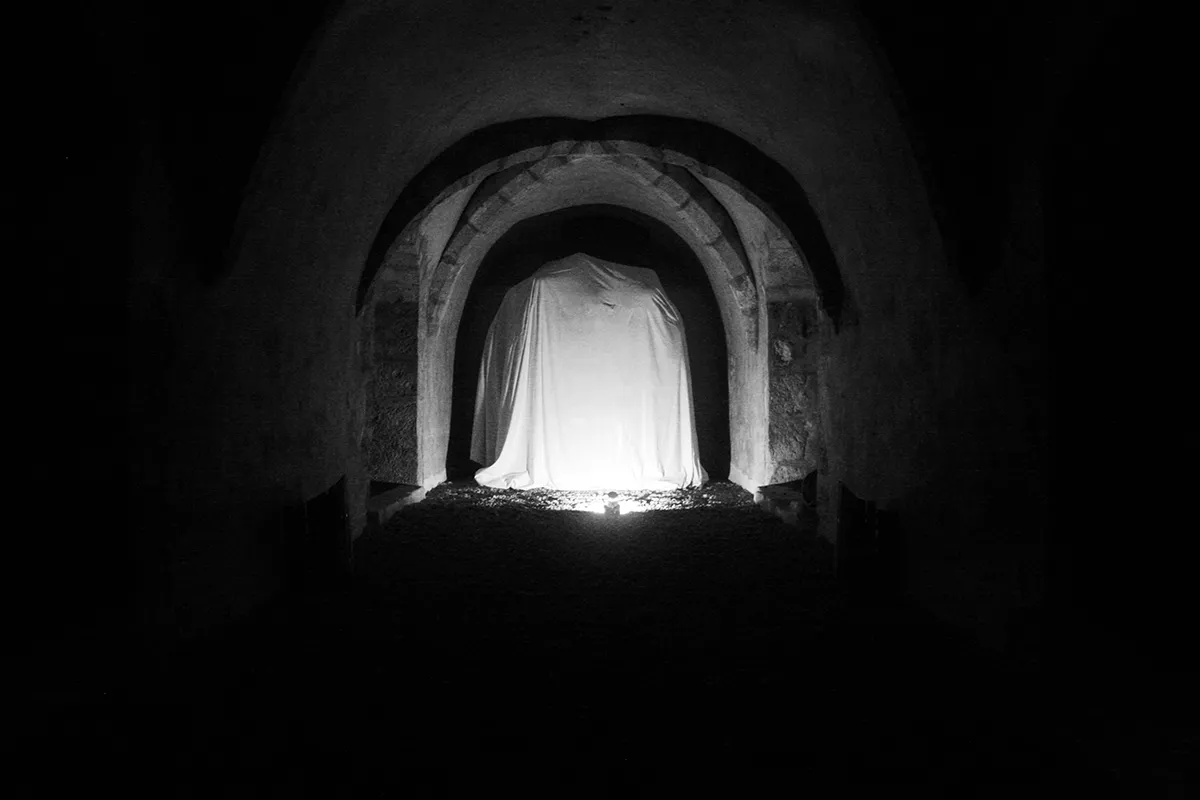
For an exhibition at the Château de Gien in October 2018, in an underground space of the venue, I gathered 15 performers placed under a large white sheet.
The number of spectators was limited to one person at a time; each entered individually and stayed for as long as they wished.
The performance was thus organised into several sessions throughout the day.
Jacquerie, 2008
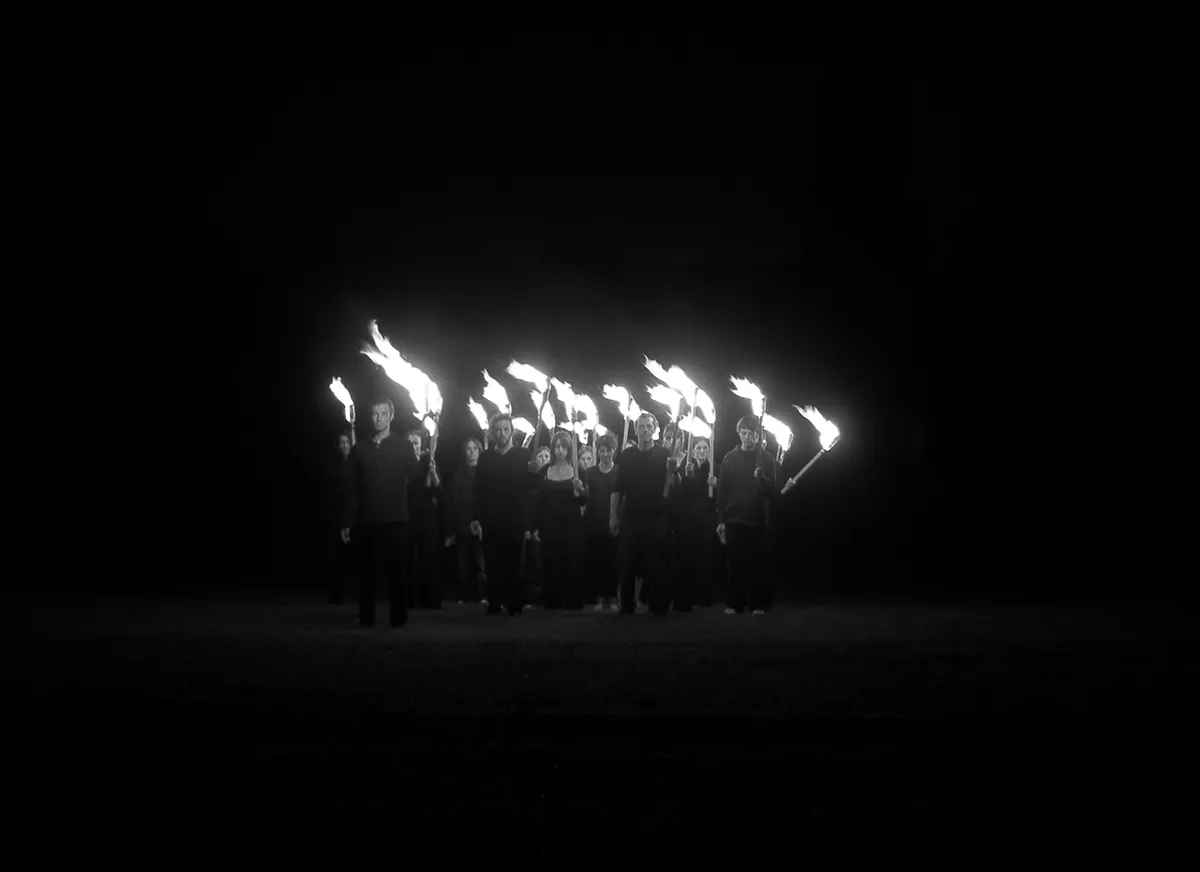
In Barbirey-sur-Ouche, in September 2018, during an exhibition, my performance took place at dusk. From in front of the château, a glow gradually appeared in the distance. This glow was formed by around thirty performers carrying torches. They advanced until stopping in front of the audience.
The performance lasted 15 minutes, after which the performers threw down their torches and left.
Guards, 2008
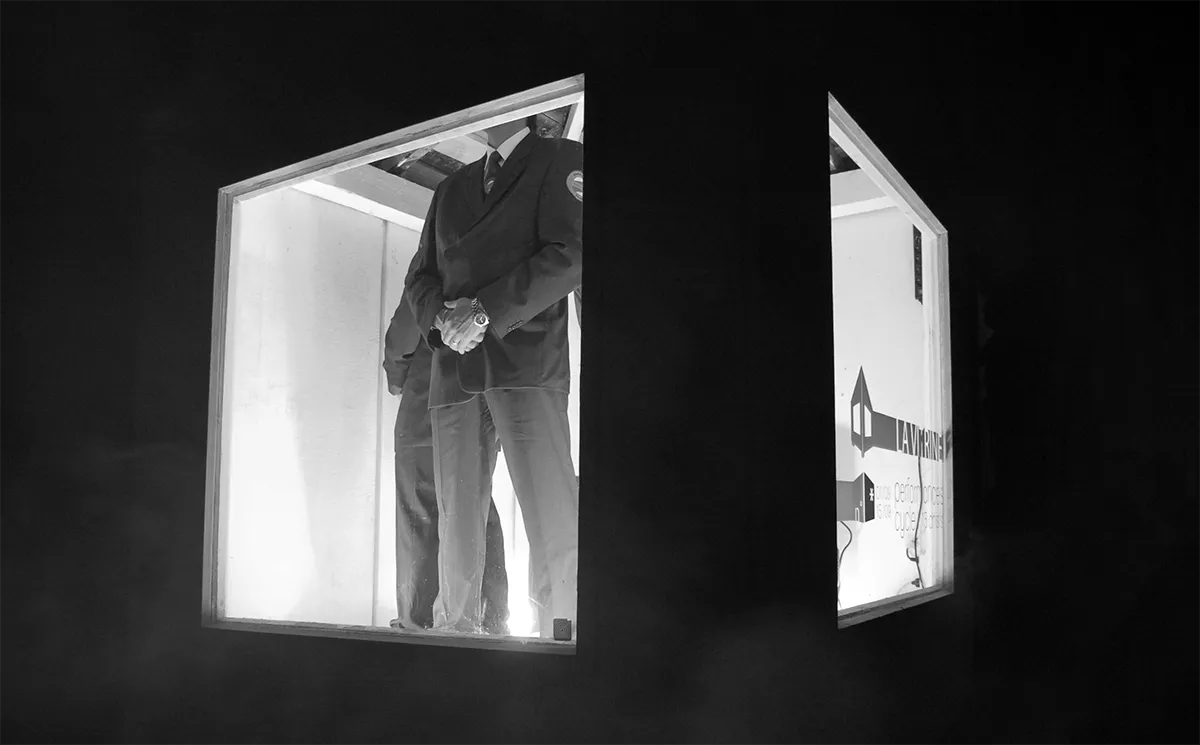
I was invited by SKUC Gallery in Maribor, Slovenia, in January 2018, to occupy a 3-by-3-metre display window. In Maribor, I hired four security guards and placed them inside this enclosed space, subjecting them to a crescendo of light, smoke, and sound. The sound was designed by DJ Jakenpop, who increased tempo, volume, and intensity. Once everything was in place, I exposed them to this maximum level, and the performance lasted 30 minutes.
Flags, 2008
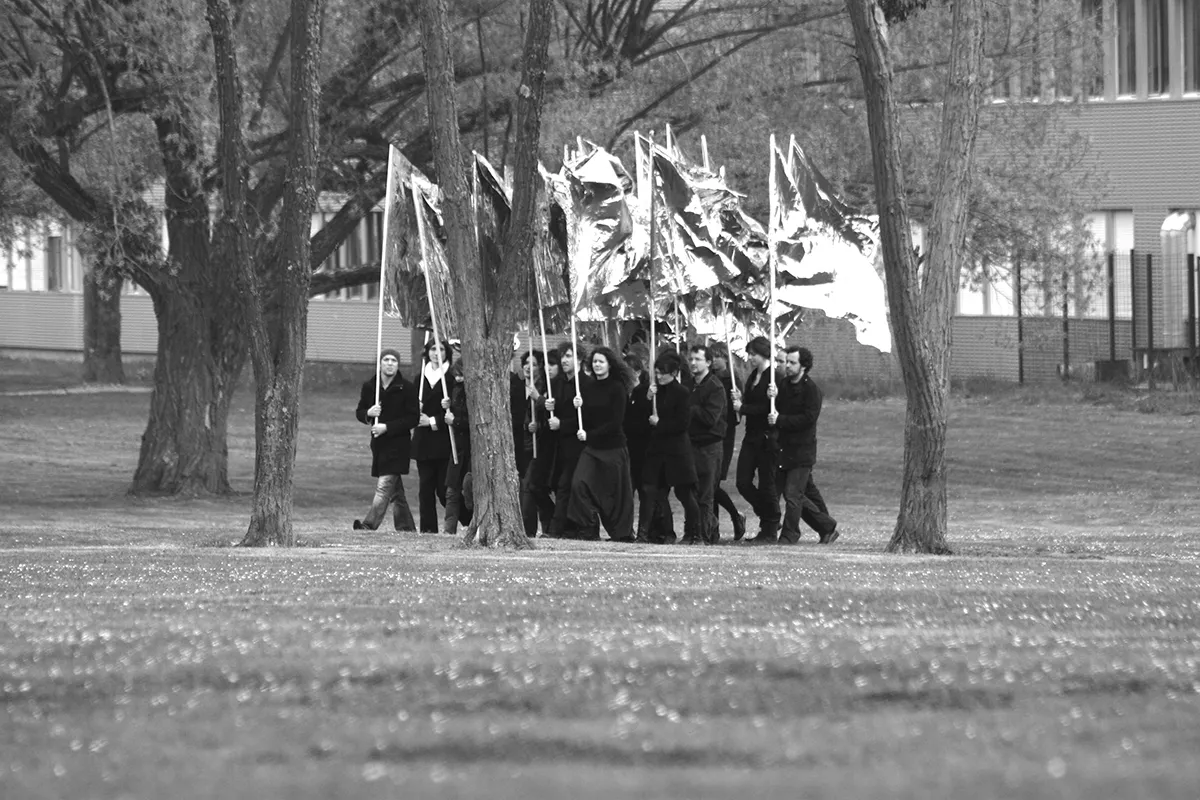
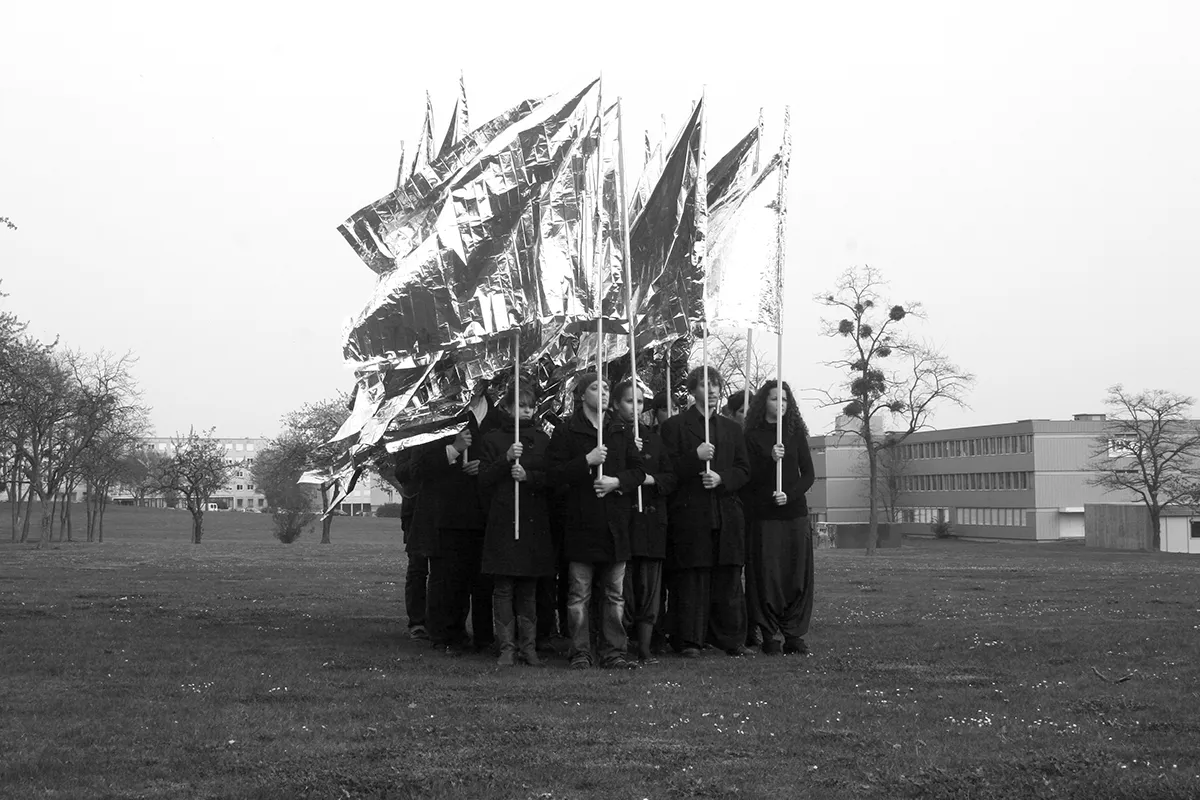
In Dijon, at the Atheneum, in April 2024, I engaged 40 performers, each carrying flags made from emergency blankets. They moved across the campus lawns, forming a continuous route, but occasionally stopping along the way, creating pauses in their progression.
The performance lasted two hours.
studies
All the following performances took place at the École des Beaux-Arts of Dijon during my studies between 2005 and 2007.
Banner, 2007
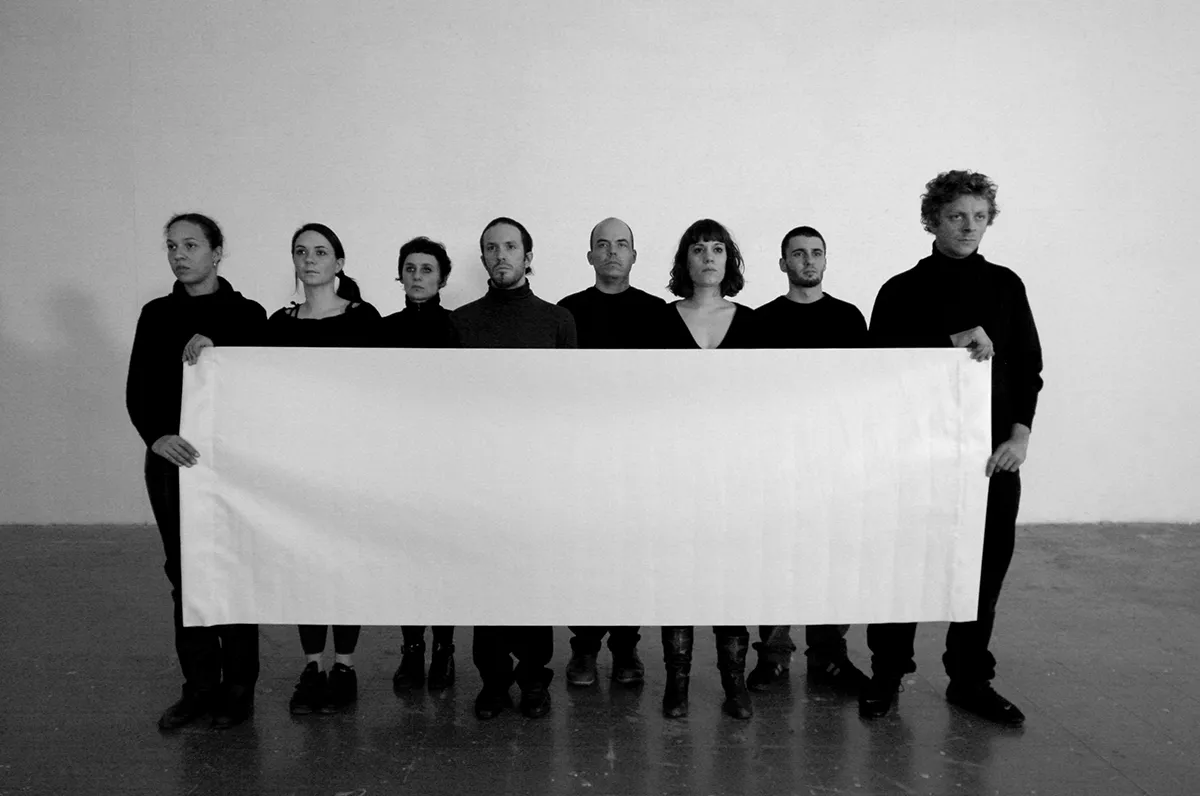
Six performers, dressed in their usual but dark clothing, hold a blank banner.
The performance unfolds in 15-minute sessions, and the number of spectators present is always lower than the number of performers.
Intifada, 2007
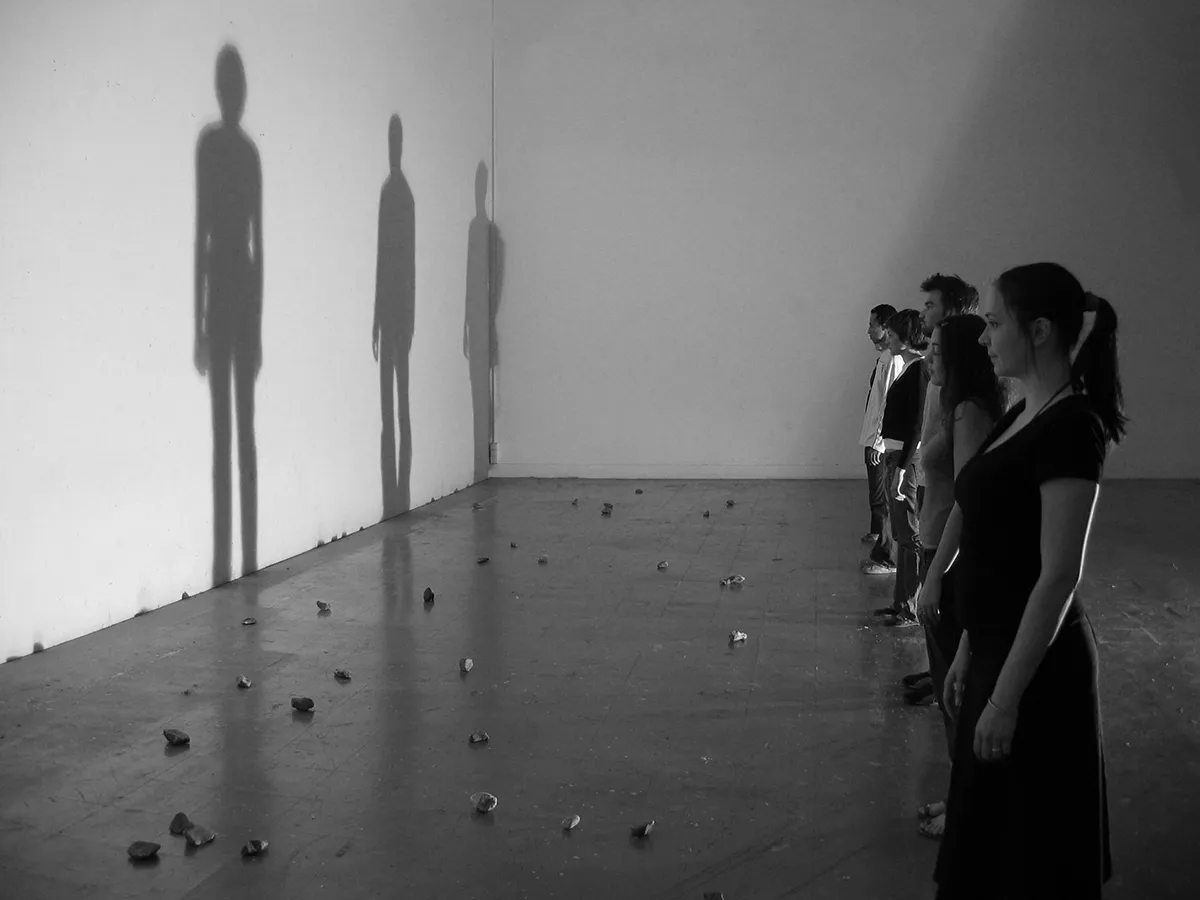
Five performers are lit from behind, casting their shadows onto a large wall in front of them. At their feet, on their right side, lies a pile of stones. After ten minutes, they begin to throw the stones slowly and casually against the wall. The audience, which is not limited in number, stands behind the spotlights, observing the scene. The performance lasts a total of 25 minutes.
Knives, 2007
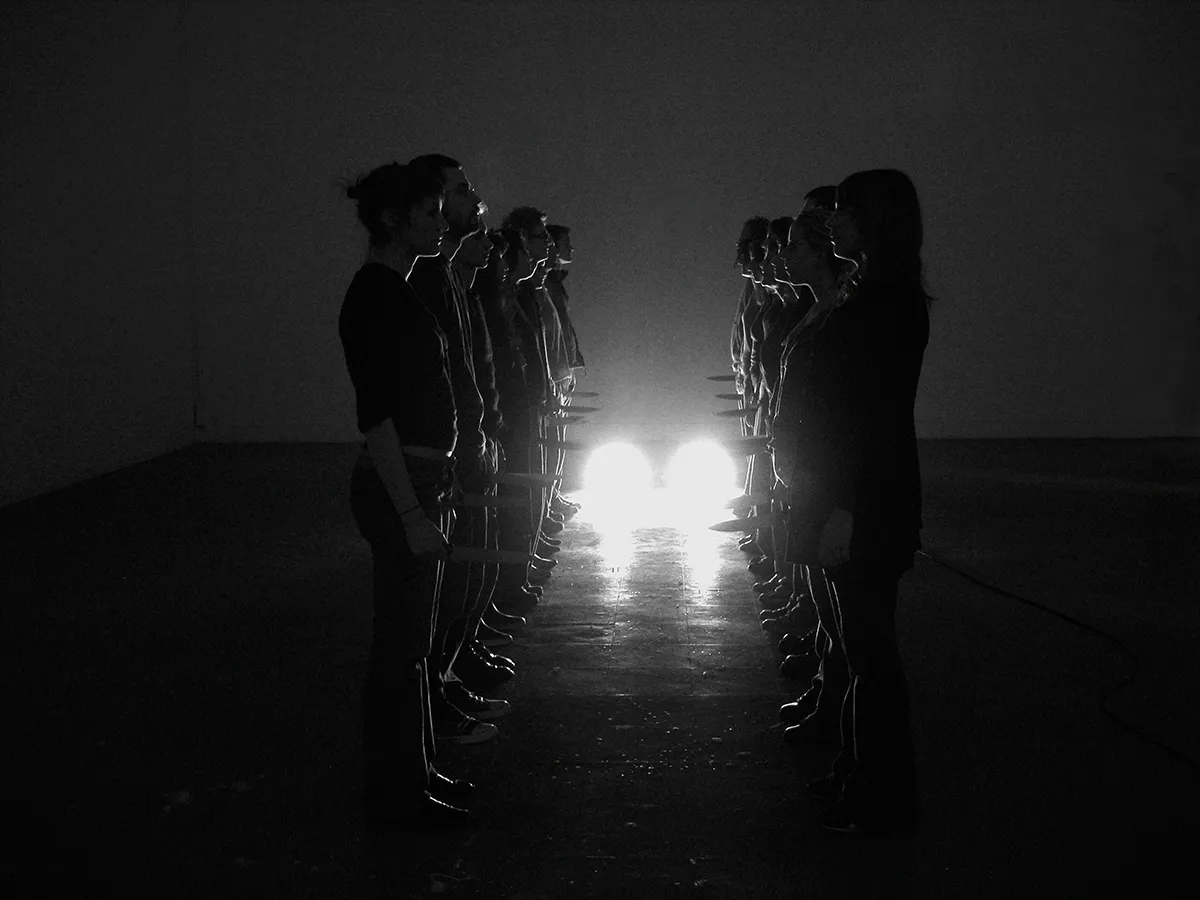
Twenty performers are placed in a large dark room, lit only by two spotlights positioned to the side, illuminating two groups of ten facing each other. All remain motionless, dressed in dark clothing, each holding a large kitchen knife in their right hand.
The spectators enter either individually or in pairs and can move around in front of, behind, or among the performers. The performance is organised into several sessions throughout the afternoon.
Cavalry, 2007
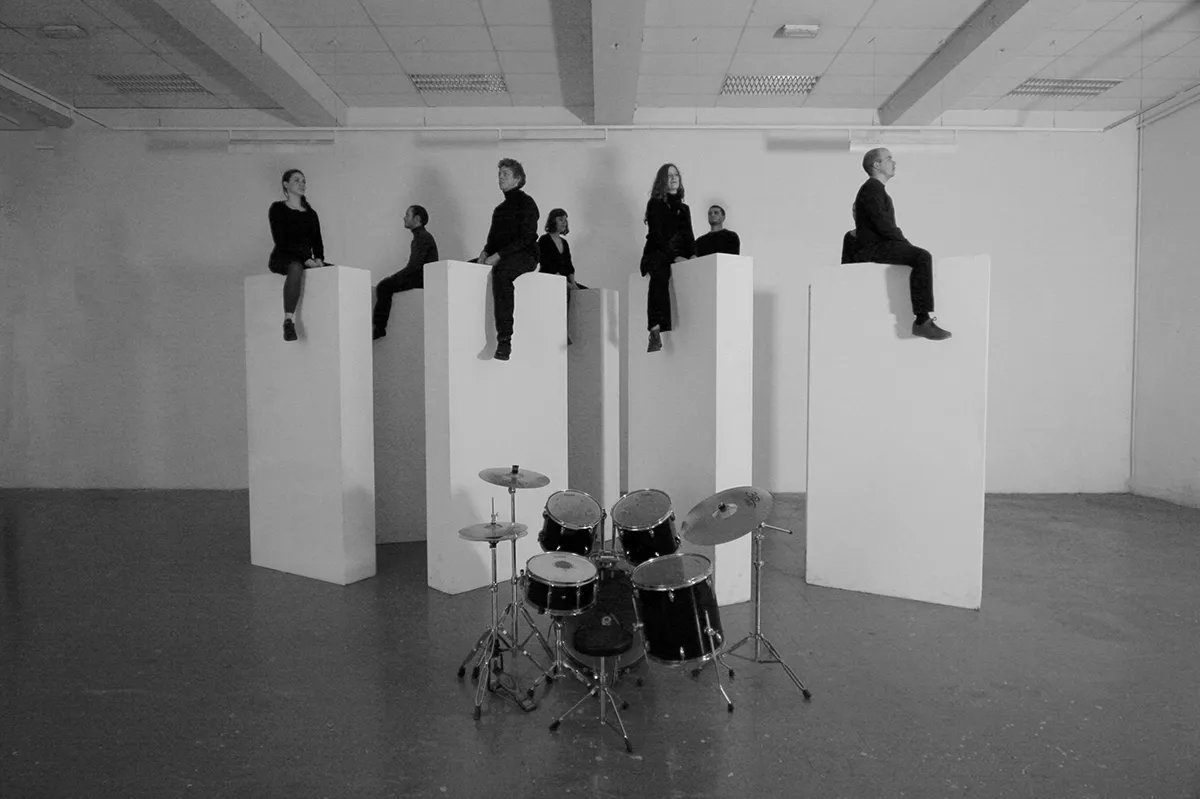
Eight performers, dressed in their usual but dark clothing, stand on 2.70-metre-high exhibition display plinths. They remain motionless, gazing straight ahead.
On the floor, at the front of the stage, is a full drum kit, including snare drum, bass drums, toms, and cymbals.
The performance lasts 15 minutes, and the number of spectators present is always lower than the number of performers.
Battalion, 2007
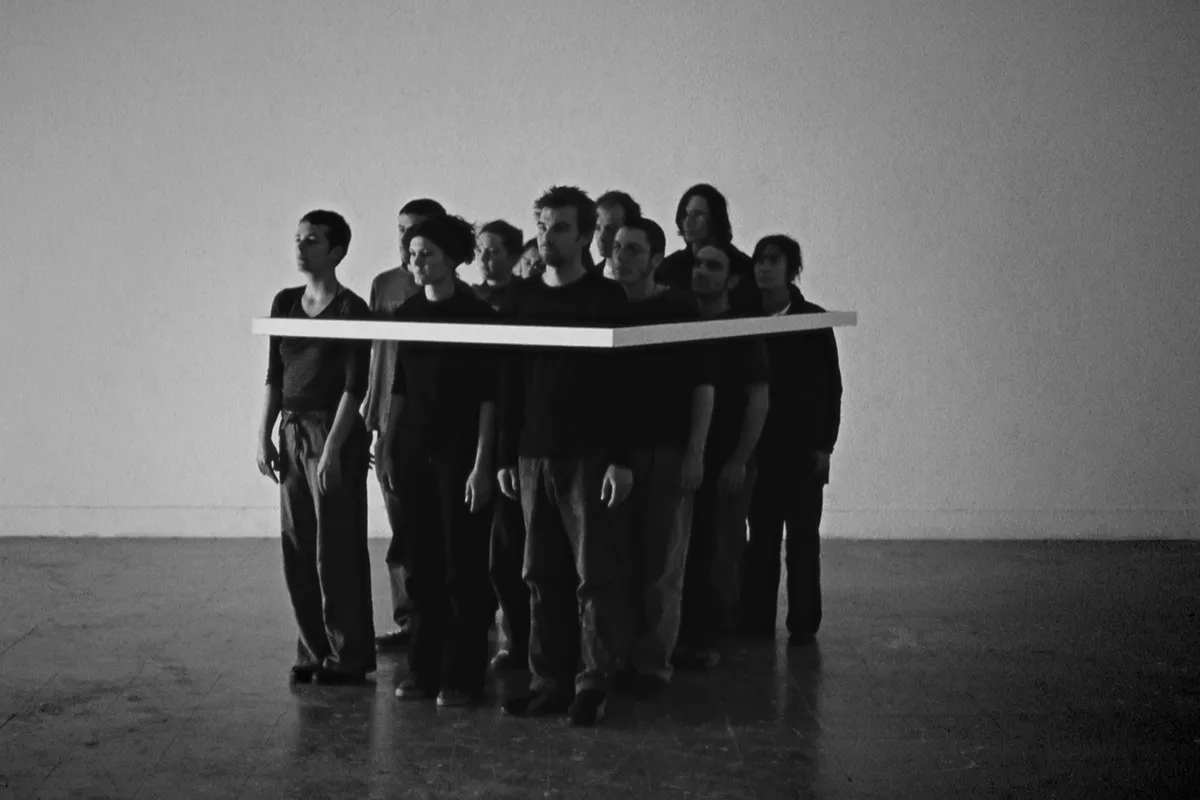
Twelve performers, dressed in their usual but dark clothing, stand together in a compact group. A rigid horizontal frame completely surrounds them, resting on their shoulders and defining their space.
The performance lasts 15 minutes per session, and the number of spectators present is always lower than the number of performers.
Mosquitoes, 2007
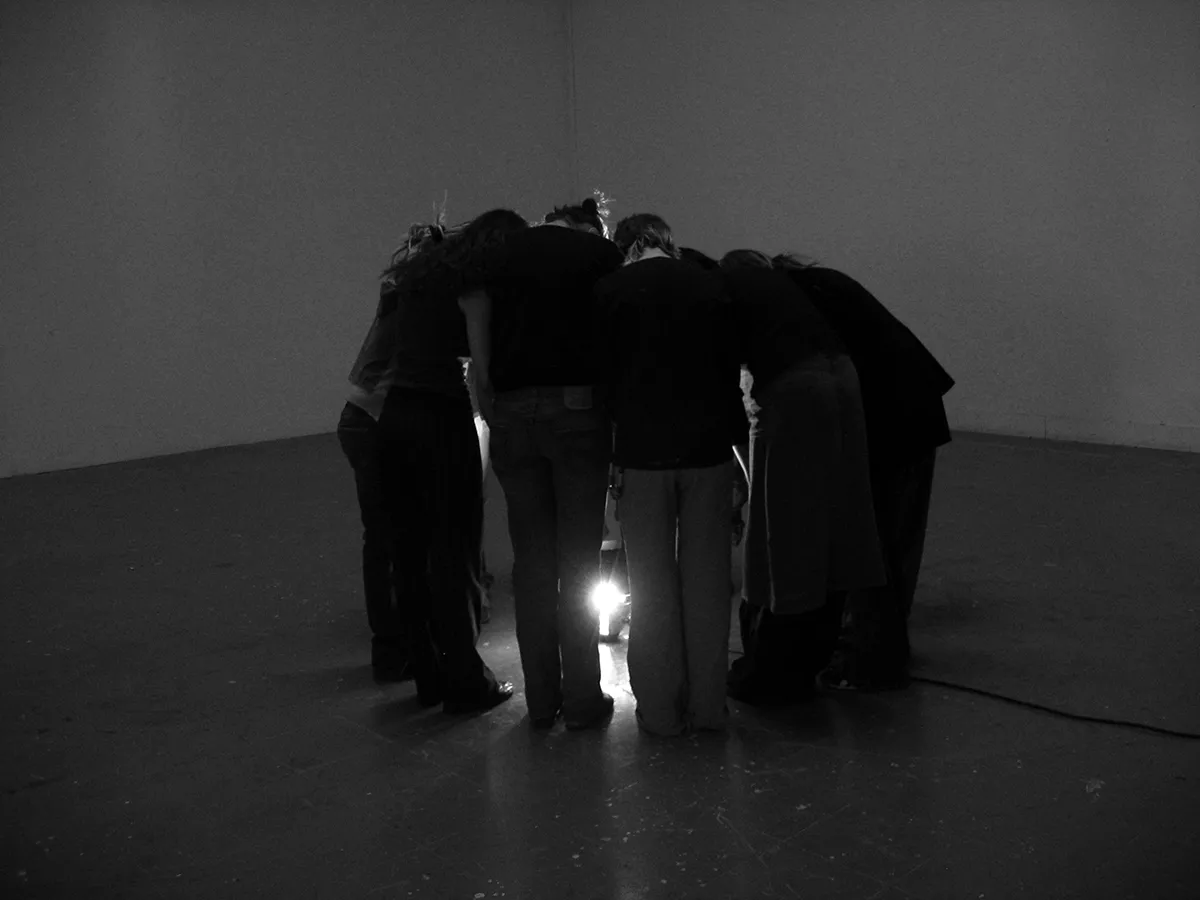
Ten performers, dressed in their own dark clothing, are gathered in a circle around a very bright spotlight placed on the ground. They remain motionless, leaning slightly toward the light.
The number of spectators is not limited, and they are free to move around, passing in front of or behind the performers, observing the scene as they wish.
Projectors, 2006
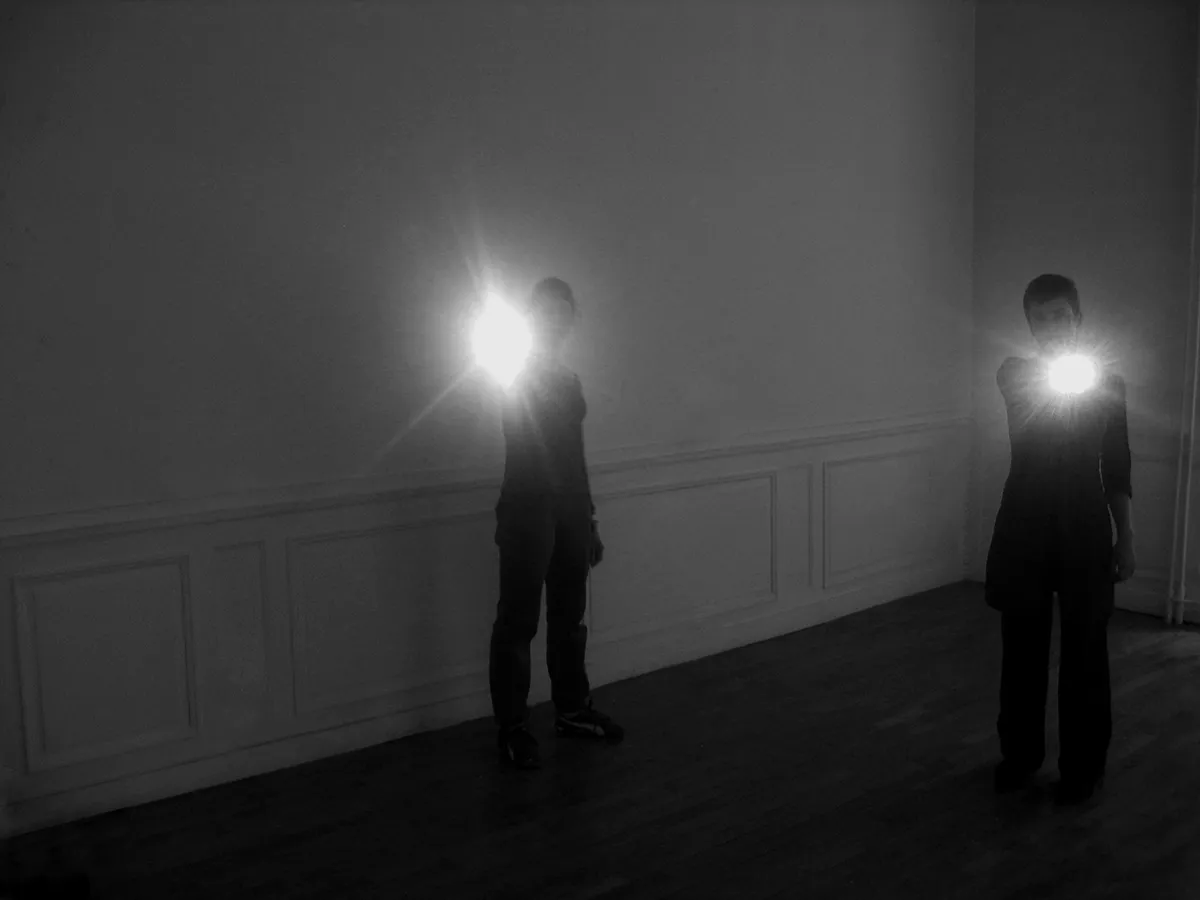
In a small room, two performers, dressed in dark clothing, have a flashlight attached to their arms. As soon as a spectator enters the space, the two performers immediately direct the light toward their face.
The performance is organised into several sessions, and visitors may remain in the room for as long as they wish. The number of visitors is always lower than or equal to the number of performers.
Ring, 2006
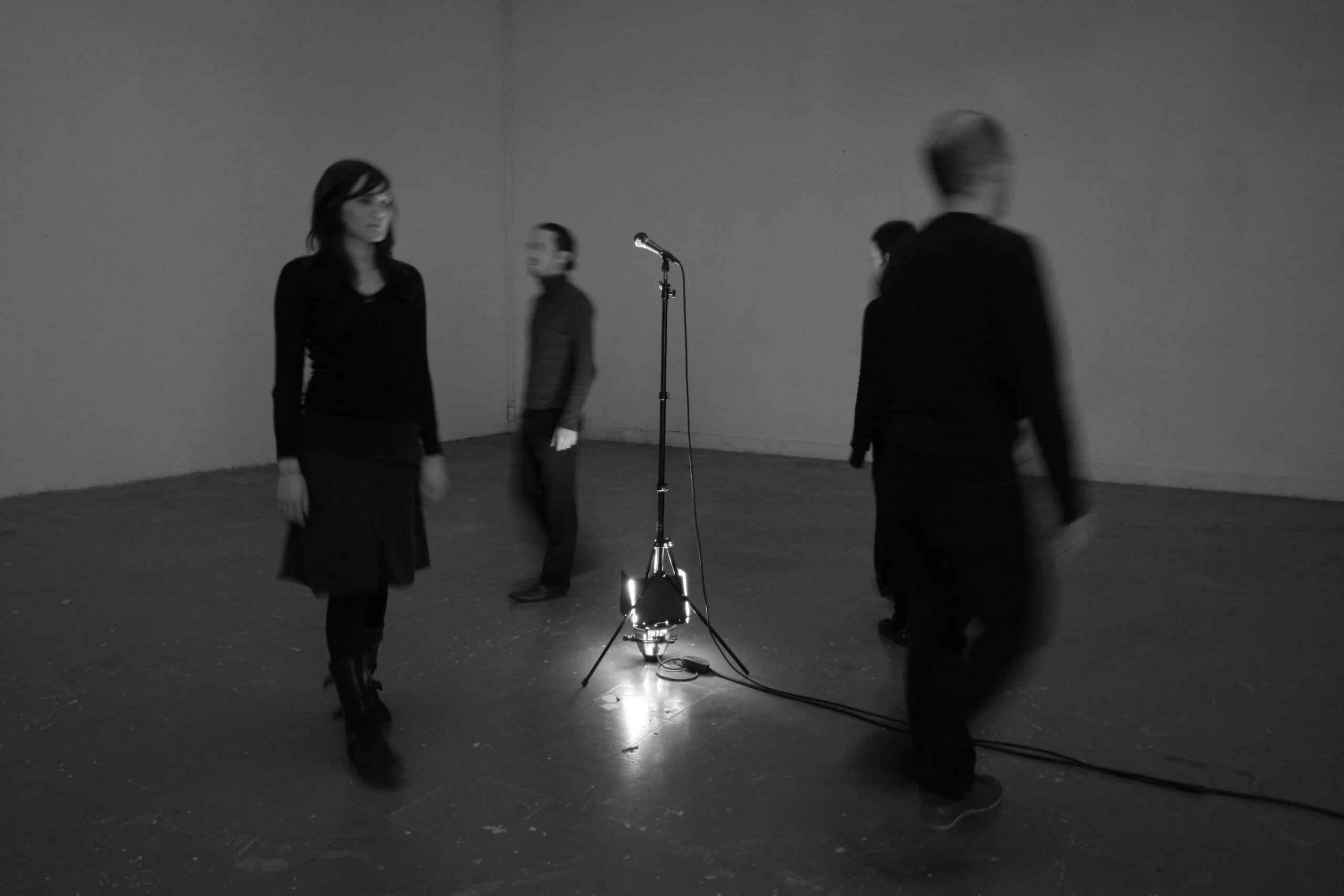
In a large dark room, a gold microphone is placed on a stand and plugged in. A dim light slightly illuminates the space from the stand.
Three performers, dressed in dark clothing, move very slowly around the microphone. The number of visitors is always lower than or equal to the number of performers.
Laughter, 2005
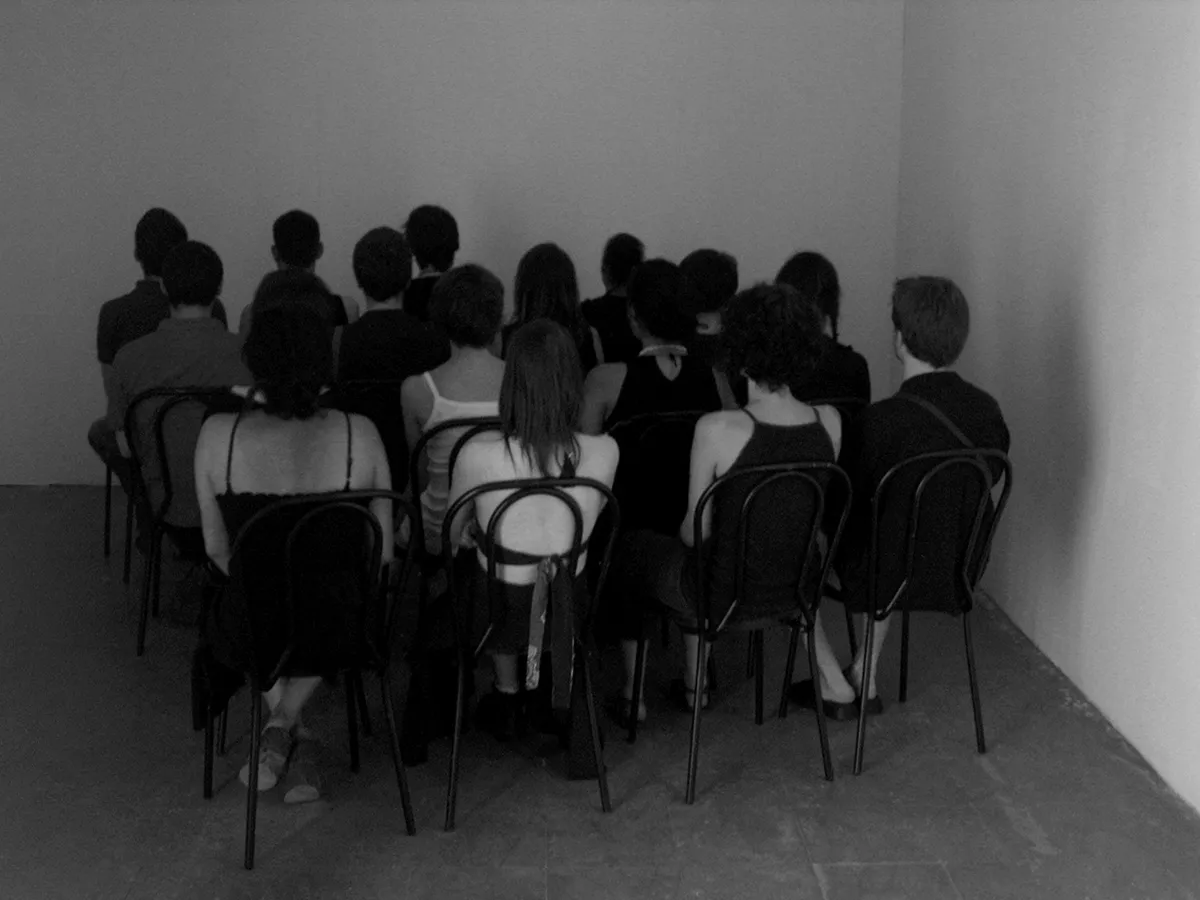
In a small dark room, sixteen performers are seated on chairs facing a wall. Spectators enter from behind, with no limit on number. The performers wear their own clothes and are instructed to produce a fake laugh lasting about five seconds, followed by a five-second pause, repeating this cycle. Gradually, the laughter intensifies until it turns into a collective fit of laughter.
audio
Album created in 2007, resulting from a sound research process combining experimentation, textures, and music in a state of construction.
Introduction to introduction
This piece is built on insistent repetition, a progression that conveys tension, like a movement looping endlessly without ever reaching resolution.
Fucking La Callas
This track is a rupture. I deliberately disrupted a delicate melodic line with a massive bass, creating an abrasive contrast.
Ether
A piece with melancholic tones, where sounds dissolve into a wide space, as if suspended within a flow of ambient electronics.
Dieu Soleil
This track marks a renewal, a gradual awakening, with sound textures evoking spring, a beginning, a new illumination.
Musique for Working
This piece accompanies activity, a constant background, designed to be launched and then forgotten, allowing focus, until a subtle rupture appears, when least expected.